How to Validate Your Startup Idea With Zero Budget
A zero-budget way for startup founders to get real evidence of demand before building, hiring or fundraising, and to tell interest from commitment.
What is problem-solution fit
Problem-solution fit is the point where you have evidence that customers feel a problem and want your way of solving it, before you build the product.
Illustration
The evidence ladder
Words11 of 15
Physiotherapists describe missed appointments as a weekly loss. Saying it costs them nothing.
Contact details48 ÷ 400 = 12%
Visitors leave a phone number after a ₪500 ad test. It costs them a little privacy.
Time12
They agree to a 20 minute call.
Money5
They pay a ₪100 refundable deposit for early access.
Startup validation is not collecting encouragement. It is collecting evidence that a real customer will change behavior. The first milestone it aims for is problem-solution fit (evidence that the problem is real and that your answer to it is one customers want).
A person saying "this is interesting" does not prove demand. A customer who pays, introduces you to the person who holds the budget, shares data, invests time, comes back without reminders or uses a pilot in real work is sending a different signal.
The market research guidance of the U.S. Small Business Administration (SBA) frames research as a way to find customers, confirm or improve an idea, and reduce risk. For a startup, that has to go beyond market size. It has to test what buyers actually do.
Start with the riskiest assumption
Before building, write down what must be true.
- Who exactly has the problem?
- How often does it happen?
- What does it cost them?
- What do they use now?
- Who controls the budget?
- What would make them switch?
The answer to the first question becomes your ICP (ideal customer profile, a precise description of the customer who feels the problem most). The more specific it is, the easier every later test becomes. To see all these answers side by side, with the problem and the customer segment at the center, map them on a Lean Canvas, the business idea on one page.
Do not validate the easy part first. If the product is technically possible but nobody will pay, the startup still fails. If users like it but the buyer will not approve it, the startup still fails.
Interview without selling
A useful customer interview should feel more like investigation than persuasion. Ask about the last time the problem happened. Ask what they did, how long it took, what it cost, who was involved and what they tried before.
Avoid asking "would you use this?" That question invites politeness. Better questions are:
- when did this last happen?
- what did you do then?
- what happens if you do nothing?
- who else is involved in the decision?
- what budget or time already goes into this problem?
Harvard Innovation Labs highlights discovery, active search for solutions, budget and repeated tests. Those are the signals that separate curiosity from demand.
When interest does not turn into commitment
Picture a founder who wants to launch a subscription for a broad consumer category. The interviews sound positive. People like the idea and say it would be useful. Then the founder asks for a small deposit for early access, and almost nobody agrees.
That does not mean the problem is imaginary. It usually means the model is too broad, or the pain does not come often enough to justify a subscription. The next step is to narrow: run a manual version of the service and look for the smaller group of customers who have the problem regularly and lose real money on it.
That change of course is a pivot (a change of direction based on what the market showed you). Before development starts is when it costs the least.
Use zero-budget tests before building
You can test a startup idea with:
- problem interviews
- a manual service
- a paid pilot
- a demo
- a landing page with a real next step
- direct outreach to the target buyer
- a spreadsheet or concierge workflow (you do by hand, behind the scenes, what the product would later automate)
The point is not to look professional. The point is to learn whether the same type of customer commits for the same reason. When they keep doing that, you are seeing early traction (real, repeatable proof customers want it), and that is the moment to build an MVP (a simple first version to test).
For the product side, read the MVP trap. For the next commercial step, read from idea to first customer and startup consulting from idea to traction.
Designing the test before development starts is part of idea validation consulting for startups. I also teach founders the MVP and validated learning in my startup lectures. If you want a second pair of eyes on your test before you spend on development, talk it through with me.
The content on this blog is general information only and is not a recommendation to act. It is not business, legal, tax, or financial advice. Before making any decision, consult a qualified professional, such as an accountant, a lawyer, or a business advisor, about your specific situation.
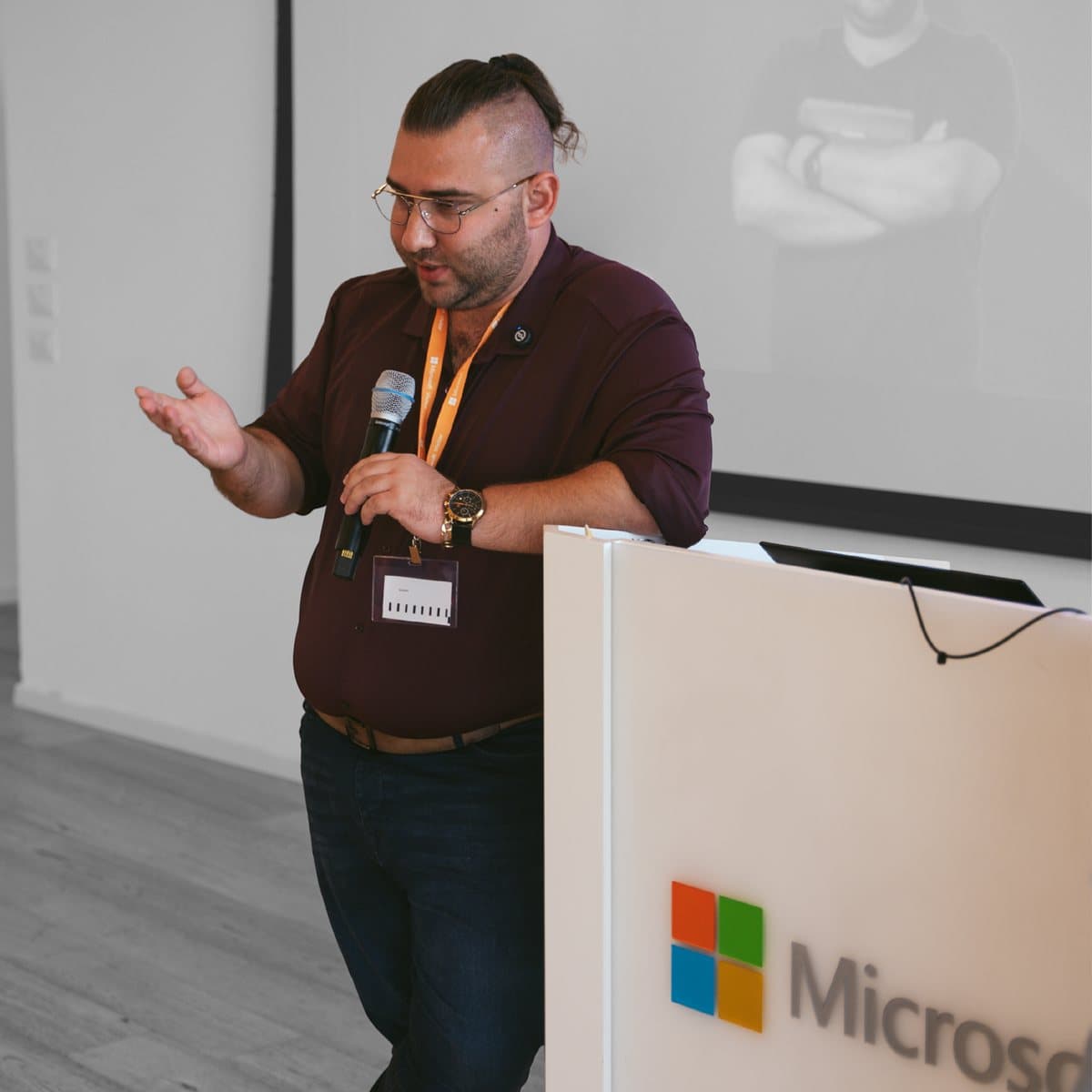
Speaking at Microsoft

Meeting with international teams, as part of work with a startup
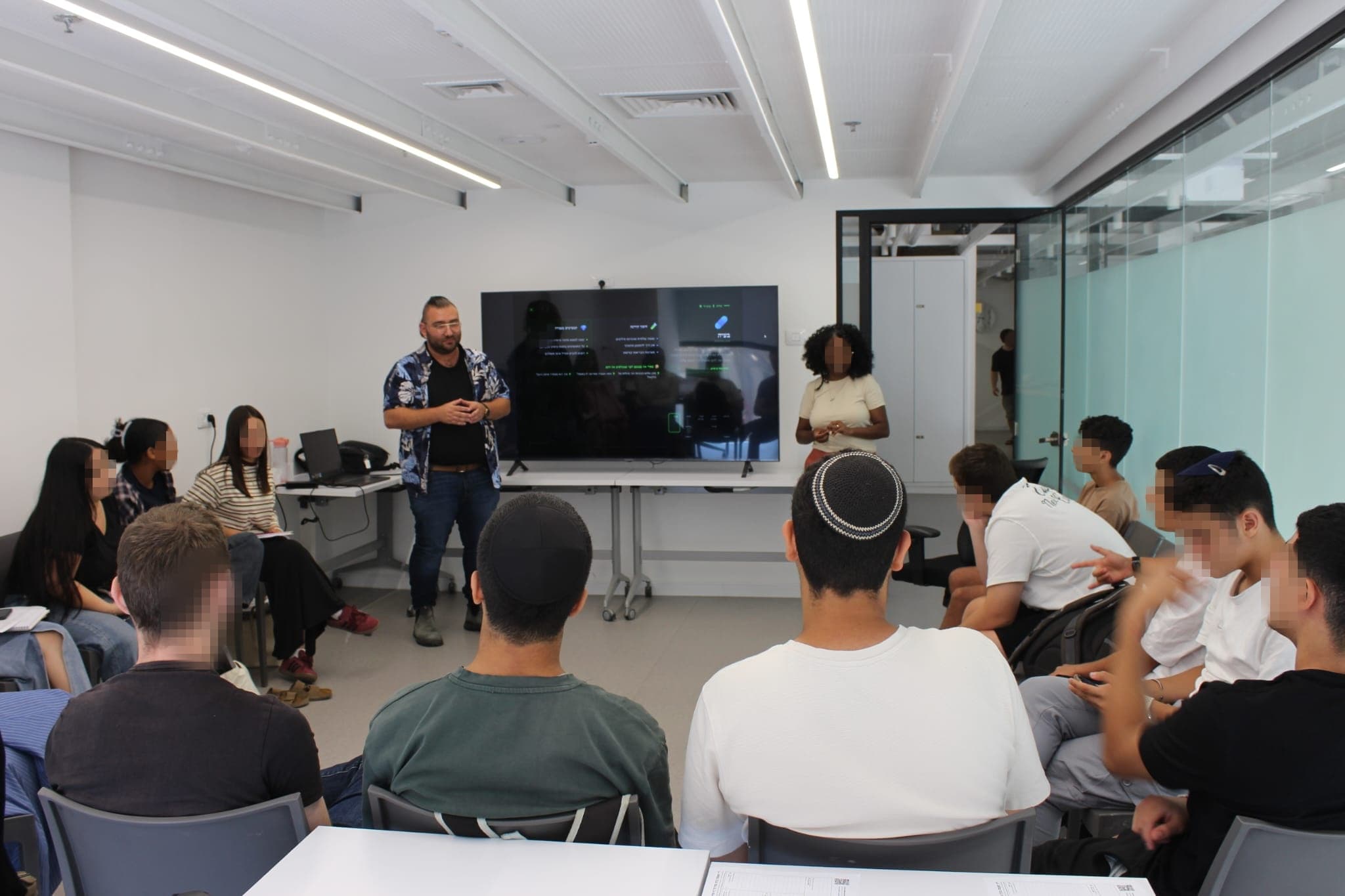
Teenovation, Meital centre Sderot
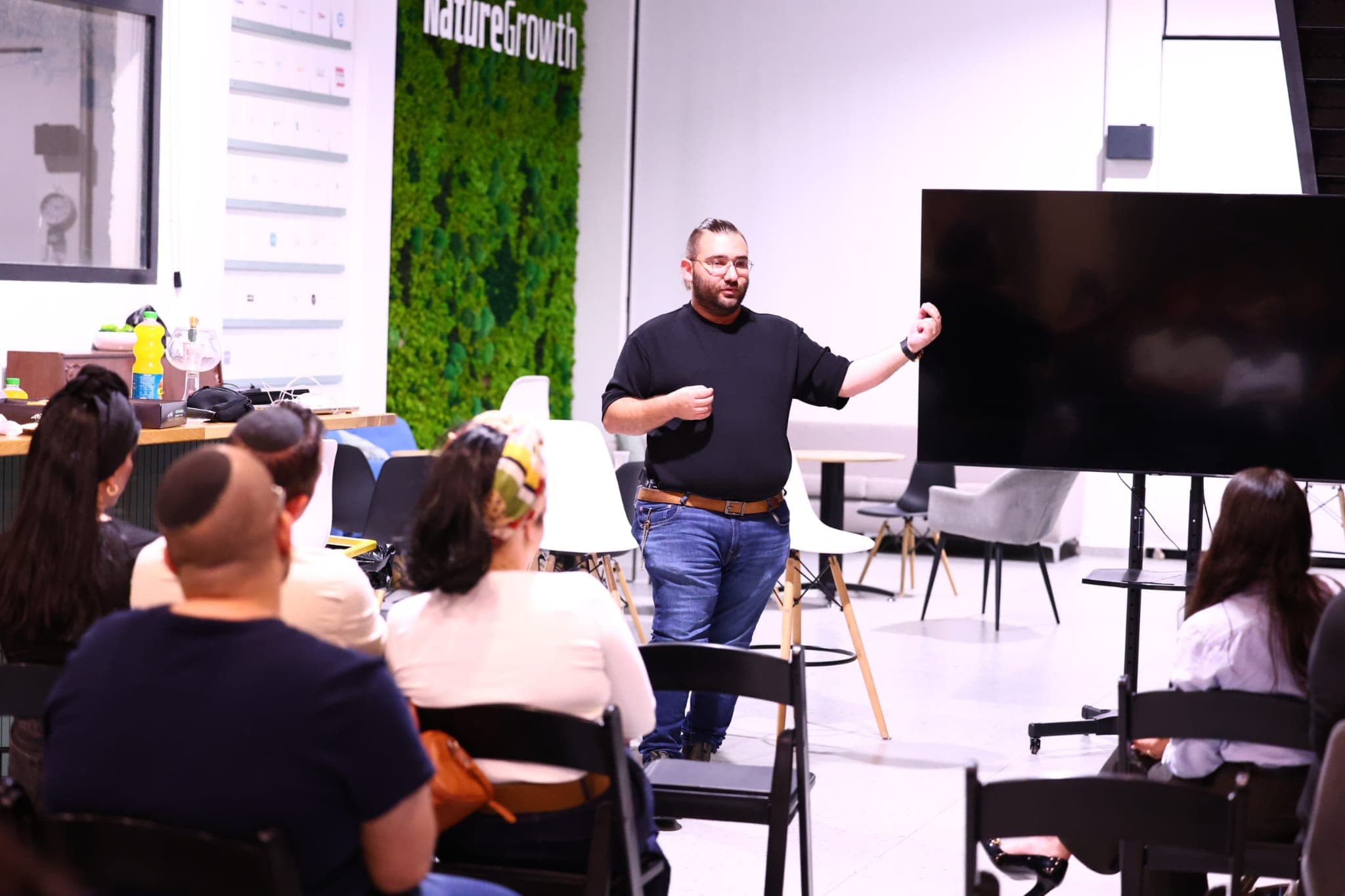
Entrepreneurs session, Sderot
I have worked with
- Google for Startups
- House of Business, Sderot Municipality
- Microsoft Reactor
- GameReady
- Eclipse Capital
- SderoTech
- IUCEL
- Resilience & Health Innovation Hub
- International Resilience Institute of Sderot


















- Google for Startups
- House of Business, Sderot Municipality
- Microsoft Reactor
- GameReady
- Eclipse Capital
- SderoTech
- IUCEL
- Resilience & Health Innovation Hub
- International Resilience Institute of Sderot
What Clients Say
From different fields, at different stages of business
Dan Manto
Eclipse Capital
Real Estate Investment and Finance, USA
Arty McLabin
GameReady
Game Development Education and Outsourcing, International

Anna
Beautician
After I finished a cosmetology course at a leading company, I was confused. I didn't know how to open a business, what to sell from home, or how to bring in clients. Since I reached out to Mobius, everything has changed. We built an organized plan with clear steps and no unnecessary risks. Today I see results, and I'm growing and developing every month.

Mark
Massage therapist, Gan Yavne
When I finished a massage course, I imagined a different world. I found out it's a hard field, and financial stability isn't easy to find. When I came to Mobius, something changed. We started an organized process and built a business plan. Without Mobius? I probably would have given up. Today I believe in myself and in my own path.
And the paperwork, for anyone who wants to see that too.

Certificate of appreciation, Sderot municipality
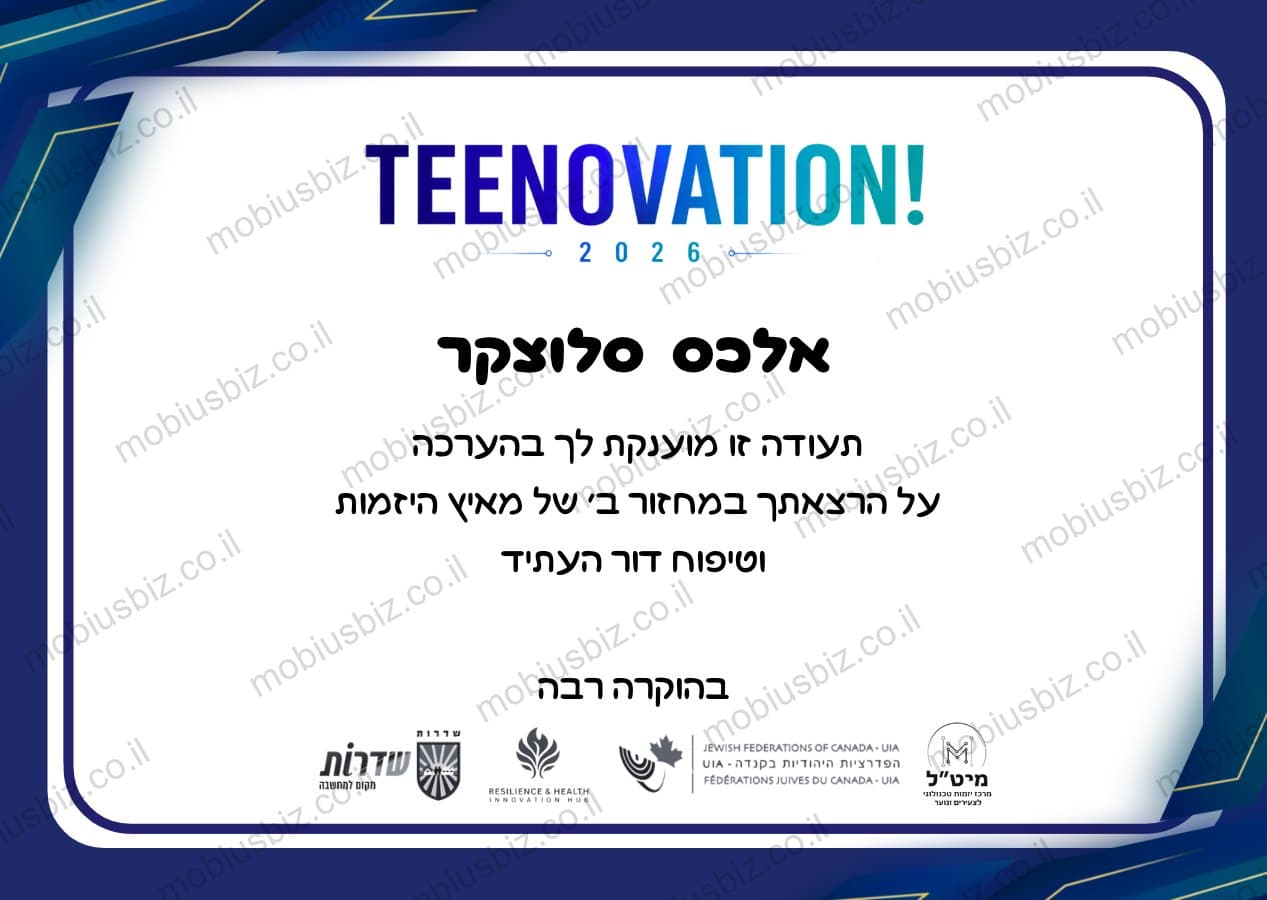
Certificate of honor, Teenovation 2026

Directors and officeholders course, SRI Campus
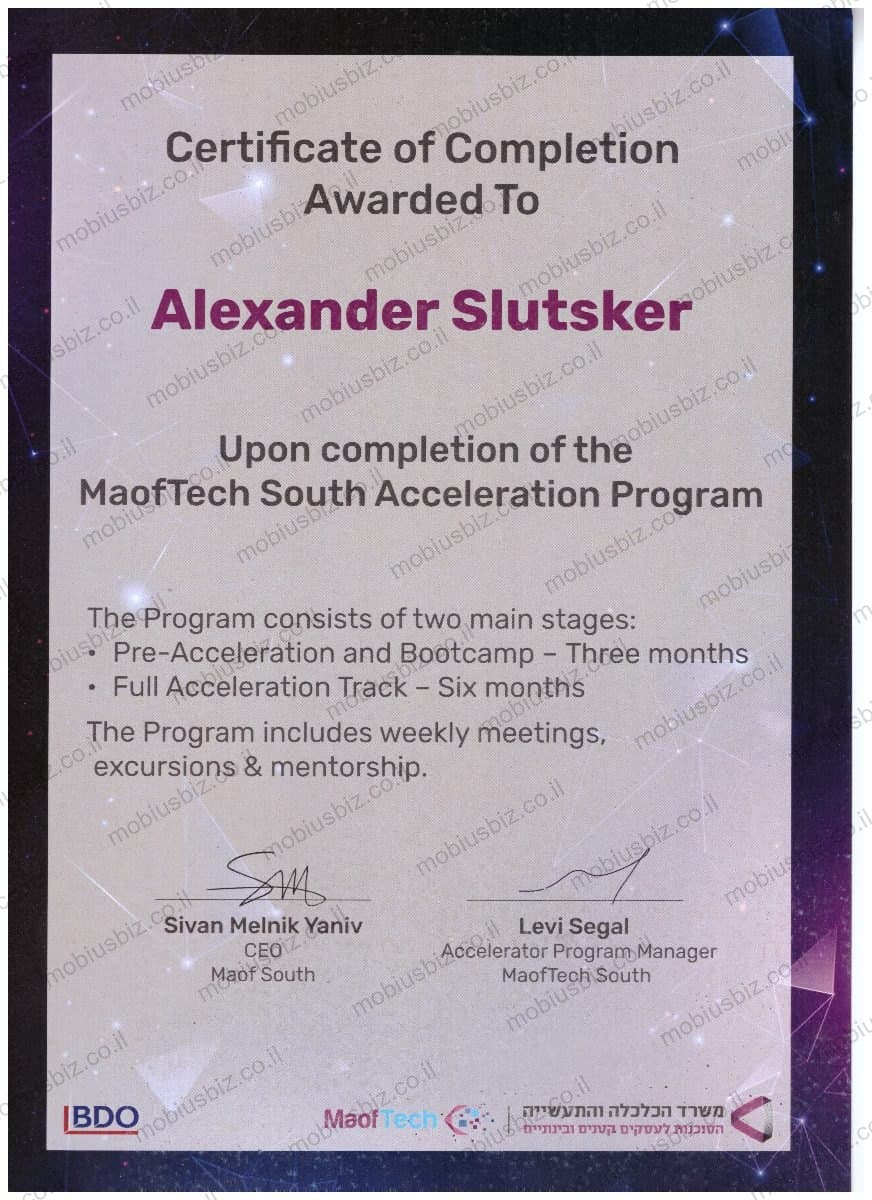
Acceleration program, MaofTech South
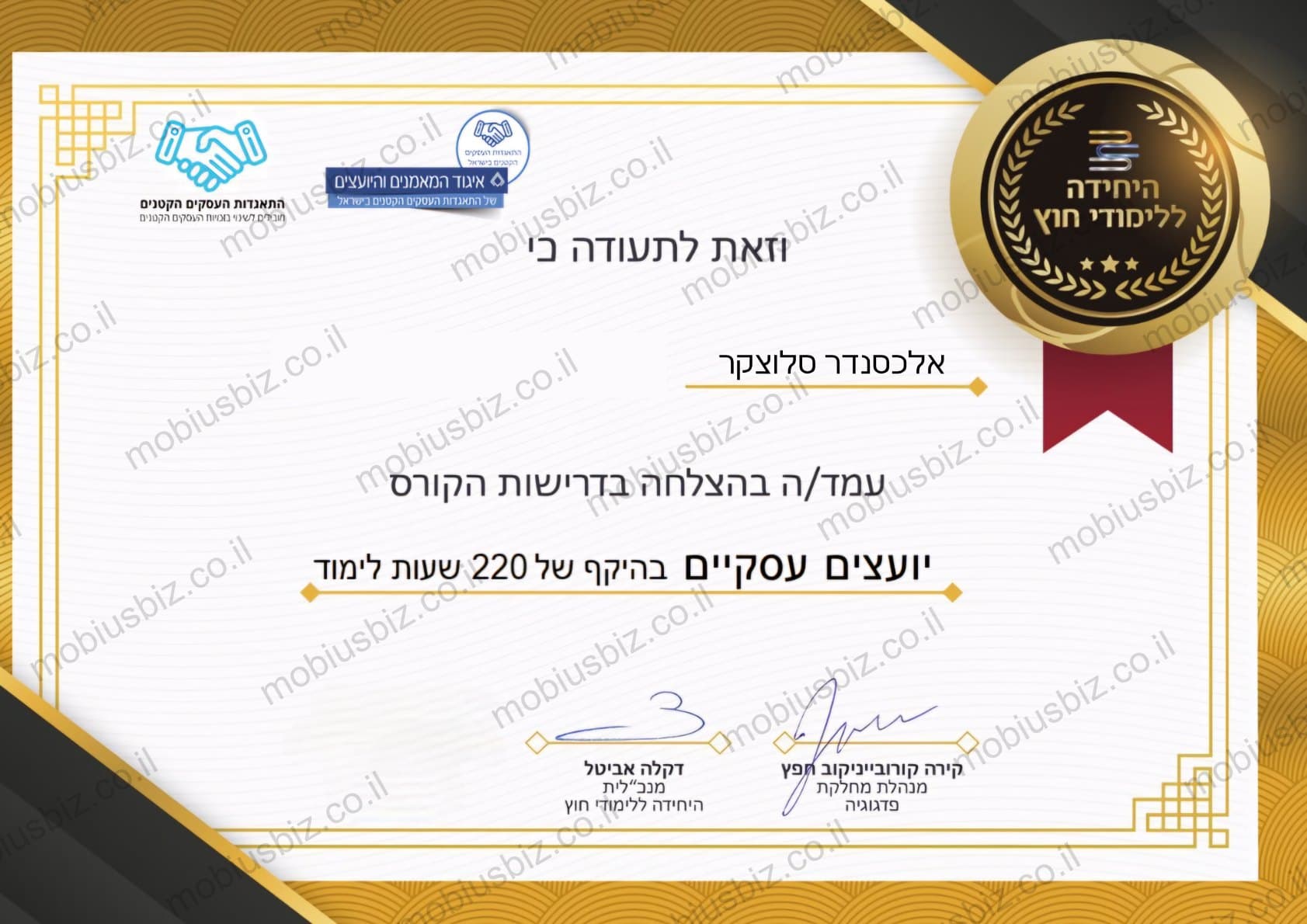
Business consultants course
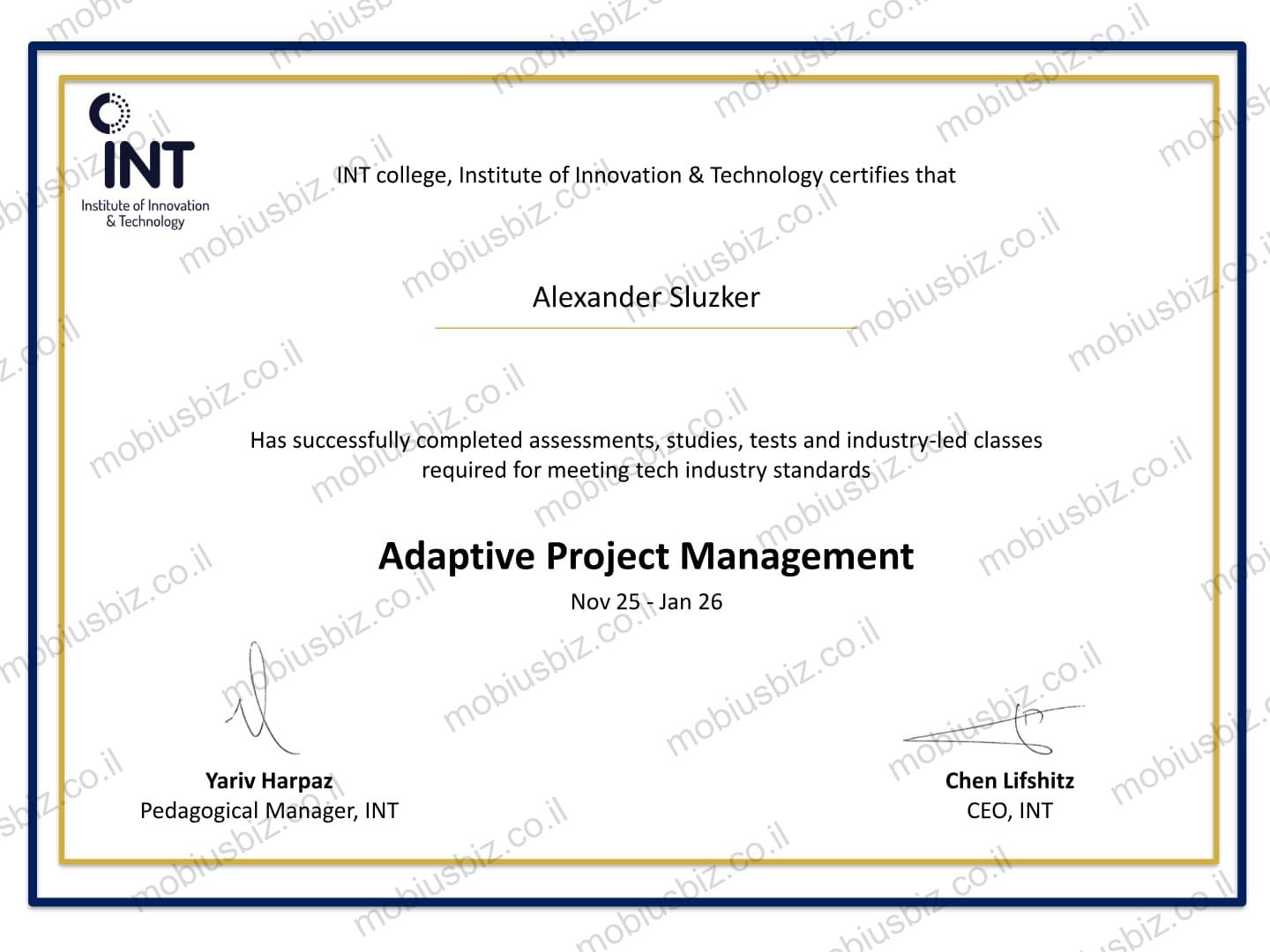
Adaptive project management, INT college

Business, Marketing, Operations & Financial Consultant
Mobius
Alexander Slutsker
9+Years of experience in business consulting
I help entrepreneurs, self-employed people, small businesses and startups understand their own numbers, choose what to do first and grow from there.
Book a Free Call+972 055-248-6151. Better on WhatsApp: I am in meetings most of the day and answer as soon as I am free. Other ways to reach me
We can talk in English, Hebrew or Russian.