From Idea to First Paying Customer
How to get from a business idea to the first paying customer: one buyer, one painful problem, a small offer you can deliver, a direct ask and what to track.
What is problem-solution fit
Problem-solution fit is the point where you have evidence that customers feel a problem and want your way of solving it, before you build the product.
Illustration
The evidence ladder
Words11 of 15
Physiotherapists describe missed appointments as a weekly loss. Saying it costs them nothing.
Contact details48 ÷ 400 = 12%
Visitors leave a phone number after a ₪500 ad test. It costs them a little privacy.
Time12
They agree to a 20 minute call.
Money5
They pay a ₪100 refundable deposit for early access.
The first paying customer is the first real proof that someone will exchange money for the result you promise. It does not end the testing of your idea. It is where the evidence starts.
Until then, the goal is not to look like a large company. The goal is to learn quickly, sell honestly, and avoid building a beautiful business around a buyer nobody has proven exists.
Choose one buyer and one painful problem
Most new founders start too wide. They want to help everyone who might benefit, which makes the offer vague and the outreach weak.
Start with one kind of buyer, your ideal customer profile (the one type of customer you build the first offer for). Then define one problem that is painful, frequent, expensive or urgent enough to make that buyer act.
Do not begin with the product. Begin with the situation the buyer already lives in. What are they trying to do? What breaks? What do they use now? What happens if nothing changes?
You are not asking people to admire your idea. You are looking for evidence that the pain is real and that your answer fits it. This stage has a name, problem-solution fit (proof that the problem exists and your solution solves it).
Build the smallest offer that can be sold
Your first offer can be narrow: a diagnostic session, a limited pilot, a manual service, a prototype, or a small paid project. For a service, this is your MVP (a simple first version to test).
The point is to deliver a real result before building the full operation.
Without an ad budget, the first customers can come from direct work. Choose a narrow group of buyers, list the businesses in it, and write to each one about a specific problem you noticed, with an offer of a short diagnostic conversation. Referrals, professional groups and direct messages carry the rest.
The message should not say "we offer services". It should sound closer to: "I noticed this kind of problem in businesses like yours, and I can check whether it is costing you money."
Make the direct ask
Many first time founders stay in research mode too long. At some point, the conversation has to become an offer.
A clear ask can sound simple:
Based on what you described, I can help with the first version of this. The scope is small, the result is clear, and the price is X. Do you want to start this week?
The words matter less than the structure: connect to the problem the buyer described, keep the scope small, lower the risk, and ask for a decision.
Track learning, not only sales
Before the first customer, track:
- conversations started
- replies
- diagnostic calls
- offers made
- follow-ups
- closed customers
- referrals requested
- reasons for yes or no
This list is your first sales pipeline (every open conversation and the stage it has reached). It shows where people stop, which tells you what to fix first.
After the first customer, deliver carefully. Then ask why they bought, what nearly stopped them, whether the result was useful, and whether they can introduce you to two relevant people.
The first customer is more than revenue. It is market research with money attached. When similar customers start buying for similar reasons, through a path you can repeat, that is the beginning of traction (real, repeatable proof that customers want it).
For connected steps, read how to validate a startup idea, first 10 clients without ads, and marketing versus sales.
Designing that first paid test, and reading what it teaches, is a typical first step in business consulting for startups. I also teach founders how to test an idea before spending on it in my lecture Hypothesis Testing and Cheap Validation.
If you want a second pair of eyes on your first paid test, talk it through with me.
The content on this blog is general information only and is not a recommendation to act. It is not business, legal, tax, or financial advice. Before making any decision, consult a qualified professional, such as an accountant, a lawyer, or a business advisor, about your specific situation.
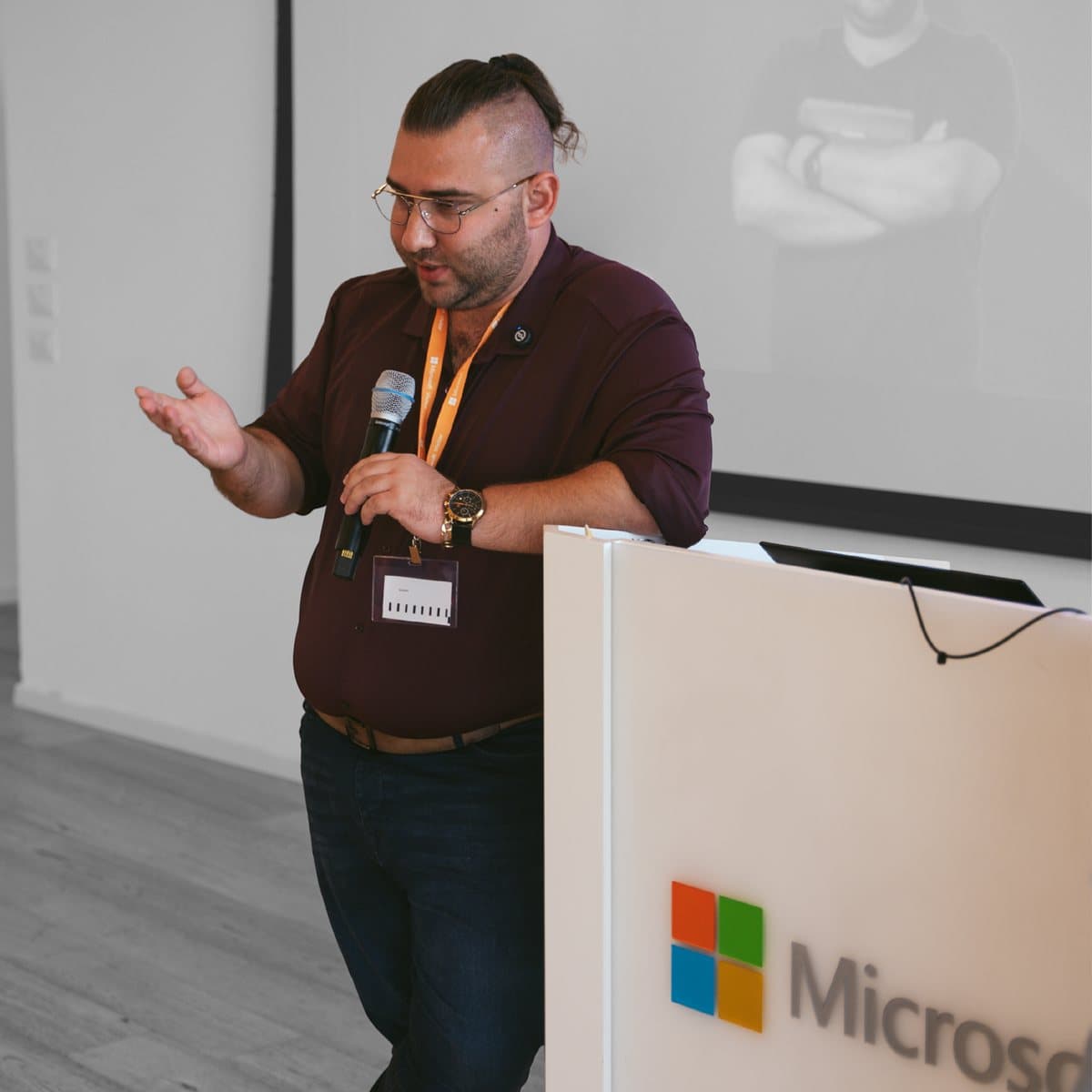
Speaking at Microsoft
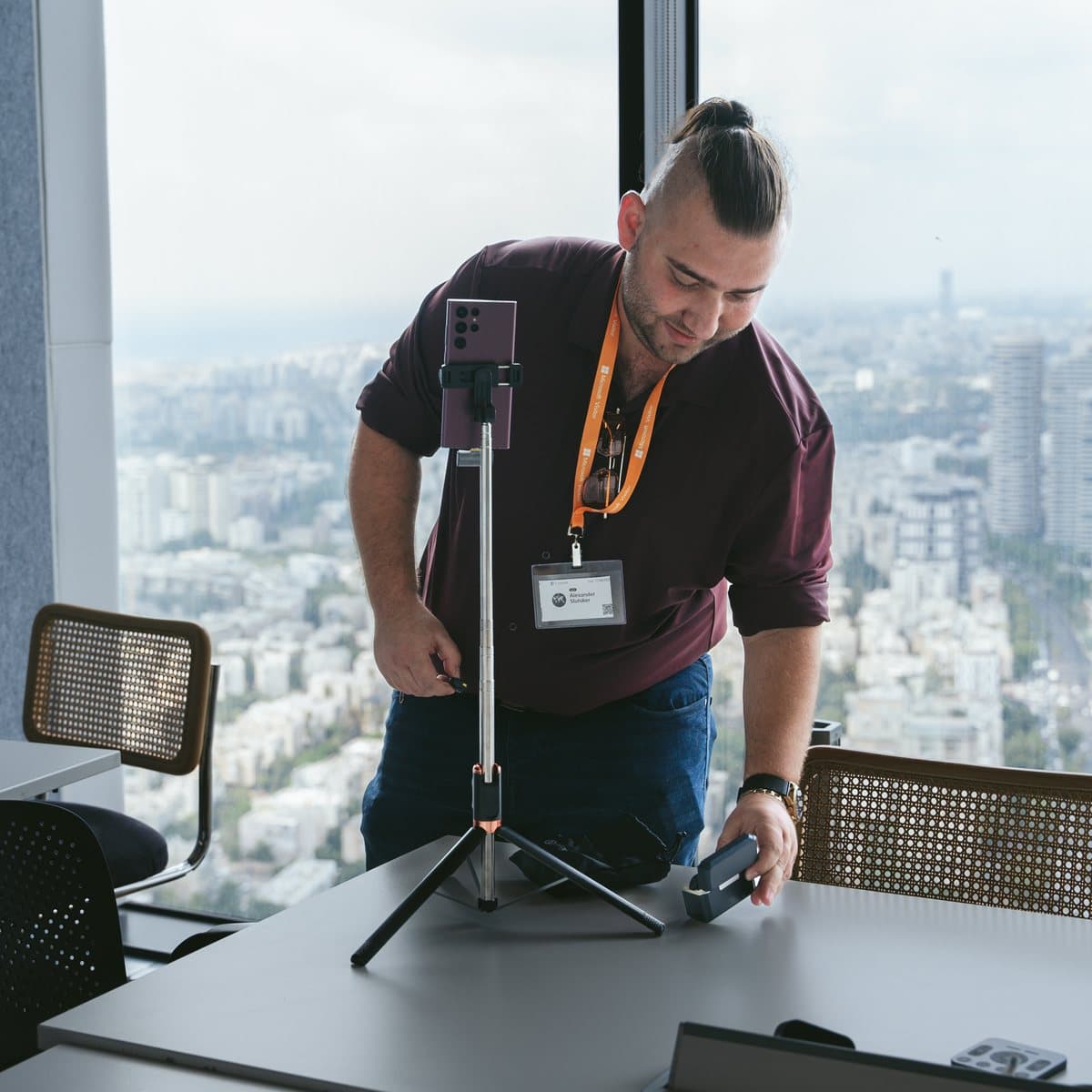
Meeting with international teams, as part of work with a startup
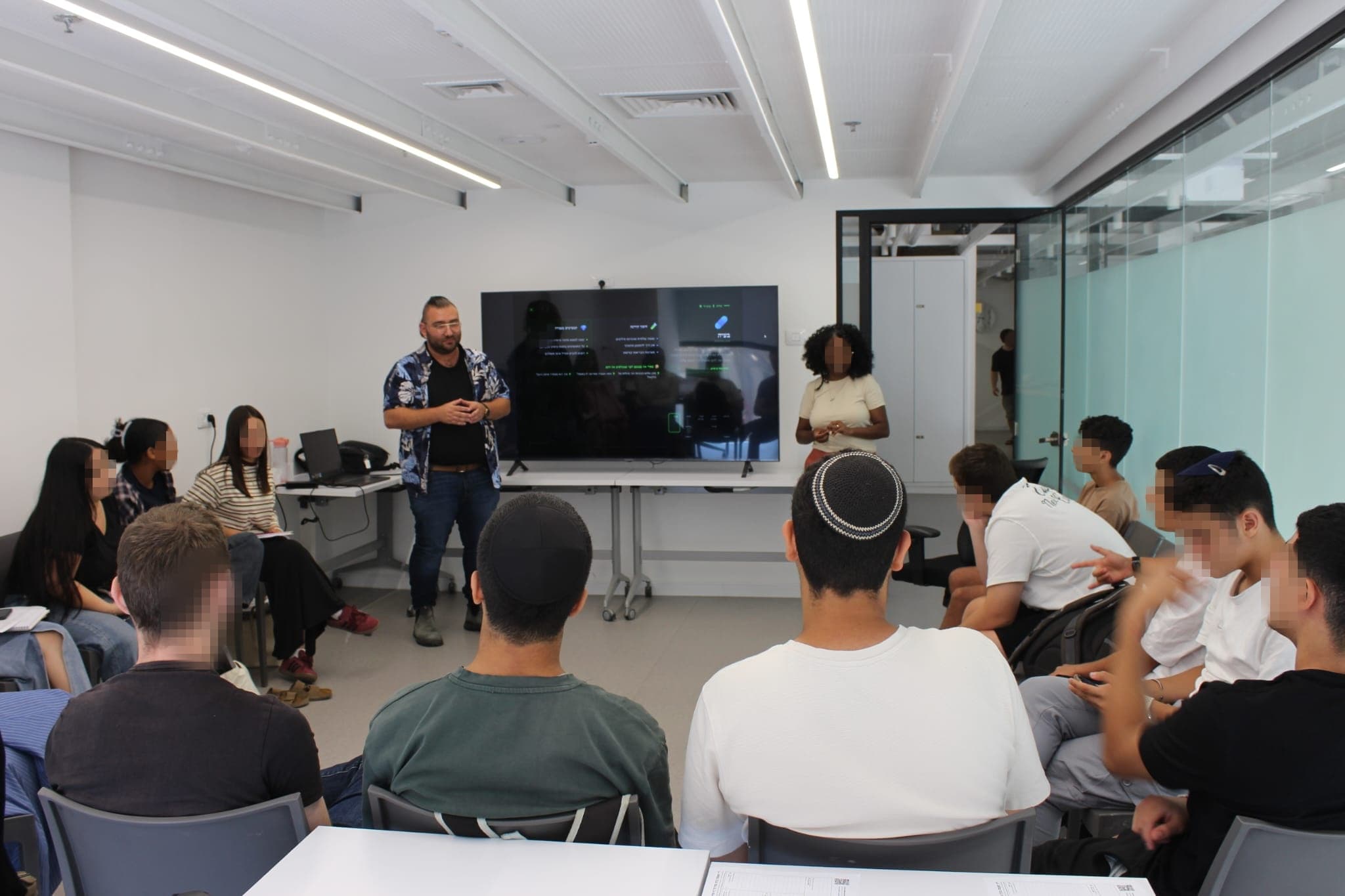
Teenovation, Meital centre Sderot
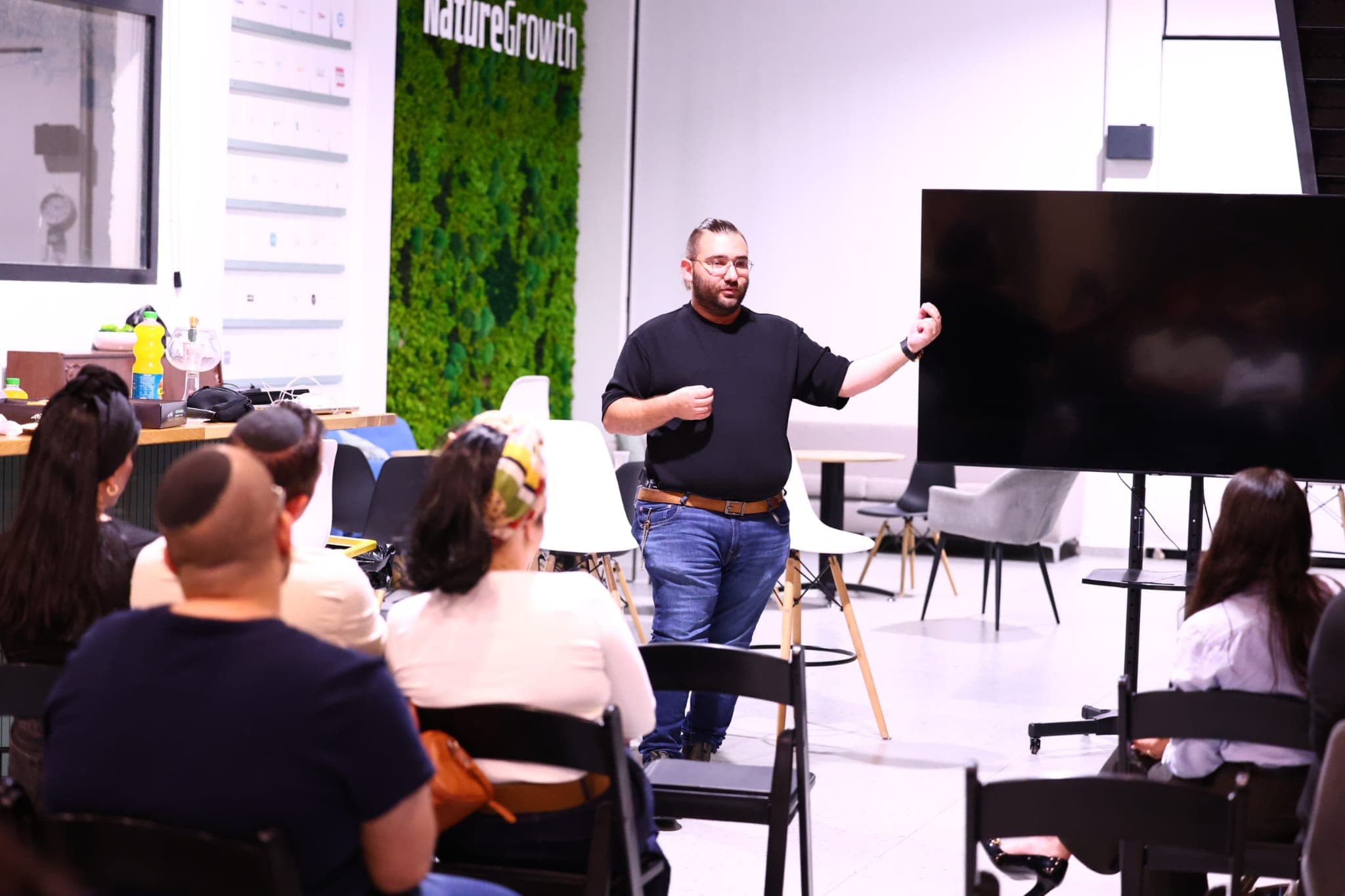
Entrepreneurs session, Sderot
I have worked with
- Google for Startups
- House of Business, Sderot Municipality
- Microsoft Reactor
- GameReady
- Eclipse Capital
- SderoTech
- IUCEL
- Resilience & Health Innovation Hub
- International Resilience Institute of Sderot

















- Google for Startups
- House of Business, Sderot Municipality
- Microsoft Reactor
- GameReady
- Eclipse Capital
- SderoTech
- IUCEL
- Resilience & Health Innovation Hub
- International Resilience Institute of Sderot
What Clients Say
From different fields, at different stages of business
Dan Manto
Eclipse Capital
Real Estate Investment and Finance, USA
Arty McLabin
GameReady
Game Development Education and Outsourcing, International

Anna
Beautician
After I finished a cosmetology course at a leading company, I was confused. I didn't know how to open a business, what to sell from home, or how to bring in clients. Since I reached out to Mobius, everything has changed. We built an organized plan with clear steps and no unnecessary risks. Today I see results, and I'm growing and developing every month.

Mark
Massage therapist, Gan Yavne
When I finished a massage course, I imagined a different world. I found out it's a hard field, and financial stability isn't easy to find. When I came to Mobius, something changed. We started an organized process and built a business plan. Without Mobius? I probably would have given up. Today I believe in myself and in my own path.
And the paperwork, for anyone who wants to see that too.

Certificate of appreciation, Sderot municipality
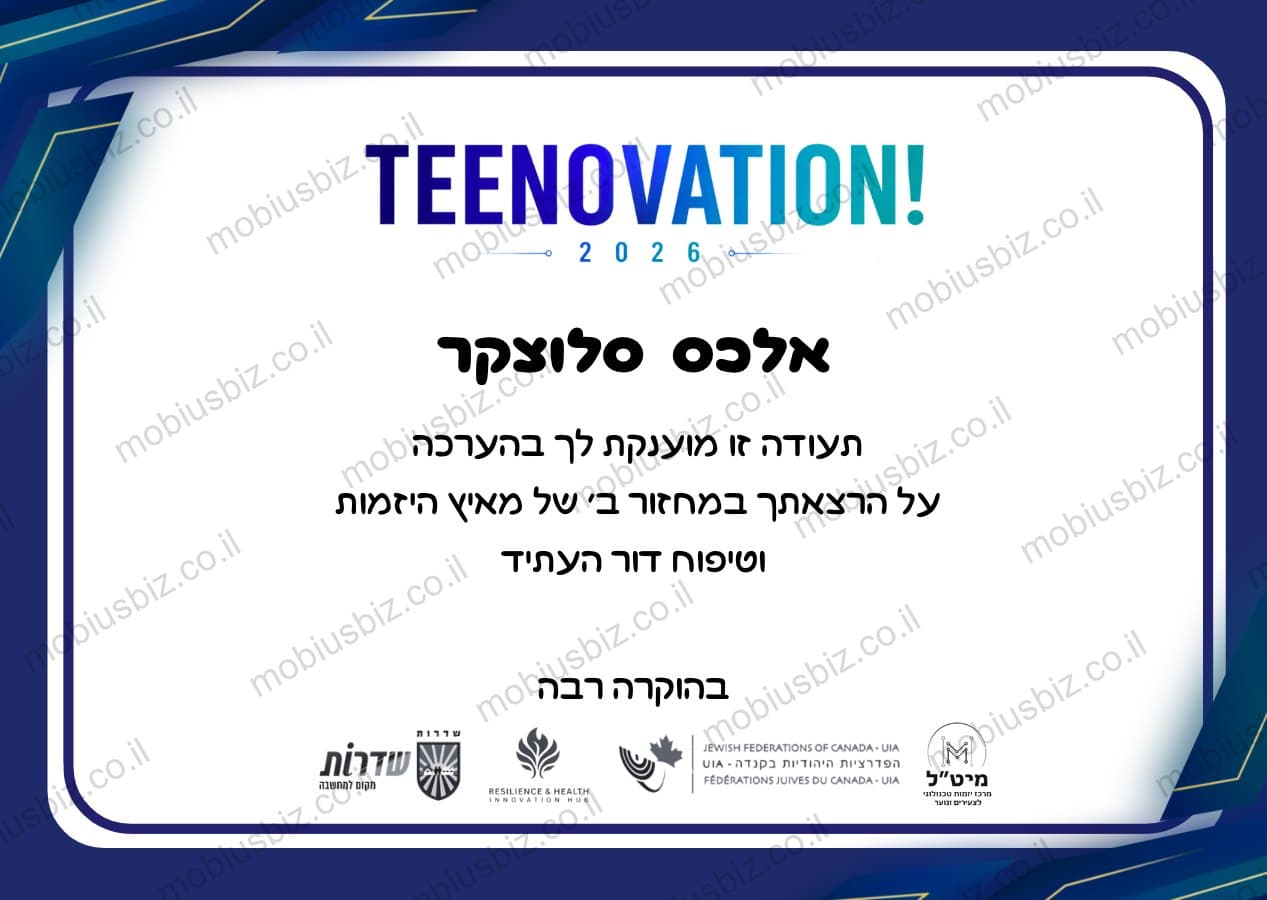
Certificate of honor, Teenovation 2026

Directors and officeholders course, SRI Campus
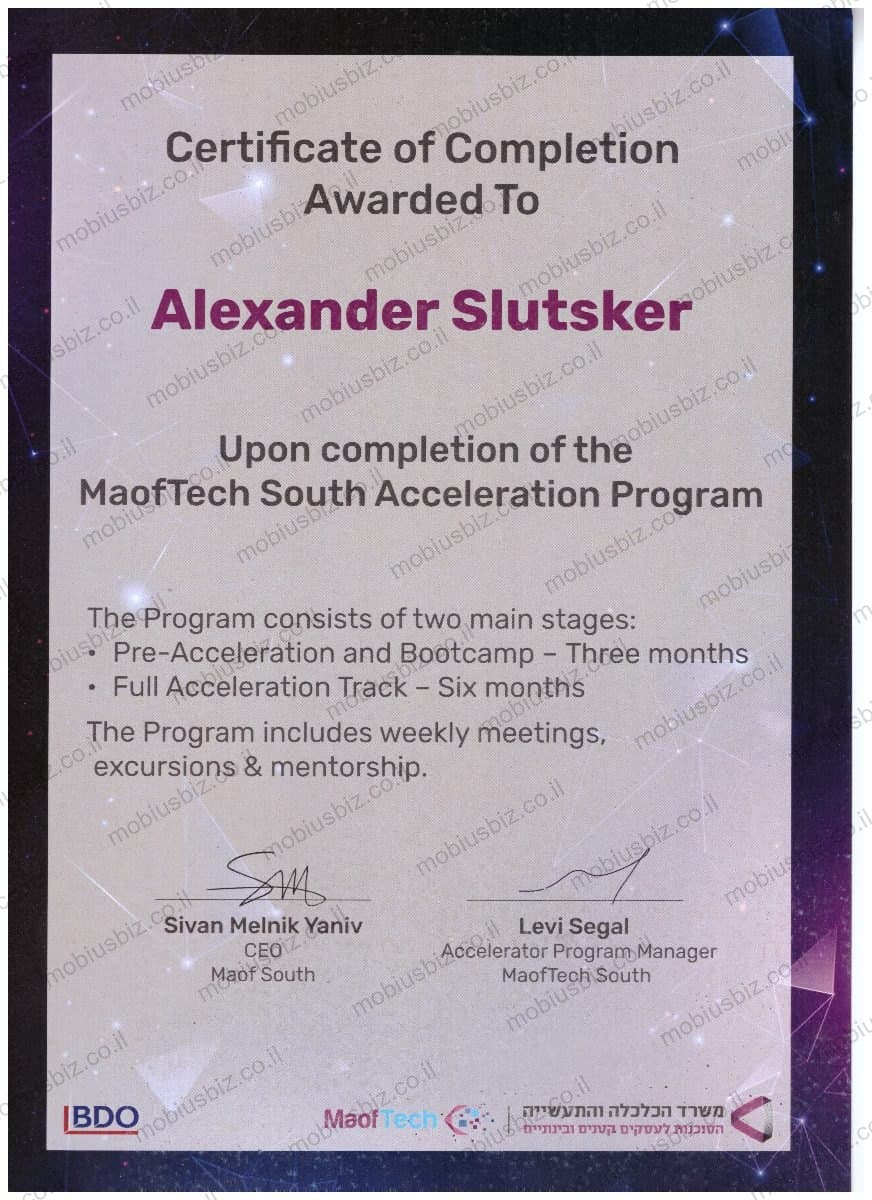
Acceleration program, MaofTech South
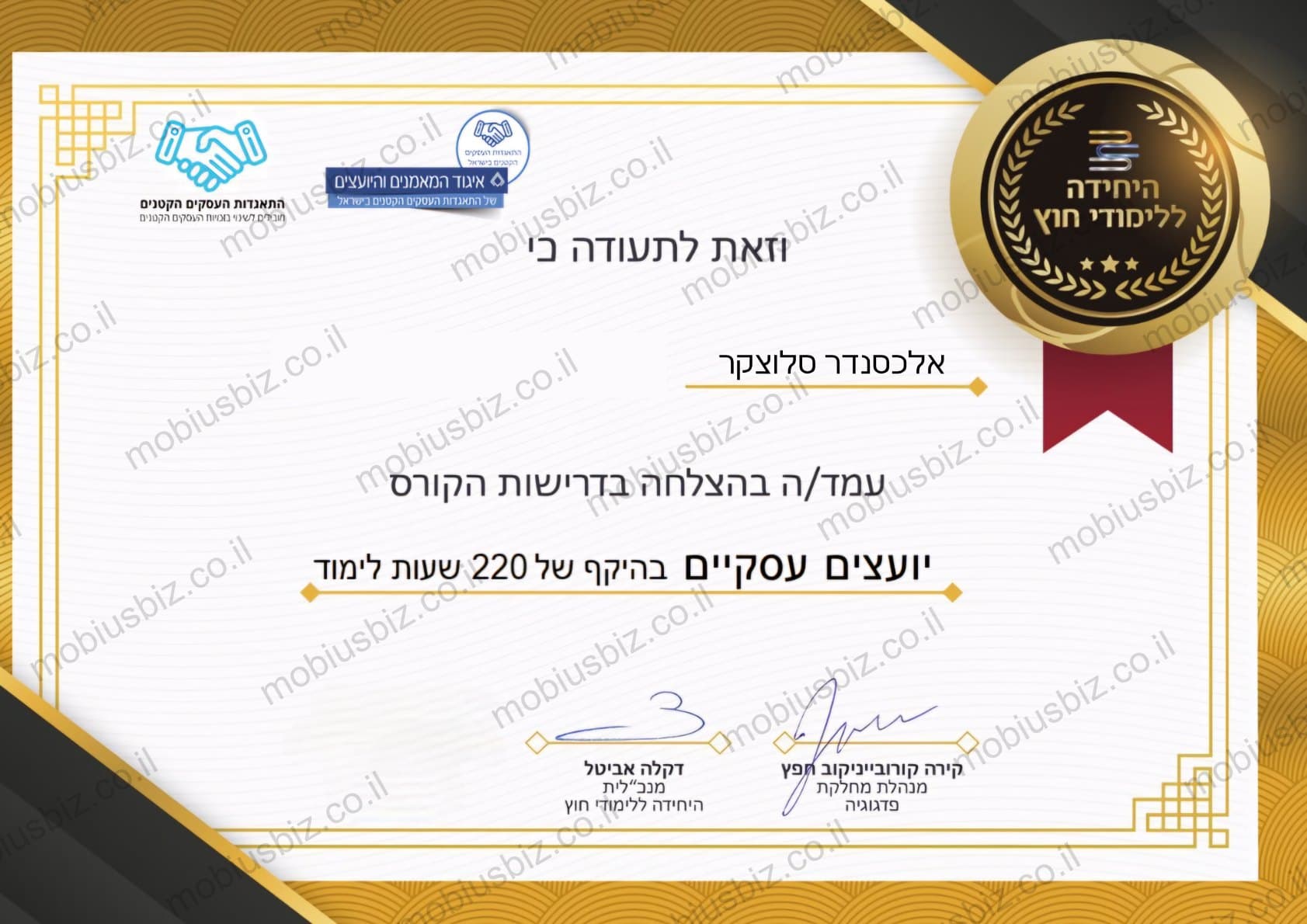
Business consultants course
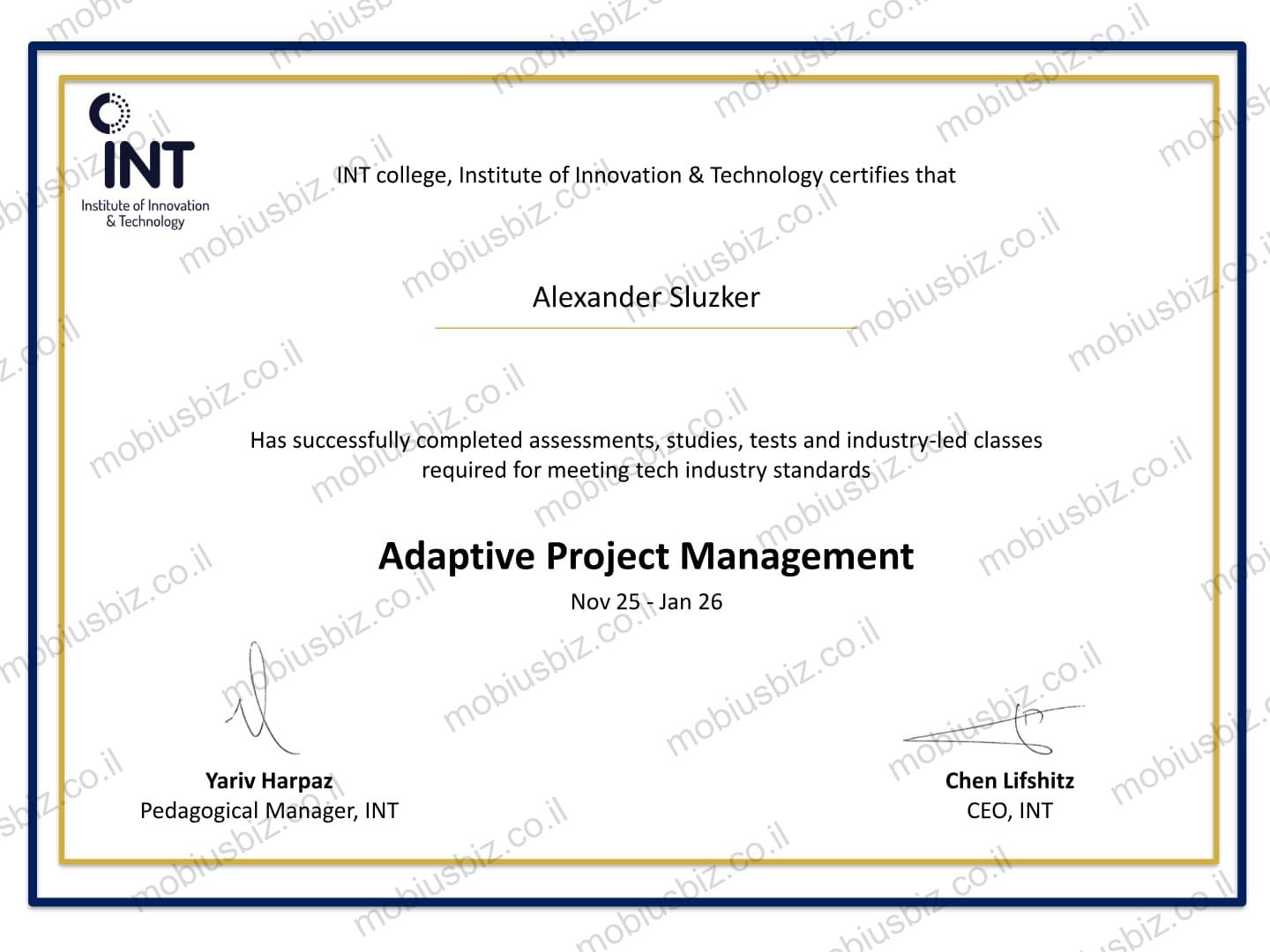
Adaptive project management, INT college
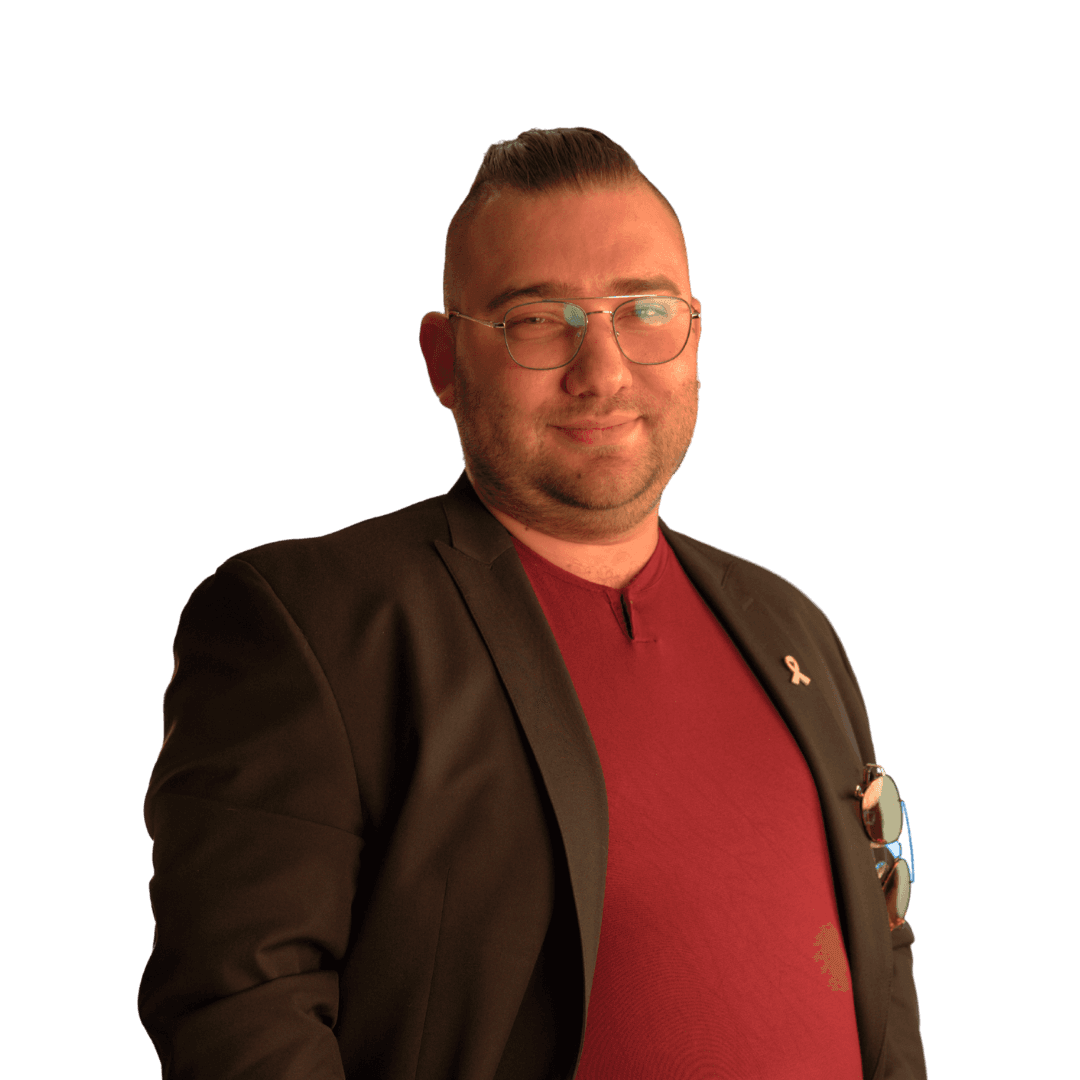
Business, Marketing, Operations & Financial Consultant
Mobius
Alexander Slutsker
9+Years of experience in business consulting
I help entrepreneurs, self-employed people, small businesses and startups understand their own numbers, choose what to do first and grow from there.
Book a Free Call+972 055-248-6151. Better on WhatsApp: I am in meetings most of the day and answer as soon as I am free. Other ways to reach me
We can talk in English, Hebrew or Russian.