What a Startup Actually Is (Not Just a Small Business)
A startup is a temporary organization searching for a repeatable, scalable business model. Here is how that differs from a small business, and why it matters.
What is scaling
Scaling is growth in which revenue rises faster than costs, so each extra customer adds more profit.
Illustration
Growing or scaling, in one clinic
- Revenue
- Costs when growing
- Costs when scaling
Growing: profit₪30,000, 25%
Scaling: profit₪55,000, 46%
At 400 treatments a month revenue is ₪120,000. Growing costs ₪90,000 and keeps ₪30,000 (25%). Scaling costs ₪65,000 and keeps ₪55,000 (46%). Each extra treatment keeps ₪75 when growing, ₪200 when scaling.
A startup is a temporary organization built to search for a business model that is repeatable and can scale, meaning it can grow far beyond its founders. That definition comes from Steve Blank, and the key word is search. A startup does not yet know how it makes money reliably, it is running experiments to find out. That single idea separates it from a small business, and it changes almost everything about how you should behave.
The word gets used loosely, which causes real damage. Founders raise money, hire, and spend as if they are running a proven company, when they are still guessing. Understanding what a startup actually is, and is not, is the cheapest risk management there is.
What a startup actually is
A startup is a search, not a smaller version of a big company. Its job is to turn guesses into evidence: who exactly has this problem, will they pay, will they come back, and can we serve the next customer without our costs rising just as fast. Until those questions have real answers, everything is a hypothesis.
The organization is temporary on purpose. It is not meant to stay a startup, it is meant to find a working, scalable model and then become a normal company that runs that model. Staying in permanent search mode is not success. It is the mark of a company that never found its footing.
Startup or small business? The difference decides your whole approach
A small business executes a known model from day one. A bakery knows people buy bread, a plumber knows homes need pipes fixed. The model is proven, the work is running it well. That is hard and honorable, and most businesses are this.
A startup does not have that certainty. It is looking for a model that both repeats and scales, and it accepts a high chance of failure in exchange for the chance to grow very large. Neither is better. But the approaches are opposite: a small business optimizes a known machine, a startup runs cheap experiments to find the machine. Use small business habits in a startup and you move too slowly. Use startup habits in a small business and you burn cash you never needed to spend.
"Startup" is a phase, not a status
Calling your business a startup does not make it more valuable, and reaching for the label can pull you into the wrong game. If you already have a profitable local business, dressing it up as a startup and raising money to grow fast can trade a good, controlled business for a risky race you did not need to run.
The honest question is not "is this cool enough to be a startup?" It is "am I searching for a repeatable, scalable model, or running one I already have?" Answer that plainly and the right choices get clearer. The label should follow the reality, not the other way around.
The real work: turning guesses into evidence, cheaply
Because a startup is a search, its main skill is learning fast without spending much. Before building the whole product, you test the risky assumptions: talk to the people who supposedly have the problem, offer the thing before it fully exists, and watch what they actually do rather than what they say.
This is why building for a year in secret is so dangerous. It spends the most money on the least-tested guess. The disciplined path runs small, quick tests, treats each result as information, and changes direction when the evidence says so. A pivot (a change of direction based on what you learned) is a normal move here, not an admission of failure.
Scale is the word that matters most
Repeatable is only half of it. The other half is scalable (able to grow revenue much faster than costs). A model scales when serving one more customer costs far less than the value it brings, so growth does not require your costs to grow at the same pace.
Software scales well because the extra user is nearly free. A consulting service where each new client needs another senior expert scales poorly, no matter how good it is. Neither is wrong, but only one supports the startup game of growing large fast. If your model needs a new expensive input for every new customer, be honest that you may be building an excellent business, not a scalable startup.
What it costs to blur the line
The expensive mistake is always the same: scaling before finding the model. Hiring a team, signing a long lease, and buying ads to pour customers into an offer that has not yet proven it repeats. It feels like progress. It is spending real money to accelerate a guess.
When the guess turns out wrong, and often it does, the cost is not just the failed idea, it is the burn rate (monthly cash spend) that went into acting as if the guess were a fact. Founders who keep the search cheap until they see traction (real, repeatable proof that customers want it) survive to try again. Those who scale on hope usually do not.
The order that actually works
- Write the guesses down. Who has the problem, what they will pay, why they will return, and why this can scale. These are hypotheses, not facts.
- Test the riskiest one first, cheaply. Talk to real potential customers, sell before you build, look for behavior not compliments.
- Watch for traction, not applause. A repeating pattern of demand beats one impressive sale.
- Pivot or persevere on evidence. Change direction when the tests say so, keep going when they support you.
- Only then scale. Once the model repeats and scales on paper and in early reality, add the money, the people, and the speed.
Most failure comes from starting at step five. Get steps one to four right and step five is where the real value gets created. Skip them and step five is just a faster way to run out of cash.
Going through these steps in order, with an outside eye on the evidence, is what consulting for startups is for. I also teach this difference to founders in my lecture on what sets startups apart from small businesses.
When you should not hire a consultant
If you are already testing cheaply, reading the evidence honestly, and only spending ahead of proof when the math genuinely supports it, you may not need outside help, and a good consultant will tell you so rather than sell you a process.
Where outside help makes the difference is at the moments of self-deception: when you are about to spend real money on an untested assumption, or when you cannot tell whether a faint signal is a dead end or an early yes. There, an outside view helps you design honest tests and read them without the founder's optimism. As a business consultant, I would rather help you drop a bad idea after one conversation than watch you fund it for a year. If you are at one of those moments, talk it through with me.
Sources
- Steve Blank, the definition of a startup as "a temporary organization designed to search for a repeatable and scalable business model," and the search versus execution distinction.
- Steve Blank and Bob Dorf, "The Startup Owner's Manual," and the customer development approach of testing business-model hypotheses before scaling.
The content on this blog is general information only and is not a recommendation to act. It is not business, legal, tax, or financial advice. Before making any decision, consult a qualified professional, such as an accountant, a lawyer, or a business advisor, about your specific situation.
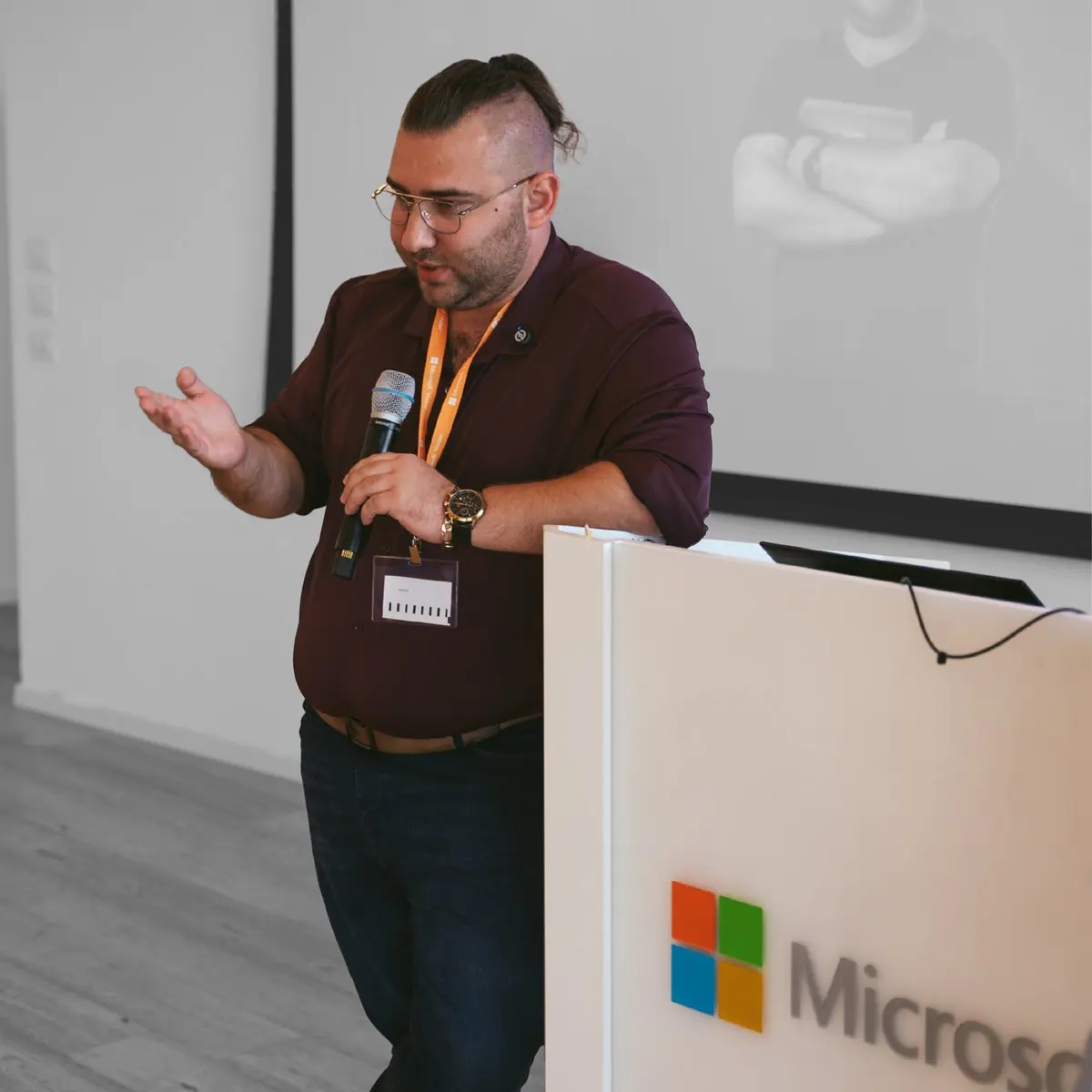
Speaking at Microsoft

Meeting with international teams, as part of work with a startup
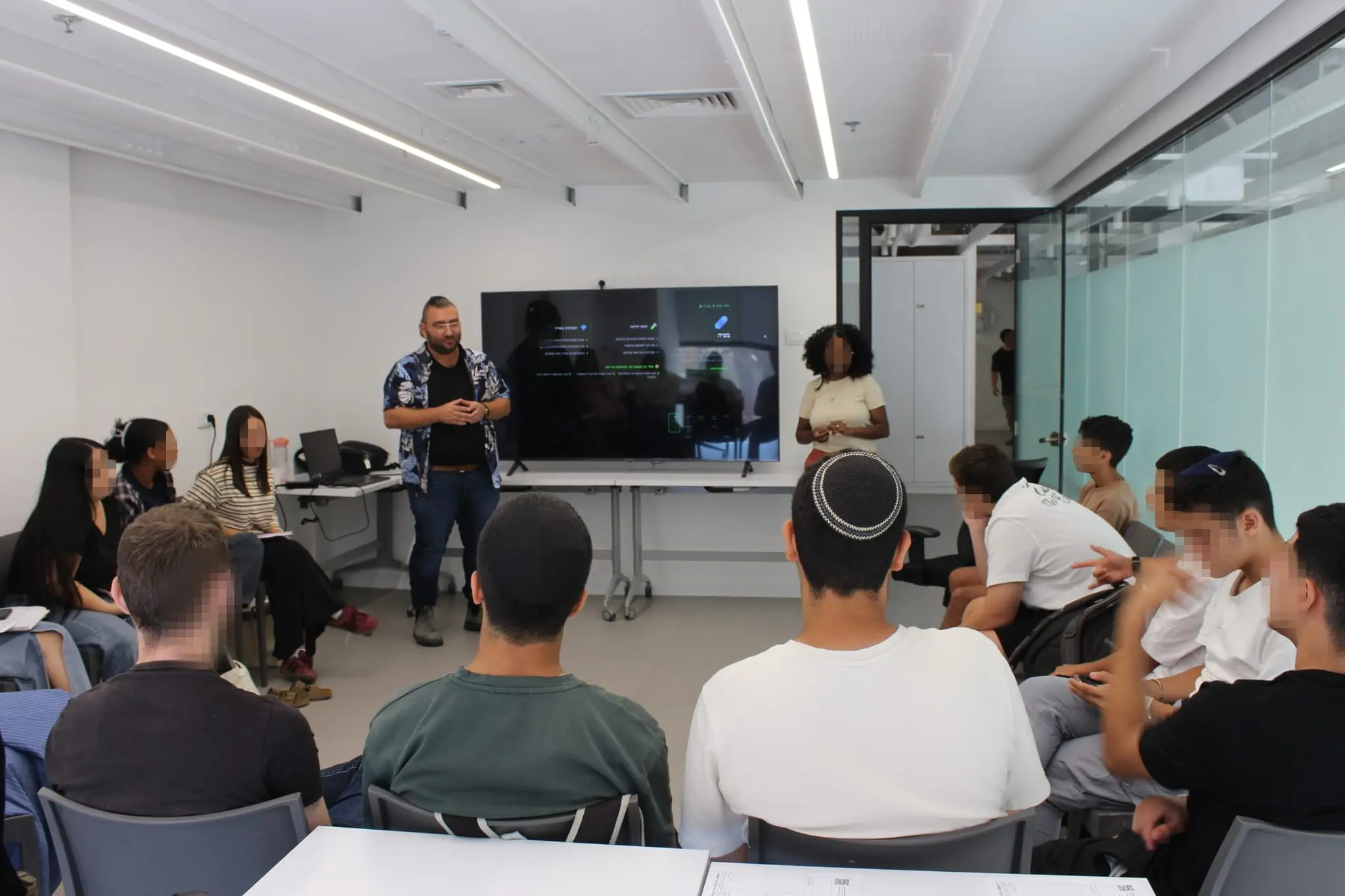
Teenovation, Meital centre Sderot
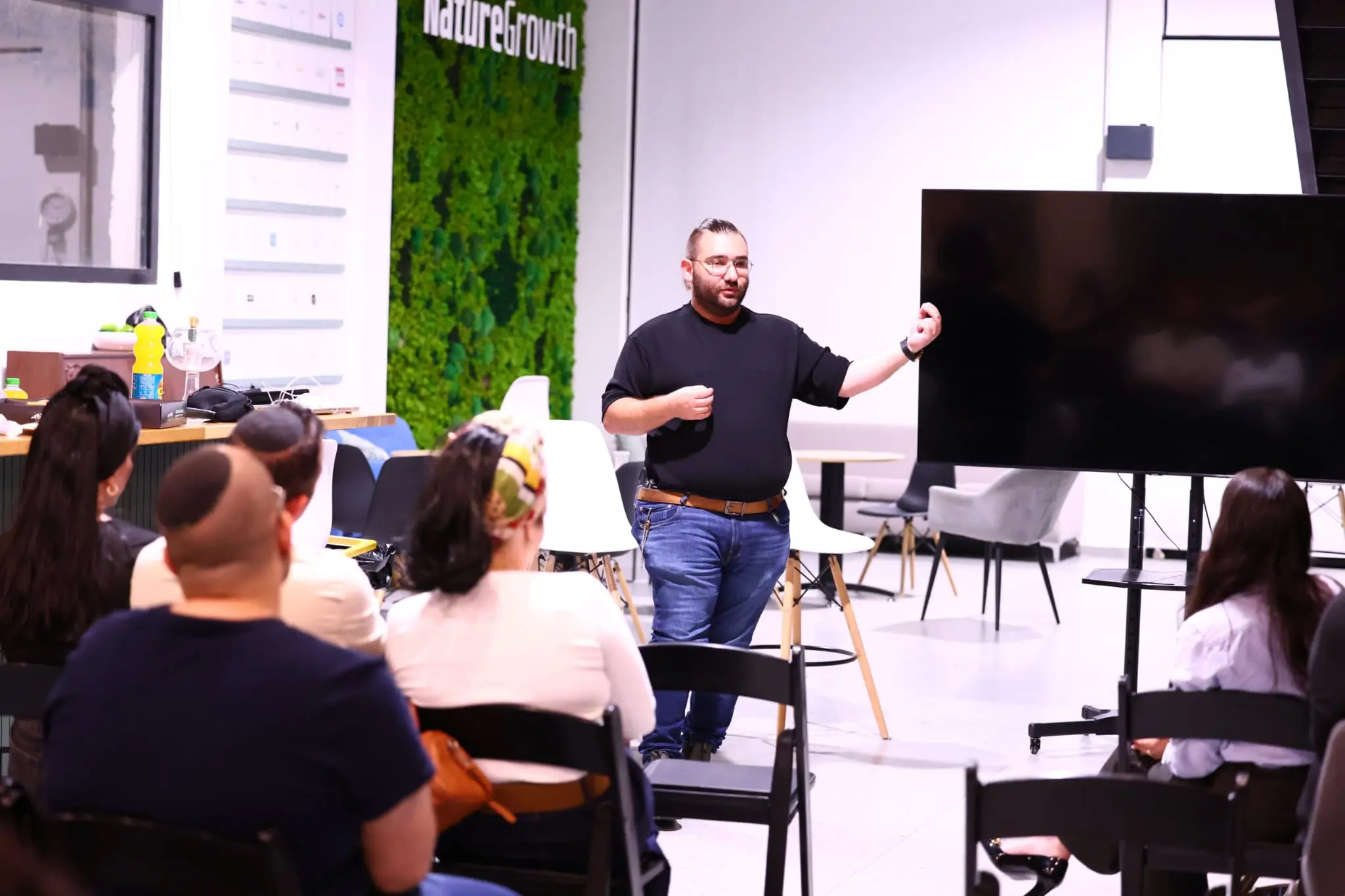
Entrepreneurs session, Sderot
I have worked with
- Google for Startups
- House of Business, Sderot Municipality
- Microsoft Reactor
- GameReady
- Eclipse Capital
- SderoTech
- IUCEL
- Resilience & Health Innovation Hub
- International Resilience Institute of Sderot














- Google for Startups
- House of Business, Sderot Municipality
- Microsoft Reactor
- GameReady
- Eclipse Capital
- SderoTech
- IUCEL
- Resilience & Health Innovation Hub
- International Resilience Institute of Sderot
What Clients Say
From different fields, at different stages of business
Dan Manto
Eclipse Capital
Real Estate Investment and Finance, USA
Arty McLabin
GameReady
Game Development Education and Outsourcing, International

Anna
Beautician
After I finished a cosmetology course at a leading company, I was confused. I didn't know how to open a business, what to sell from home, or how to bring in clients. Since I reached out to Mobius, everything has changed. We built an organized plan with clear steps and no unnecessary risks. Today I see results, and I'm growing and developing every month.

Mark
Massage therapist, Gan Yavne
When I finished a massage course, I imagined a different world. I found out it's a hard field, and financial stability isn't easy to find. When I came to Mobius, something changed. We started an organized process and built a business plan. Without Mobius? I probably would have given up. Today I believe in myself and in my own path.
And the paperwork, for anyone who wants to see that too.

Certificate of appreciation, Sderot municipality

Certificate of honor, Teenovation 2026

Directors and officeholders course, SRI Campus
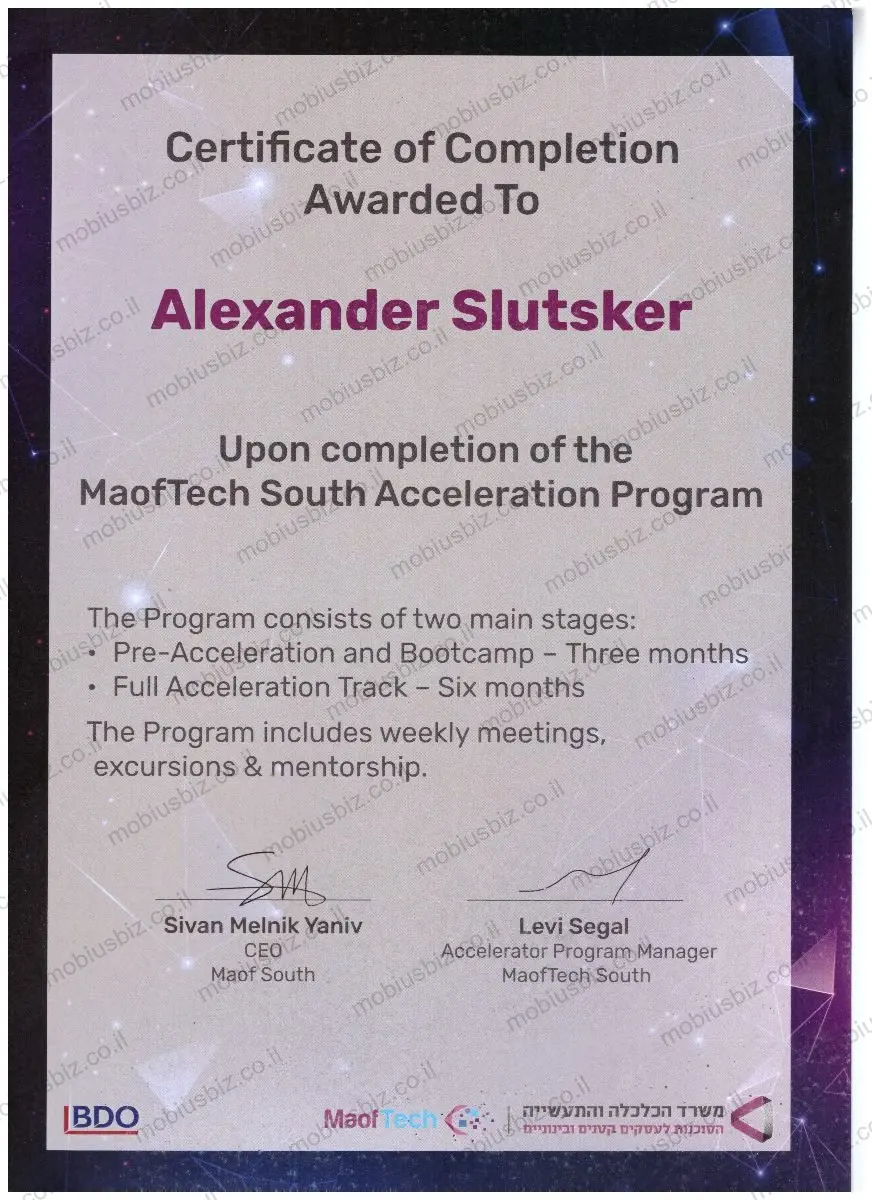
Acceleration program, MaofTech South

Business consultants course
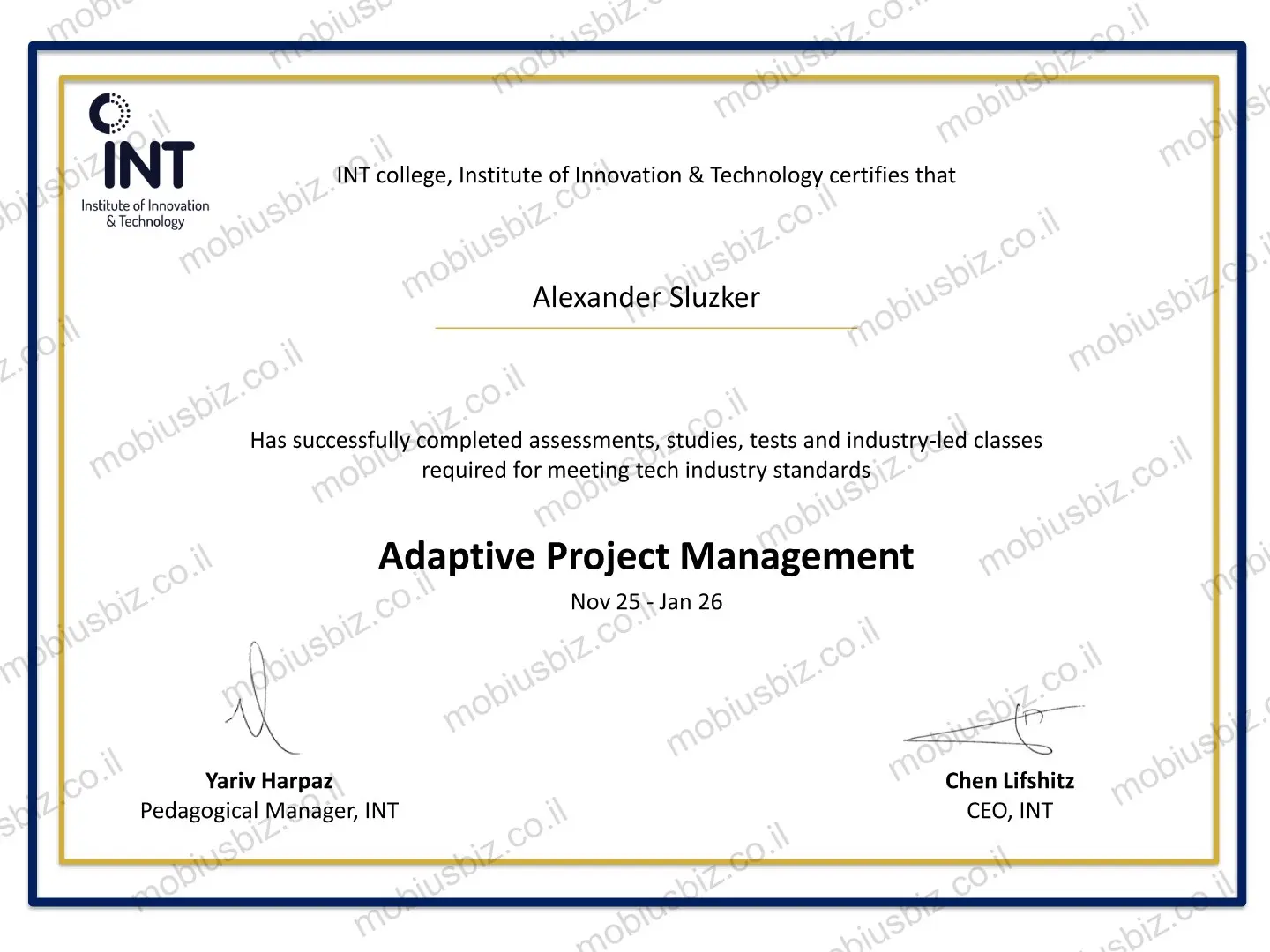
Adaptive project management, INT college
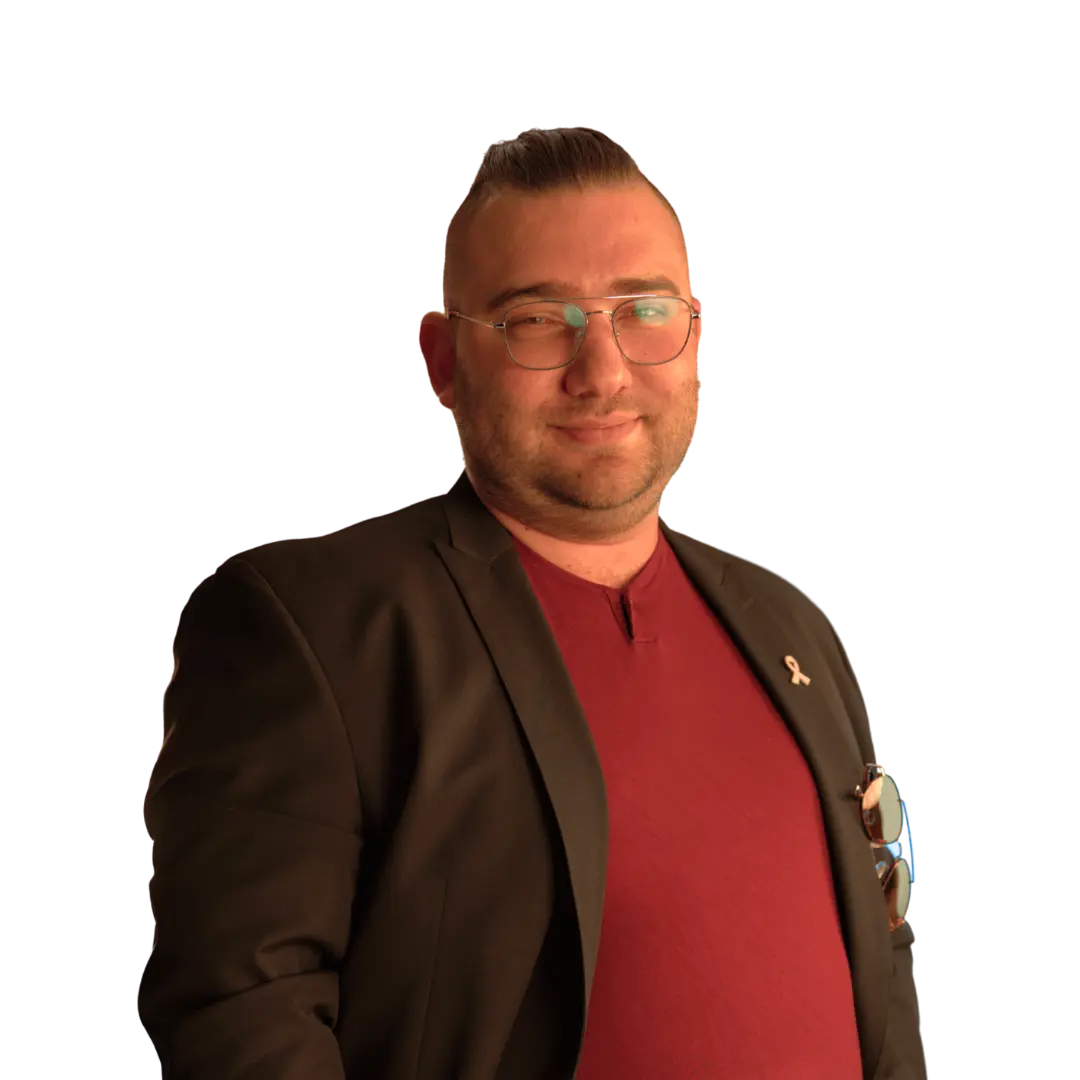
Business, Marketing, Operations & Financial Consultant
Mobius
Alexander Slutsker
9+Years of experience in business consulting
I help entrepreneurs, self-employed people, small businesses and startups understand their own numbers, choose what to do first and grow from there.
Book a Free Call+972 055-248-6151. Better on WhatsApp: I am in meetings most of the day and answer as soon as I am free. Other ways to reach me
We can talk in English, Hebrew or Russian.