The MVP Trap: Build an Experiment, Not a Product
Why founders overbuild MVPs, how to choose the riskiest assumption, and how to test demand before months of product work.
What is an MVP
An MVP (minimum viable product) is the smallest version of a product real customers can use, built to learn whether they want it before you build all of it.
Illustration
The concierge test in numbers
Home physiotherapists who started10
Still using it at week 46 ÷ 10 = 60%
Agree to pay ₪150 a month3
What the learning cost
The four week test₪1,800
Building the software first, about₪120,000
An MVP (minimum viable product, a simple first version to test) is not supposed to contain every feature the founder imagines. It should answer one dangerous question before the company spends months building the wrong thing.
The MVP trap starts when a founder says "minimum viable product" and hears "small product." The better translation is "small experiment."
The Lean Startup principles frame the work as build, measure, learn, with a minimum viable product used to learn quickly. Harvard Innovation Labs also emphasizes demand validation through customer discovery, active search for solutions, budget, and tests that show behavior rather than polite approval.
Name the riskiest assumption before building
Before choosing features, write the assumption that can break the startup fastest.
Maybe the risk is not technology. Maybe the risk is that small businesses do not feel the pain often enough. Maybe the user likes the idea but the budget owner will not pay. Maybe the manual process looks painful, but customers are already solving it with a spreadsheet that is good enough.
If you do not name the assumption, you will build what feels impressive instead of what needs proof.
What overbuilding looks like
Picture a founder who spends most of a year building a platform for small businesses: reports, automations, task management, integrations, analytics, and several admin screens.
When users finally see it, many are confused. The product looks complete, but most potential customers wanted one recurring function. Worse, that core function is now harder to use, because it is surrounded by features that do not matter yet.
The money spent on extra features is only part of the damage. The bigger loss is that the main learning question has become harder to answer.
The fix is painful but useful: cut the product down to one core scenario, watch users try it, and offer a paid pilot around the specific job they actually want done.
Manual tests can be more honest than software
A real MVP does not always require code. A manual service, concierge process, prototype, demo, spreadsheet, or landing page can test demand faster.
If the question is whether customers will pay to save three hours per week, you may not need automation first. You may need five target customers, a simple offer, and a paid pilot where you do the work manually behind the scenes.
That is not cheating. It is learning before scaling (business growth).
Measure behavior, then decide
After the MVP, do not ask only whether people liked it. Ask:
- did they pay?
- did they return without reminders?
- did they use the key function?
- did they invite a colleague?
- did the buyer and user agree on value?
- did the result matter enough to continue?
If the answer is weak, the decision may be iterate, narrow, pivot, or stop. The goal is not to protect the first version. The goal is to avoid protecting a mistake.
For the next steps, read how to validate a startup idea, from idea to first customer, and business pivot timing.
Scoping the smallest test worth building is one of the first things consulting for early stage founders covers.
If you want a practical MVP scope before building for months, talk it through with me.
The content on this blog is general information only and is not a recommendation to act. It is not business, legal, tax, or financial advice. Before making any decision, consult a qualified professional, such as an accountant, a lawyer, or a business advisor, about your specific situation.
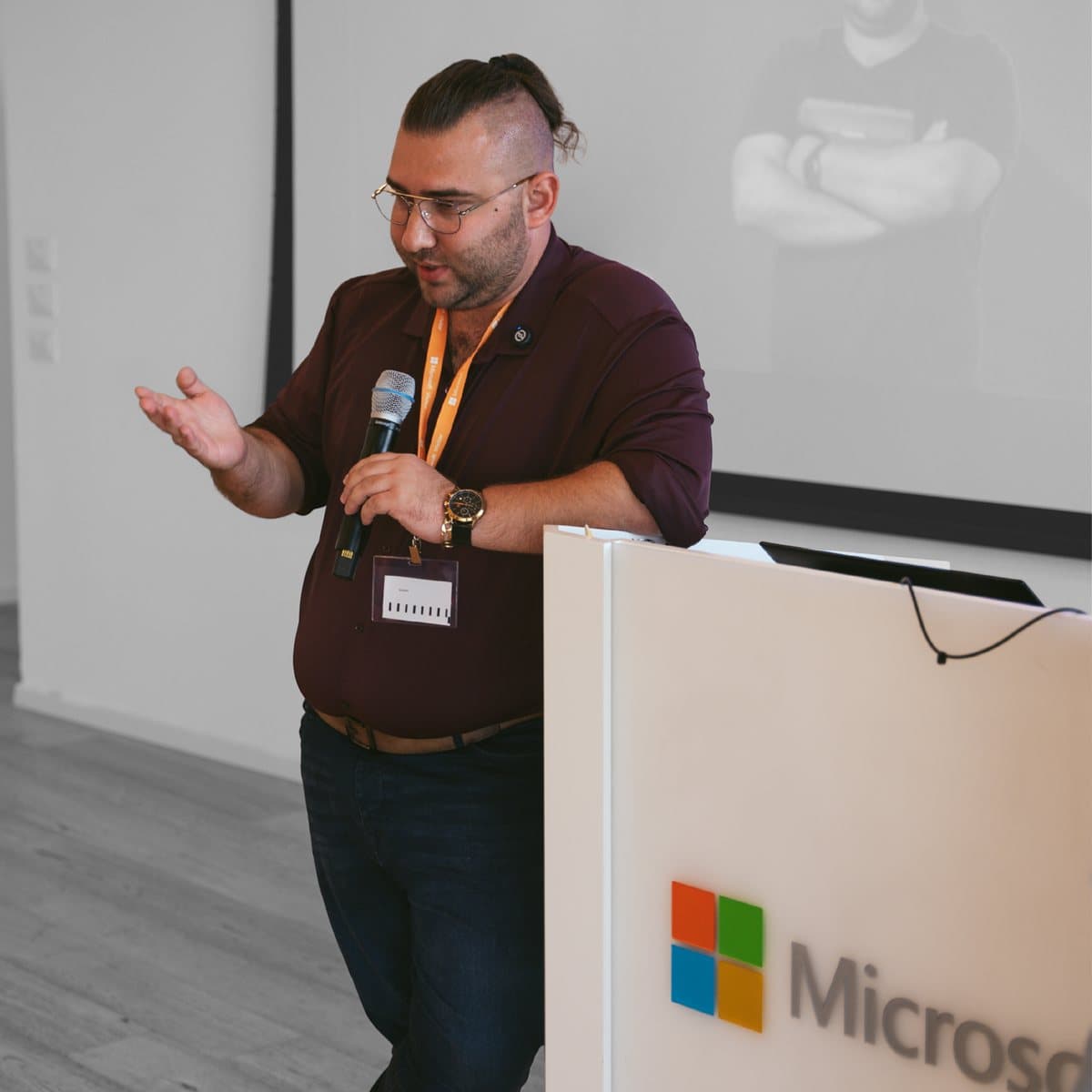
Speaking at Microsoft

Meeting with international teams, as part of work with a startup
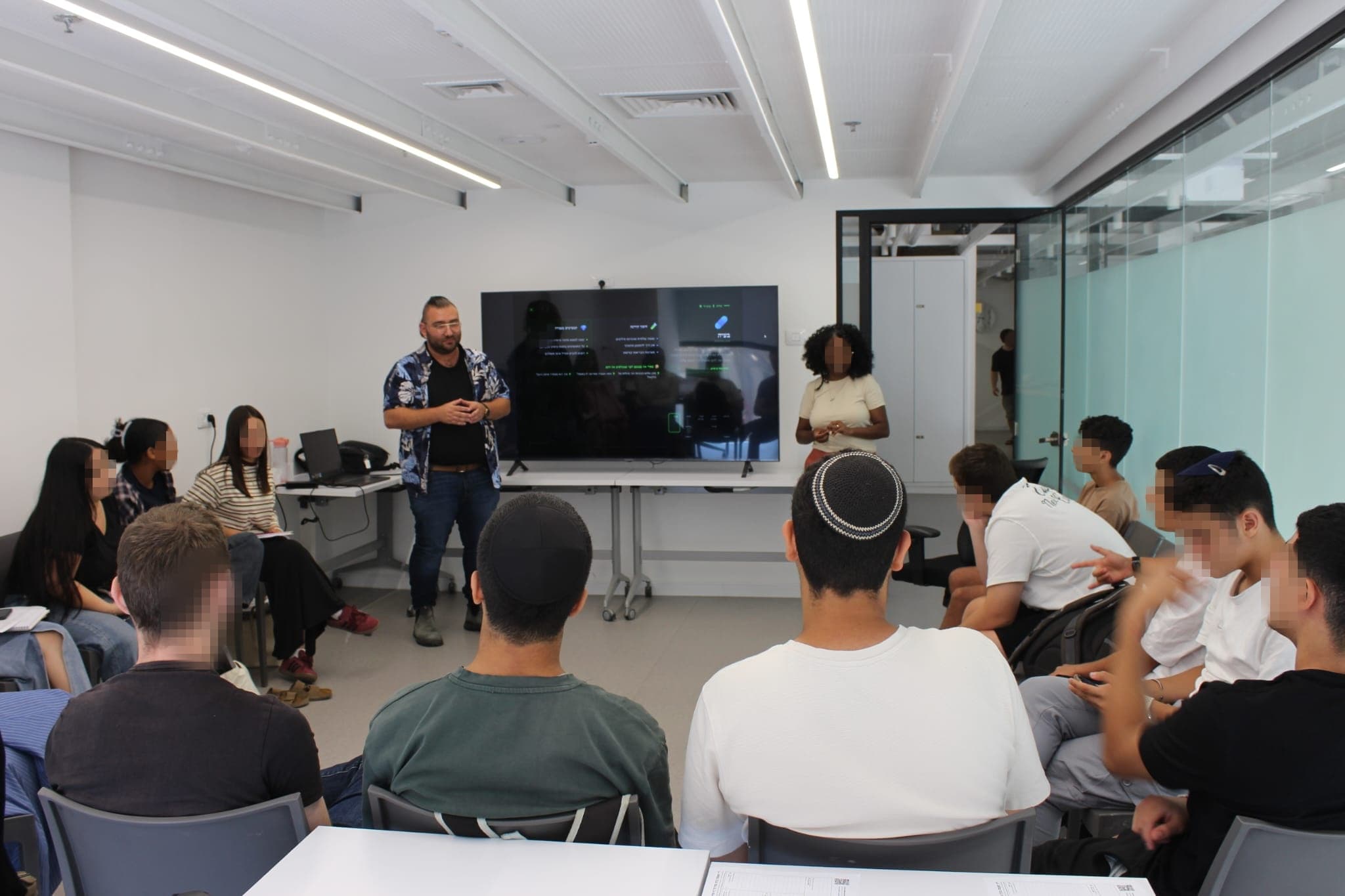
Teenovation, Meital centre Sderot
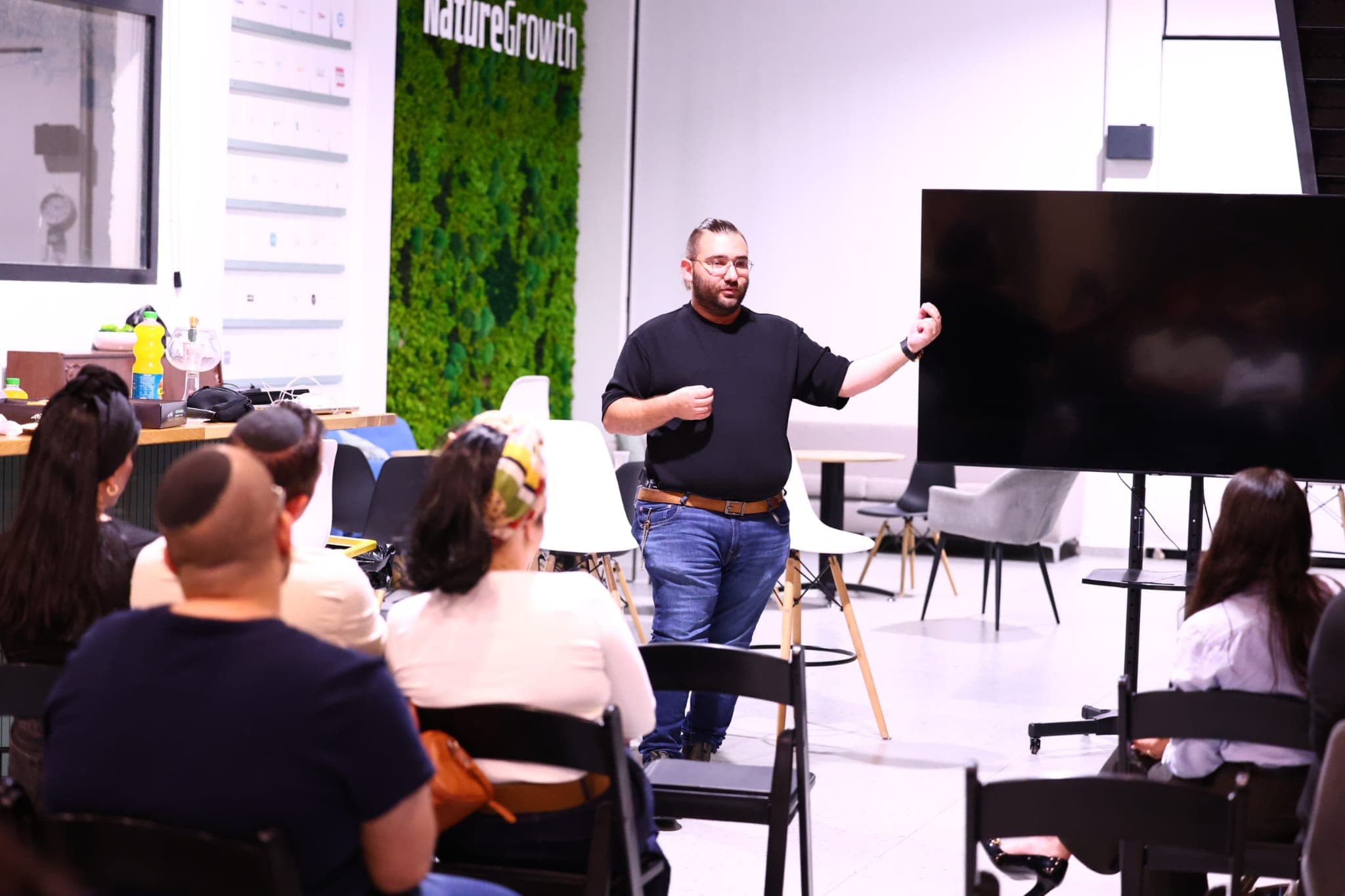
Entrepreneurs session, Sderot
I have worked with
- Google for Startups
- House of Business, Sderot Municipality
- Microsoft Reactor
- GameReady
- Eclipse Capital
- SderoTech
- IUCEL
- Resilience & Health Innovation Hub
- International Resilience Institute of Sderot













- Google for Startups
- House of Business, Sderot Municipality
- Microsoft Reactor
- GameReady
- Eclipse Capital
- SderoTech
- IUCEL
- Resilience & Health Innovation Hub
- International Resilience Institute of Sderot
What Clients Say
From different fields, at different stages of business
Dan Manto
Eclipse Capital
Real Estate Investment and Finance, USA
Arty McLabin
GameReady
Game Development Education and Outsourcing, International

Anna
Beautician
After I finished a cosmetology course at a leading company, I was confused. I didn't know how to open a business, what to sell from home, or how to bring in clients. Since I reached out to Mobius, everything has changed. We built an organized plan with clear steps and no unnecessary risks. Today I see results, and I'm growing and developing every month.

Mark
Massage therapist, Gan Yavne
When I finished a massage course, I imagined a different world. I found out it's a hard field, and financial stability isn't easy to find. When I came to Mobius, something changed. We started an organized process and built a business plan. Without Mobius? I probably would have given up. Today I believe in myself and in my own path.
And the paperwork, for anyone who wants to see that too.
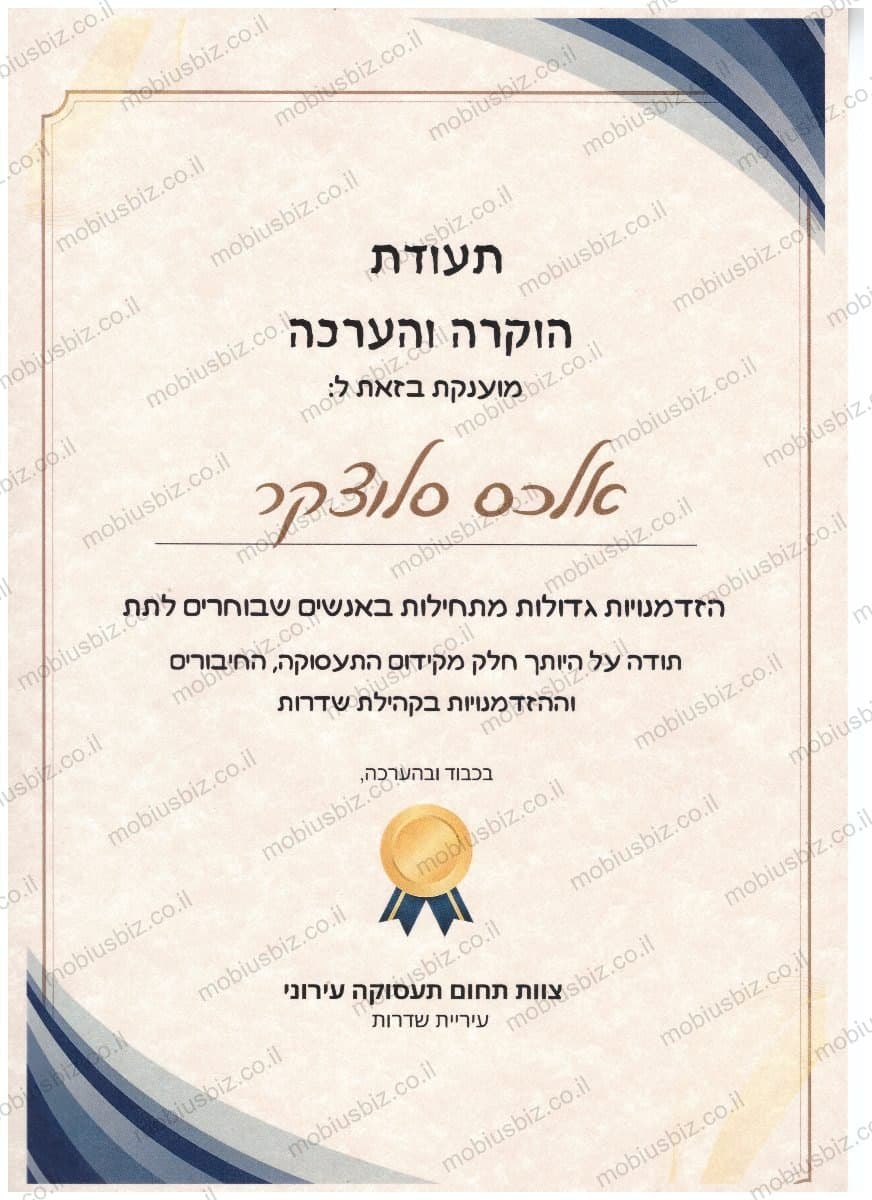
Certificate of appreciation, Sderot municipality
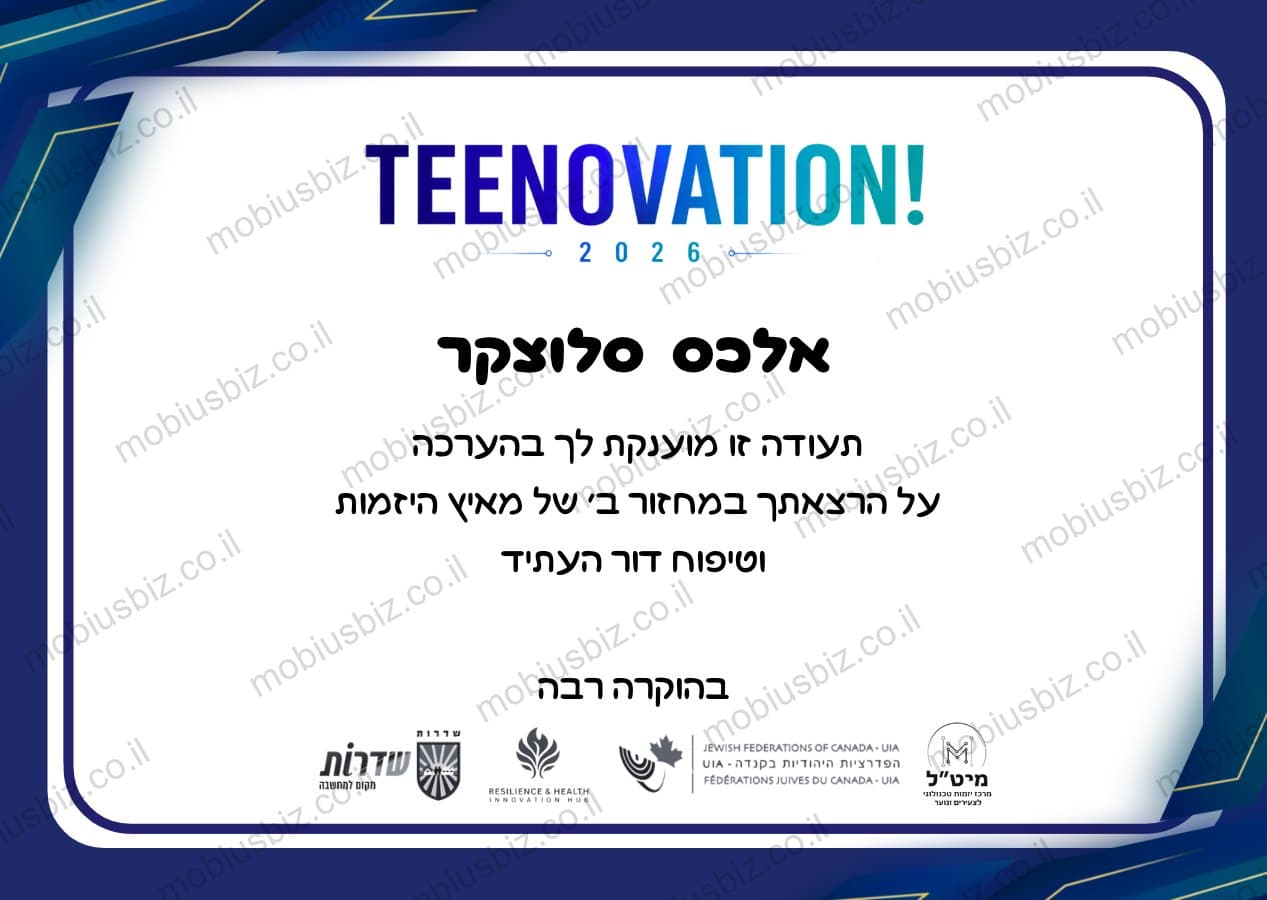
Certificate of honor, Teenovation 2026
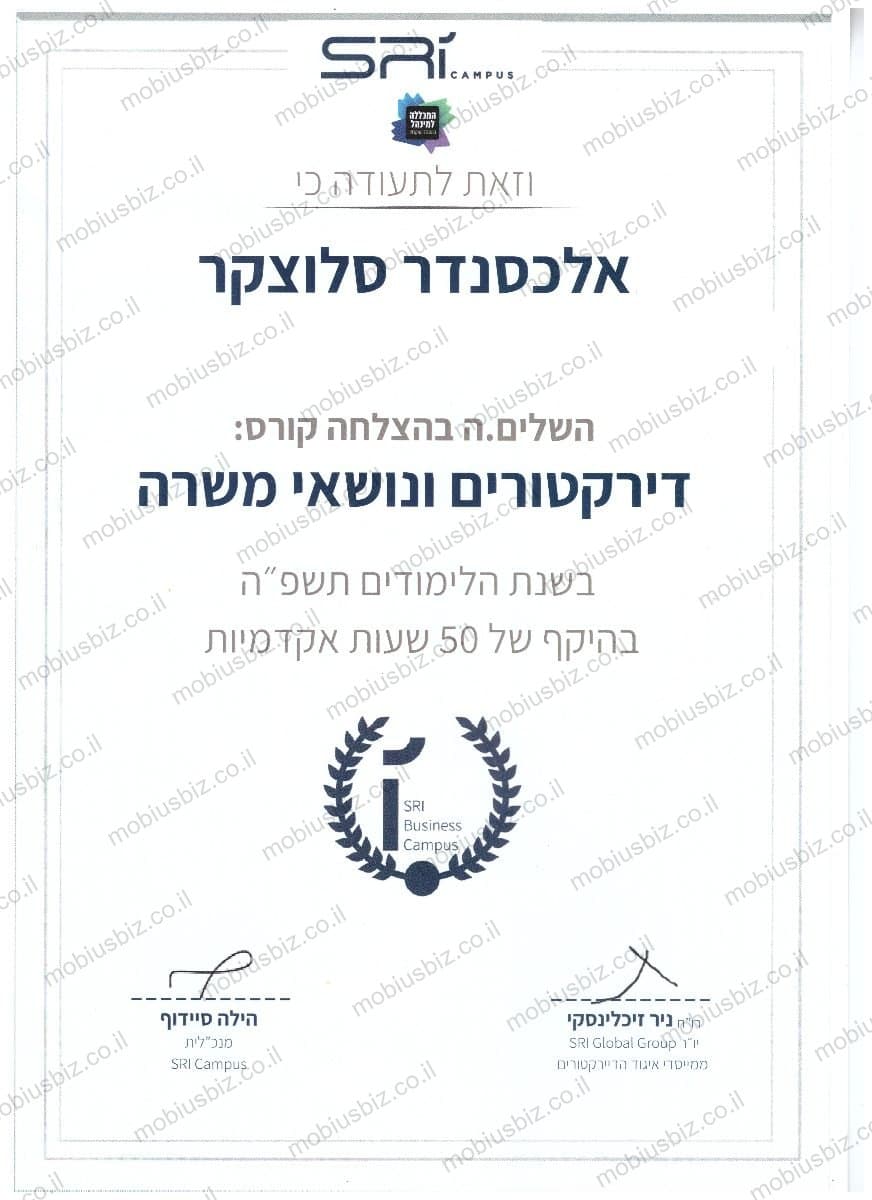
Directors and officeholders course, SRI Campus
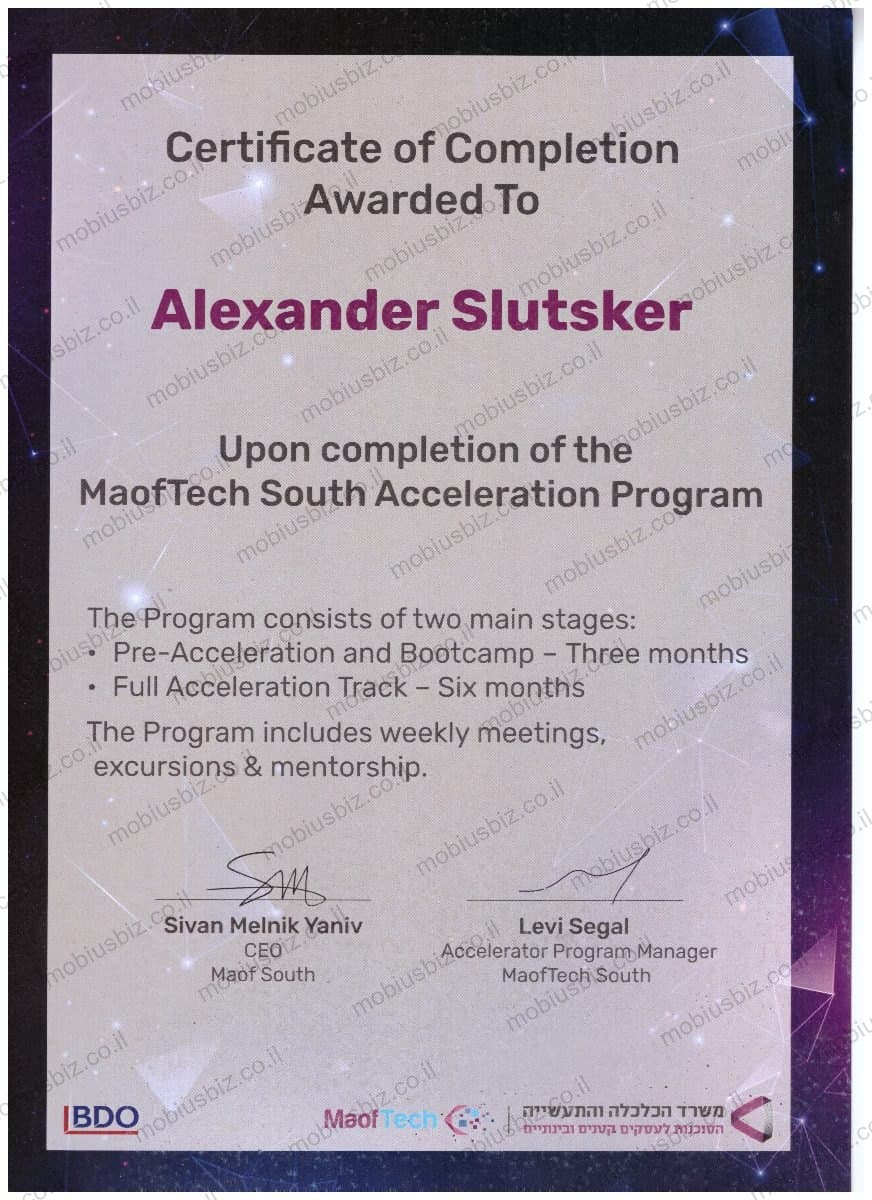
Acceleration program, MaofTech South
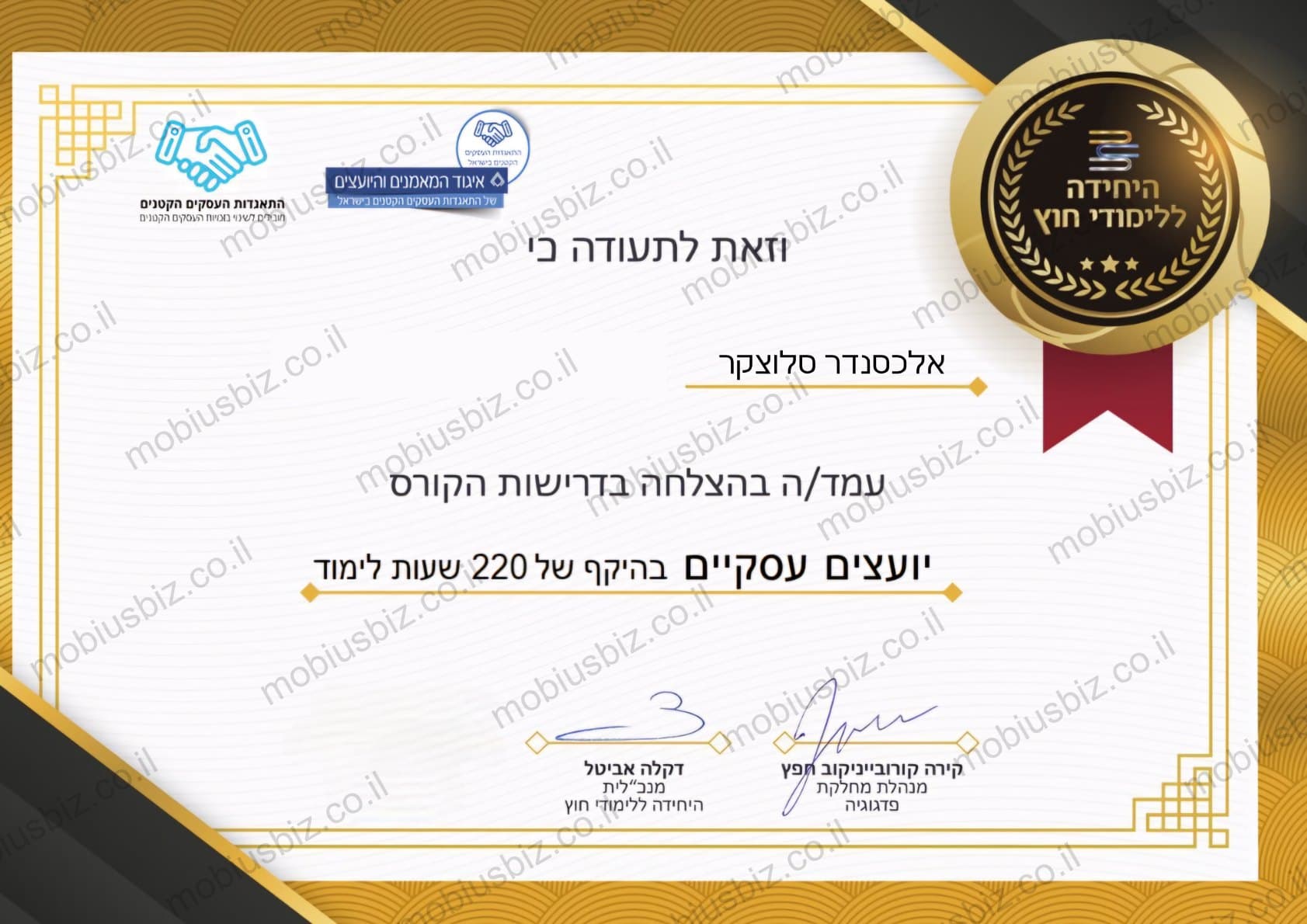
Business consultants course
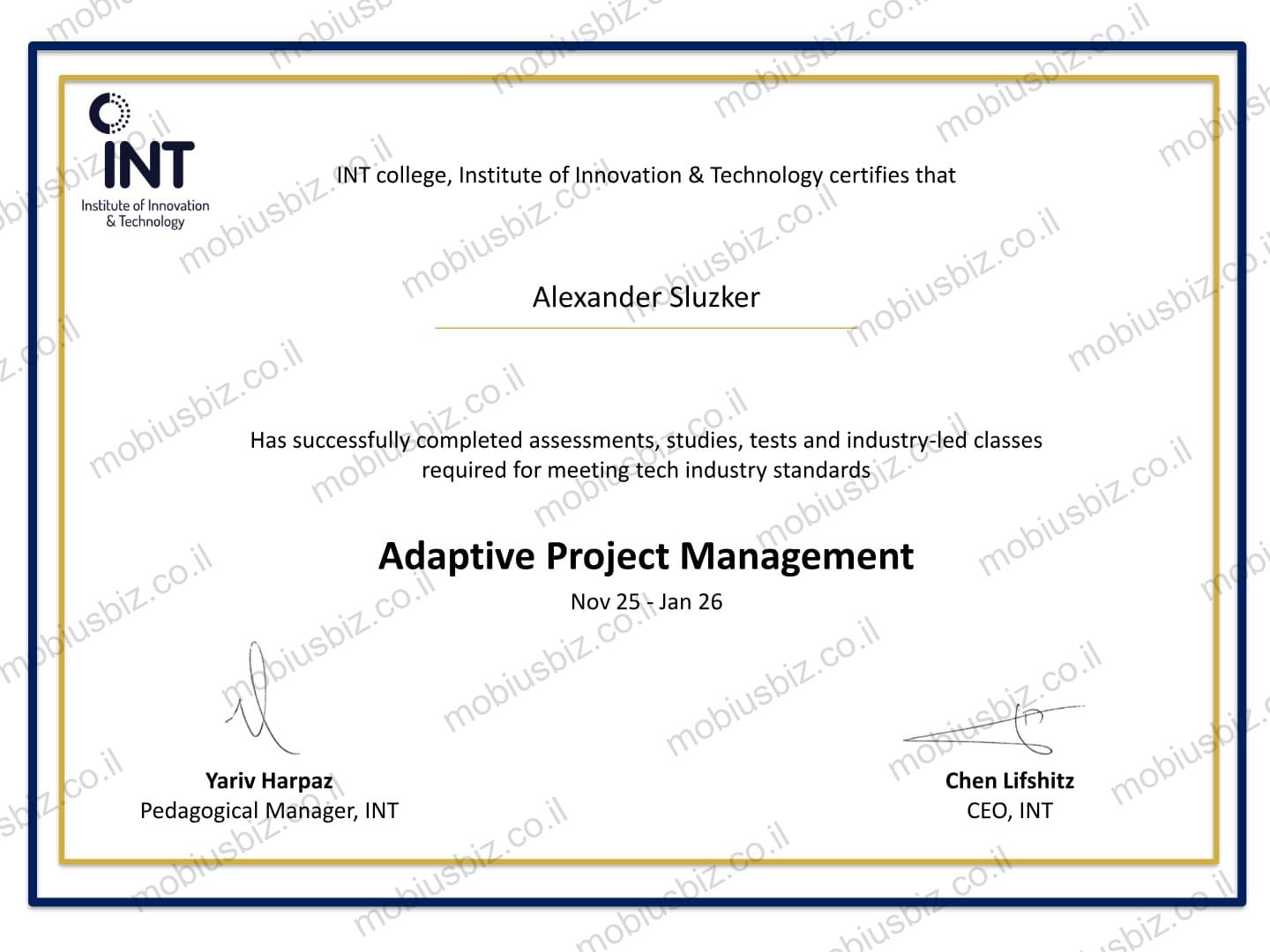
Adaptive project management, INT college
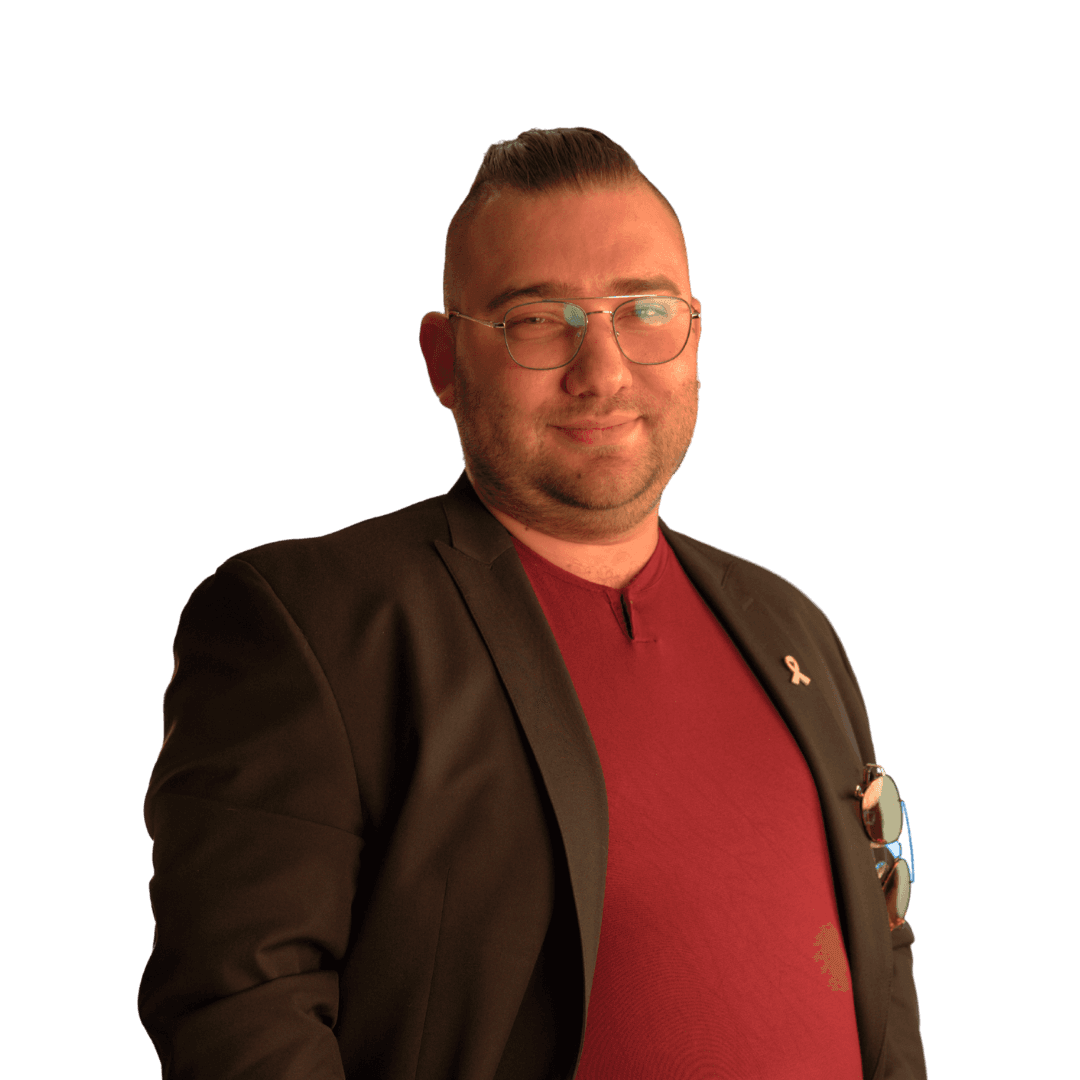
Business, Marketing, Operations & Financial Consultant
Mobius
Alexander Slutsker
9+Years of experience in business consulting
I help entrepreneurs, self-employed people, small businesses and startups understand their own numbers, choose what to do first and grow from there.
Book a Free Call+972 055-248-6151. Better on WhatsApp: I am in meetings most of the day and answer as soon as I am free. Other ways to reach me
We can talk in English, Hebrew or Russian.