Startup Consulting, from the Idea to the First Raise
Prove the demand, build the model, get ready for investors. In that order.
Startup consulting takes founders from the first idea to the first round of funding: we check that people really want the product, build a business model that holds up, and prepare the numbers and the story for investors, a bank or a grant.
+972 055-248-6151. Better on WhatsApp: I am in meetings most of the day and answer as soon as I am free. Other ways to reach me
We can talk in English, Hebrew or Russian.
Does This Sound Familiar?
I have an idea, and I don't know if anyone will really pay for it.
I'm not sure what comes first: building the product, finding a partner or raising money.
An investor asked for a business model and a forecast, and I don't know where to start.
My money runs out faster than the product moves forward.
I don't have a technical partner, and I don't know what to build first.
Sound familiar? The first conversation is free.
Book a Free CallWhat Clients Say
From different fields, at different stages of business
Dan Manto
Eclipse Capital
Real Estate Investment and Finance, USA
Arty McLabin
GameReady
Game Development Education and Outsourcing, International

Anna
Beautician
After I finished a cosmetology course at a leading company, I was confused. I didn't know how to open a business, what to sell from home, or how to bring in clients. Since I reached out to Mobius, everything has changed. We built an organized plan with clear steps and no unnecessary risks. Today I see results, and I'm growing and developing every month.

Mark
Massage therapist, Gan Yavne
When I finished a massage course, I imagined a different world. I found out it's a hard field, and financial stability isn't easy to find. When I came to Mobius, something changed. We started an organized process and built a business plan. Without Mobius? I probably would have given up. Today I believe in myself and in my own path.
What you get
Knowing where you stand
Which stage the startup is at, what that stage asks you to prove, and what can safely wait.
Proof in place of hope
Each assumption behind the startup is either checked or clearly marked as still open, so money goes only into what has been checked.
Answers in your own words
You understand every number and every assumption, so you answer an investor, a bank or a grant committee yourself.
Mistakes found while they are cheap
A wrong customer, a wrong price or a wrong order of work is far easier to change before the first money is spent than after.
Along the way you get the supporting and guiding materials the work needs, with clear instructions.
Simplified illustration
From an idea to a first raise
The problem, heard from customers
Heard from the people who feel it, not assumed
Many ideas stop here, and it is the cheapest place to stop
A first version
The smallest one that tests the idea, sometimes done by hand
First paying users
A pre order or a paid pilot
Many stop here: people like the product and do not pay for it
Numbers that show it grows
What winning a customer costs against what he brings in
The first raise
Investors, a bank or a grant
The road from an idea to the first raise as a funnel: each stage is narrower than the one before, because fewer ideas pass each proof. The red lines mark where many of them stop.
Simplified. Real work at each stage also chooses the smallest test that proves it, builds a financial model with numbers that hold up to an investor's questions, and picks the funding route that fits: an Innovation Authority grant, a bank or angel investors.
mobiusbiz.co.il
I have worked with
- Google for Startups
- House of Business, Sderot Municipality
- Microsoft Reactor
- GameReady
- Eclipse Capital
- SderoTech
- IUCEL
- Resilience & Health Innovation Hub
- International Resilience Institute of Sderot














- Google for Startups
- House of Business, Sderot Municipality
- Microsoft Reactor
- GameReady
- Eclipse Capital
- SderoTech
- IUCEL
- Resilience & Health Innovation Hub
- International Resilience Institute of Sderot
What the work can include
You do not need all of it. In the first conversation we choose together the parts your business needs.
The idea
- I check with you whether anyone will really pay, with the smallest test, such as a pre order, a paid pilot or a waiting list, before money goes into building.
- I look at the market and at the others who already solve the same problem, through the research work. Business Intelligence and Market Research
- I build with you a business model you can explain simply: who pays, how much and why.
- No technical cofounder? I help you decide what to build first, and what can be checked without building.
- Cofounder fit: I work with the founders on the roles, the split of the work and how decisions get made.
Before the first money (pre-seed)
- I set with you the order of the work on the way to the product, what comes first, what waits and what can be done more simply, so you get there by the shortest and cheapest road we can find.
- I work out with you the size of the market you can really reach, and the first price.
- I build with you the financial model, with numbers that hold up to an investor's questions: what it costs to win each customer against what he brings in, and how long the money lasts.
- I help you choose the funding route that fits your case: an Innovation Authority grant, a bank, private or angel investors. Which one depends on the case.
- I prepare the grant application together with you.
Before the first raise (seed)
- I build with you the pitch deck and the investor story, and we rehearse the questions investors ask before they invest.
- I get you ready for the investor's checks (due diligence): what they will ask to see, and in what shape.
- I guide you on what the company is worth going into the first round, so you walk into the talks knowing your number and its reasons.
- I read with you the ownership table (cap table) as it stands and explain what each change to it means for you. Advice only, the drafting and the filing stay with your lawyer and your accountant.
Along the way
- I help you make the first hires, through the executive hiring work. Executive Hiring for Your Business
- I help you reach the first paying customers, through the marketing work. Marketing Consulting for Businesses
- I give a lecture or a workshop for a group of founders. Lectures and Workshops for Employees and Organizations
After the raise
- Right after the raise I help you plan how the round gets spent and set up the first systems of the company. From there the work continues as hi-tech consulting. Business Consulting for Hi-Tech Companies
Not sure which stage you are at? That is what the first conversation is for.
How the work goes
A free first conversation
We talk, see whether my work fits what your business needs, and I suggest the kind of work that suits you.
Where the startup stands
We look at the stage you are at, an idea, a first product or first talks with investors, and at what is still unproven.
The next thing to prove
Together we choose the next assumption to prove and the smallest test that proves it, before money is spent on it.
The ongoing work
We meet as often as the business needs. Between meetings you can send me a short question on WhatsApp, and I reply as soon as I can.
Want to see how these steps would look for you? That is what the first conversation is for.
Book a Free Call9+ years of experience in business consulting
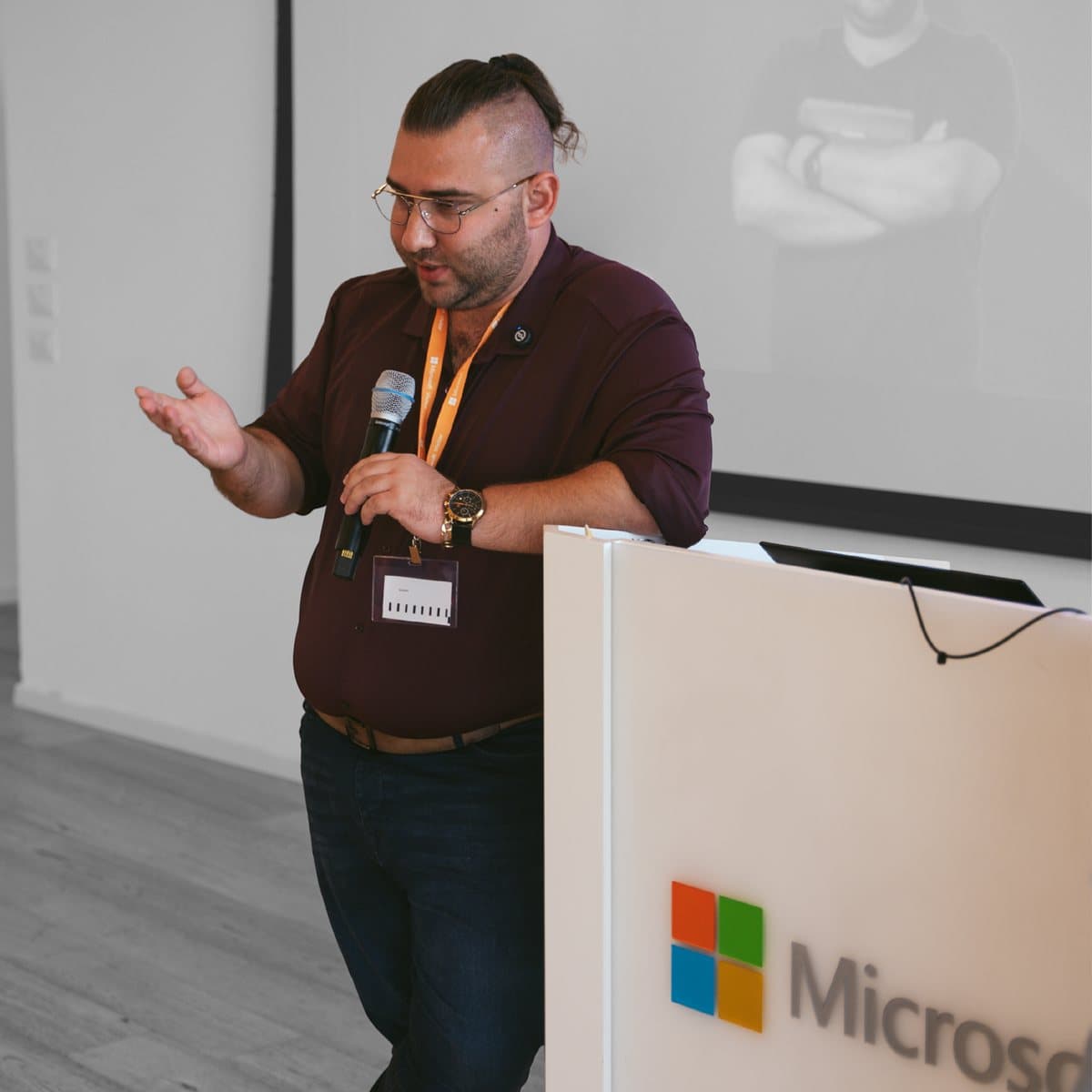
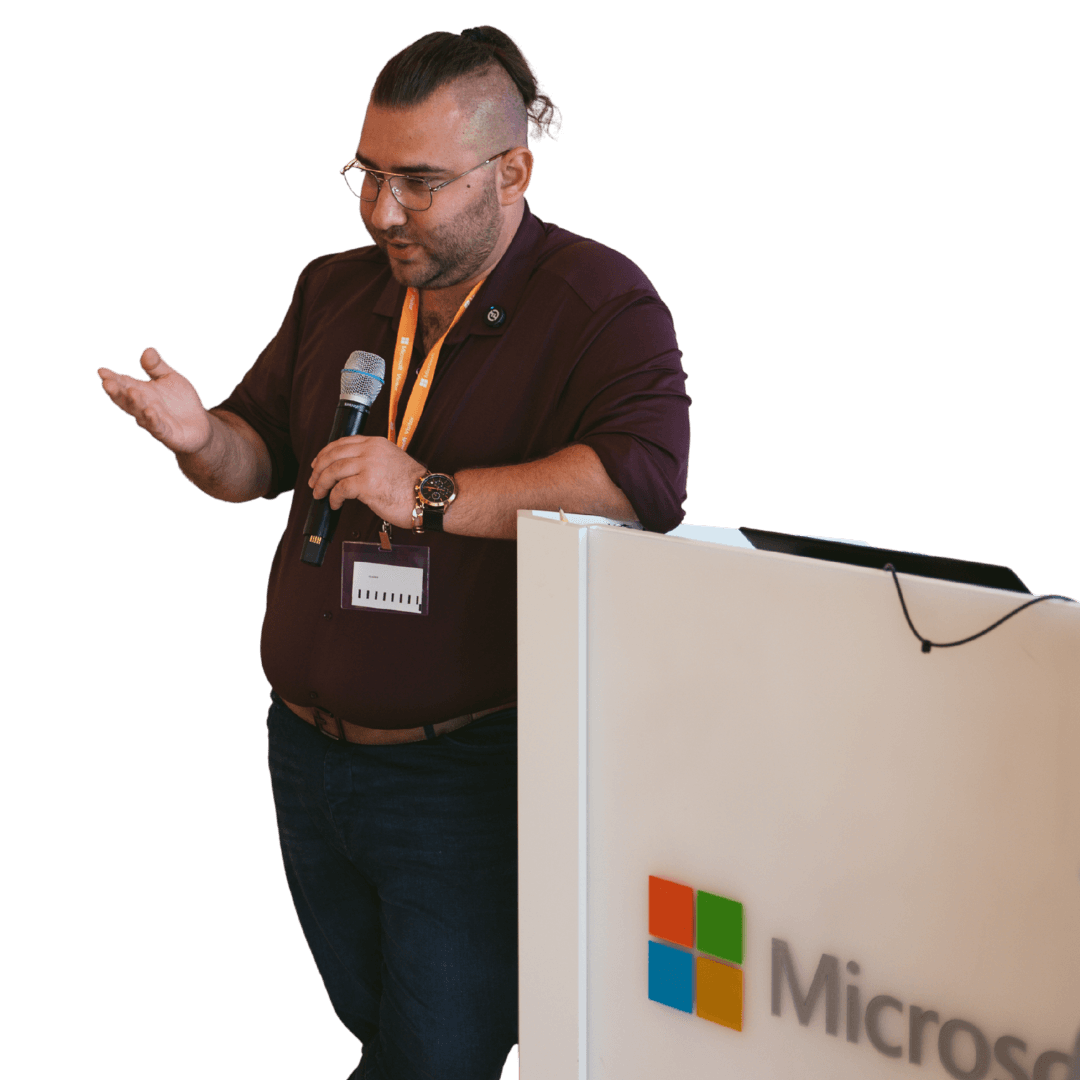
Speaking at Microsoft
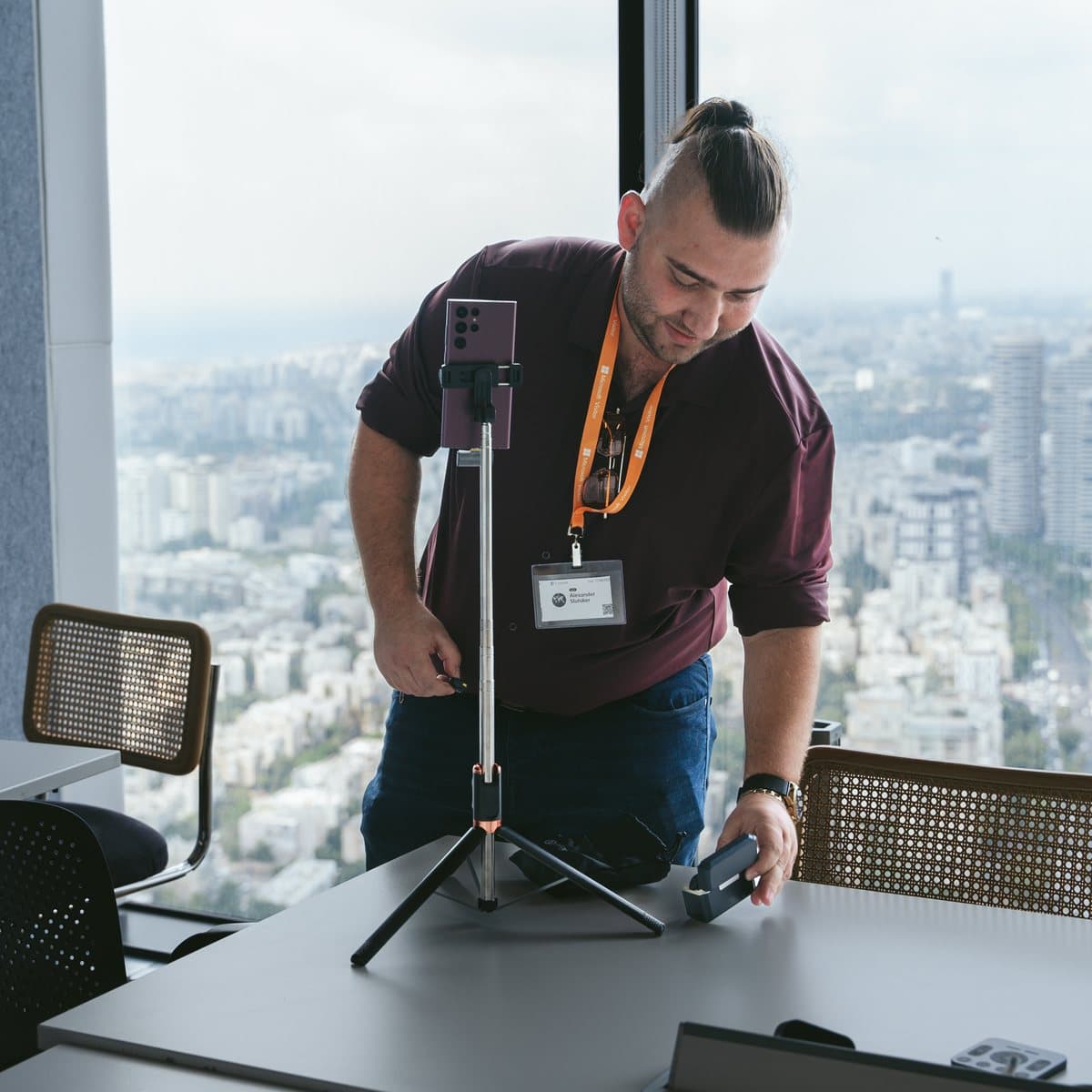
Meeting with international teams, as part of work with a startup
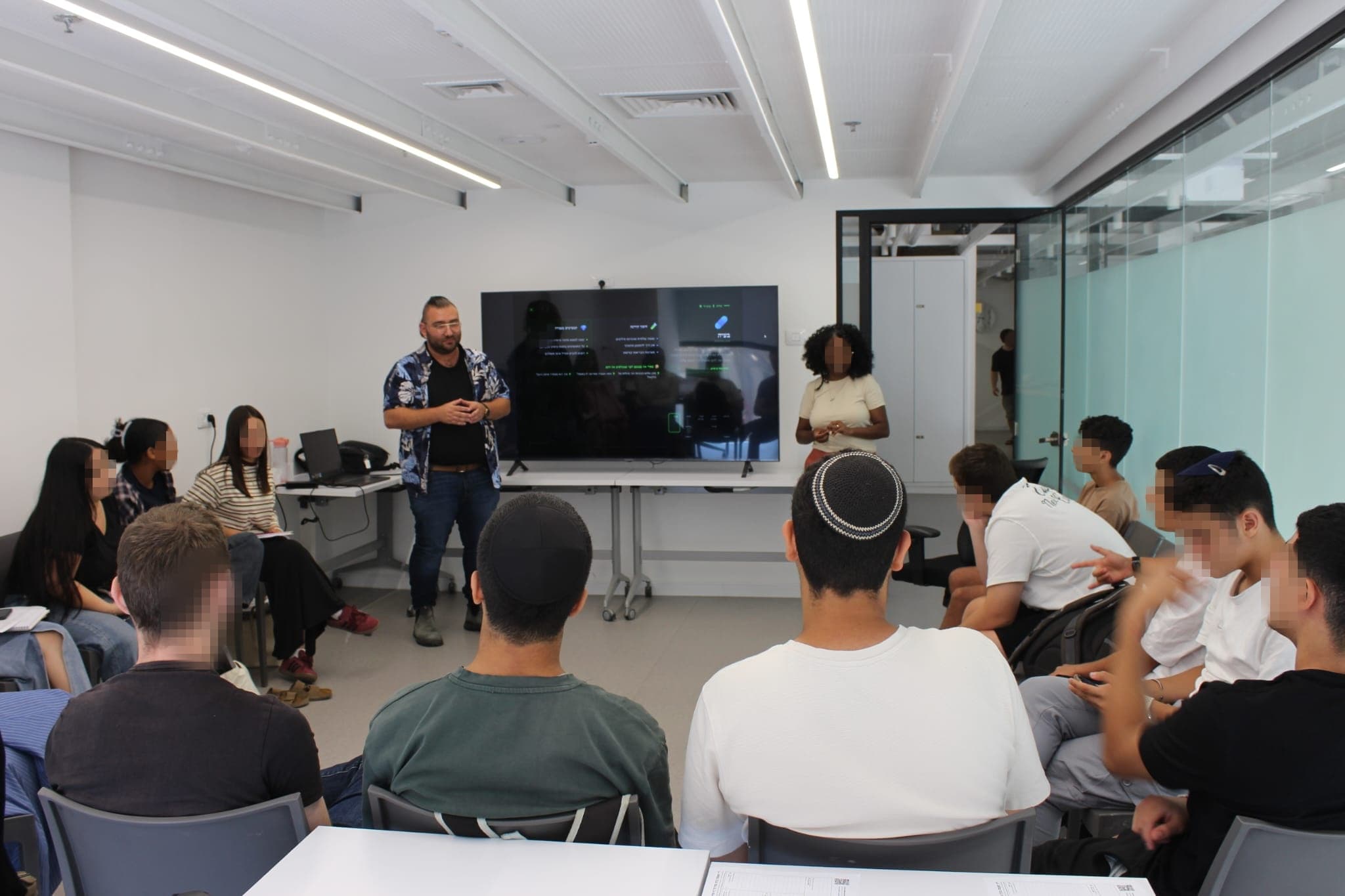
Teenovation, Meital centre Sderot
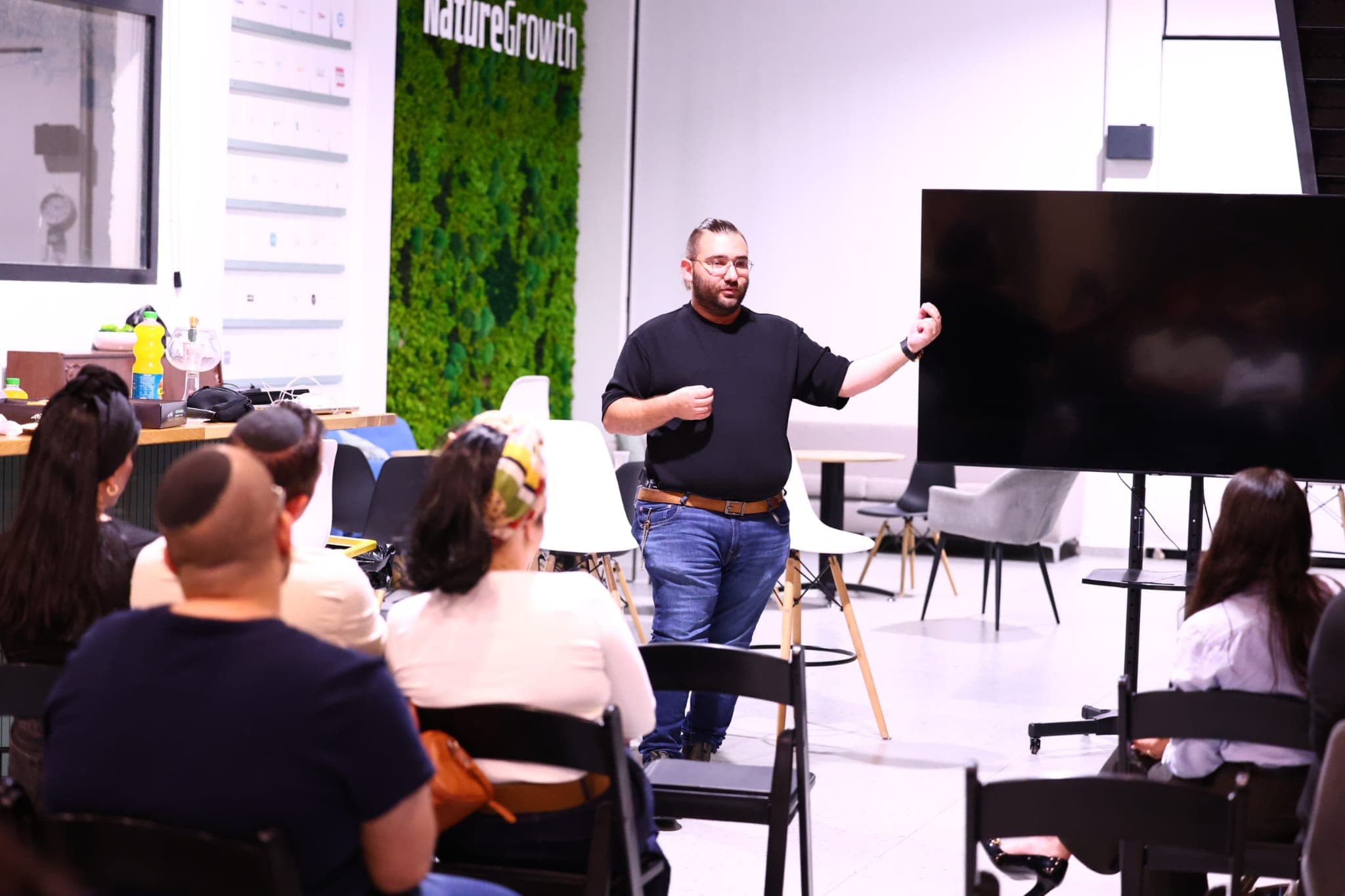
Entrepreneurs session, Sderot
Who does what
What I do
- Ask the questions investors will ask, before they do
- Check the numbers and the logic of the business
- Build the model and the presentation together with you
What you do
- Talk to the customers yourself
- Make the product decisions, the company stays yours
- Lead the conversations with investors
The legal side, the type of company, the ownership table (cap table), a SAFE or a convertible note and the investment agreement, is handled by your lawyer and your accountant. I name them so you know they are coming.
What to bring to the first conversation
Bring what you already have, even if it is incomplete. We can start without it too.
- Your deck or your notes about the idea, if they exist, even one page
- Whatever your first users or possible customers have told you
- The numbers you have, even rough ones
Who it fits
- A founder with an idea and no proof yet that anyone will pay.
- A founder with a first product or first users, before the first real money comes in.
- A founder getting ready to meet investors for the first round.
When is it better to start elsewhere?
If your company already has a product, a team and investors.
In that case, start here: Business Consulting for Hi-Tech Companies
And the paperwork, for anyone who wants to see that too.
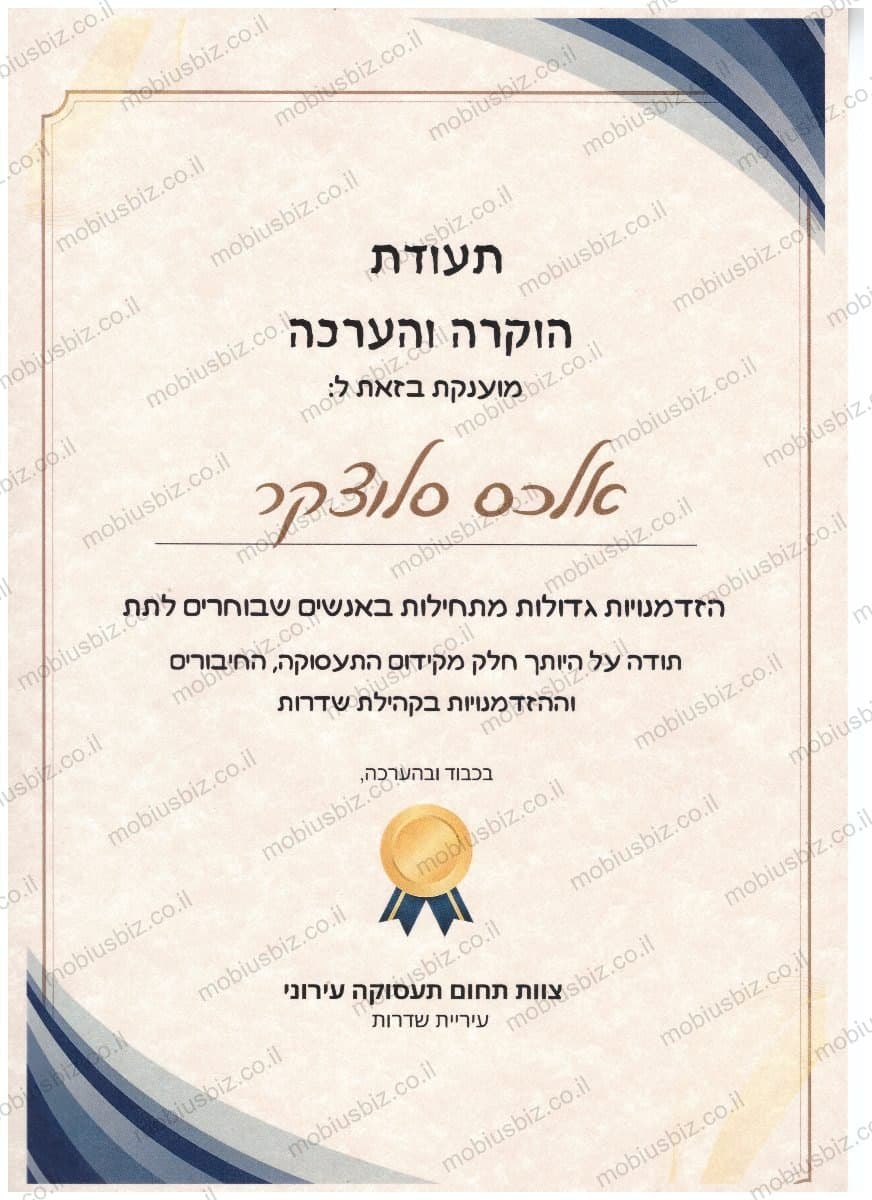
Certificate of appreciation, Sderot municipality
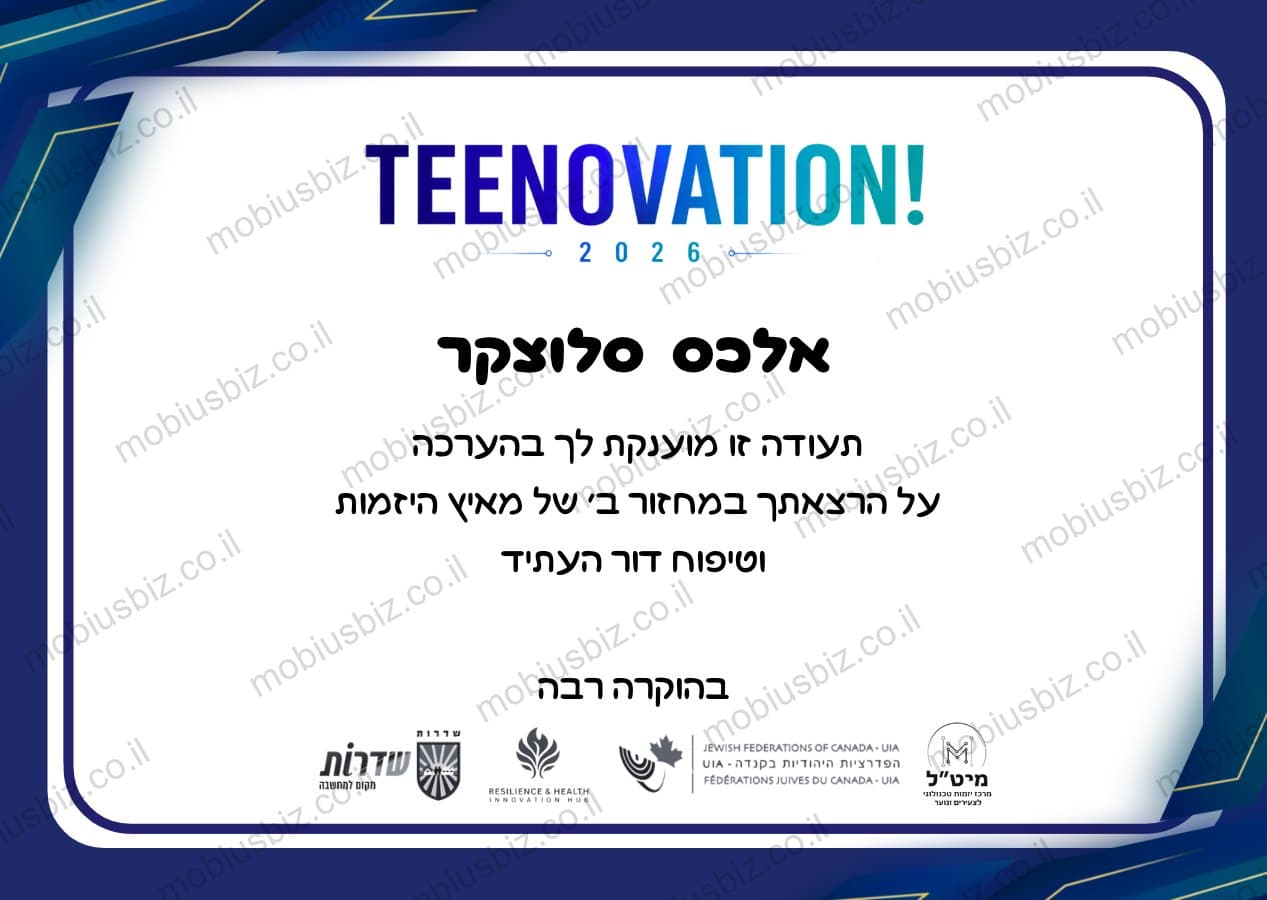
Certificate of honor, Teenovation 2026
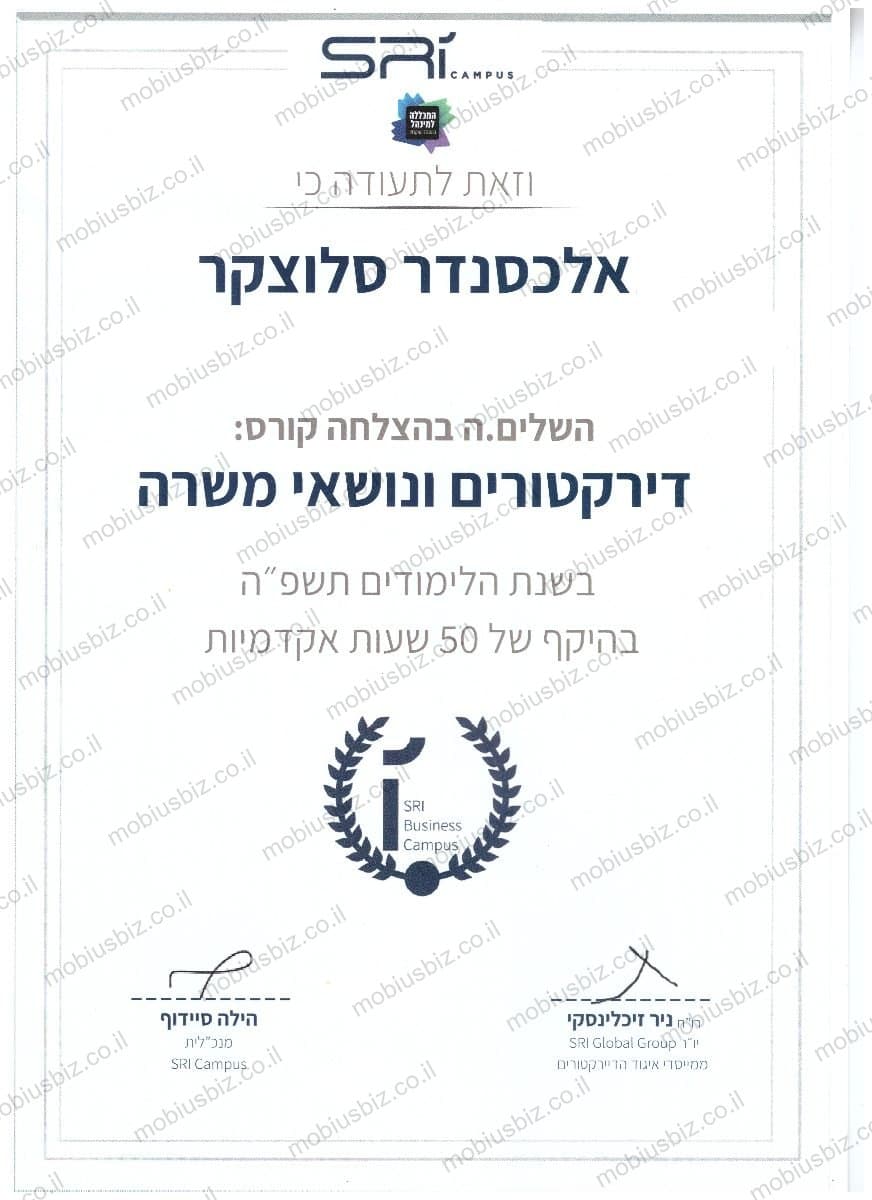
Directors and officeholders course, SRI Campus
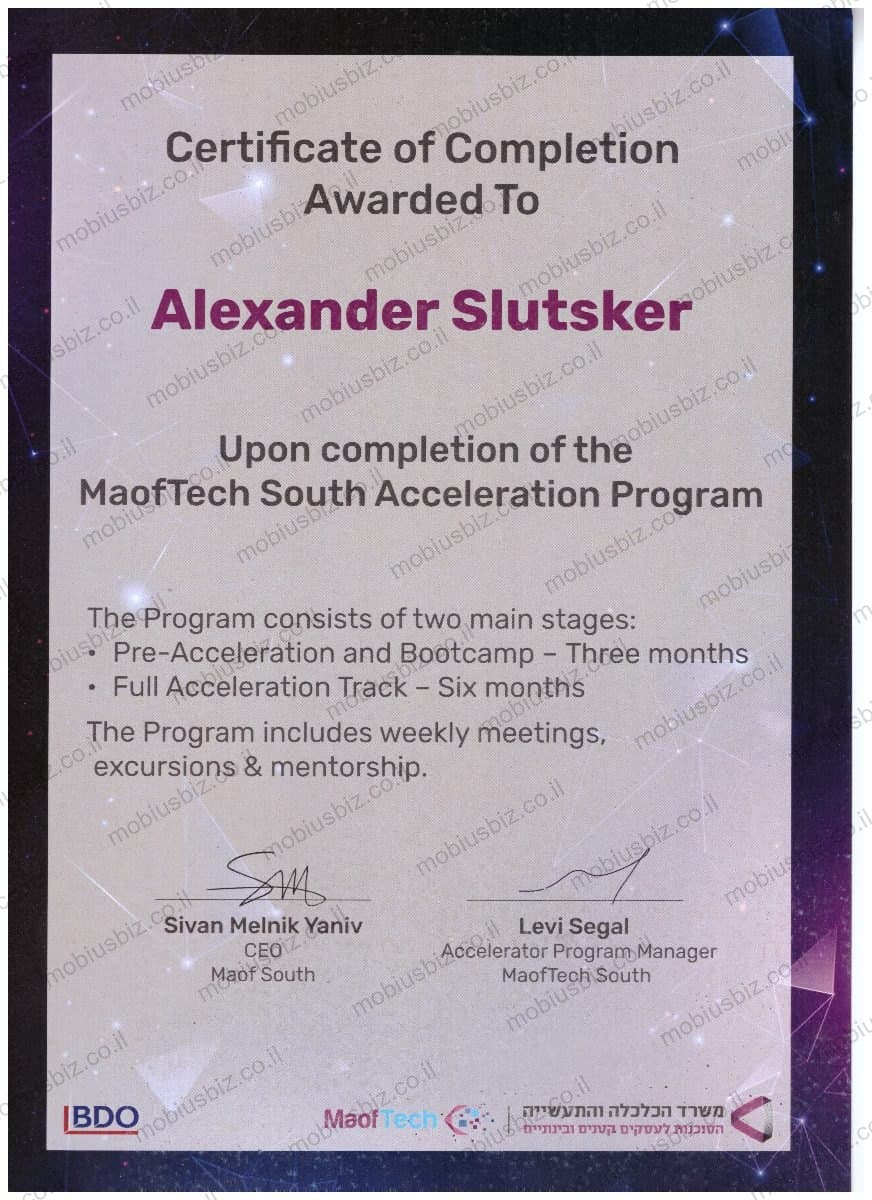
Acceleration program, MaofTech South
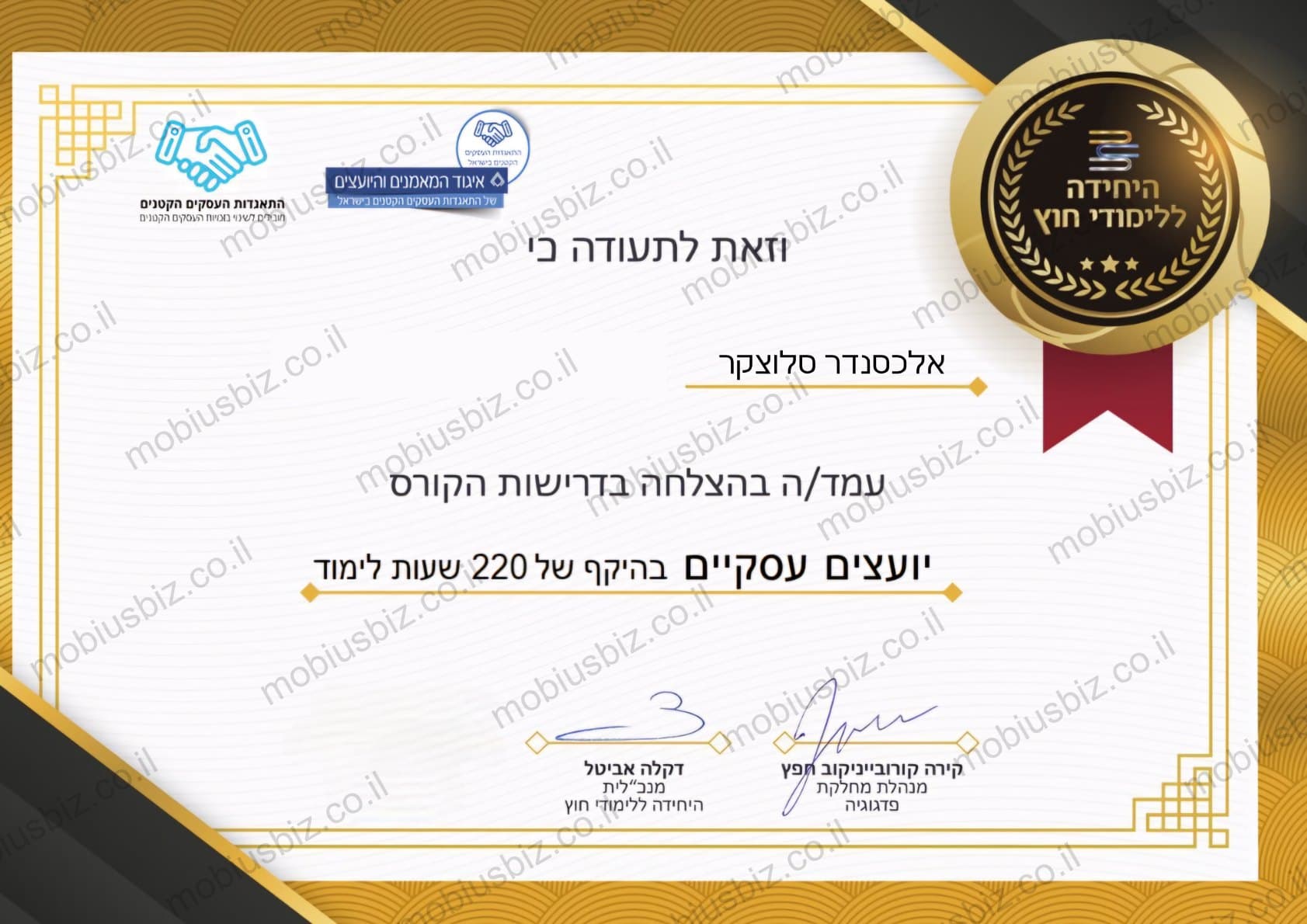
Business consultants course
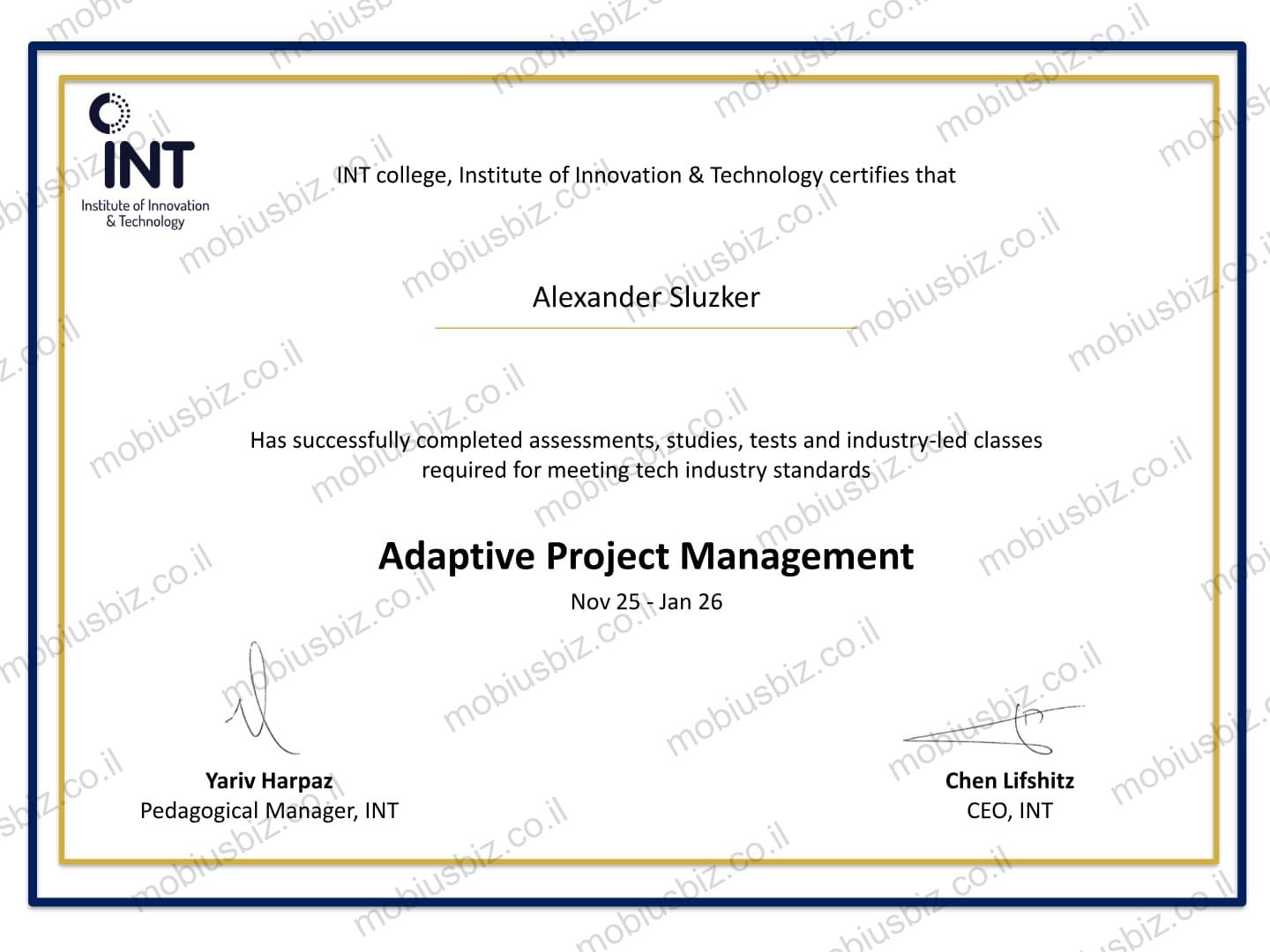
Adaptive project management, INT college
You work directly with me, and I stay your point of contact throughout the work.
- How does it start?
- With a free first conversation of 15 to 30 minutes, by phone or by video. In it we name the problem and shape the work around it. It is not where the answer is handed over. The answer comes out of the work that follows.
- How long before I see results?
- Not from the first meeting, and not from the first few. First we have to understand where the business really stands, so the effort goes only where it works and nothing that already works gets broken. When measurable, steady results come depends on the business and on the pace of the work. After a first conversation I can tell you what to expect in your field.
- How much of my time will it take?
- A meeting of about an hour, as often as the business needs, and a little more at the start while I learn the business. The rest is carrying out the plan, and that is work you would be doing in your business anyway, not time spent in meetings.
- Do my books have to be in order first?
- No. Paperwork is an important tool, but it is not a condition for starting. We begin from where things stand today and put the papers in order along the way, so the work never waits for them.
- What happens to the numbers I show you?
- Whatever you show me about your business stays between the two of us, exactly as it does for every other client of mine.
- What kinds of businesses do you work with?
- I have worked with self-employed professionals, small businesses and startups, in beauty and wellness, the trades, food, retail, manufacturing, education, hi-tech and real estate investment, in Israel and abroad. Your trade matters less than your stage. A bakery and a software company at the same stage are usually stuck on the same thing.
Frequently asked questions
Is my startup idea ready for development?
Not always. Before development I check five things with you: the problem you assume people have, the specific user who feels it most, whether he is willing to pay a real price, what people use today instead, even if it is a spreadsheet and patience, and the smallest proof that the demand exists, such as a pre order, a paid pilot or a waiting list. The goal is not to build a product that is impressive technically and unclear commercially. If the problem and the willingness to pay are confirmed, development becomes a focused effort. If not, you have saved time and money.
Can you help before fundraising?
Yes. An early raise needs a clear story, believable assumptions, a business model that holds up, a specific use for the money and proof that the market cares. I work on the logic behind the presentation, not only on the slides, so the talks with investors rest on proof and decisions rather than on hope. The work usually includes stating the problem more sharply, checking on honest numbers what each customer brings in against what it costs to win him, laying out the coming period as a series of tests that lower the risk, and practising your answers to the questions investors will ask. The presentation comes out of the work, it is not where the work starts.
What if I don't have a technical cofounder?
Then the first question is what must be technical now and what can be checked by hand, with ready made tools that need no programming, or with a small prototype someone else builds. Many early ideas can be tested with a landing page, a paid pilot delivered by hand or off the shelf services, before any real development. We also look at the risk of working with an outside developer: who owns the product if he leaves, what it really costs each month, and whether the idea justifies spending on development at all. A missing technical partner is rarely the real obstacle. An unclear value usually is.
Can you help with a grant or a loan, not only with investors?
Yes, it is part of the work. Which route fits depends on the case: a grant from the Innovation Authority, a bank, or private and angel investors. We choose the route together, I prepare the application with you, and the decision to give the money stays with whoever gives it. Raising money is one part of the work. The main part is building a startup someone is willing to pay for.
Will you introduce me to investors?
I do not promise introductions, and I do not hand out a list of investors. What the work gives you is readiness for any investor you meet: a story that holds together, numbers you can defend and answers to the questions they ask before they invest. The meetings and the talks themselves stay with you.
What do idea, pre-seed and seed mean?
They are names for the early stages of a startup. At the idea stage there is a problem and a guess at a solution. Pre-seed is the first small money, often from the founders, their family or angel investors, to build a first version and prove the demand. Seed is the first real round from investors, when there is already a product and first users who show the demand is real. Each stage asks for a different proof, so the work starts by finding out which one you are in.
How is this different from hi-tech consulting?
This page is for founders up to the first raise, while the business is still an idea or a first product. Hi-tech consulting is for companies that already have a product, a team and investors, and are dealing with growth, the next round and how the company is run. If you are somewhere in between, we will see in the first conversation which one fits.
Related services
- Business Consulting for Hi-Tech CompaniesWhen the company already has a product, a team and investors.
- Physical Product DevelopmentWhen the product is physical and has to be manufactured.
- Business Plan: Building and WritingWhen a bank or a fund asks for a full business plan.
New to consulting? Start with the map of what business consultants do
Ready to Get Started?
Book a Free Call+972 055-248-6151. Other ways to reach me
We can talk in English, Hebrew or Russian.