Executive Hiring for Your Business
A manager who knows the profession and understands the work, not only how to talk about it well.
In executive hiring, I find, screen and interview candidates for your business, and help you choose one who knows the basics, the technology and the profession, and understands the background of what he does. It starts with the question whether you need a manager at all, and continues after the hire, into the new manager's first months.
+972 055-248-6151. Better on WhatsApp: I am in meetings most of the day and answer as soon as I am free. Other ways to reach me
We can talk in English, Hebrew or Russian.

Does This Sound Familiar?
I need someone to take part of the load, and I am not sure if it is a manager or a stronger employee.
Candidates interview well, and I cannot tell who can actually do the job.
I hired a manager before, and it did not work out.
I have no time to search, screen and interview while running the business.
Sound familiar? The first conversation is free.
Book a Free CallWhat Clients Say
From different fields, at different stages of business
Dan Manto
Eclipse Capital
Real Estate Investment and Finance, USA
Arty McLabin
GameReady
Game Development Education and Outsourcing, International

Anna
Beautician
After I finished a cosmetology course at a leading company, I was confused. I didn't know how to open a business, what to sell from home, or how to bring in clients. Since I reached out to Mobius, everything has changed. We built an organized plan with clear steps and no unnecessary risks. Today I see results, and I'm growing and developing every month.

Mark
Massage therapist, Gan Yavne
When I finished a massage course, I imagined a different world. I found out it's a hard field, and financial stability isn't easy to find. When I came to Mobius, something changed. We started an organized process and built a business plan. Without Mobius? I probably would have given up. Today I believe in myself and in my own path.
What you get
A hire made with open eyes
You choose knowing what the role needs and how each candidate answered real situations from your business, not only how well he presented.
Your week stays on the business
The long part of the search happens outside your calendar, and your time goes to the few candidates worth meeting.
Expectations agreed from day one
You and the new manager start with the same picture of what the role is for and which decisions are his.
Along the way you get the supporting and guiding materials the work needs, with clear instructions.
Simplified illustration
Where a good manager can be lost
The role defined
What it owns, which decisions are its own
A vague role draws the wrong candidates
The search
I find the candidates
The screening
Then the first interviews, which I hold
The shortlist, with you
Interviews on real situations from your business
General questions favour whoever presents best
The offer
The decision whom to hire is yours
The first months
What to learn, what to decide, what to take over
Without a planned start, even a good hire can fail
Hiring a manager, from the role to the first months in it. Each bar is as wide as the group of candidates still in the running, and the red lines mark where a good candidate can be lost along the way.
Simplified. The real work starts earlier, with whether you need a manager at all or a stronger employee, and goes further, into the decisions the role holds and a start in the role built with you and the new manager.
mobiusbiz.co.il
I have worked with
- Google for Startups
- House of Business, Sderot Municipality
- Microsoft Reactor
- GameReady
- Eclipse Capital
- SderoTech
- IUCEL
- Resilience & Health Innovation Hub
- International Resilience Institute of Sderot
















- Google for Startups
- House of Business, Sderot Municipality
- Microsoft Reactor
- GameReady
- Eclipse Capital
- SderoTech
- IUCEL
- Resilience & Health Innovation Hub
- International Resilience Institute of Sderot
What the work can include
You do not need all of it. In the first conversation we choose together the parts your business needs.
- First we check whether you need a manager or a stronger employee, from the decisions you make every week.
- We define the role together: what it is responsible for, which decisions are the manager's and which come to you.
- I find the candidates myself, screen them and hold the first interviews.
- You interview the shortlist together with me, and the decision whom to hire is yours.
- I look for a manager who knows the profession and the technology, not only how to talk about it, with interviews built on real situations from your business.
- I build the new manager's first months with you, what to learn, what to decide and what to take over, and I stay close to both of you.
- I search for the roles a growing business needs, such as a first operations manager, a sales lead or a shift manager.
How the work goes
A free first conversation
We talk, see whether my work fits what your business needs, and I suggest the kind of work that suits you.
Defining the role
Together we check whether you need a manager at all, then define what the role is responsible for and which decisions it holds.
Search, screening and interviews
I find candidates, screen them and hold the first interviews. The shortlist you then interview together with me.
The new manager's start
I build the manager's first months with you, and stay close to both of you while he steps into the role.
The ongoing work
We meet as often as the business needs. Between meetings you can send me a short question on WhatsApp, and I reply as soon as I can.
Want to see how these steps would look for you? That is what the first conversation is for.
Book a Free Call9+ years of experience in business consulting
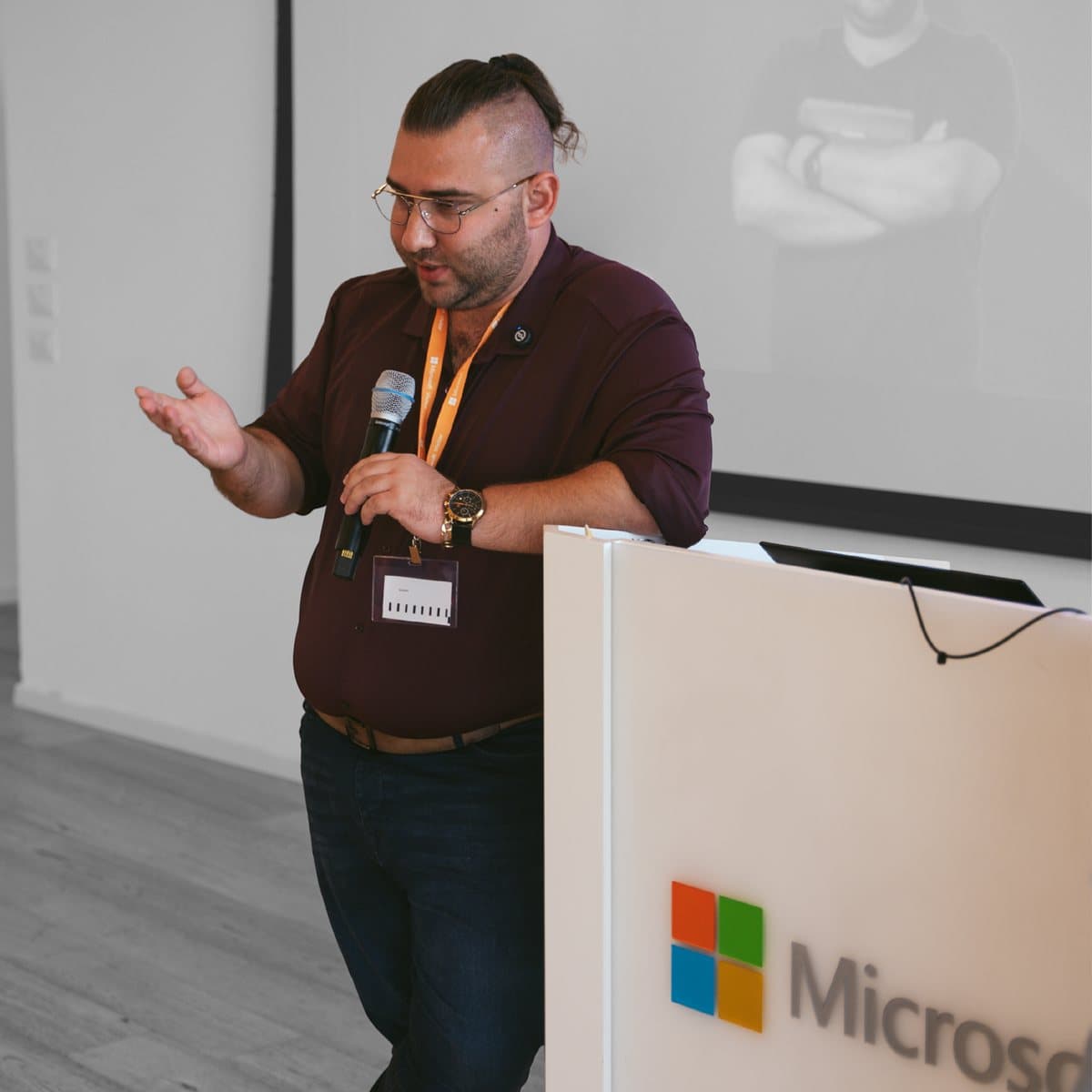
Speaking at Microsoft

Meeting with international teams, as part of work with a startup
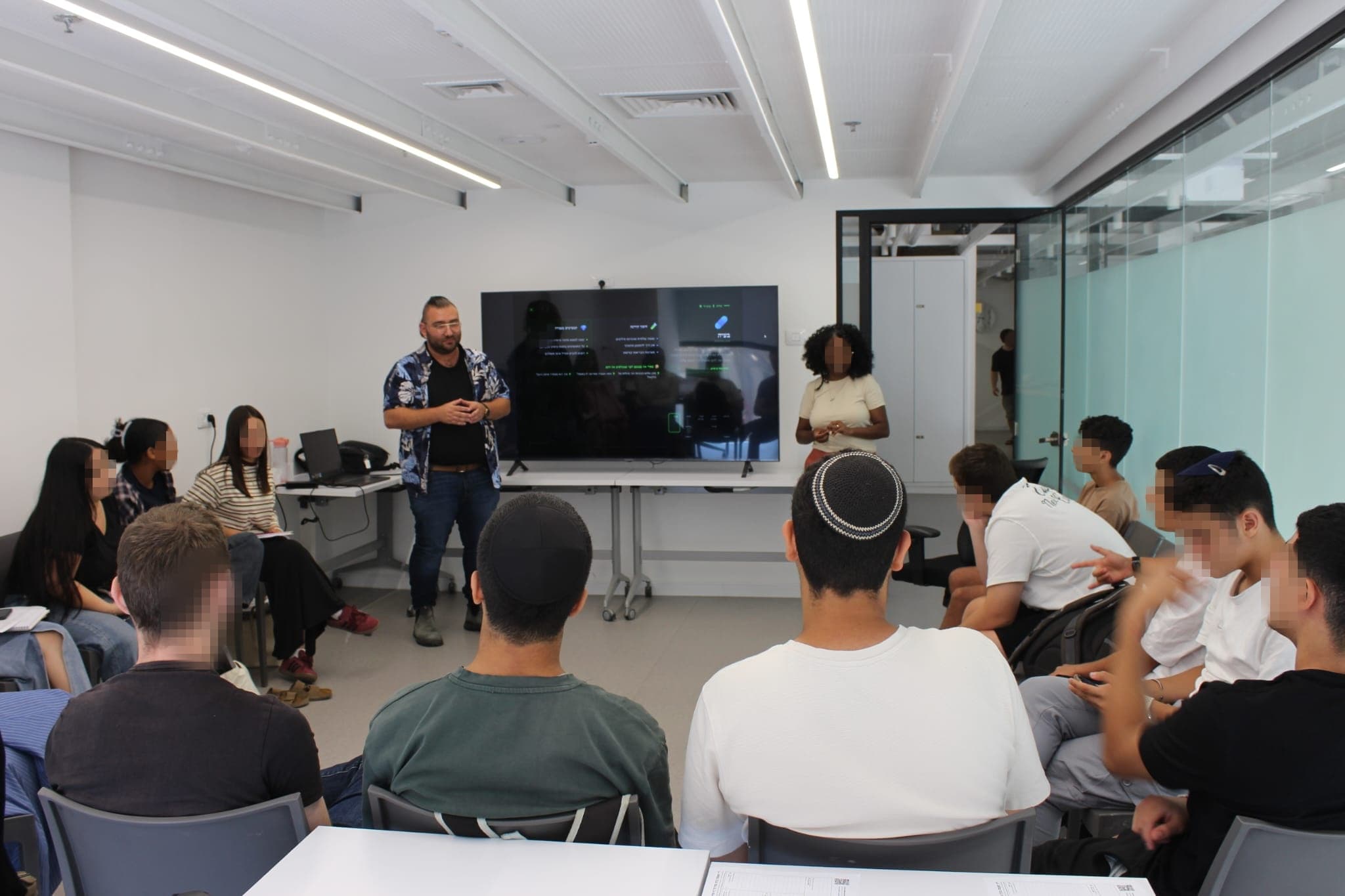
Teenovation, Meital centre Sderot
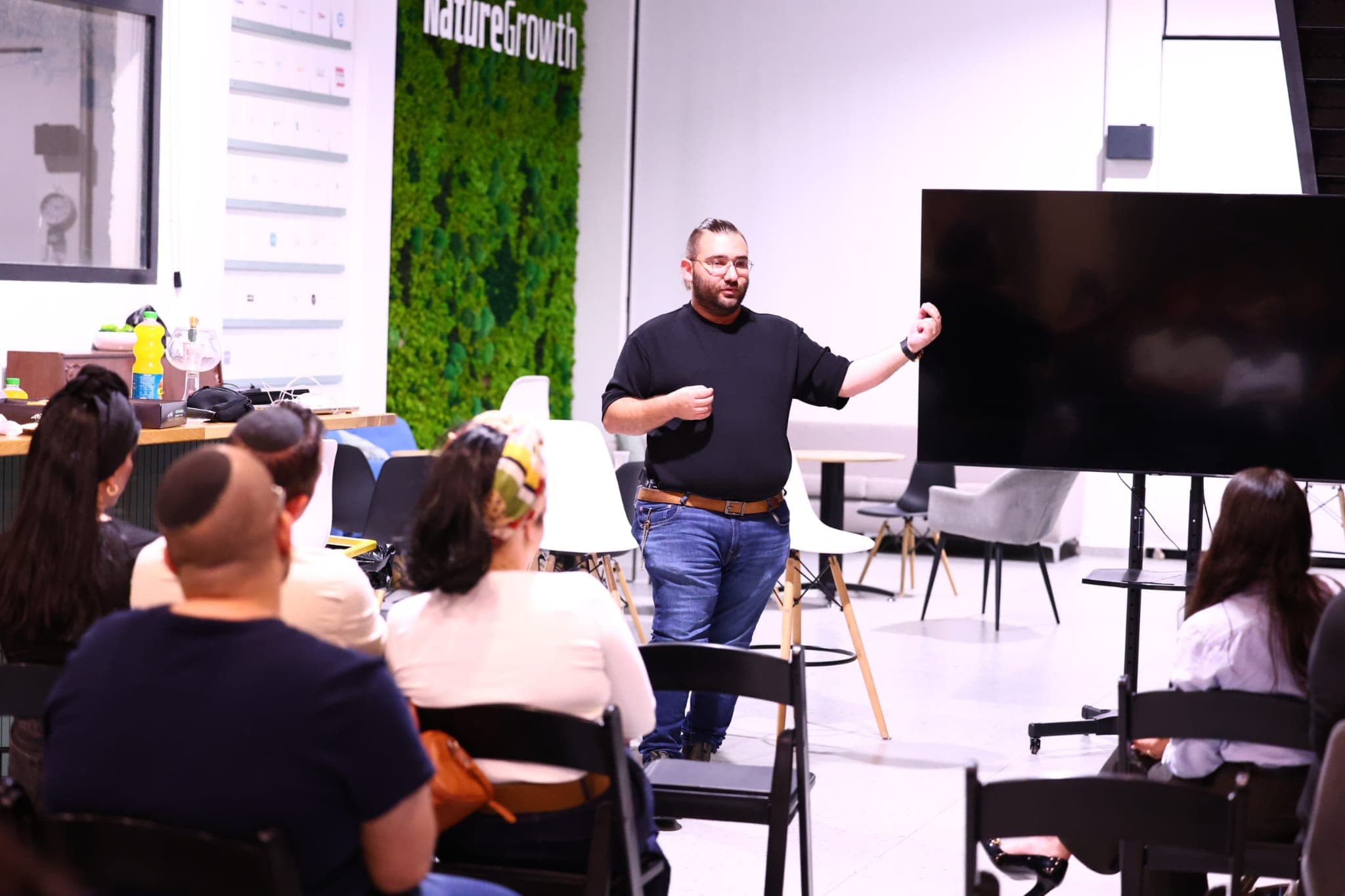
Entrepreneurs session, Sderot
Who does what
What I do
- Define the role with you
- Find candidates, screen them and hold the first interviews
- Interview the shortlist with you
- Build the new manager's start in the role
What you do
- Tell me which decisions you want to hand over
- Interview the shortlist with me
- Decide whom to hire, the decision is yours
What to bring to the first conversation
Bring what you already have, even if it is incomplete. We can start without it too.
- The decisions you make every week that you would like to hand over
- What went wrong in an earlier hire, if there was one
Who it fits
- A business that grew past the point where one person can hold every decision, and needs its first manager for operations, sales or shifts.
- A company replacing a manager, which wants to get it right this time.
- A founder or CEO who needs a senior manager who knows the profession and the technology behind it.
When is it better to start elsewhere?
If your managers are already in place and the question is how they manage.
In that case, start here: Training Managers and Building Your Management Team
And the paperwork, for anyone who wants to see that too.
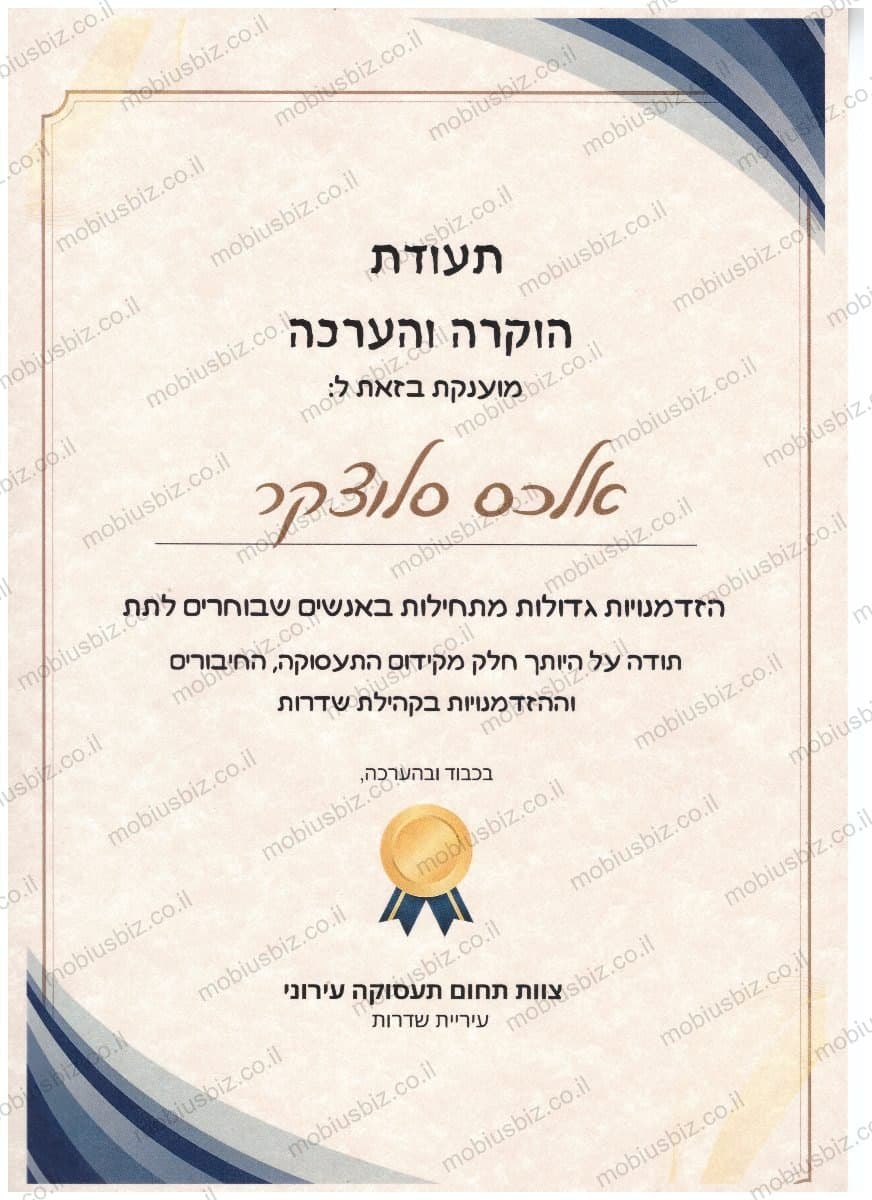
Certificate of appreciation, Sderot municipality
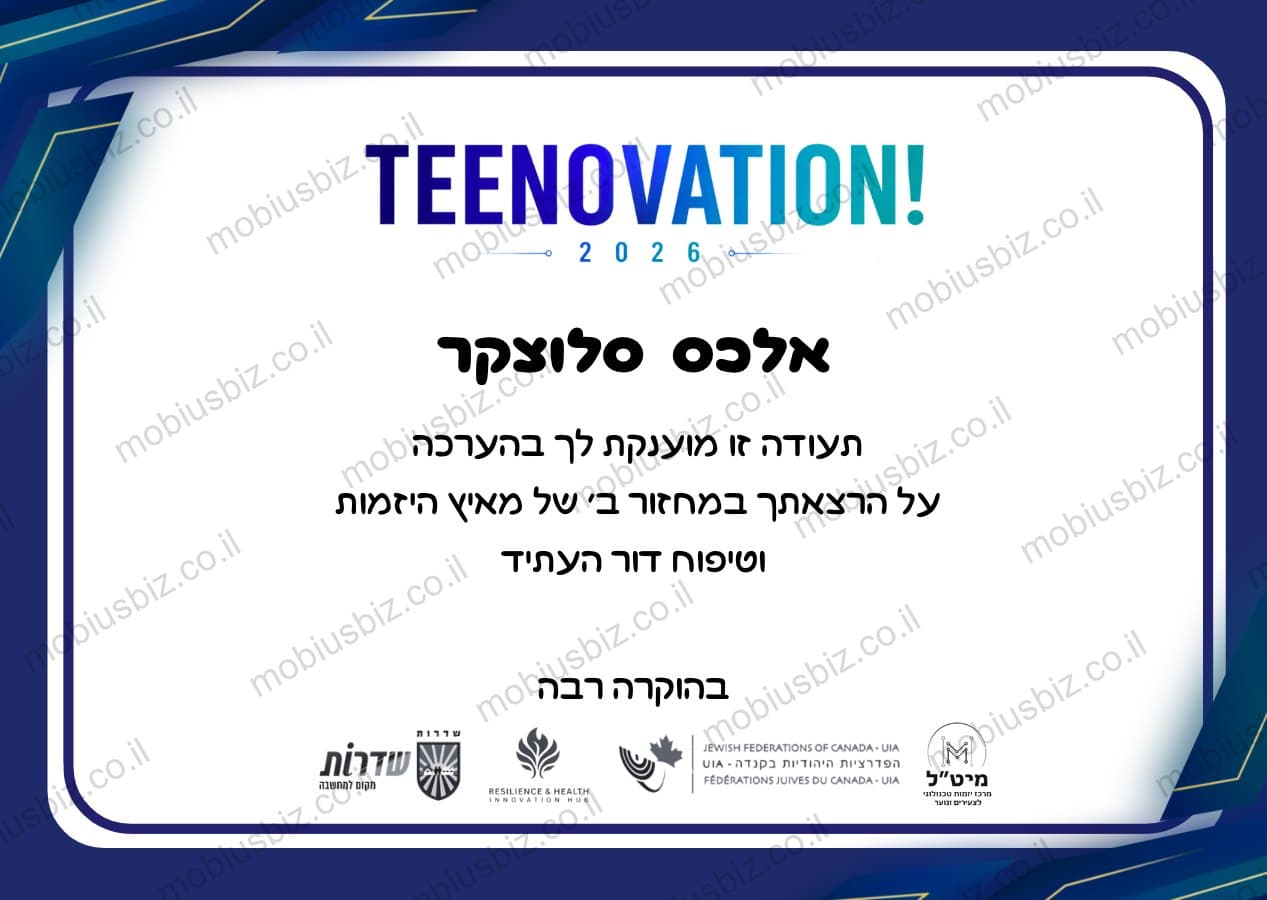
Certificate of honor, Teenovation 2026
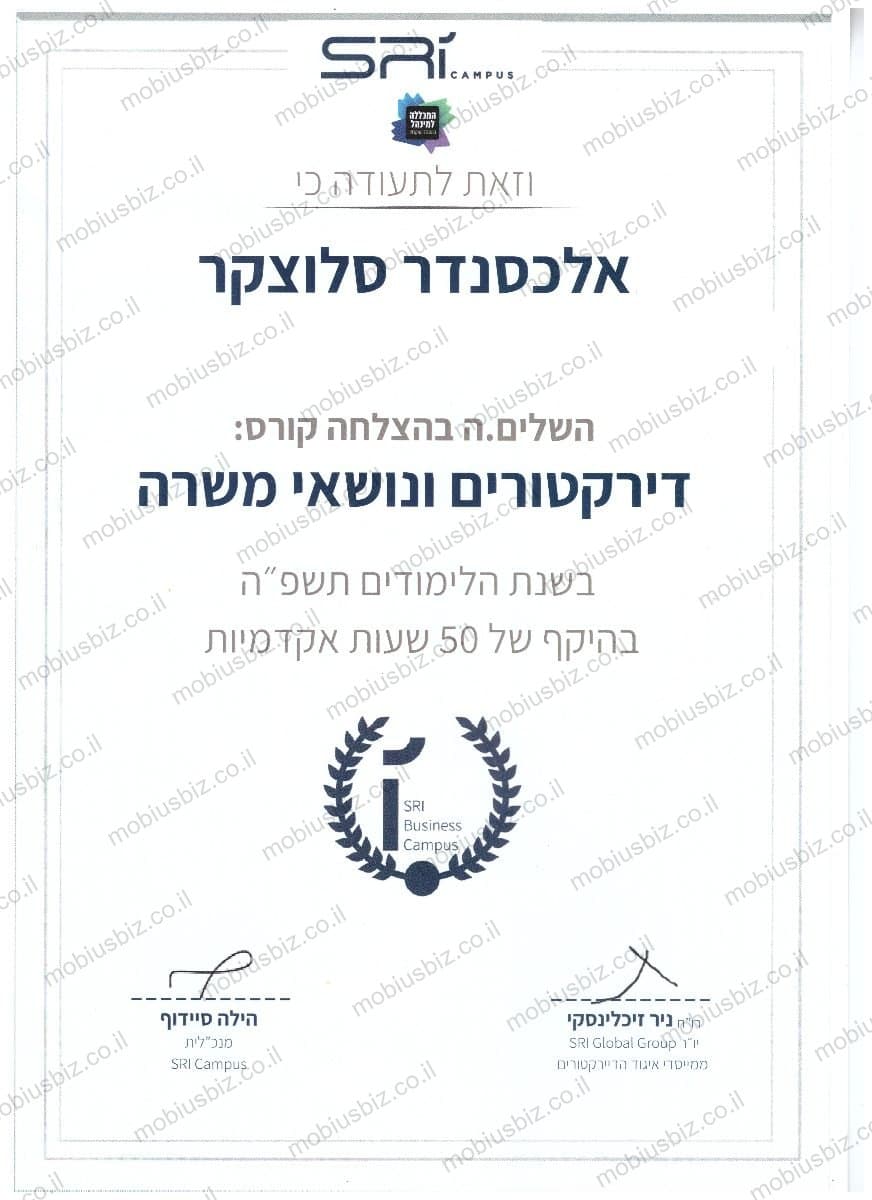
Directors and officeholders course, SRI Campus
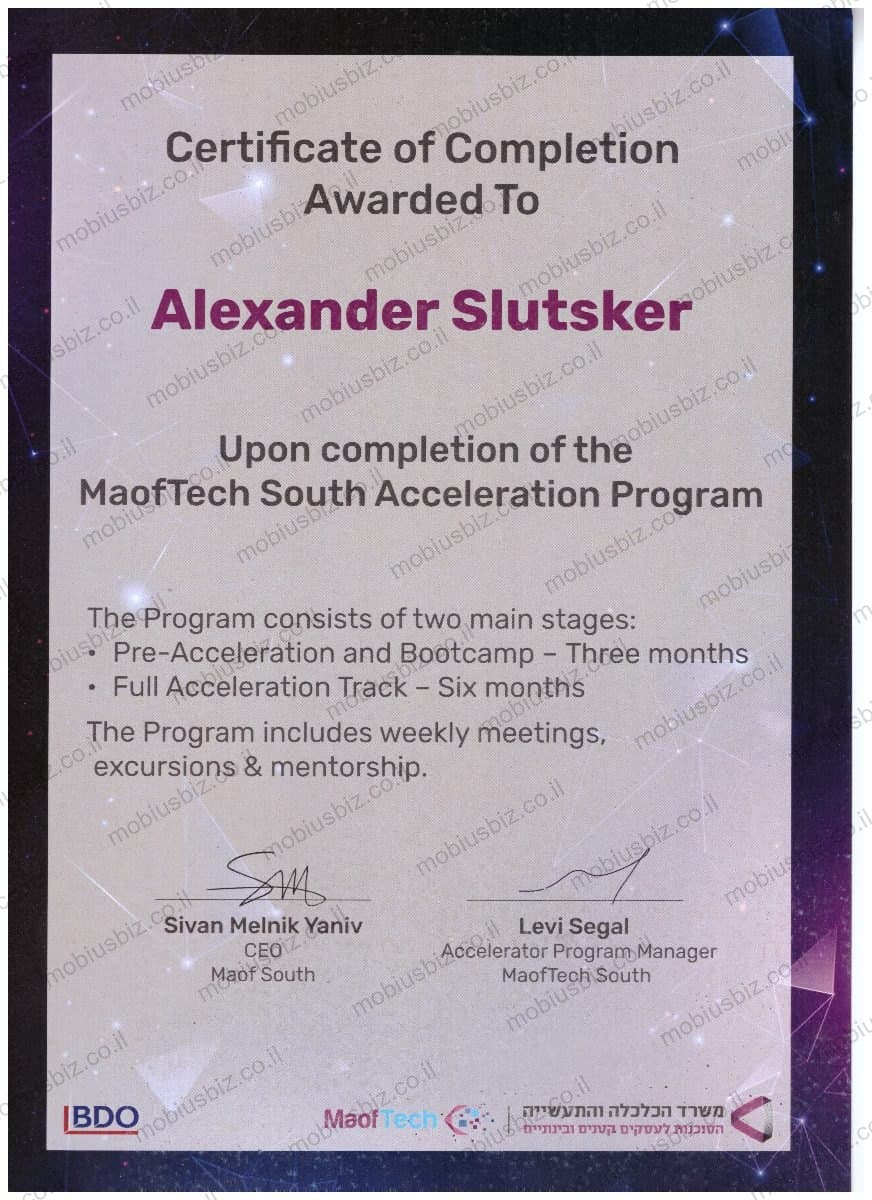
Acceleration program, MaofTech South
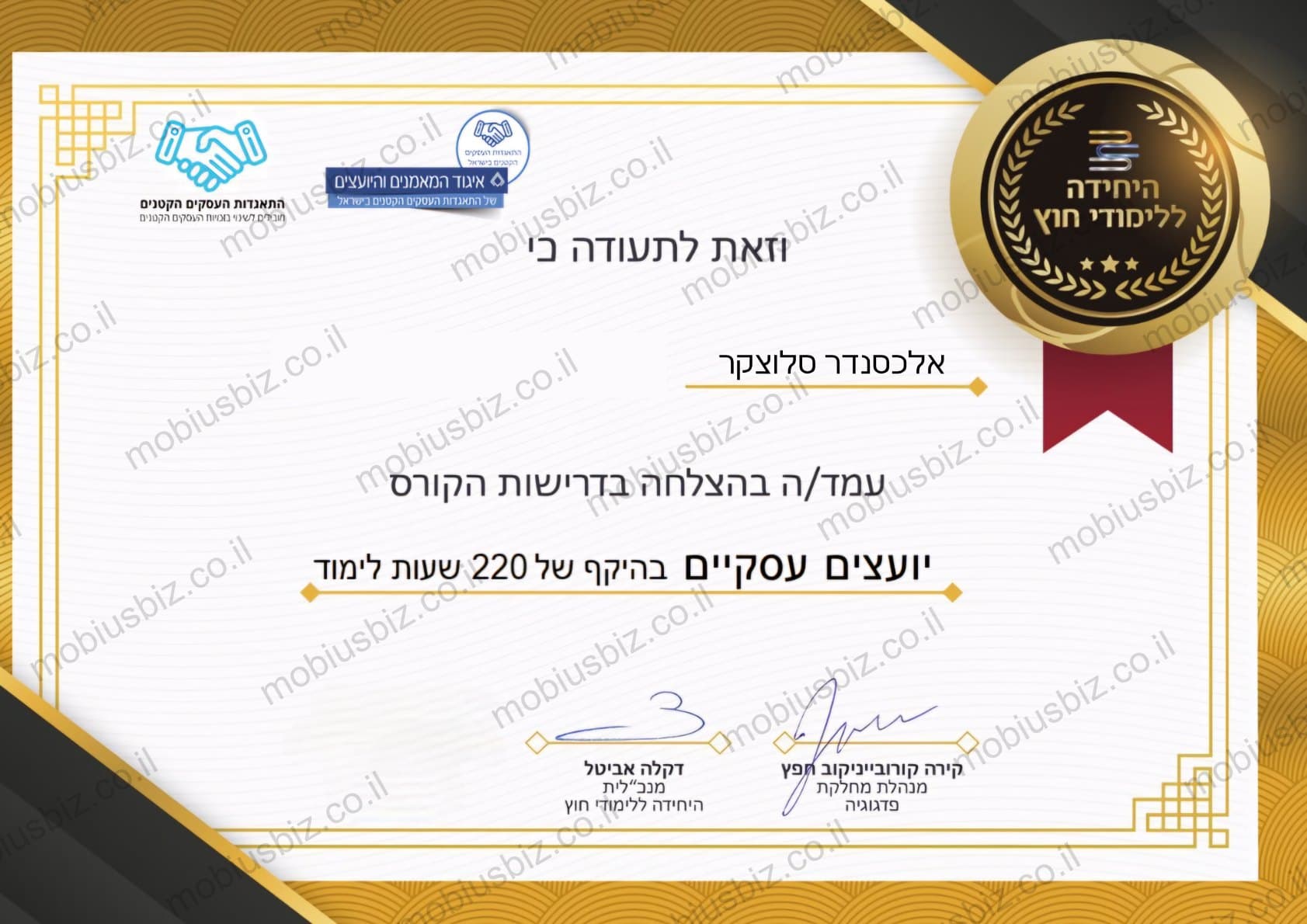
Business consultants course
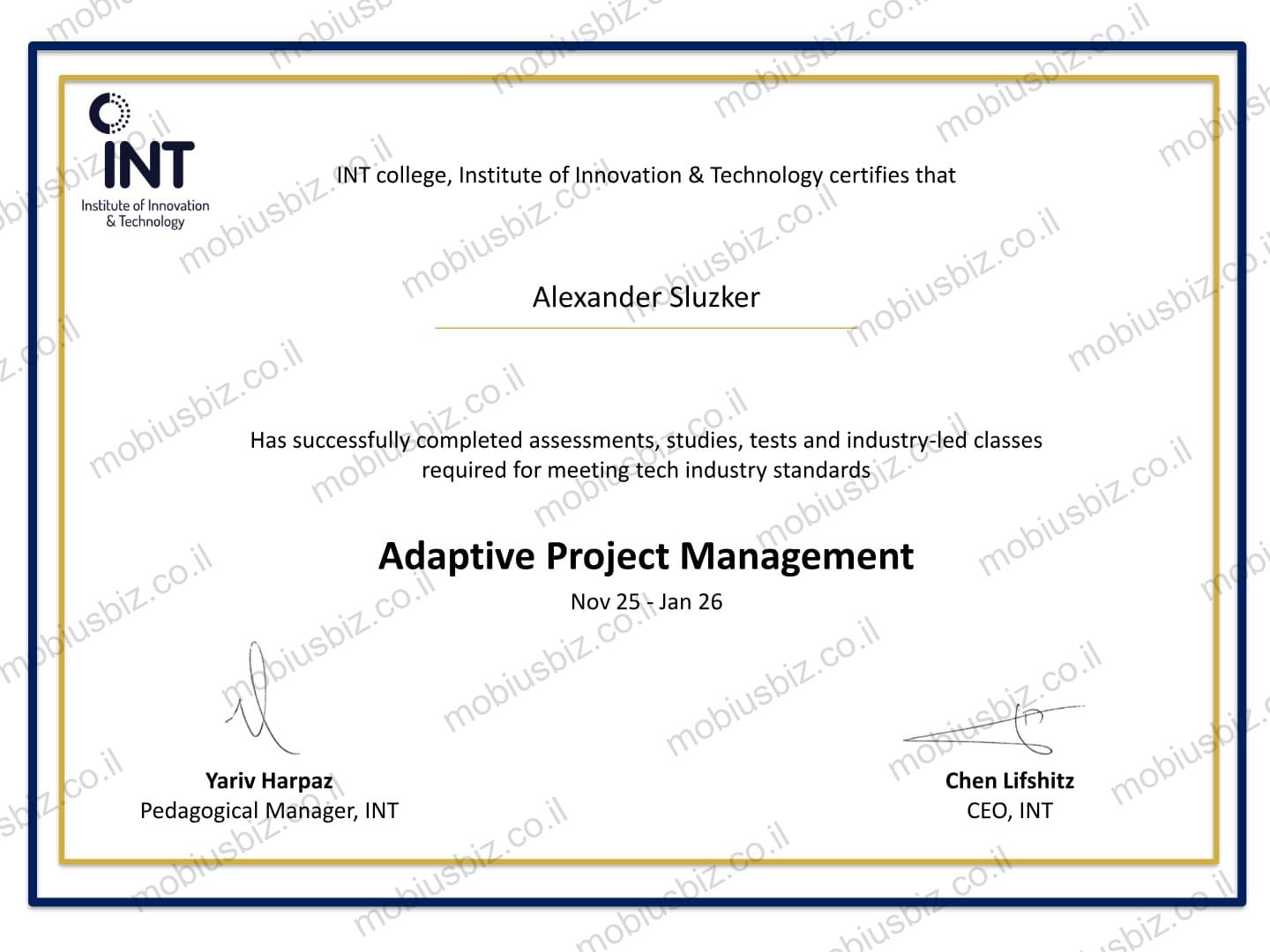
Adaptive project management, INT college
You work directly with me, and I stay your point of contact throughout the work.
- How does it start?
- With a free first conversation of 15 to 30 minutes, by phone or by video. In it we name the problem and shape the work around it. It is not where the answer is handed over. The answer comes out of the work that follows.
- How long before I see results?
- Not from the first meeting, and not from the first few. First we have to understand where the business really stands, so the effort goes only where it works and nothing that already works gets broken. When measurable, steady results come depends on the business and on the pace of the work. After a first conversation I can tell you what to expect in your field.
- How much of my time will it take?
- A meeting of about an hour, as often as the business needs, and a little more at the start while I learn the business. The rest is carrying out the plan, and that is work you would be doing in your business anyway, not time spent in meetings.
- Do my books have to be in order first?
- No. Paperwork is an important tool, but it is not a condition for starting. We begin from where things stand today and put the papers in order along the way, so the work never waits for them.
- What happens to the numbers I show you?
- Whatever you show me about your business stays between the two of us, exactly as it does for every other client of mine.
- What kinds of businesses do you work with?
- I have worked with self-employed professionals, small businesses and startups, in beauty and wellness, the trades, food, retail, manufacturing, education, hi-tech and real estate investment, in Israel and abroad. Your trade matters less than your stage. A bakery and a software company at the same stage are usually stuck on the same thing.
Frequently asked questions
How do I know if I need a manager or a stronger employee?
Look at where the work really breaks. If tasks get done but nobody sets direction, decides priorities or settles friction between people, you usually need a manager. If there is direction and one area is weak in execution, a stronger specialist is often the right move. I check it with you like this: list the decisions you make every week and ask which of them really have to stay with you. If three or more belong to one area, that area probably needs a manager. If only one or two, a strong employee is usually enough.
Do you find the candidates yourself?
Yes. I search for candidates, do the first screening and hold the first interviews. Then you, or the manager the new hire will report to, interview the shortlist together with me, and the decision is yours.
How do you tell a real manager from someone who presents well?
I look for a manager who knows the basics of management, the technology and the profession, and who understands the background of what he is doing. Some candidates can describe work nicely without having done it. So the interviews are built on real situations from your business: what would you do here, what would you check first, whom would you involve. A person who has done the work answers from experience, and the difference is easy to hear.
Why define the role before interviewing?
Because a vague role is one of the common reasons a hire fails. Before any interview I define the role with you: the few results the manager is responsible for, the decisions he makes alone, the decisions he brings to you, the team and the means he will have, and a realistic picture of who can do it. The definition is checked against your real problems, not a generic job title. With it in hand the interviews are focused, and the offer rests on shared expectations rather than hope.
What happens after the manager is hired?
The first months decide whether a senior hire takes root, so they need a structure. Together we agree what the manager learns and observes first, what he starts to decide next, and what he takes over fully after that. You stay close at the start, then step back on purpose as the manager takes over. I stay close to both of you, so problems come up early and the plan changes when reality does not match it.
How is this different from training managers?
Executive hiring brings a manager in from outside: the role, the search, the interviews and the start in the job. Training managers means working with the team you already have: who decides what, how your managers manage and how the team talks. Often the two go together, first the hire, then building the management team around it.
Related services
- Training Managers and Building Your Management TeamWhen the managers are in place and need to work as one team.
- Strategic Consulting and Ongoing Business GuidanceWhen you first need to know where the business is heading, before whom to hire.
New to consulting? Start with the map of what business consultants do
Ready to Get Started?
Book a Free Call+972 055-248-6151. Other ways to reach me
We can talk in English, Hebrew or Russian.