Startup Consulting: From Idea to Early Traction
A practical path from a broad startup idea to focused validation, first users, evidence of traction and readiness for the investor conversation.
What is traction
Traction is evidence in numbers that real customers keep paying for or using a product, not just likes, followers or visits to a website.
Illustration
The idea in one picture
Startup consulting is useful when a founder has energy, ambition and too many possible next steps. The work is not to make the idea sound more exciting. The work is to turn activity into evidence.
The biggest early mistake I see is trying to test too many assumptions at once. A founder may have a large product vision, several customer segments, a long feature list and a plan to build before the market has answered the basic question: who has the painful problem, and what will they do to solve it?
That is where outside guidance earns its place. Not because I know the market better than the founder, but because of discipline: one customer segment, one problem, one measurable result. Instead of building a full platform, the founder runs a manual pilot with interview scripts, clear criteria for who counts as a fit, and a simple commercial test. After every conversation, the record shows whether the person showed interest, refused, delayed or committed.
That changes the next decision. The first customers do not have to confirm the whole vision. They show which part of the solution matters enough to start with.
Validate the problem before building
Validation is not the same as encouragement. A person can say the idea is interesting and still avoid paying, switching tools, changing habits or spending effort inside their own company to push it through.
Before building an MVP (a simple first version to test), separate four questions:
- Who feels the problem strongly enough to act?
- What are they doing today instead?
- Who controls the budget or the approval?
- What proof would move them from interest to commitment?
The answer does not have to be perfect. It does have to be more specific than "small businesses" or "people who need efficiency." A vague segment makes every later step more expensive: product, messaging, sales, pricing and fundraising.
If you are still defining the problem, start with the practical checks in how to validate a startup idea. If you already have many feature ideas, also read the MVP trap before the feature list turns into development work.
Narrow the first customer
Early traction (real, repeatable proof customers want it) usually comes from a narrow first market, not from a large theoretical one. A small segment lets you compare similar conversations and learn faster.
I prefer to define the first customer by behavior, not only by industry. For example:
- They already spend money on an imperfect workaround.
- The problem creates urgency, lost revenue, regulatory pressure or visible operational pain.
- The buyer can decide within a realistic time frame.
- The founder can reach enough of them without a large marketing budget.
This is where market research becomes practical. The founder should know the real buying process, the objections, the alternatives, the price expectations and the operational limits. Otherwise the plan is built in a laboratory, which is one of the most common ways an early business becomes too optimistic.
Scope the smallest useful test
The smallest useful test is not always software. It can be a manual service, a paid pilot, a spreadsheet, a landing page with qualifying calls, or a narrow prototype that proves one behavior.
The test should answer one hard question. For example:
- Will customers pay before the full product exists?
- Will a manager bring the tool into a team?
- Will users come back without constant reminders?
- Will a manual version produce a result worth automating?
This is why the early scope should be small. A large build hides the learning inside the delivery. A focused test makes the learning visible.
Turn conversations into first users
Customer conversations must go somewhere. A good validation process records the reason behind every "yes," "no," "not now" and "send me details."
Track the patterns:
- Which words for the pain keep repeating?
- Which objections block commitment?
- Which buyers ask about price early?
- Which customers actually want a different product?
- Which channel produces serious conversations, not just attention?
When enough conversations point to the same urgent problem, you can design the first offer. The goal is not a perfect launch. It is a controlled first step from validation to real usage. For the fuller path, see idea to first customer.
Track the numbers that prove traction
The numbers depend on the model. B2B founders may track paid pilots, pilot to contract conversion, contract size, sales cycle, pipeline quality, repeat usage, renewal, expansion, gross margin and implementation cost. B2C founders may track active users, retention by cohort, usage frequency, conversion to payment, acquisition cost, payback, organic growth and referrals.
The point is not to collect every metric. The point is to know which number would change the next decision. Sometimes the most important number is not revenue. It may be the time from first conversation to payment, the share of pilots that become contracts, or the support cost that appears after onboarding.
Prepare the story before fundraising
Fundraising should not be the reward for a polished deck. It should finance a specific reduction in risk. A round should buy a concrete next stage, not just more time.
Before approaching investors, founders need a clear line from problem to market, from test to traction, and from funding to milestone. That is why startup consulting connects directly to early-stage fundraising. The work done before the round decides whether the investor conversation is about the business or a debate about untested assumptions.
Validation, the business model and fundraising preparation are the stages I work through with founders in startup consulting. What traction evidence each funding stage expects is also part of my startup lectures.
If you want to pressure-test your startup path before spending months building in the wrong direction, talk it through with me. The aim is a next decision that is clearer and based on evidence.
The content on this blog is general information only and is not a recommendation to act. It is not business, legal, tax, or financial advice. Before making any decision, consult a qualified professional, such as an accountant, a lawyer, or a business advisor, about your specific situation.
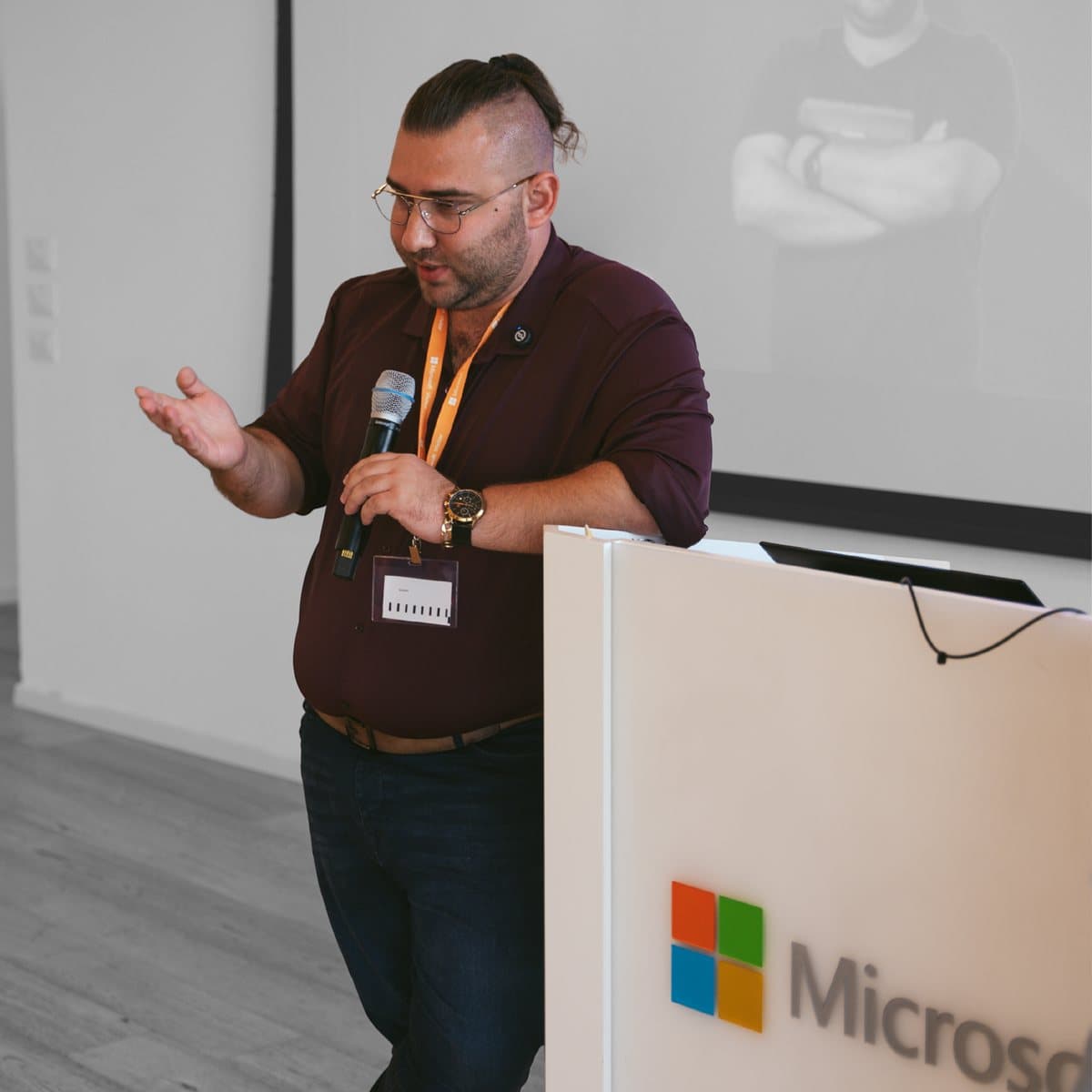
Speaking at Microsoft
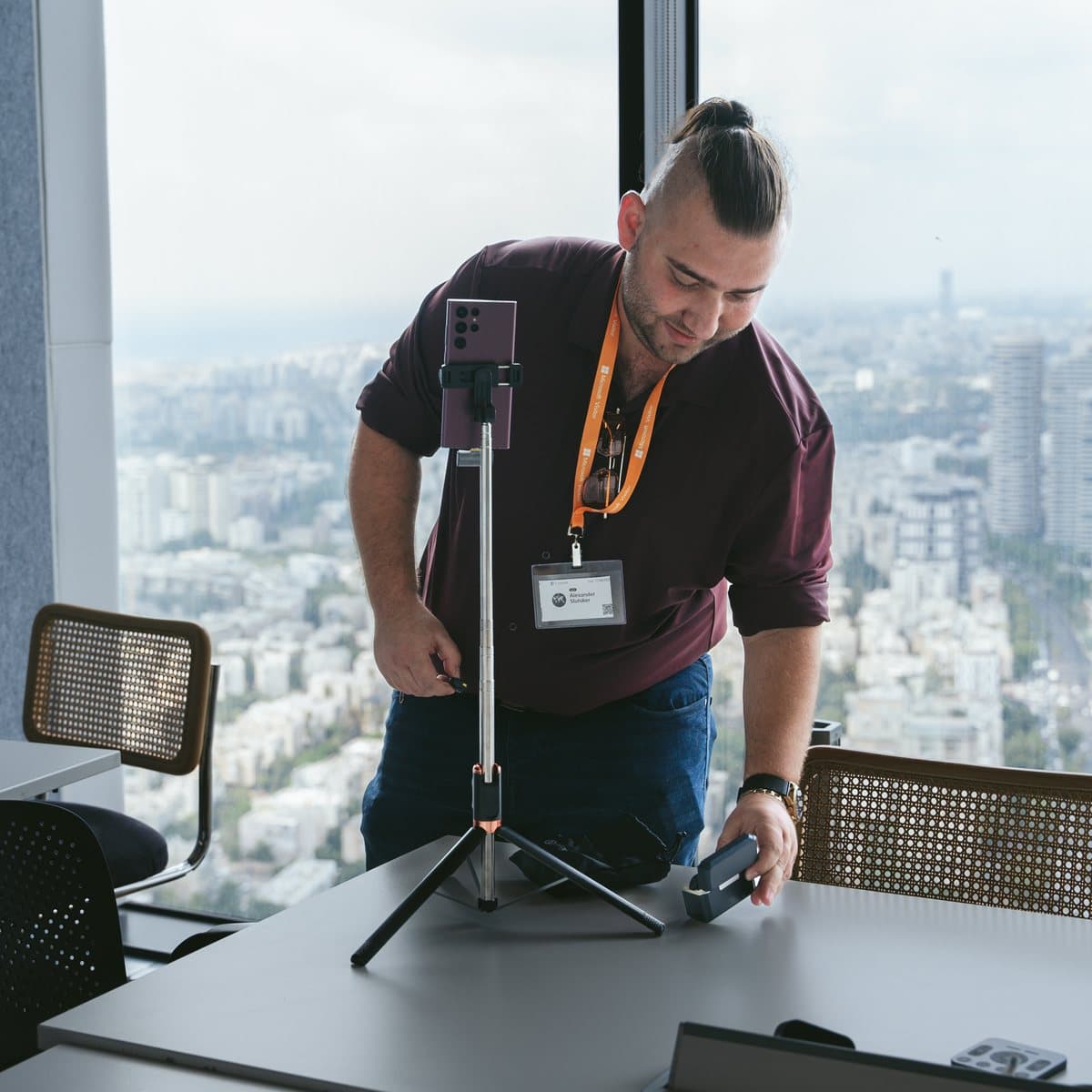
Meeting with international teams, as part of work with a startup
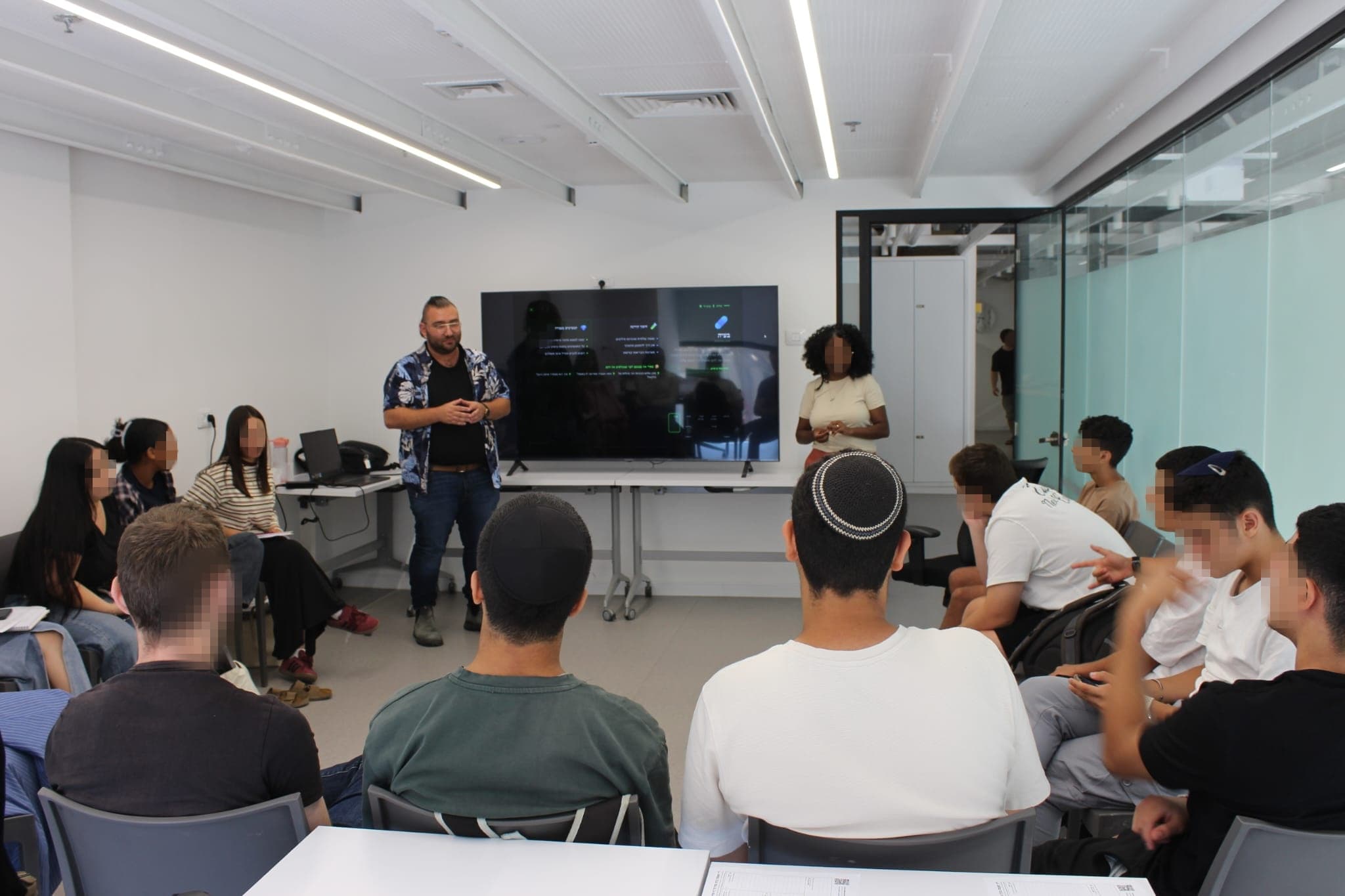
Teenovation, Meital centre Sderot
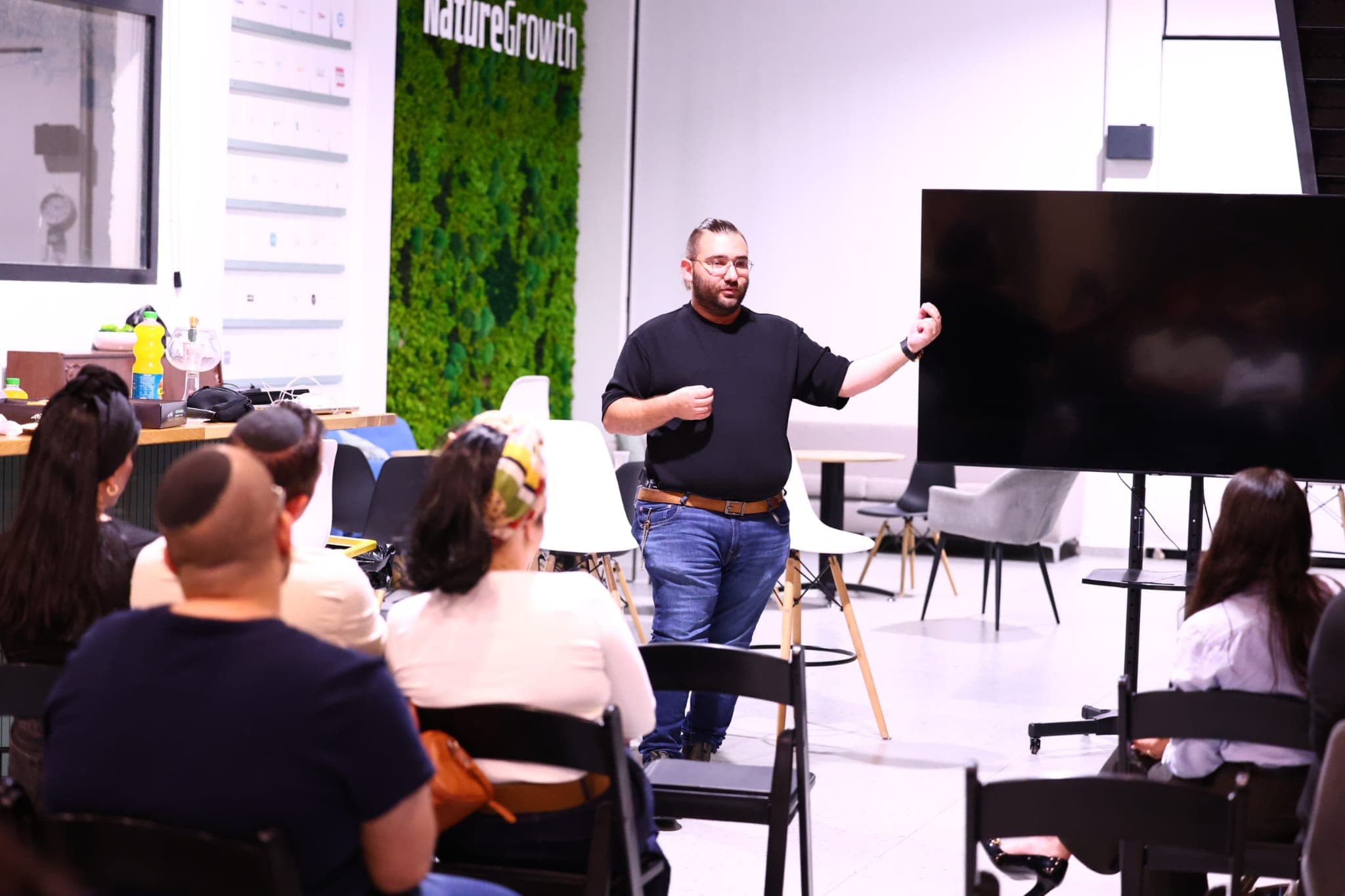
Entrepreneurs session, Sderot
I have worked with
- Google for Startups
- House of Business, Sderot Municipality
- Microsoft Reactor
- GameReady
- Eclipse Capital
- SderoTech
- IUCEL
- Resilience & Health Innovation Hub
- International Resilience Institute of Sderot


















- Google for Startups
- House of Business, Sderot Municipality
- Microsoft Reactor
- GameReady
- Eclipse Capital
- SderoTech
- IUCEL
- Resilience & Health Innovation Hub
- International Resilience Institute of Sderot
What Clients Say
From different fields, at different stages of business
Dan Manto
Eclipse Capital
Real Estate Investment and Finance, USA
Arty McLabin
GameReady
Game Development Education and Outsourcing, International

Anna
Beautician
After I finished a cosmetology course at a leading company, I was confused. I didn't know how to open a business, what to sell from home, or how to bring in clients. Since I reached out to Mobius, everything has changed. We built an organized plan with clear steps and no unnecessary risks. Today I see results, and I'm growing and developing every month.

Mark
Massage therapist, Gan Yavne
When I finished a massage course, I imagined a different world. I found out it's a hard field, and financial stability isn't easy to find. When I came to Mobius, something changed. We started an organized process and built a business plan. Without Mobius? I probably would have given up. Today I believe in myself and in my own path.
And the paperwork, for anyone who wants to see that too.

Certificate of appreciation, Sderot municipality
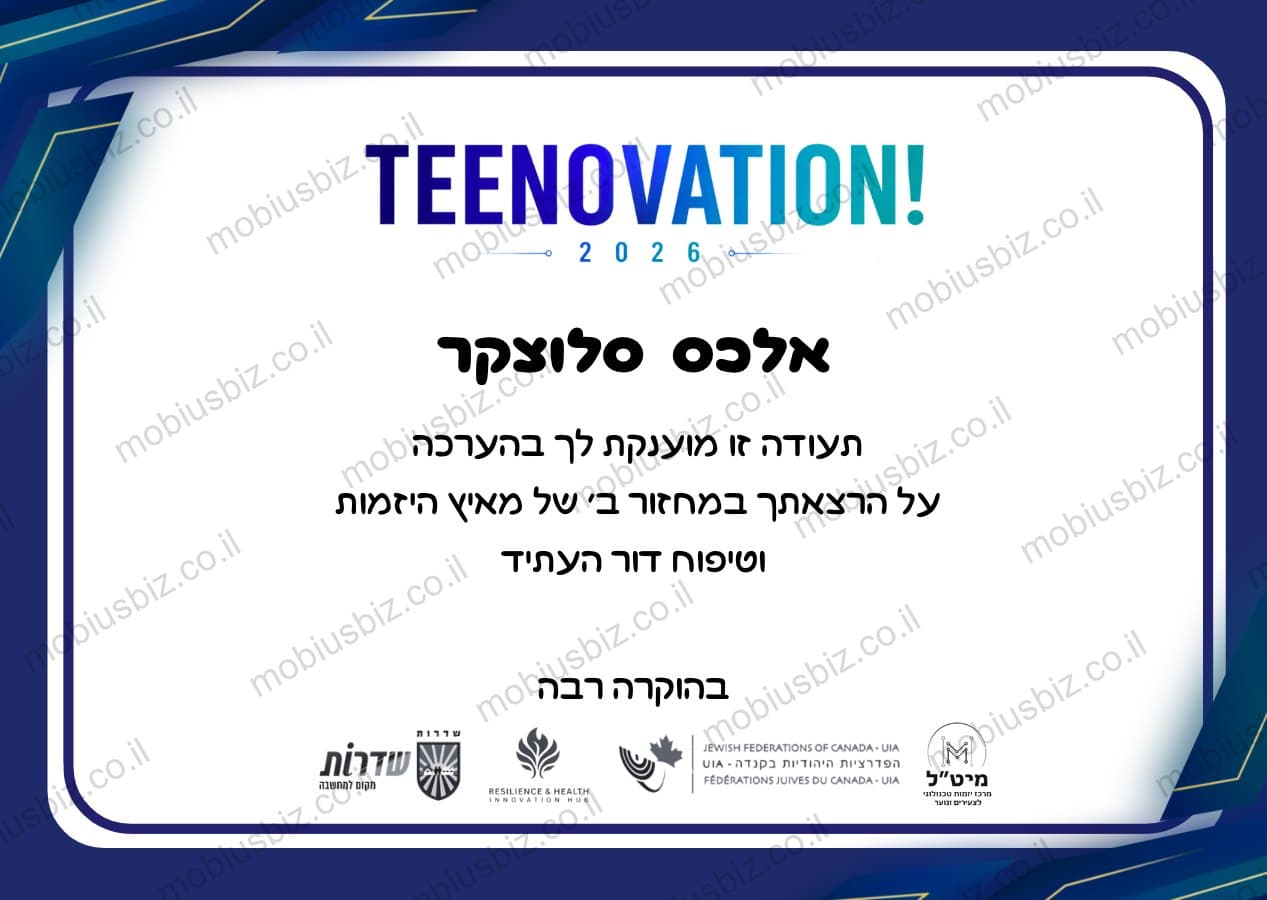
Certificate of honor, Teenovation 2026

Directors and officeholders course, SRI Campus
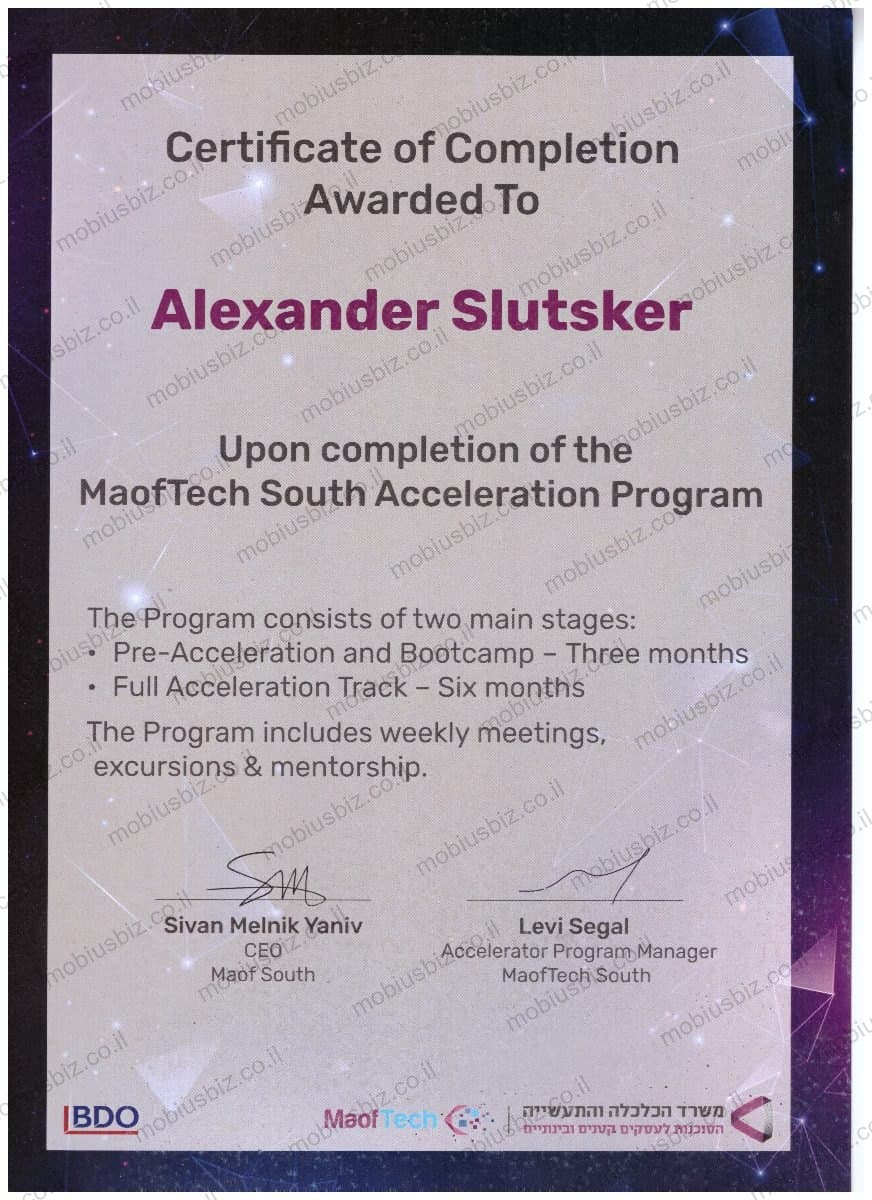
Acceleration program, MaofTech South
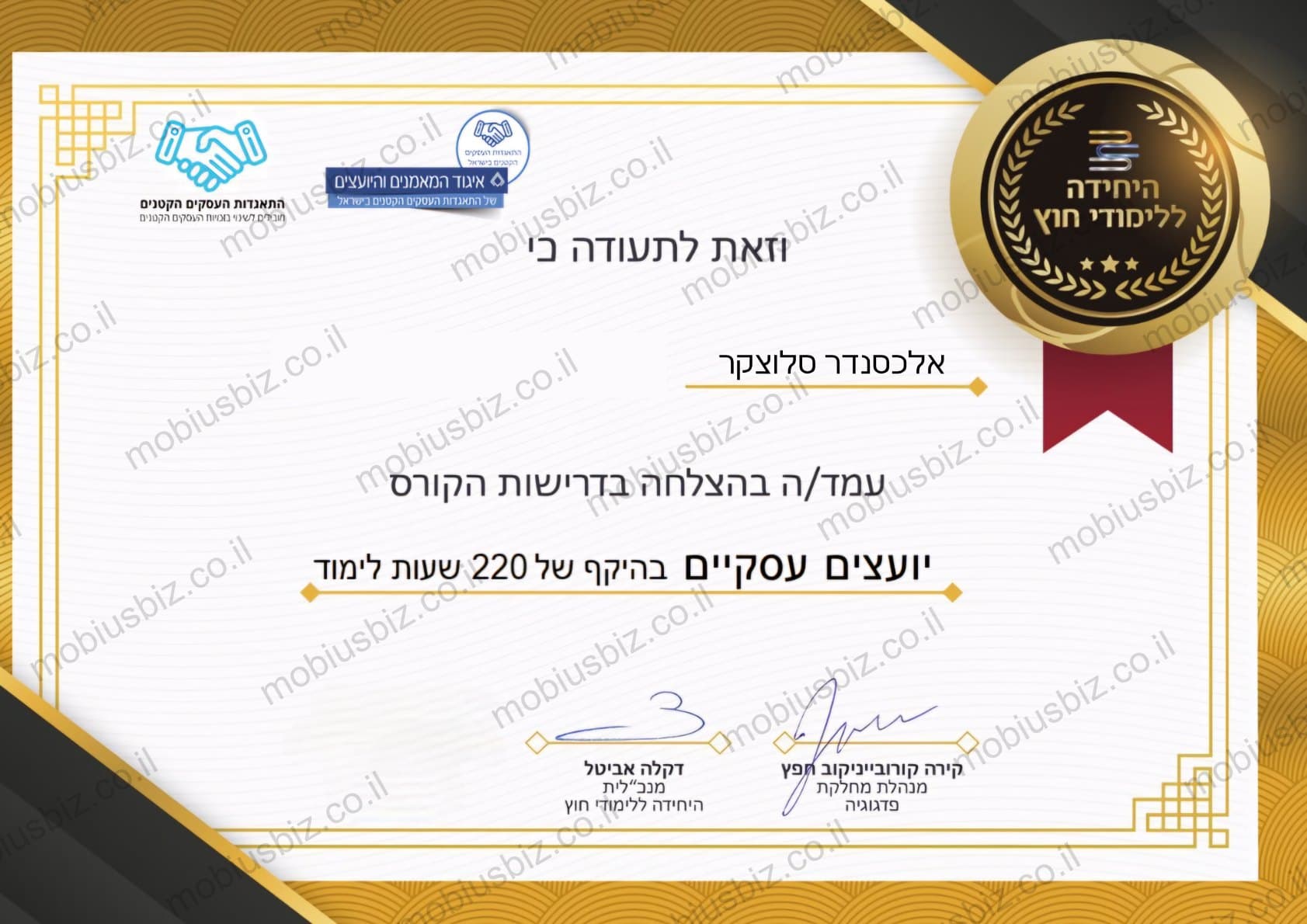
Business consultants course
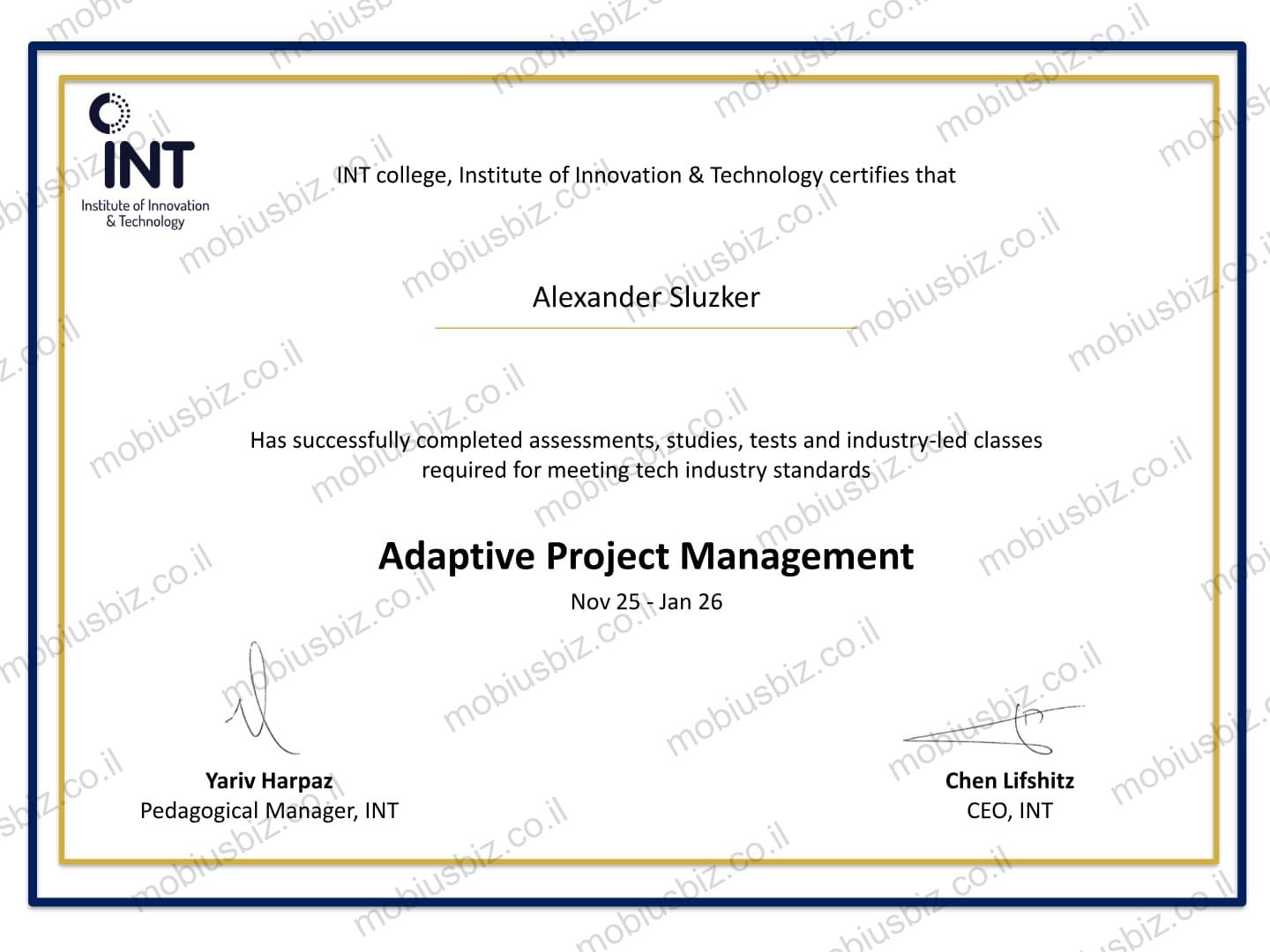
Adaptive project management, INT college
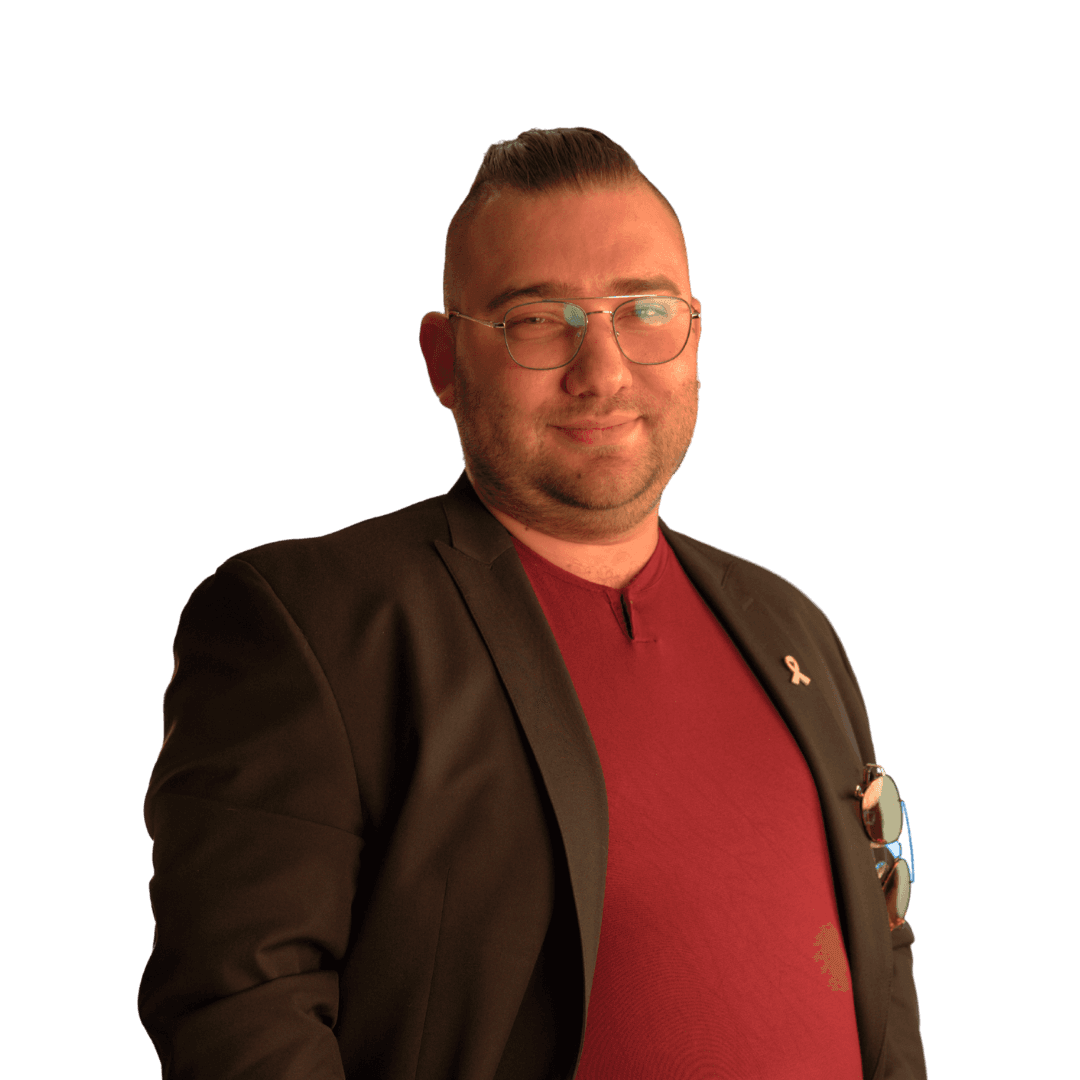
Business, Marketing, Operations & Financial Consultant
Mobius
Alexander Slutsker
9+Years of experience in business consulting
I help entrepreneurs, self-employed people, small businesses and startups understand their own numbers, choose what to do first and grow from there.
Book a Free Call+972 055-248-6151. Better on WhatsApp: I am in meetings most of the day and answer as soon as I am free. Other ways to reach me
We can talk in English, Hebrew or Russian.