Business Guidance for Starting a New Business
A practical launch path for first-time owners: validation, business plan, funding, registration, operations, marketing, and first-year support.
Consultant Fit Scorecard
Rate six statements about a consultant you are considering and get a verdict, plus the questions to ask on the first call.
1. They diagnosed before they recommended anything
2. They talk in your numbers, not in generic frameworks
3. They gave a realistic timeline, not a magic one
4. You understand exactly what the work gives you as it goes
5. They named risks and what could go wrong
6. Recommendations and reviews from businesses like yours hold up
1 = not at all, 5 = clearly yes.
Promising, dig deeper first
- How will you diagnose my business before proposing a plan?
- Which of my numbers will you want to see first?
- What can I realistically expect at the start, in my field?
Prefer to talk it through directly?
Book a free call+972 055-248-6151. Other ways to reach me
This is a simplified, illustrative tool meant to give you a quick feel for the numbers. It is not professional advice. Real business decisions depend on many factors it does not account for, and all results are estimates only. Mobius Business Solutions accepts no responsibility for decisions or actions taken based on this tool.
Business guidance for a new business is not a thick checklist. It is help with the expensive early decisions, before they turn into rent, inventory, equipment, licenses, payroll and marketing spend.
Many new owners start with energy and a product idea, but the risky decisions come early: how much to invest, what to test before committing, which structure to choose, what licenses or permits are needed, how much cash buffer is realistic, and how customers will actually find and pay the business.
A typical trap: a founder plans to buy a large product batch before testing demand. Run the numbers and the minimum order ties up almost all the available capital. Even if sales go to plan, nothing is left for marketing, delivery and the next purchase. The safer path is a smaller batch, pre-sales and a test of several price levels, which shows which products customers actually want before the large investment.
Validate demand before you commit
Before signing a lease, buying stock, or building a full website, test whether real customers care enough to act.
Validation should answer:
- Who is the specific customer?
- What problem are they trying to solve now?
- What alternatives do they use?
- What will they pay?
- How urgent is the need?
- How will you reach them repeatedly?
The business guide of the SBA (the U.S. Small Business Administration) puts market research and a business plan first, because the early work should reduce risk before launch. Market research is not academic. It should affect the offer, location, price, inventory, marketing, and funding need.
For a deeper validation path, start with validating your business idea.
Turn the idea into a living business plan
A business plan is not only a document for a bank or investor. It is the operating logic of the business.
It should define:
- Customer segment
- Offer and pricing
- Startup costs
- Fixed costs
- Gross margin
- Break-even (where income covers all costs)
- Marketing channels
- Sales process
- Cash buffer
- Risks and backup actions
The plan should be updated as new evidence arrives. A plan written once and ignored is not management. A plan used to make decisions is a business tool.
If you already have a draft, a business plan strategy session can help pressure-test the assumptions before money is committed.
Estimate costs, funding, and cash buffer
Do not plan only for the cost of opening. Plan for the cost of surviving the first months.
Include inventory, equipment, software, rent, deposits, professional fees, marketing, delivery, insurance, payment delays, taxes, unexpected repairs, and owner living needs where relevant. In Israel, and in many other markets, instability, security disruptions, seasonal swings, and delayed customer payments can make optimistic plans fragile.
Funding should be planned deliberately. A loan, partner, investor, personal savings, supplier credit, and pre-sales all create different risks and obligations.
For startup money discipline, read financial management for startups.
Review structure, registration, tax, licenses, and banking
This is where generic advice becomes dangerous if it pretends one rule fits everyone.
The SBA launch sequence, a US framework, includes choosing structure, registering the business, getting tax IDs, applying for licenses and permits, and opening a business bank account. The exact version depends on country, industry, location, ownership structure, and activity. For the Israeli sequence, see the step by step checklist for opening a business in Israel and the osek patur or osek murshe comparison.
Before launch, review:
- Legal structure and liability
- Registration requirements
- Tax setup and VAT or sales tax treatment
- Licenses and permits
- Banking and payment systems
- Bookkeeping setup
- Contracts and terms
- Insurance
This article is business planning guidance, not legal or tax advice. Use the right accountant, lawyer, payroll professional, or licensing specialist where the decision creates liability.
Build operations and marketing before launch
Opening the business is not the same as being ready to sell and deliver.
Before launch, prepare:
- Customer onboarding
- Proposal or checkout process
- Payment collection
- Delivery steps
- Supplier and inventory process
- Support process
- Basic reporting
- First marketing channel
- Follow-up rhythm
Marketing should not start with random activity. Define the customer, promise, channel, budget, sales process, and measurement. If you need help shaping that system, read marketing consulting for businesses.
Plan first-year support before the first sale
Launch gives you data, not certainty. The first year usually exposes wrong assumptions: price, offer, customer behavior, marketing cost, support load, repeat sales, supplier reliability, and owner capacity.
Plan a review rhythm before launch:
- Weekly cash and sales check
- Monthly margin and marketing review
- Customer feedback review after early purchases
- Support issue review
- Inventory or capacity review
- Quarterly strategy review
That rhythm connects pre-launch guidance to business support after launch. The goal is not to prove the original plan was perfect. The goal is to adjust fast enough that the business survives reality.
What does business launch support include?
Business launch support (a consultant working beside you through the launch) covers the decisions that shape the first months: checking the idea against real demand, choosing the right type of business (osek patur, osek murshe, a partnership or a limited company), setting a first price that covers the costs, and putting the first moves in order (pricing, first customers, marketing and money), so the business opens ready to sell. The work goes on after the opening, around real numbers and decisions.
This is my business launch support. I have 9+ years of experience in business consulting, a BBA and an MBA, and I have helped entrepreneurs, small businesses and startups open their businesses, so the plan is built from patterns that repeat, not from theory.
What does the first working meeting actually look like? A regular session takes about an hour. The first diagnostic meeting takes longer, especially for a business that already operates. I ask for everything that already exists: bookkeeping reports, income and expense data, business bank information, obligations and loans, contracts, supplier offers, price lists, advertising accounts, analytics, CRM data, and plans. The owner's story matters, but perception does not always match the documents, and a missing document simply becomes part of the work.
Before any recommendation comes one question: what do you plan to do next? The answer shows not only what the owner knows, but what is missing between the idea and the execution. General ideas are then broken into executable pieces. For marketing that means: who we sell to, with what offer, through which channel, with what budget, who launches it, when, how the result is measured, and what result stops or scales the test.
Priorities follow risk, not excitement: what can lose serious money, what creates legal exposure, what blocks the launch, what affects cash flow. The color of the logo does not deserve attention until there is proof that clients will pay the intended price. By the end of the meeting there is structure: the current situation, missing information, main risks, tasks for the coming week with owners and deadlines, and questions for the accountant, lawyer, or suppliers.
And if the numbers show the original model does not work, saying so is part of the job: change the format, cut the initial investment, change the audience or price, start with a pilot, postpone, or drop the idea. Declining a bad investment is also a result. Sometimes the best business plan is understanding, in time, that the loan is not needed yet.
The earlier the work starts, the more of the costly mistakes it catches in time. Most of the damage in a new business comes from decisions made before opening day: pricing, structure, market assumptions, and money management.
If you are preparing a new business and want to avoid expensive launch mistakes, talk it through with me. A good launch is built before opening day, not after the bills arrive. What business owners who worked with me say is in the recommendations below this article.
Sources
- U.S. Small Business Administration, plan your business, a US framework, not Israeli legal guidance.
- U.S. Small Business Administration, launch your business, a US framework, not Israeli legal guidance.
The content on this blog is general information only and is not a recommendation to act. It is not business, legal, tax, or financial advice. Before making any decision, consult a qualified professional, such as an accountant, a lawyer, or a business advisor, about your specific situation.
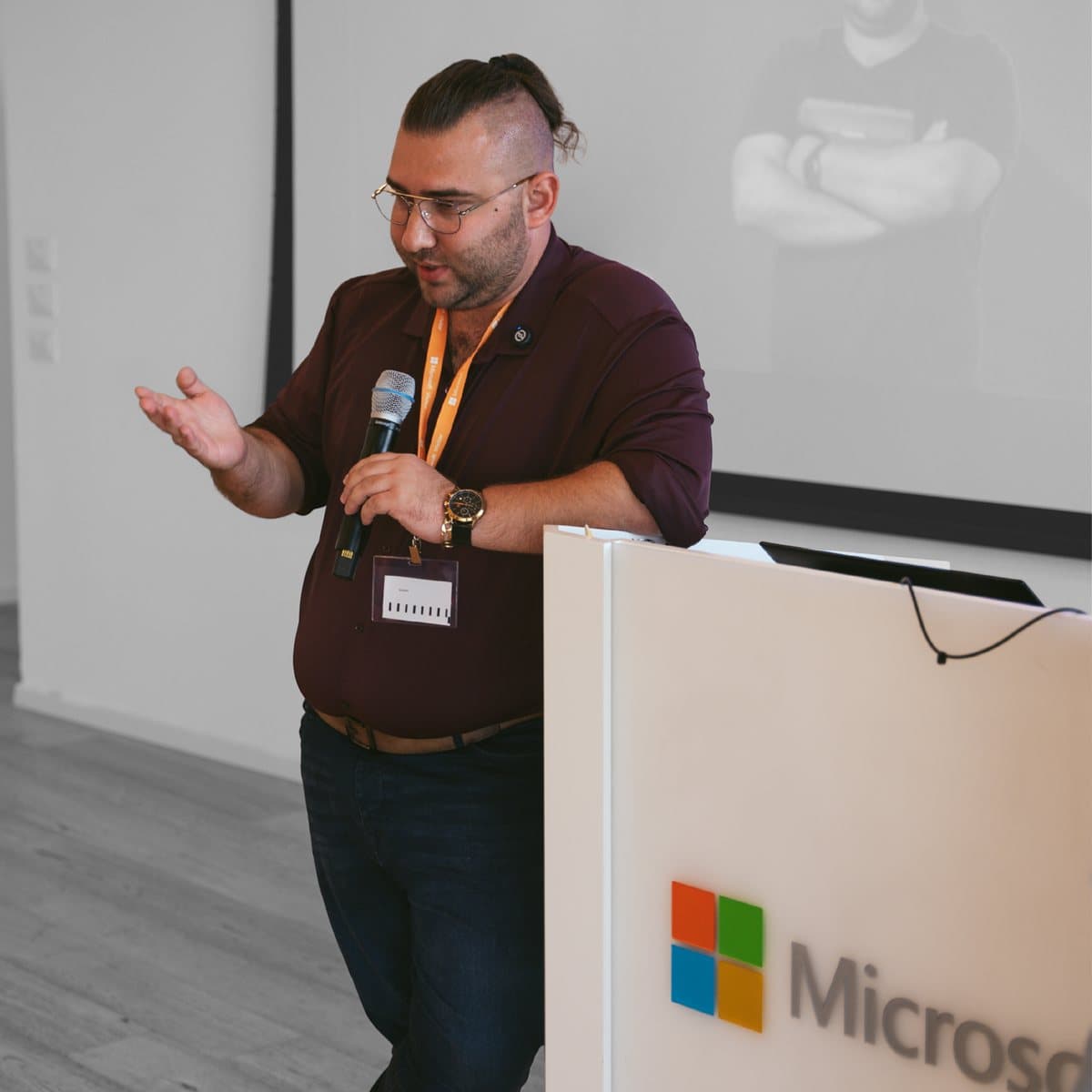
Speaking at Microsoft
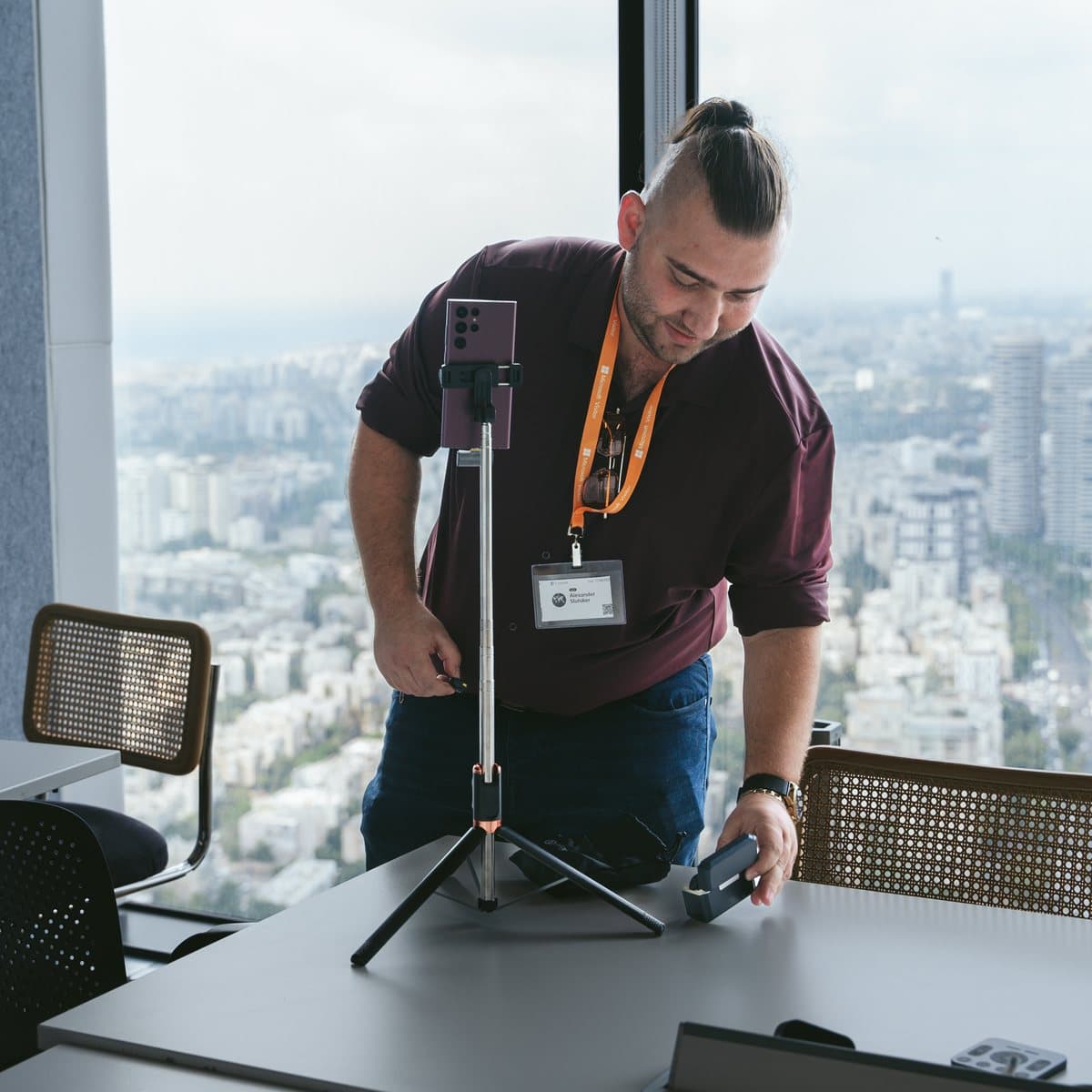
Meeting with international teams, as part of work with a startup
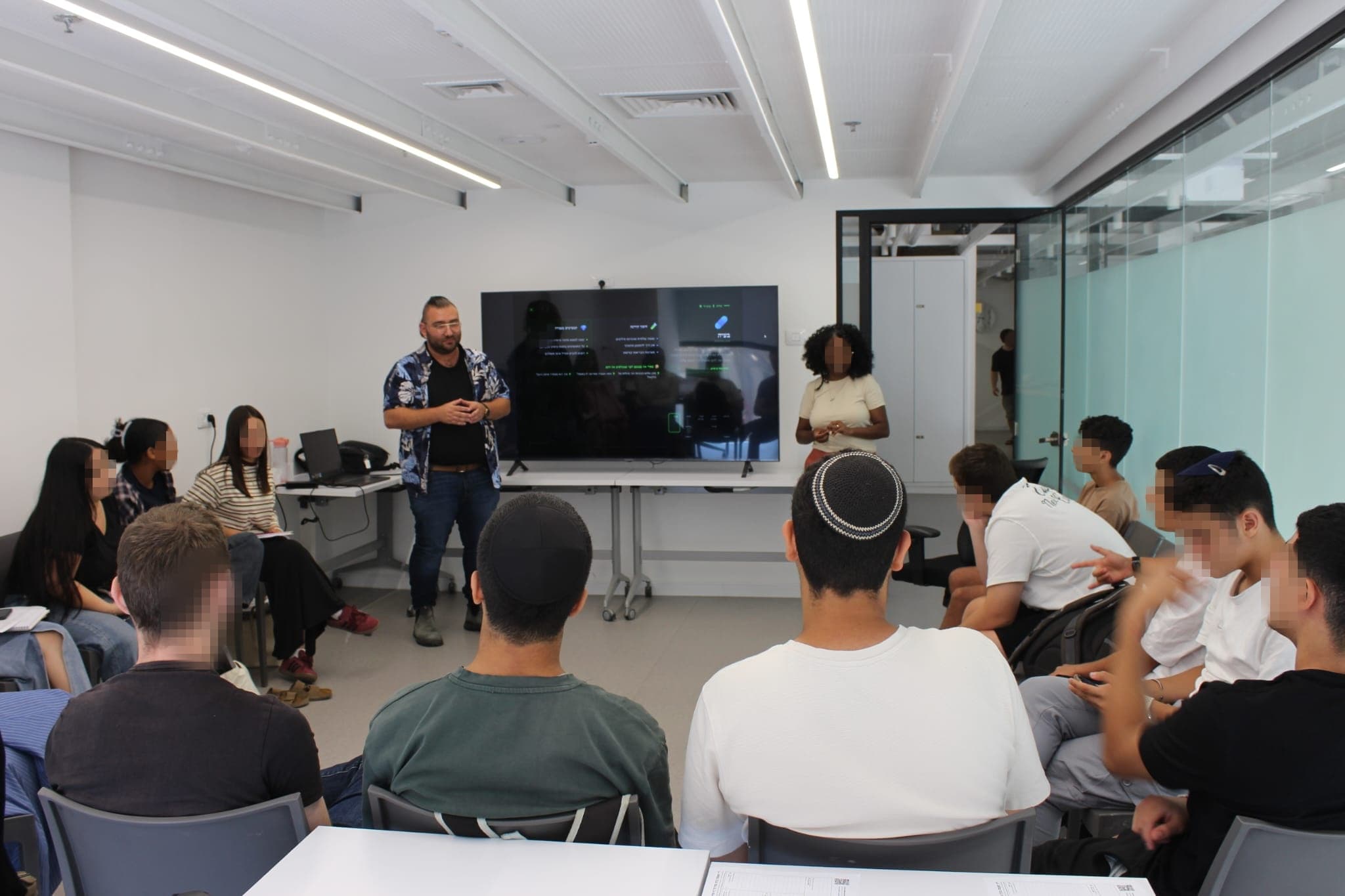
Teenovation, Meital centre Sderot
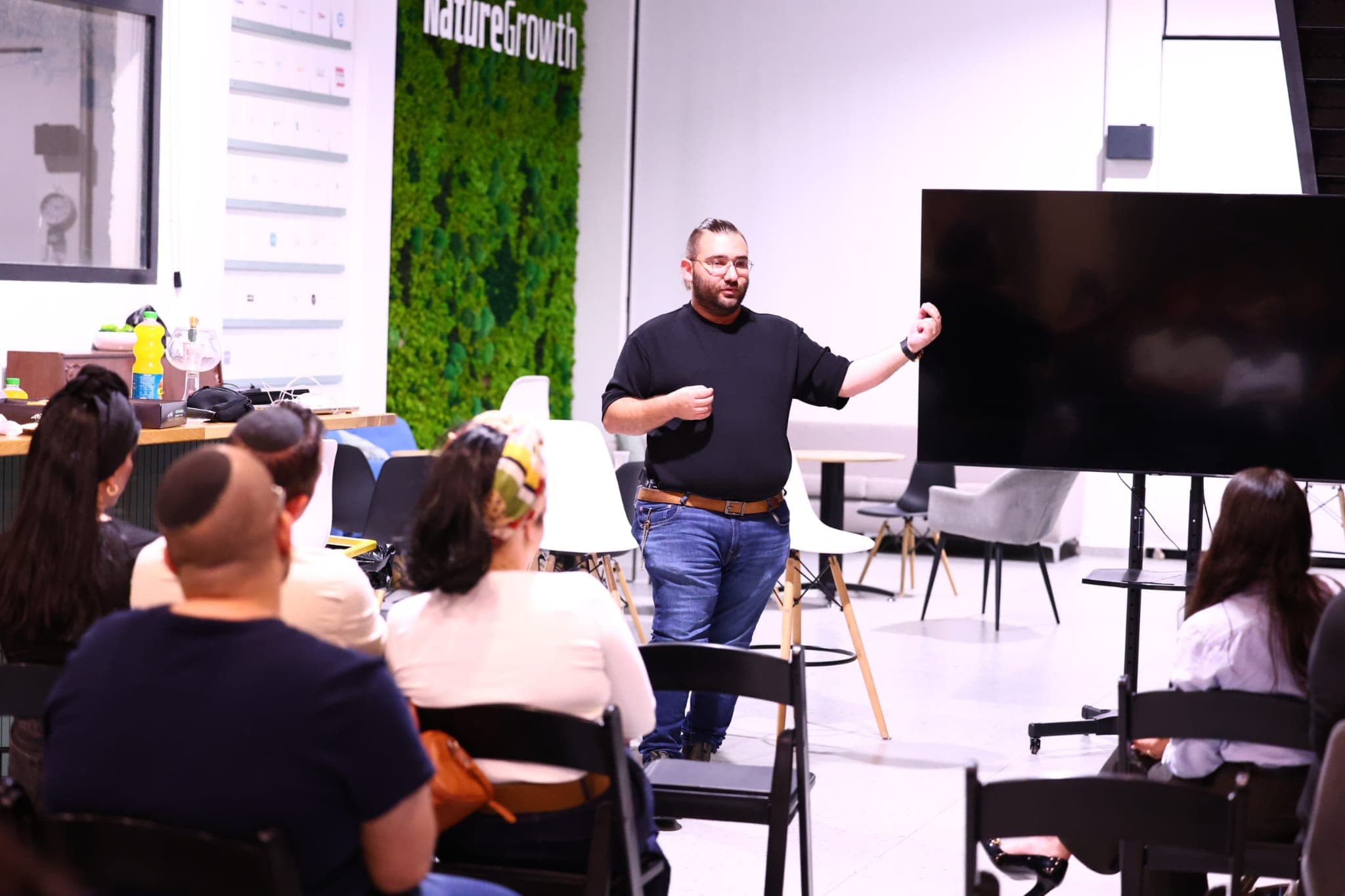
Entrepreneurs session, Sderot
I have worked with
- Google for Startups
- House of Business, Sderot Municipality
- Microsoft Reactor
- GameReady
- Eclipse Capital
- SderoTech
- IUCEL
- Resilience & Health Innovation Hub
- International Resilience Institute of Sderot

















- Google for Startups
- House of Business, Sderot Municipality
- Microsoft Reactor
- GameReady
- Eclipse Capital
- SderoTech
- IUCEL
- Resilience & Health Innovation Hub
- International Resilience Institute of Sderot
What Clients Say
From different fields, at different stages of business
Dan Manto
Eclipse Capital
Real Estate Investment and Finance, USA
Arty McLabin
GameReady
Game Development Education and Outsourcing, International

Anna
Beautician
After I finished a cosmetology course at a leading company, I was confused. I didn't know how to open a business, what to sell from home, or how to bring in clients. Since I reached out to Mobius, everything has changed. We built an organized plan with clear steps and no unnecessary risks. Today I see results, and I'm growing and developing every month.

Mark
Massage therapist, Gan Yavne
When I finished a massage course, I imagined a different world. I found out it's a hard field, and financial stability isn't easy to find. When I came to Mobius, something changed. We started an organized process and built a business plan. Without Mobius? I probably would have given up. Today I believe in myself and in my own path.
And the paperwork, for anyone who wants to see that too.

Certificate of appreciation, Sderot municipality
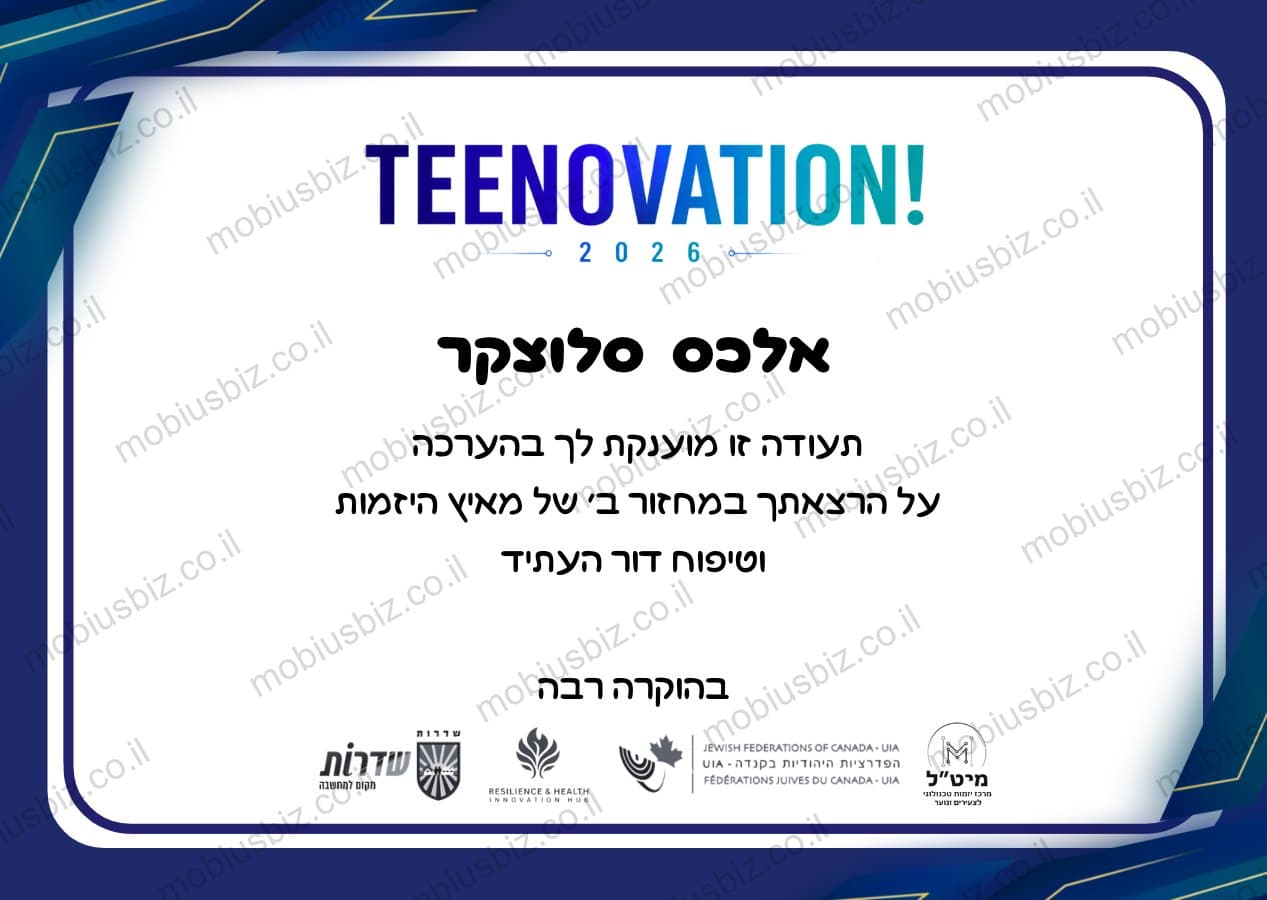
Certificate of honor, Teenovation 2026

Directors and officeholders course, SRI Campus
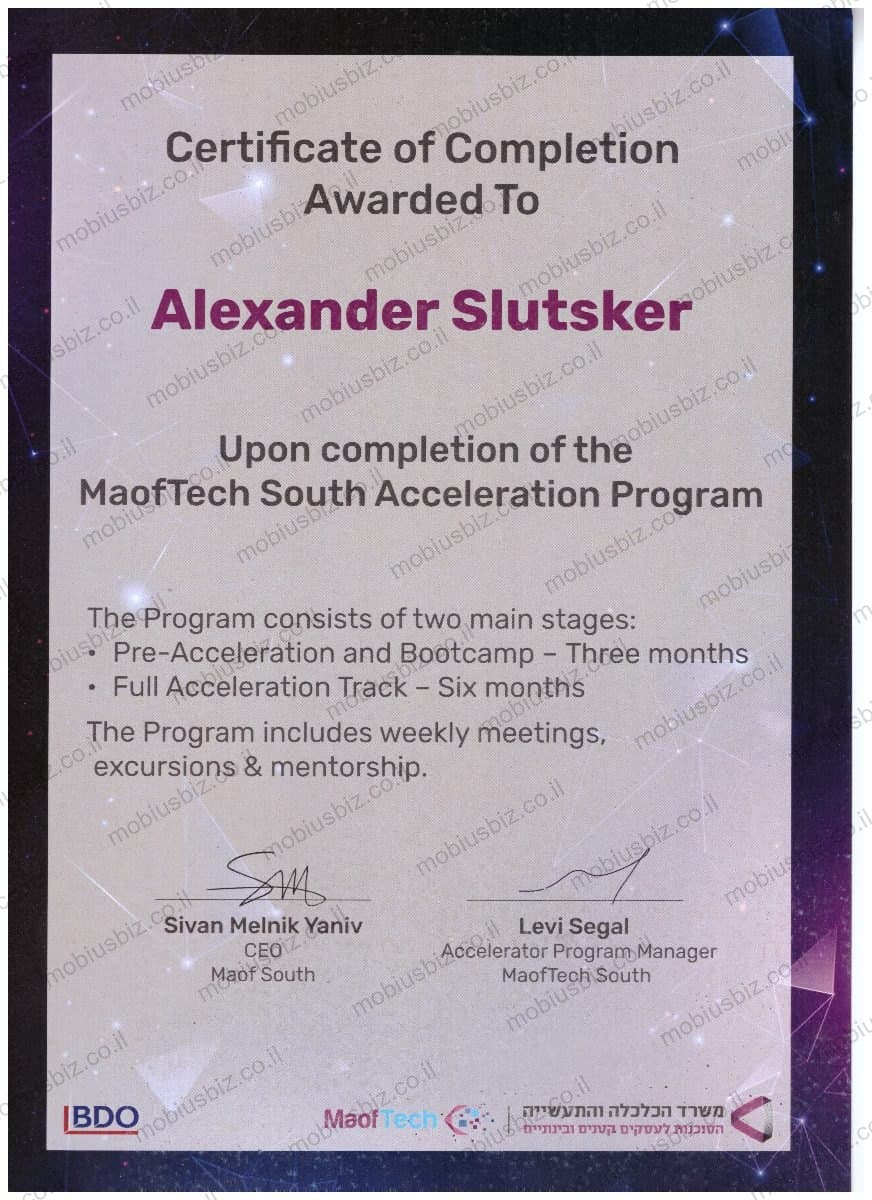
Acceleration program, MaofTech South
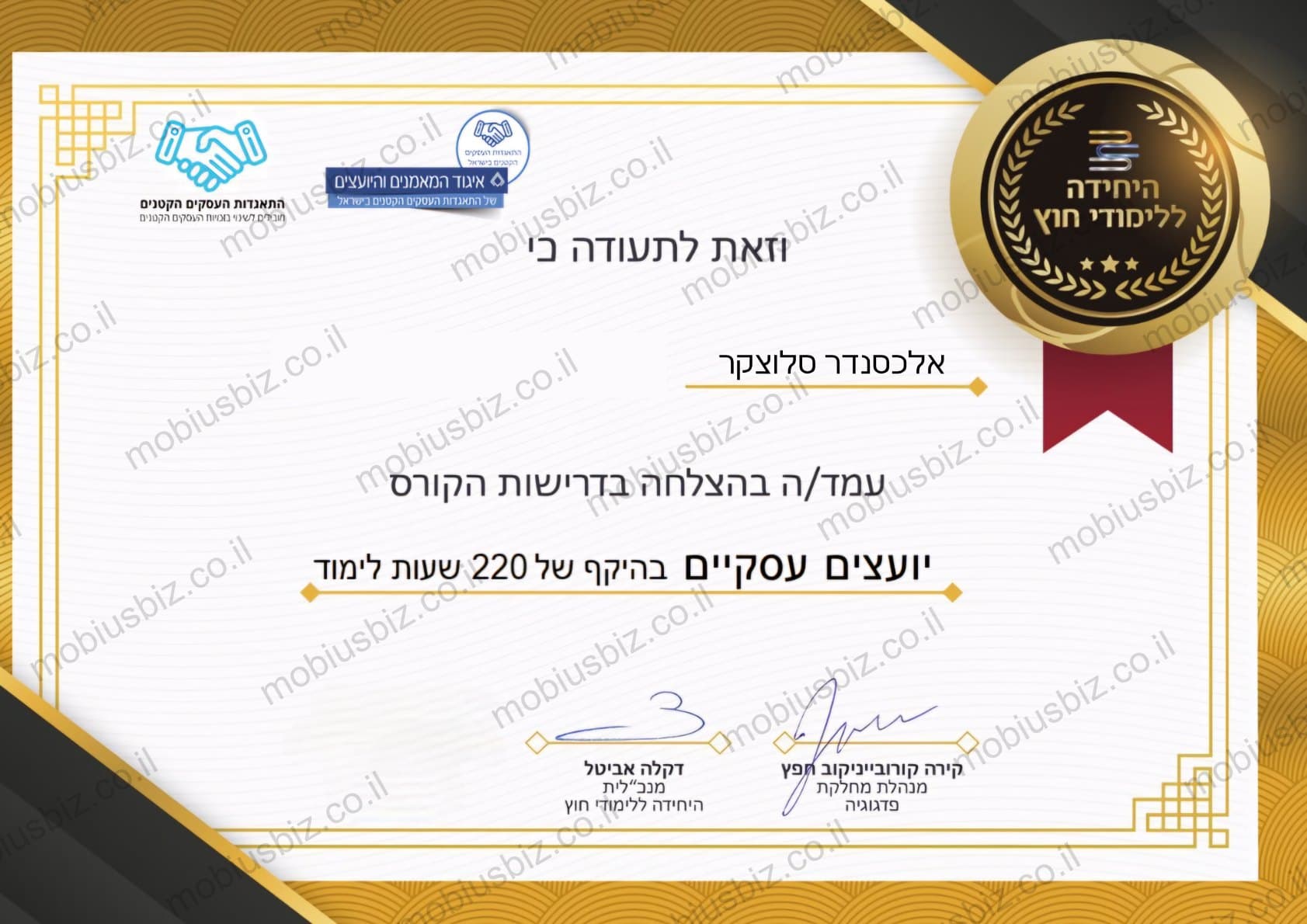
Business consultants course

Adaptive project management, INT college

Business, Marketing, Operations & Financial Consultant
Mobius
Alexander Slutsker
9+Years of experience in business consulting
I help entrepreneurs, self-employed people, small businesses and startups understand their own numbers, choose what to do first and grow from there.
Book a Free Call+972 055-248-6151. Better on WhatsApp: I am in meetings most of the day and answer as soon as I am free. Other ways to reach me
We can talk in English, Hebrew or Russian.