How to Validate a Business Idea Before Spending Shekels
A practical validation process for local, service, and small business ideas before rent, equipment, inventory, branding, or ads.
Break-even Calculator
See how many units you need to sell before the business starts covering its fixed costs.
Break-even units
167
Break-even revenue
₪33,400
Contribution margin per unit
₪120
Contribution margin percent
60%
What this means
You need 167 units, or ₪33,400 in sales, to cover fixed costs. Each unit contributes ₪120, a contribution margin of 60%.
Want to pressure-test the business model behind the numbers?
Book a free call+972 055-248-6151. Other ways to reach me
This is a simplified, illustrative tool meant to give you a quick feel for the numbers. It is not professional advice. Real business decisions depend on many factors it does not account for, and all results are estimates only. Mobius Business Solutions accepts no responsibility for decisions or actions taken based on this tool.
Validating a local or service business idea is not the same as validating a software startup. The question is not only "does anyone like this?" The question is whether the idea survives real prices, real costs, real payment timing, and real local demand.
Before spending shekels on rent, equipment, inventory, branding, or ads, test whether the business works in a small version.
The market research guide of the U.S. Small Business Administration (SBA) recommends using research to understand demand, market size, location, saturation, and pricing. For a small business, those questions must connect directly to cash and to how you will deliver the work.
One paying customer beats ten compliments
Positive feedback is easy to collect. Friends, relatives, and polite prospects may say the idea sounds good. That does not mean they will pay the price you need, at the time you need, for the version you can deliver at a profit.
The strongest early signal is not admiration. It is commitment: a deposit, a preorder, a paid pilot (a small paid trial), a booked appointment, a serious introduction, or real time invested by a target buyer.
This matters because many plans are written like laboratory experiments. They assume clean demand, stable costs, fast marketing, and no disruption. Real business is messier. Quotes change. Permits take time. Suppliers delay. Customers negotiate. Marketing costs more when nobody knows you yet.
Test the economics before the brand
Before designing the full business, write down the basic economics:
- target buyer
- painful problem
- expected price
- cost to serve
- gross margin (the profit left after direct costs)
- time needed per sale
- marketing cost
- payment timing
- fixed costs
- break-even point (where income covers all costs)
If the numbers only work under optimistic assumptions, the business is not validated. It is imagined.
This is especially important in Israel. A local business may depend on a small market, trust, referrals, Hebrew communication, WhatsApp follow-up, clarity about VAT, location, purchasing power, and resilience during security disruptions. Those are not side details. They can decide whether the business survives.
Use the smallest possible sale
A service business can test demand without signing a lease. Start with a narrow offer and one specific audience. Sell a limited version, a diagnostic session, a pilot day, a preorder, or a paid first appointment.
The goal is not to look big. The goal is to find out whether the buyer understands the value, accepts the price, and gets the result at a cost that still leaves you a margin.
If the first test fails, find out why. Was the problem weak? Was the price wrong? Was it the wrong buyer? Was the delivery too expensive? Was the follow-up too slow?
Delay can be the responsible decision
Sometimes the best answer is to delay the launch and improve the plan. That is not fear. It is risk management.
If a bakery, clinic, studio, or service company needs serious upfront investment, a weak plan can damage family finances, savings, and future credit. It is better to fix the model on paper and in small tests than to discover the problem after the money is gone.
For the pricing side, read how to price services, pricing a service business in Israel, and cash flow versus profit. For low-budget demand testing, read first 10 clients without ads.
Testing the idea against real demand and real numbers is the first stage of guidance for opening a business. The same test is also one of my lectures, Hypothesis Testing and Cheap Validation.
If you want your plan checked against real numbers before you spend, talk it through with me.
The content on this blog is general information only and is not a recommendation to act. It is not business, legal, tax, or financial advice. Before making any decision, consult a qualified professional, such as an accountant, a lawyer, or a business advisor, about your specific situation.
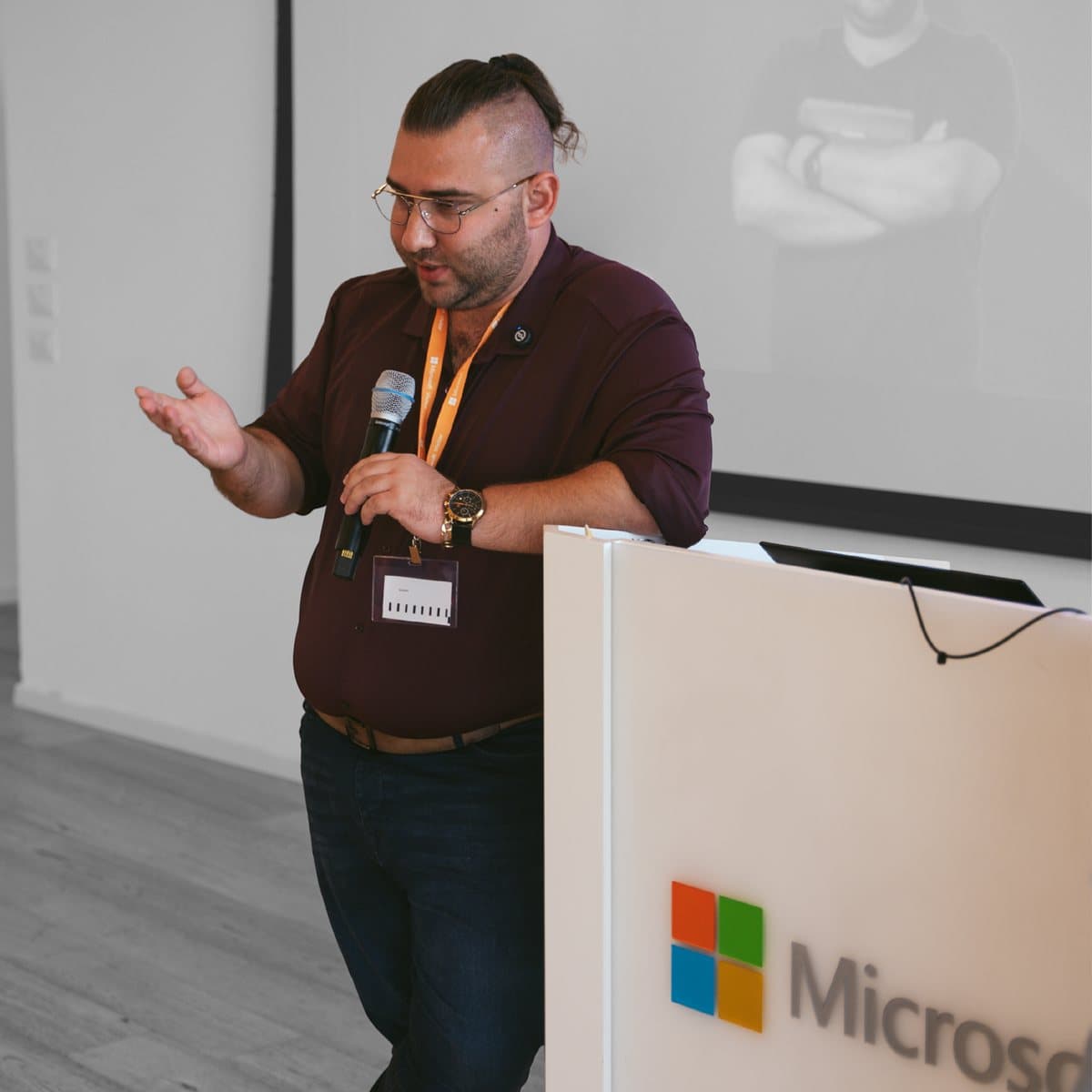
Speaking at Microsoft

Meeting with international teams, as part of work with a startup
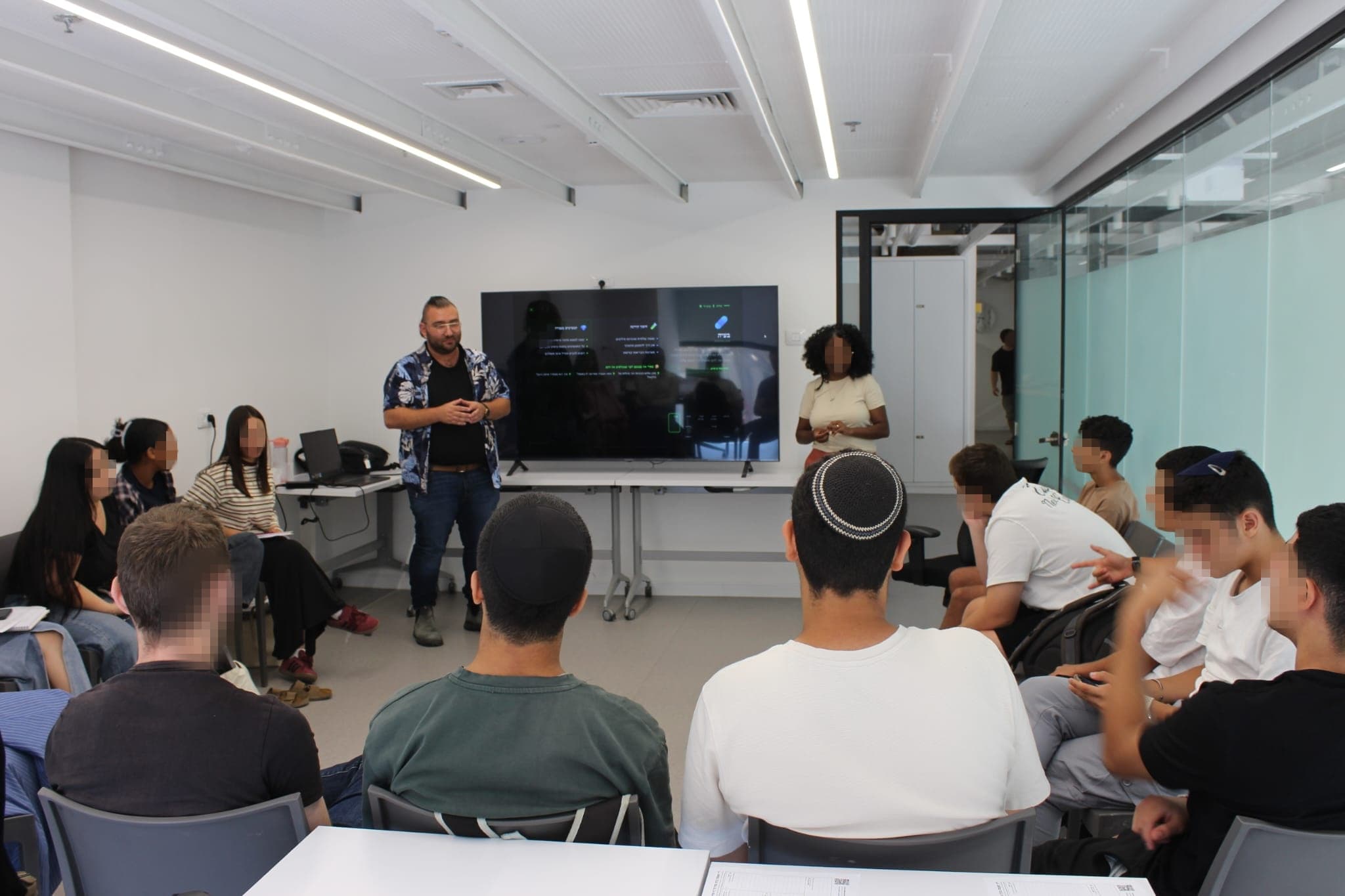
Teenovation, Meital centre Sderot
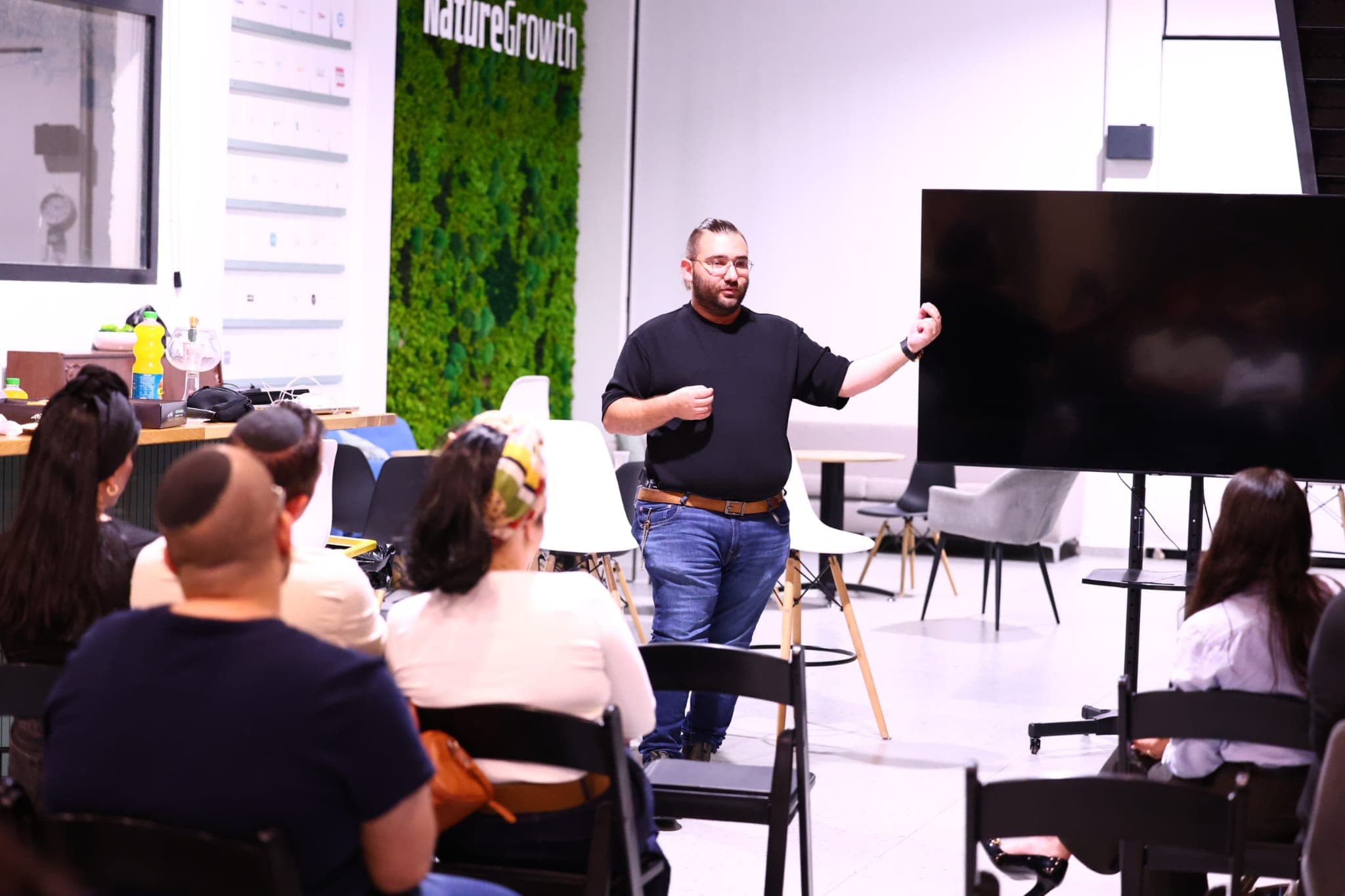
Entrepreneurs session, Sderot
I have worked with
- Google for Startups
- House of Business, Sderot Municipality
- Microsoft Reactor
- GameReady
- Eclipse Capital
- SderoTech
- IUCEL
- Resilience & Health Innovation Hub
- International Resilience Institute of Sderot

















- Google for Startups
- House of Business, Sderot Municipality
- Microsoft Reactor
- GameReady
- Eclipse Capital
- SderoTech
- IUCEL
- Resilience & Health Innovation Hub
- International Resilience Institute of Sderot
What Clients Say
From different fields, at different stages of business
Dan Manto
Eclipse Capital
Real Estate Investment and Finance, USA
Arty McLabin
GameReady
Game Development Education and Outsourcing, International

Anna
Beautician
After I finished a cosmetology course at a leading company, I was confused. I didn't know how to open a business, what to sell from home, or how to bring in clients. Since I reached out to Mobius, everything has changed. We built an organized plan with clear steps and no unnecessary risks. Today I see results, and I'm growing and developing every month.
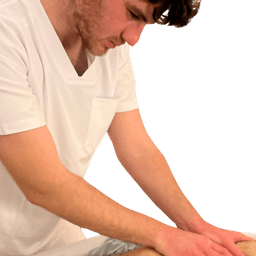
Mark
Massage therapist, Gan Yavne
When I finished a massage course, I imagined a different world. I found out it's a hard field, and financial stability isn't easy to find. When I came to Mobius, something changed. We started an organized process and built a business plan. Without Mobius? I probably would have given up. Today I believe in myself and in my own path.
And the paperwork, for anyone who wants to see that too.

Certificate of appreciation, Sderot municipality

Certificate of honor, Teenovation 2026

Directors and officeholders course, SRI Campus
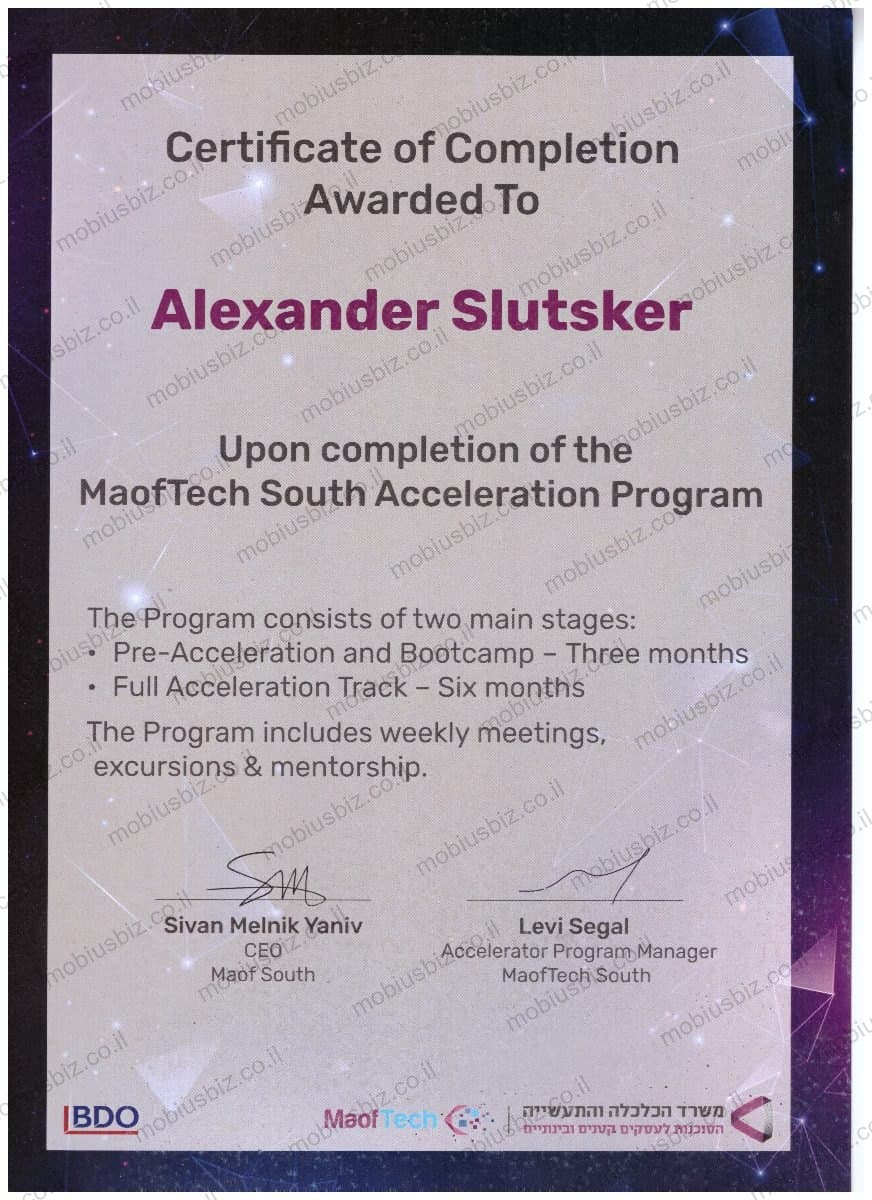
Acceleration program, MaofTech South
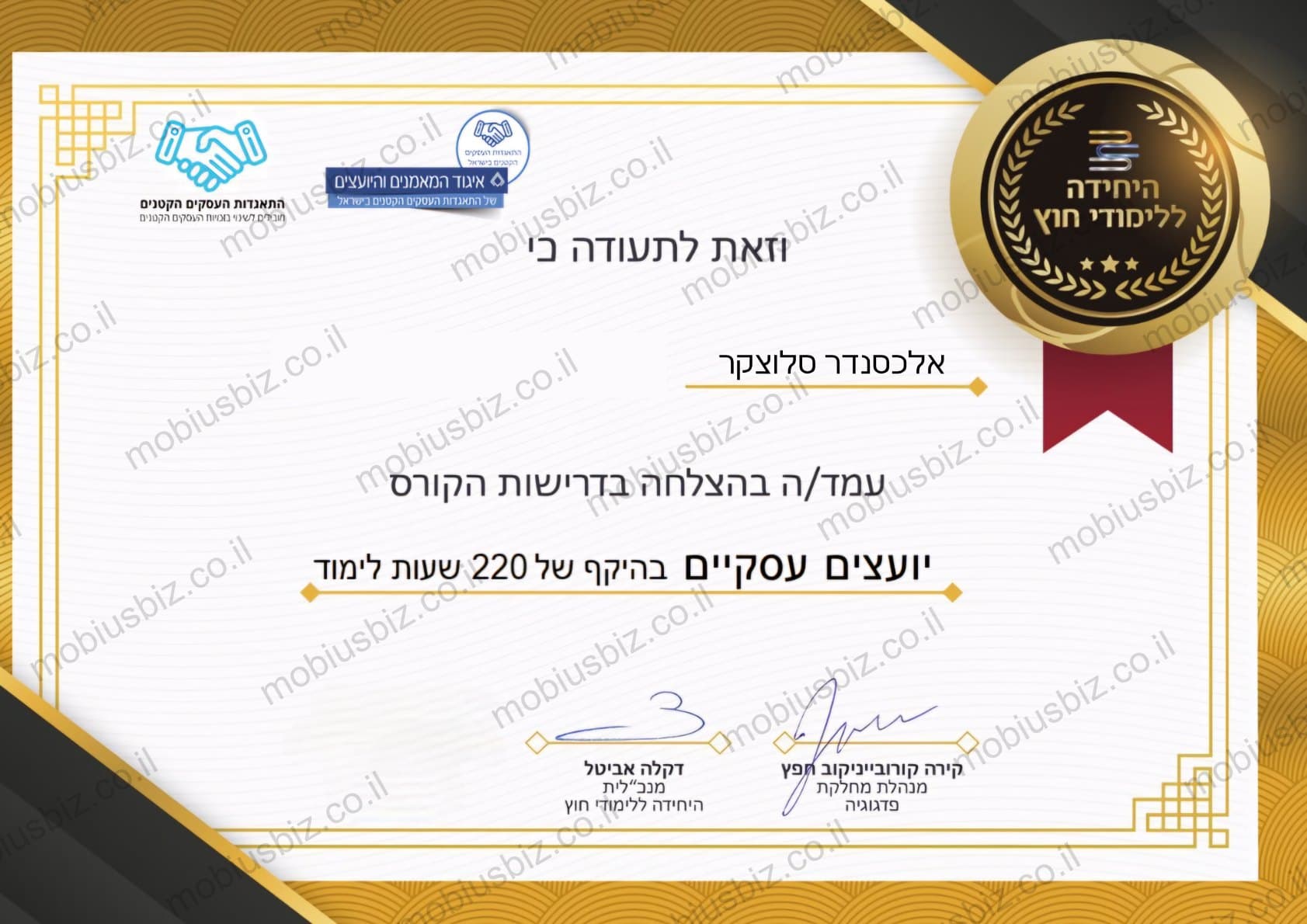
Business consultants course
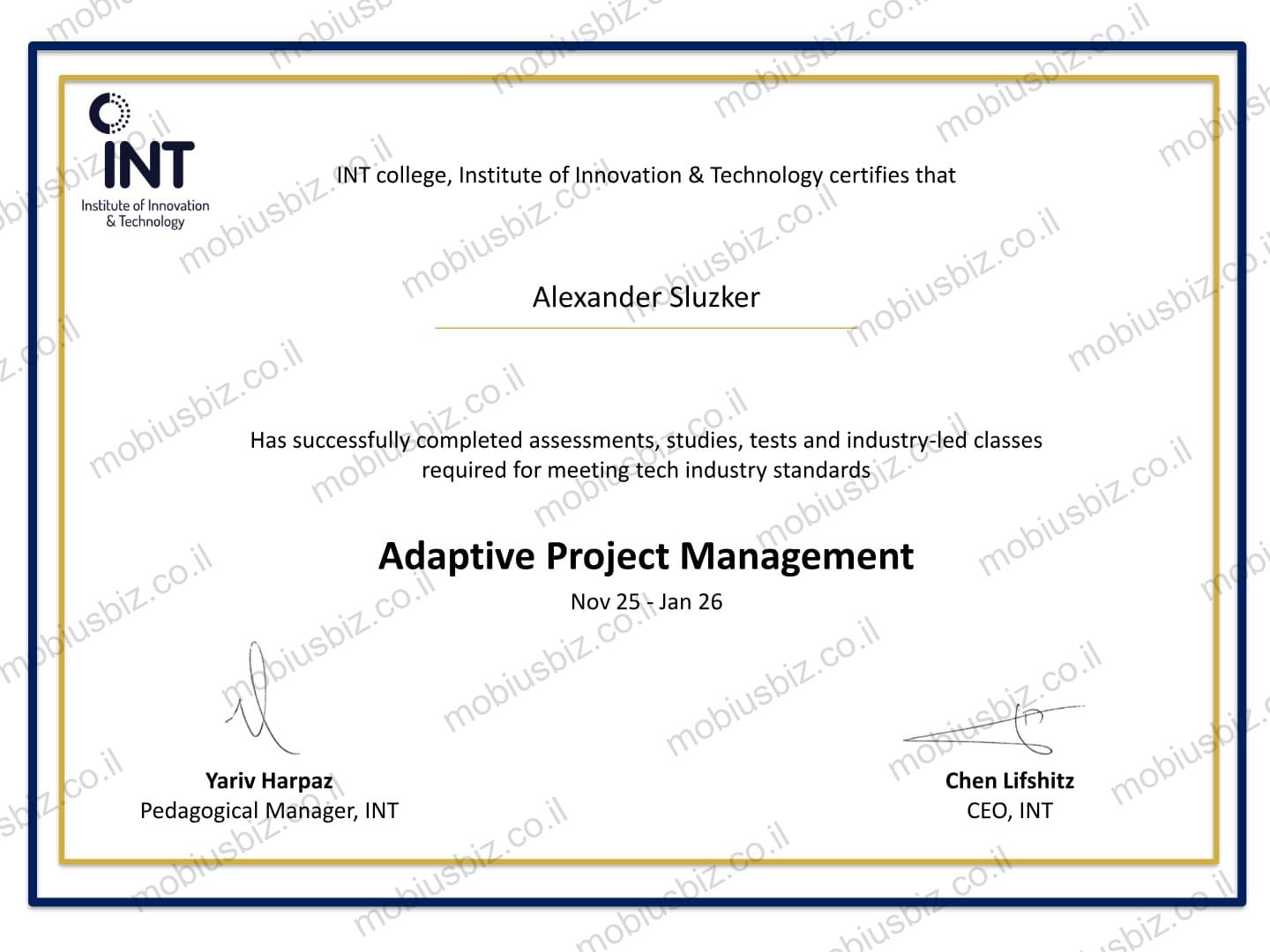
Adaptive project management, INT college
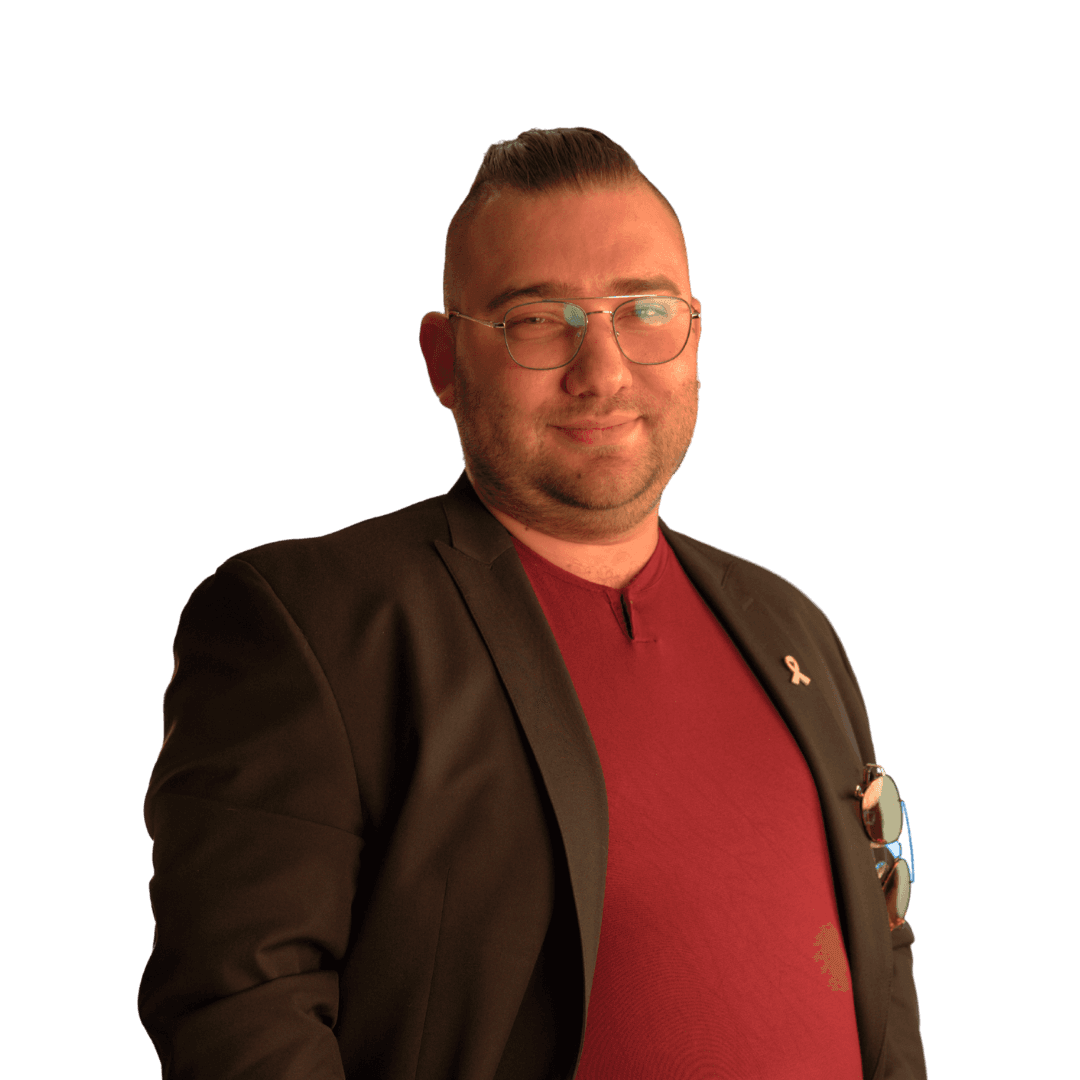
Business, Marketing, Operations & Financial Consultant
Mobius
Alexander Slutsker
9+Years of experience in business consulting
I help entrepreneurs, self-employed people, small businesses and startups understand their own numbers, choose what to do first and grow from there.
Book a Free Call+972 055-248-6151. Better on WhatsApp: I am in meetings most of the day and answer as soon as I am free. Other ways to reach me
We can talk in English, Hebrew or Russian.