Business Support After Launch: The First-Year Rhythm
What to review after launch: cash, sales, support issues, repeat customers, operations, owner capacity, and what to change next.
What a Consultant Changes Over Time
Usually, the consultant's biggest visible lift lands early. Your results start slower, then can pick up speed and compound on what was built. Drag the timeline marker to walk through the story.
This is only an illustration of the shape of the work, not a forecast or a timetable. Every business moves at its own pace.
At the marker
Implementing together: your results keep climbing as the changes repeat and stick.
Curious what the start would look like in your business?
Book a free call+972 055-248-6151. Other ways to reach me
This is a simplified, illustrative tool meant to give you a quick feel for the numbers. It is not professional advice. Real business decisions depend on many factors it does not account for, and all results are estimates only. Mobius Business Solutions accepts no responsibility for decisions or actions taken based on this tool.
Launch gives you data, not certainty. The first year is where the business plan meets real customers, payments, support issues, supplier timing and the owner's real capacity (how much work you can actually handle).
Pre-launch guidance asks, "How do we open correctly?" Post-launch support asks, "What did the market just teach us, and what do we change before the mistake becomes expensive?"
A common first-year picture: the opening goes well, then support requests pile up and few customers buy a second time. Before touching the product, check the promise. Advertising that promises something the product delivers differently brings in customers with the wrong expectation. The answer is rarely panic. It is adjusting the promise, the onboarding (getting a new customer started) and the follow-up, then reviewing them on a steady rhythm.
First 30 days: fix friction and listen
The first month is not the time to rewrite the whole strategy unless something is clearly broken. It is the time to remove friction.
Review:
- How customers found you
- Which promises created questions
- Where people hesitated before payment
- What support questions repeated
- Whether delivery matched the promise
- Whether payment collection worked smoothly
- Whether the owner had enough time to handle the work
Do not judge only by revenue. A strong opening can hide weak repeat buying, a heavy support load, low margin (the profit left after costs) or messy operations.
If you are still preparing launch, read business guidance for starting a new business. After launch, the work changes from planning to learning.
First 90 days: stabilize the customer experience
By 90 days, patterns should be visible.
Look for the moments where customers get confused, disappointed, delayed, or surprised. Then fix the process, message, or promise.
Useful actions include:
- Updating onboarding messages
- Clarifying what is included
- Improving delivery checklists
- Shortening response time
- Changing the first follow-up
- Fixing payment instructions
- Removing products or services that create too much support
Write each fix into the process itself. A lesson that lives only in the owner's memory does not improve the next delivery, and it cannot be handed to anyone else.
For repeatable delivery, connect this to building company processes.
First-year numbers to watch
The first year should have a simple dashboard.
Track weekly:
- Cash available
- Sales received
- Payments due
- Support issues
- Delivery delays
- New leads and conversions (leads that became customers)
- Customer complaints or refunds
Track monthly:
- Revenue
- Gross profit
- Cash flow
- Repeat sales
- Returning-customer share
- Acquisition cost
- Support cost
- Inventory or capacity
- Owner hours
- Accuracy of the original assumptions
Up-to-date bookkeeping and a simple cash-flow forecast belong in the first months, not in the year-end report. That is why the review runs every week and every month, not once a year.
For the difference between visible profit and survival cash, read cash flow versus profit.
Decide what to keep, cut, or test next
After launch, every signal should lead to one of three decisions.
Keep what works. Cut what drains cash, time, or trust without enough value. Test what is still uncertain but promising.
Examples:
- Keep the channel that brings serious customers
- Cut a product that creates support problems and low margin
- Test a new price tier with one segment
- Keep a supplier that delivers reliably even if not cheapest
- Cut marketing activity that creates leads with no buying power
- Test a different onboarding flow
The build, measure, learn loop of the Lean Startup method fits here: turn assumptions into tests, measure what customers actually do, and decide whether to continue or change. If the evidence points to a bigger change, a pivot (a change of direction), read when to pivot your business.
When outside support helps most
Outside support is most useful when the owner is too close to the daily noise to see the pattern.
It helps when:
- Revenue exists but cash is tight
- Customers buy once but do not return
- Marketing creates leads but not the right customers
- Support volume is too high
- Operations depend too much on the owner
- The business owner is making decisions from anxiety, not numbers
Early support should not become a thick report. It should create a rhythm: numbers, diagnosis, decision, action, review. The decisions stay with you.
If you are still before the opening and want the launch itself handled properly, see the business launch support service. If you need early customers without a large advertising budget, read first 10 clients without ads. If you already launched and want to turn first-year signals into better decisions, talk it through with me.
The content on this blog is general information only and is not a recommendation to act. It is not business, legal, tax, or financial advice. Before making any decision, consult a qualified professional, such as an accountant, a lawyer, or a business advisor, about your specific situation.
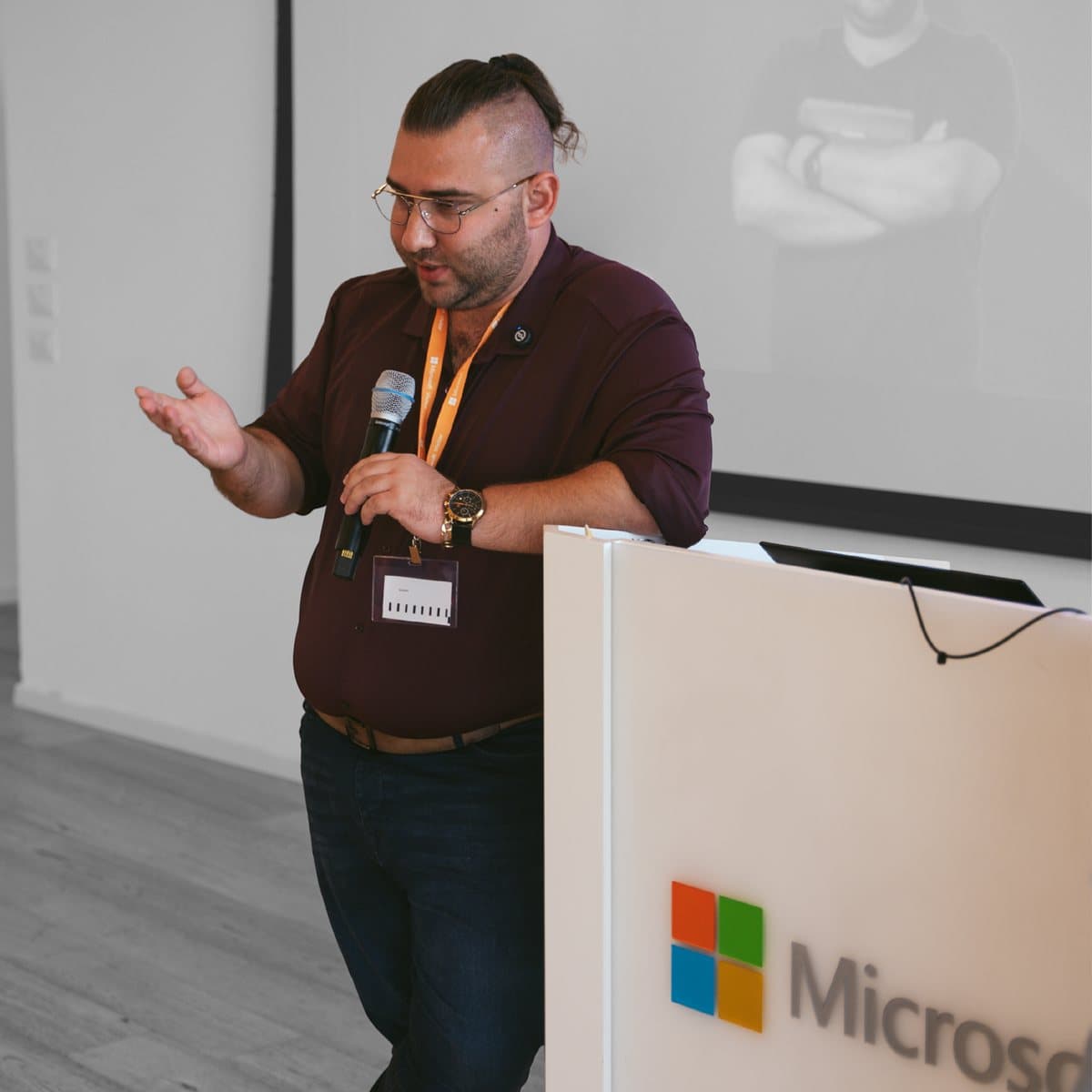
Speaking at Microsoft
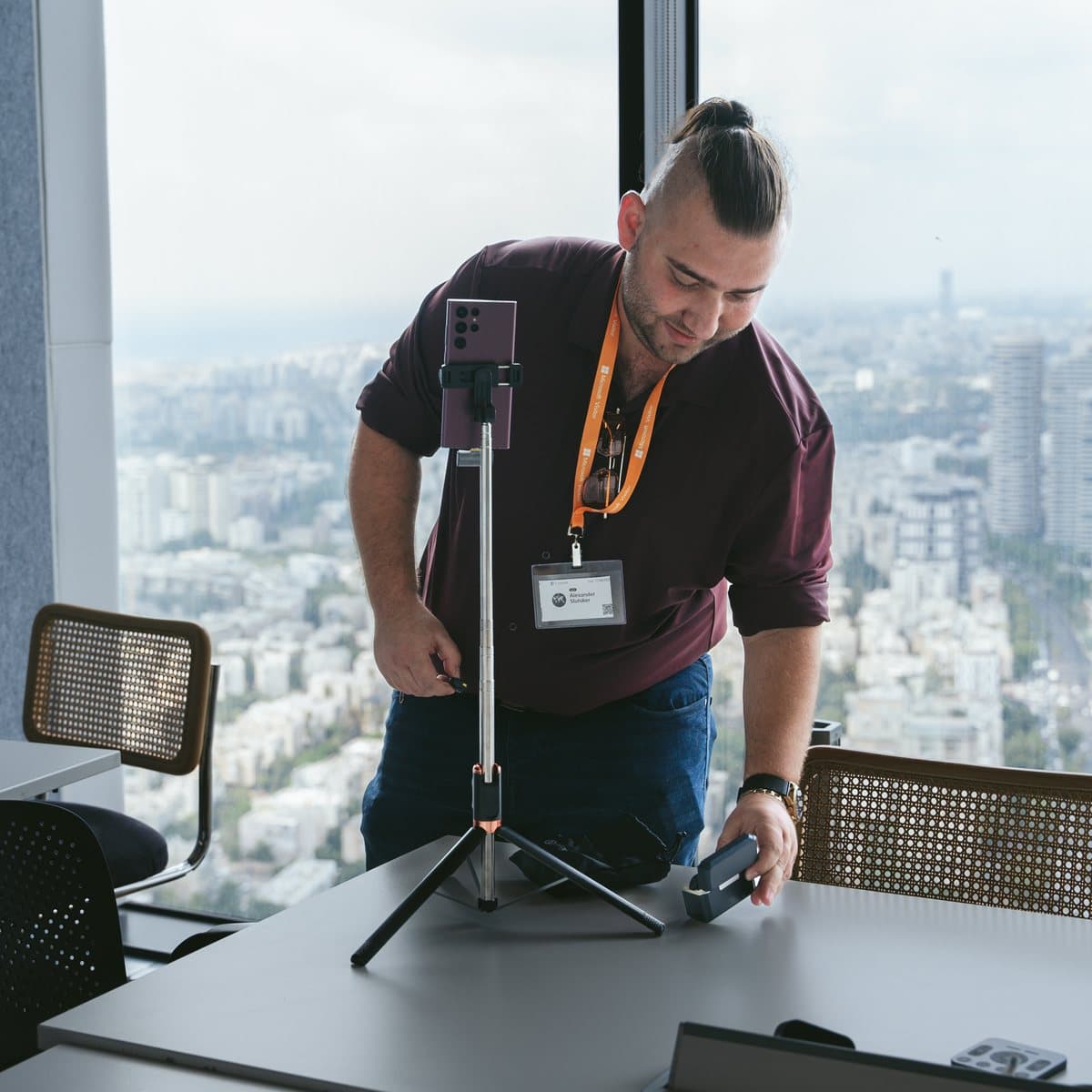
Meeting with international teams, as part of work with a startup
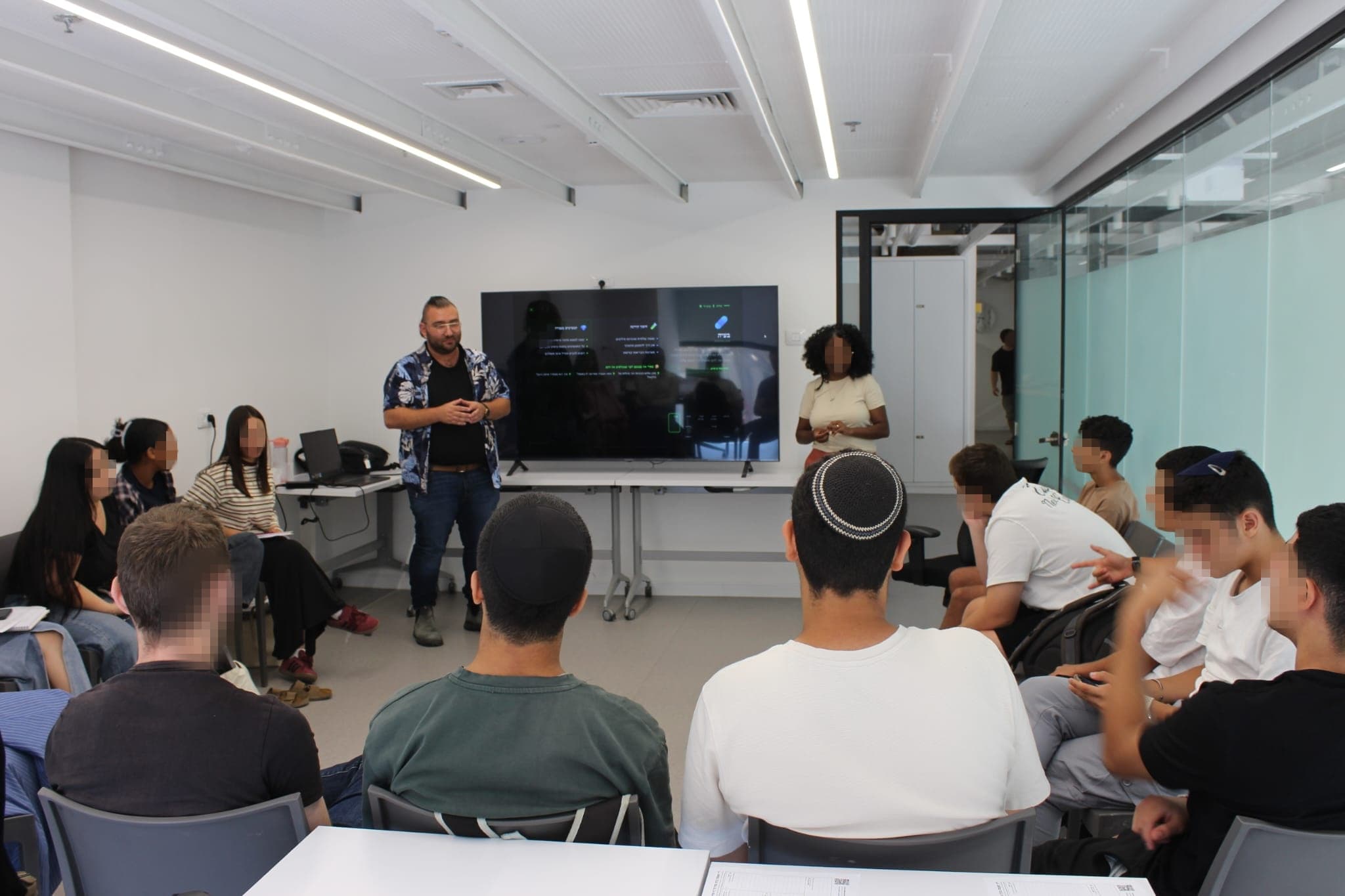
Teenovation, Meital centre Sderot
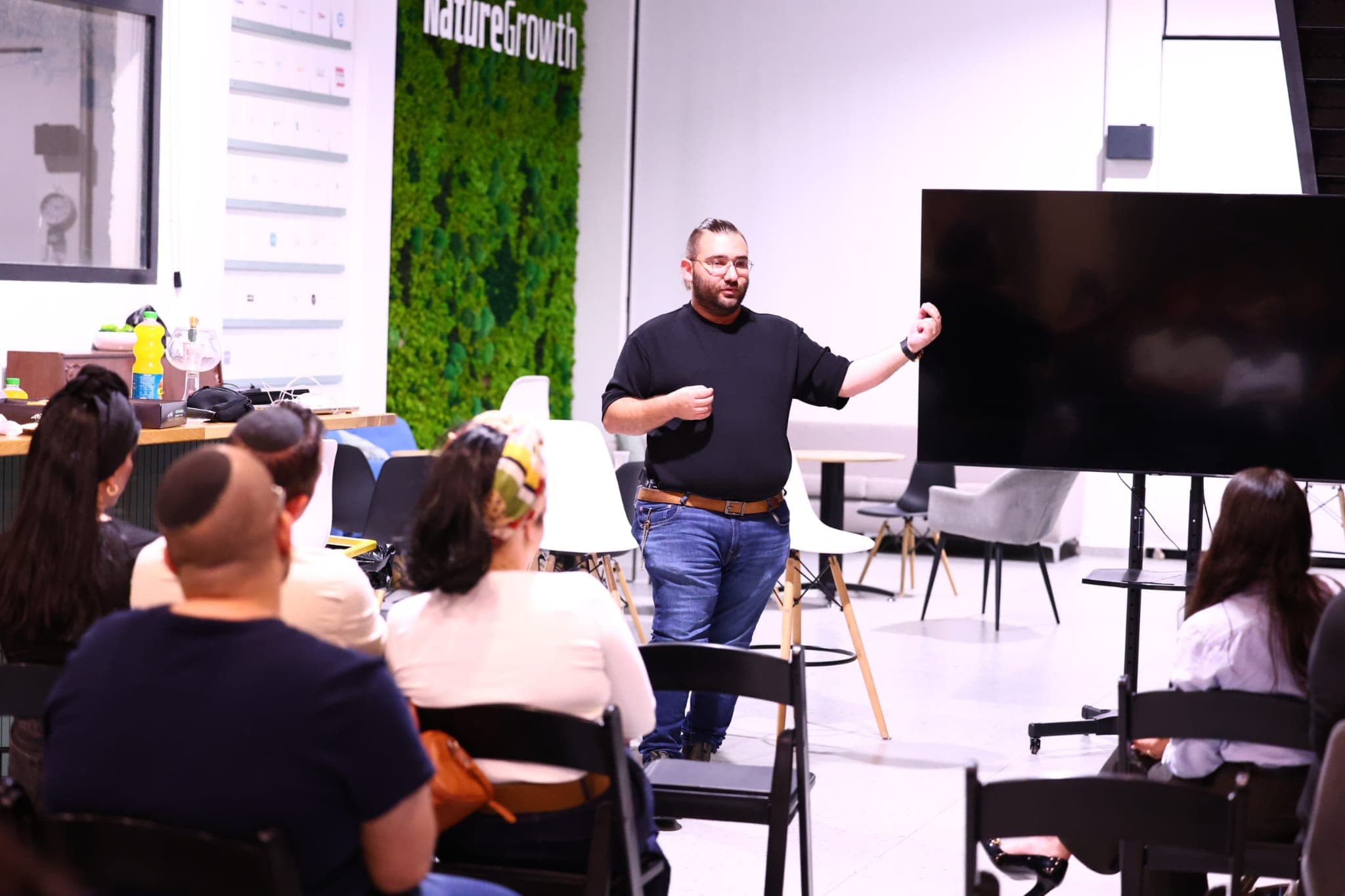
Entrepreneurs session, Sderot
I have worked with
- Google for Startups
- House of Business, Sderot Municipality
- Microsoft Reactor
- GameReady
- Eclipse Capital
- SderoTech
- IUCEL
- Resilience & Health Innovation Hub
- International Resilience Institute of Sderot


















- Google for Startups
- House of Business, Sderot Municipality
- Microsoft Reactor
- GameReady
- Eclipse Capital
- SderoTech
- IUCEL
- Resilience & Health Innovation Hub
- International Resilience Institute of Sderot
What Clients Say
From different fields, at different stages of business
Dan Manto
Eclipse Capital
Real Estate Investment and Finance, USA
Arty McLabin
GameReady
Game Development Education and Outsourcing, International

Anna
Beautician
After I finished a cosmetology course at a leading company, I was confused. I didn't know how to open a business, what to sell from home, or how to bring in clients. Since I reached out to Mobius, everything has changed. We built an organized plan with clear steps and no unnecessary risks. Today I see results, and I'm growing and developing every month.

Mark
Massage therapist, Gan Yavne
When I finished a massage course, I imagined a different world. I found out it's a hard field, and financial stability isn't easy to find. When I came to Mobius, something changed. We started an organized process and built a business plan. Without Mobius? I probably would have given up. Today I believe in myself and in my own path.
And the paperwork, for anyone who wants to see that too.

Certificate of appreciation, Sderot municipality

Certificate of honor, Teenovation 2026

Directors and officeholders course, SRI Campus
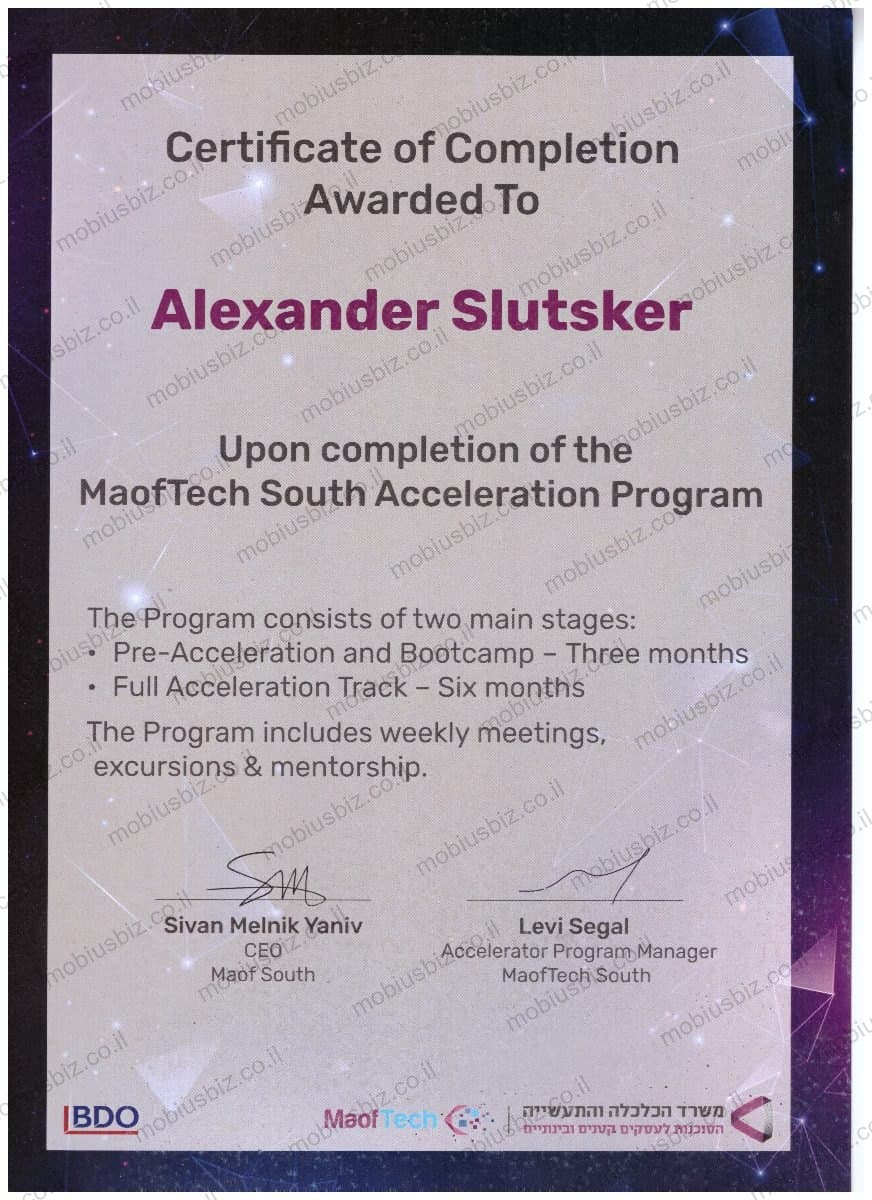
Acceleration program, MaofTech South

Business consultants course

Adaptive project management, INT college

Business, Marketing, Operations & Financial Consultant
Mobius
Alexander Slutsker
9+Years of experience in business consulting
I help entrepreneurs, self-employed people, small businesses and startups understand their own numbers, choose what to do first and grow from there.
Book a Free Call+972 055-248-6151. Better on WhatsApp: I am in meetings most of the day and answer as soon as I am free. Other ways to reach me
We can talk in English, Hebrew or Russian.