How to Get Your First 10 Clients Without Paid Ads
A practical first-client plan based on one clear offer, direct outreach, referrals, follow-up, and simple tracking.
Your first clients usually come from trust, before any ads. That is especially true for service businesses, freelancers, consultants, and local operators.
Paid ads are not bad. They are just a poor substitute for a clear buyer, a clear problem, and a direct conversation. Before you spend on channels, prove that someone specific wants what you offer.
Start with one buyer and one offer
You do not need an advertising budget to begin. Choose one narrow category of clients and build a list of several dozen prospects (companies or people who may buy) that are likely to need what you offer.
Do not open with a broad service pitch. Offer a short diagnostic conversation around one specific problem you have noticed in businesses like theirs.
That is what makes the outreach relevant.
Use your network without being vague
Do not send a message that says, "I started a business, send anyone who needs help." That gives people too much work.
Say who you help, what problem you solve, and which type of person would be a good introduction. Those three lines are your value proposition (why a customer should choose you), and the more specific they are, the easier it is for someone to help.
Direct outreach should be useful
A good early message is short, specific, and respectful. It names a likely problem, offers a small next step, and does not pretend to know everything about the recipient.
For example: "I noticed this kind of issue in businesses like yours. If it is relevant, I can check it with you in a short diagnostic call."
Track the activity
Before paid ads, track the basics:
- people contacted
- replies
- diagnostic calls
- follow-ups
- proposals
- closed clients
- referral requests
- reasons people said yes or no
The goal is learning, not only closing.
After the first work is delivered, ask whether you can use anonymized results as an example and whether the client can introduce you to two relevant contacts. That is how early traction (real, repeatable proof customers want it) builds up. A short written recommendation helps too. You can see what that looks like in the recommendations below this article, from business owners who worked with me.
For more low-budget marketing structure, read digital marketing on a tight budget, customer journey mapping, and marketing vs sales.
Turning early outreach into a repeatable way of bringing in clients is what marketing and sales consulting for small businesses builds.
If you want to turn your first-client search into a repeatable process, talk it through with me.
The content on this blog is general information only and is not a recommendation to act. It is not business, legal, tax, or financial advice. Before making any decision, consult a qualified professional, such as an accountant, a lawyer, or a business advisor, about your specific situation.
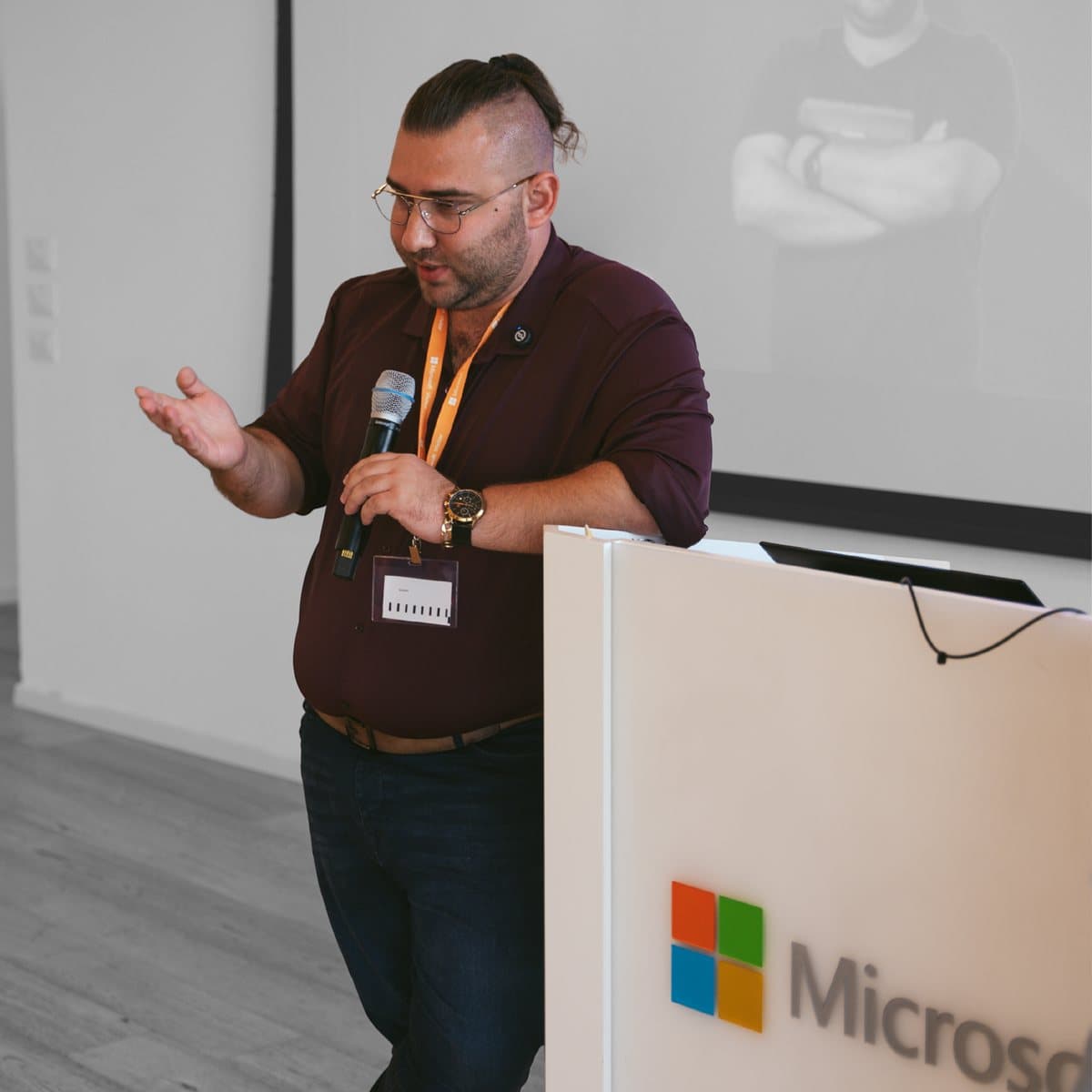
Speaking at Microsoft
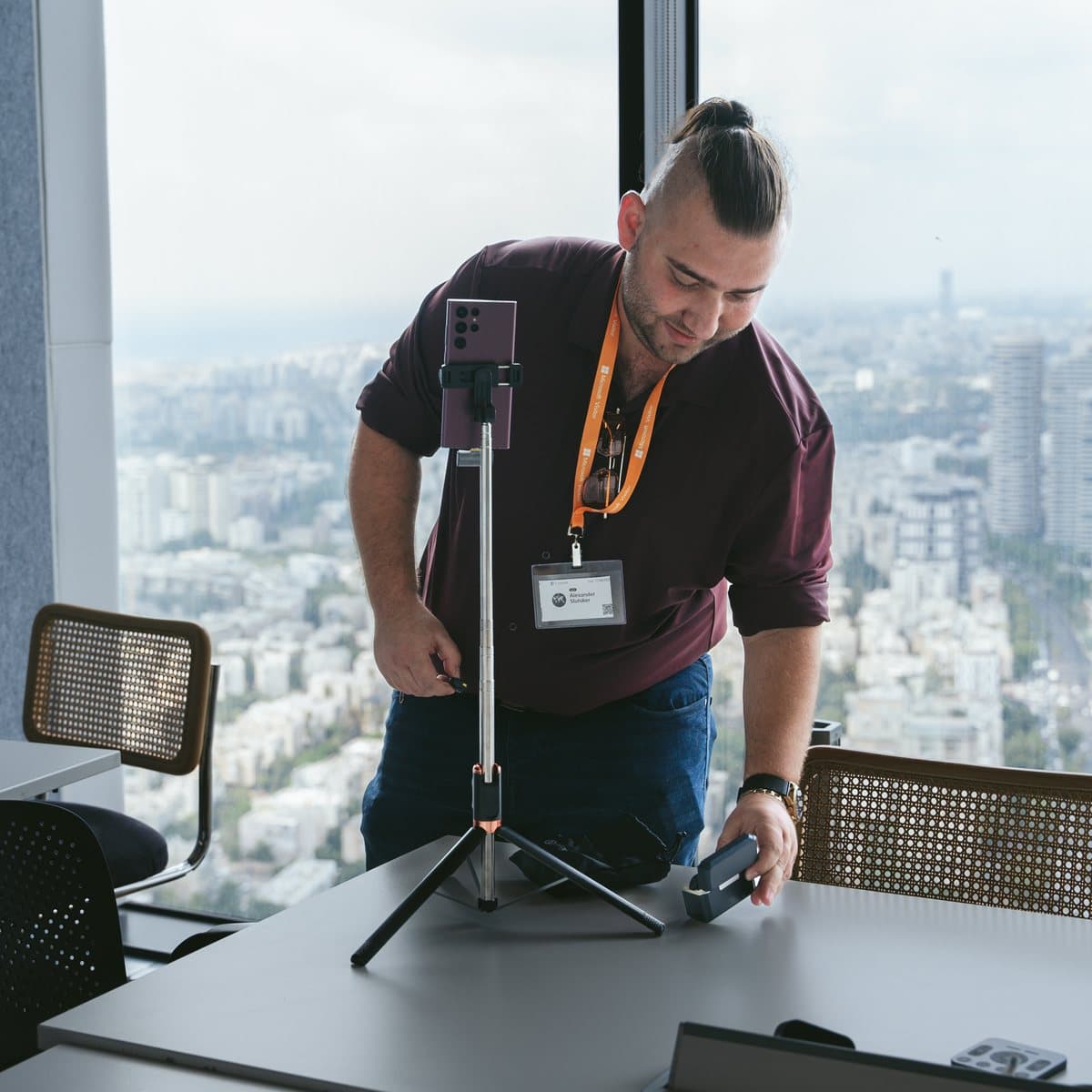
Meeting with international teams, as part of work with a startup
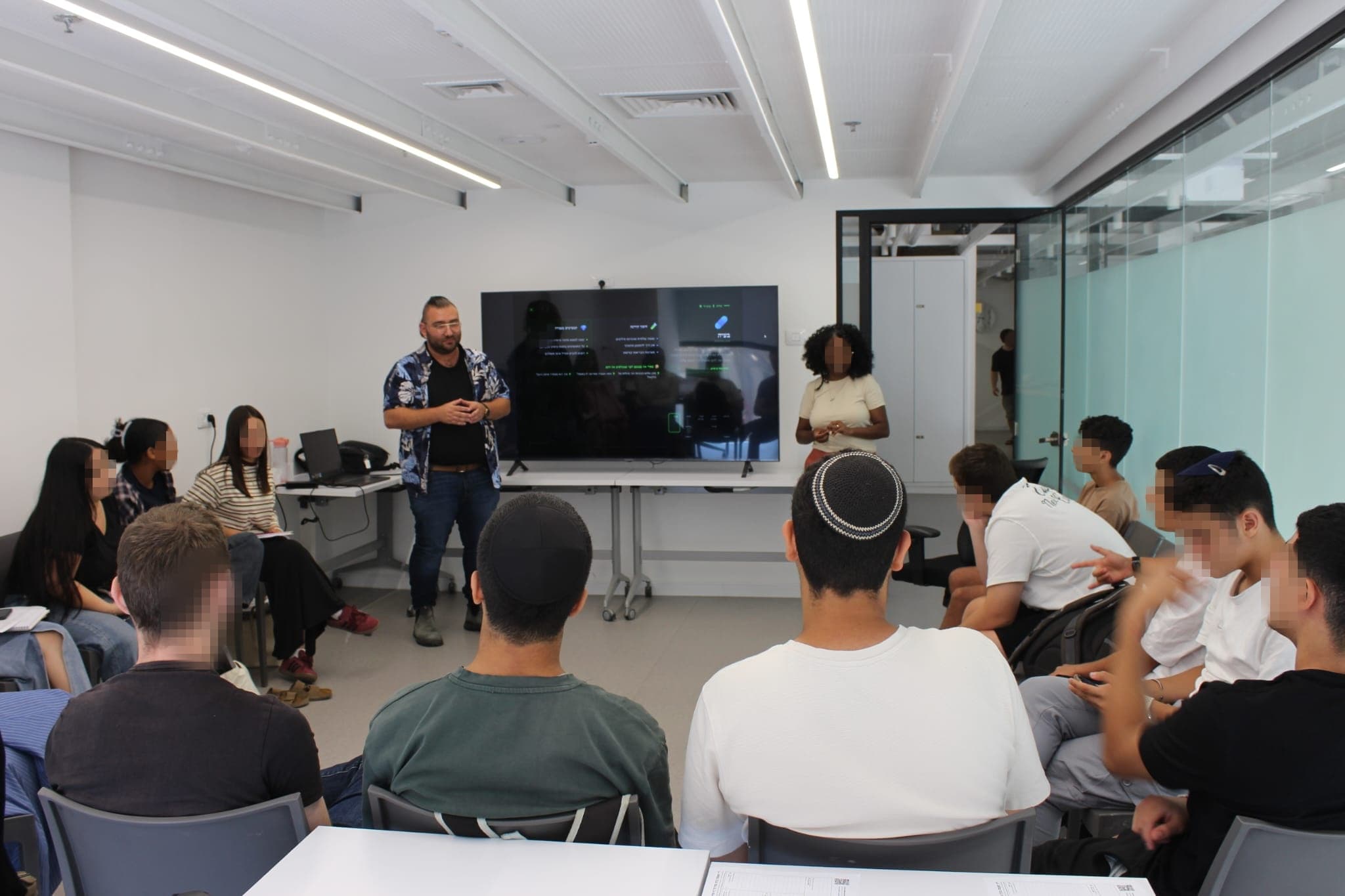
Teenovation, Meital centre Sderot
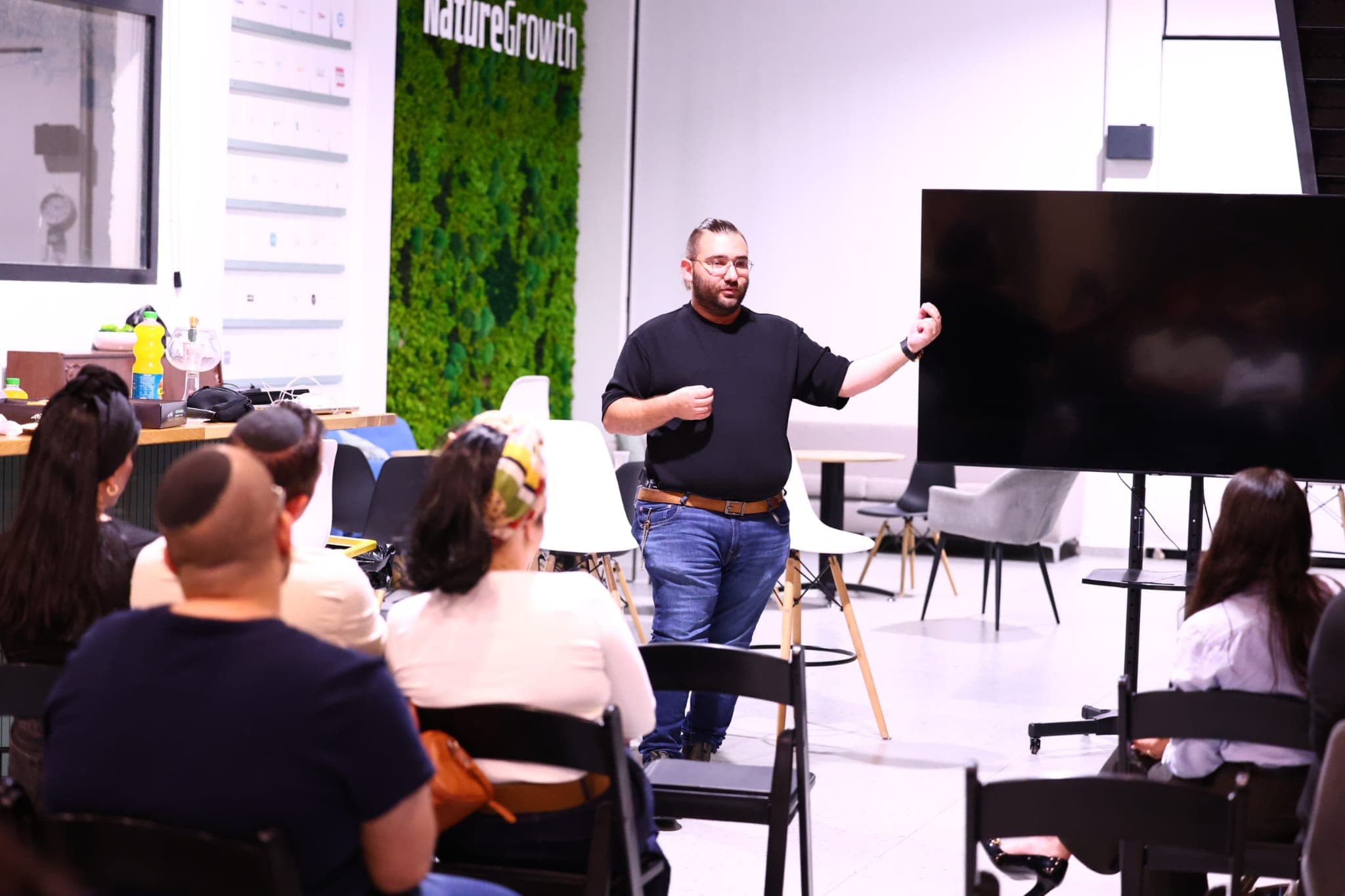
Entrepreneurs session, Sderot
I have worked with
- Google for Startups
- House of Business, Sderot Municipality
- Microsoft Reactor
- GameReady
- Eclipse Capital
- SderoTech
- IUCEL
- Resilience & Health Innovation Hub
- International Resilience Institute of Sderot

















- Google for Startups
- House of Business, Sderot Municipality
- Microsoft Reactor
- GameReady
- Eclipse Capital
- SderoTech
- IUCEL
- Resilience & Health Innovation Hub
- International Resilience Institute of Sderot
What Clients Say
From different fields, at different stages of business
Dan Manto
Eclipse Capital
Real Estate Investment and Finance, USA
Arty McLabin
GameReady
Game Development Education and Outsourcing, International

Anna
Beautician
After I finished a cosmetology course at a leading company, I was confused. I didn't know how to open a business, what to sell from home, or how to bring in clients. Since I reached out to Mobius, everything has changed. We built an organized plan with clear steps and no unnecessary risks. Today I see results, and I'm growing and developing every month.

Mark
Massage therapist, Gan Yavne
When I finished a massage course, I imagined a different world. I found out it's a hard field, and financial stability isn't easy to find. When I came to Mobius, something changed. We started an organized process and built a business plan. Without Mobius? I probably would have given up. Today I believe in myself and in my own path.
And the paperwork, for anyone who wants to see that too.
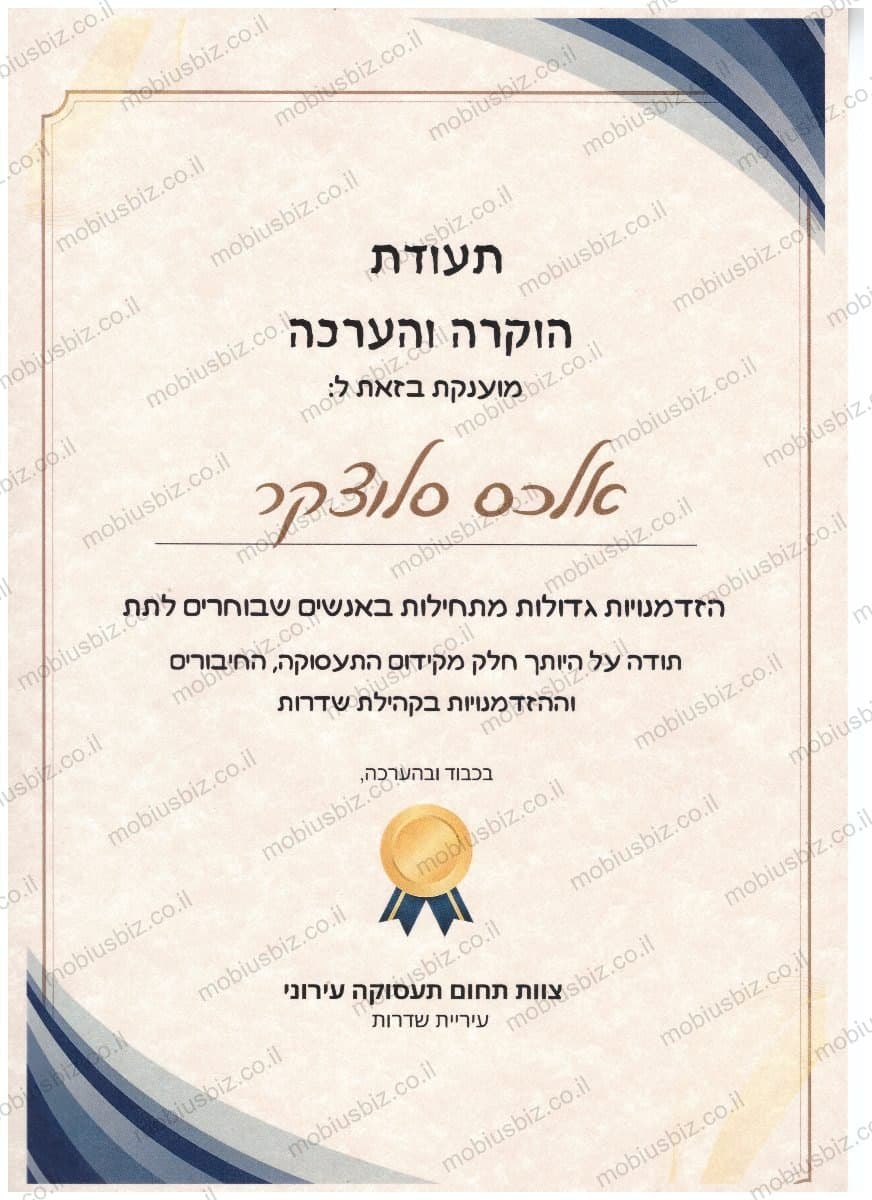
Certificate of appreciation, Sderot municipality
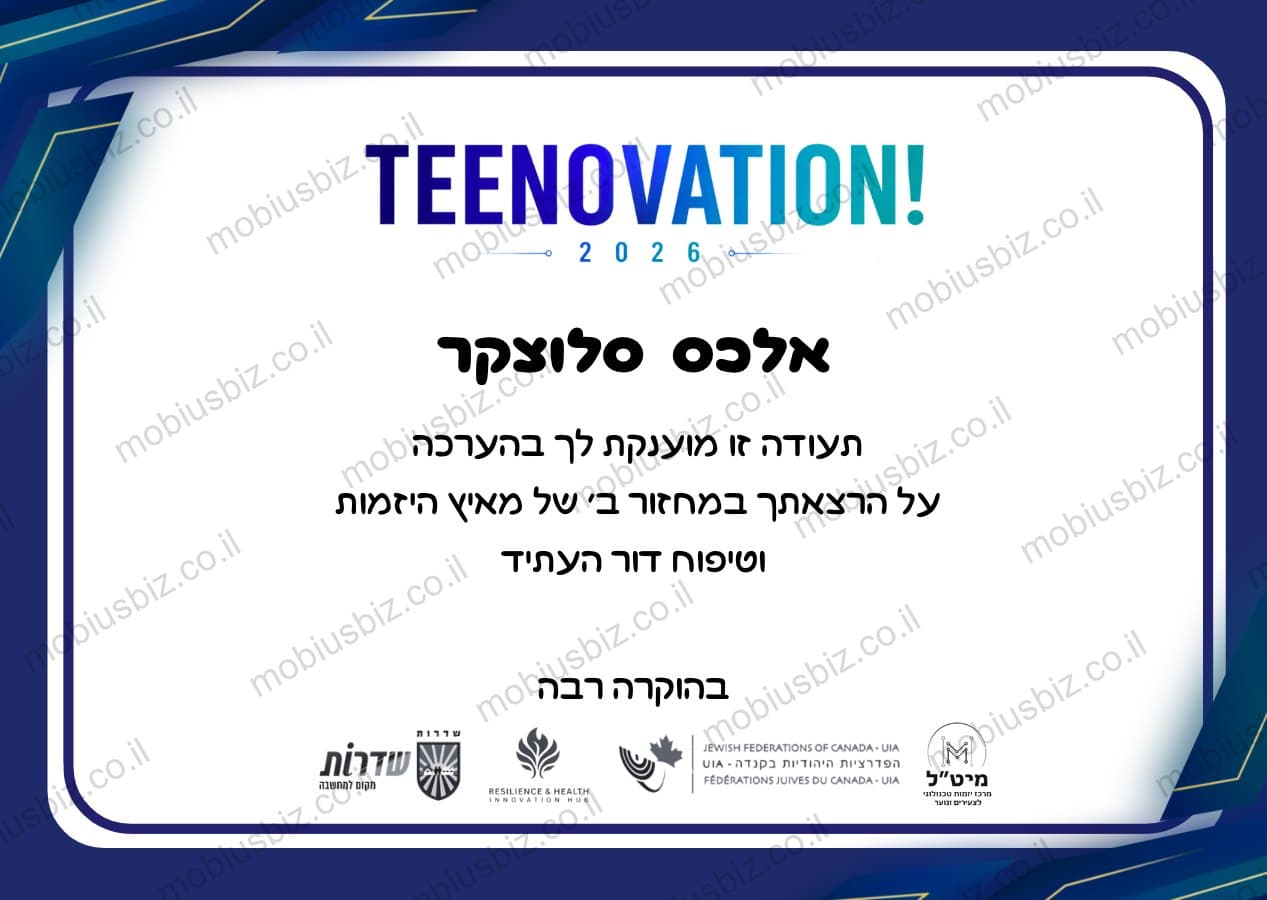
Certificate of honor, Teenovation 2026
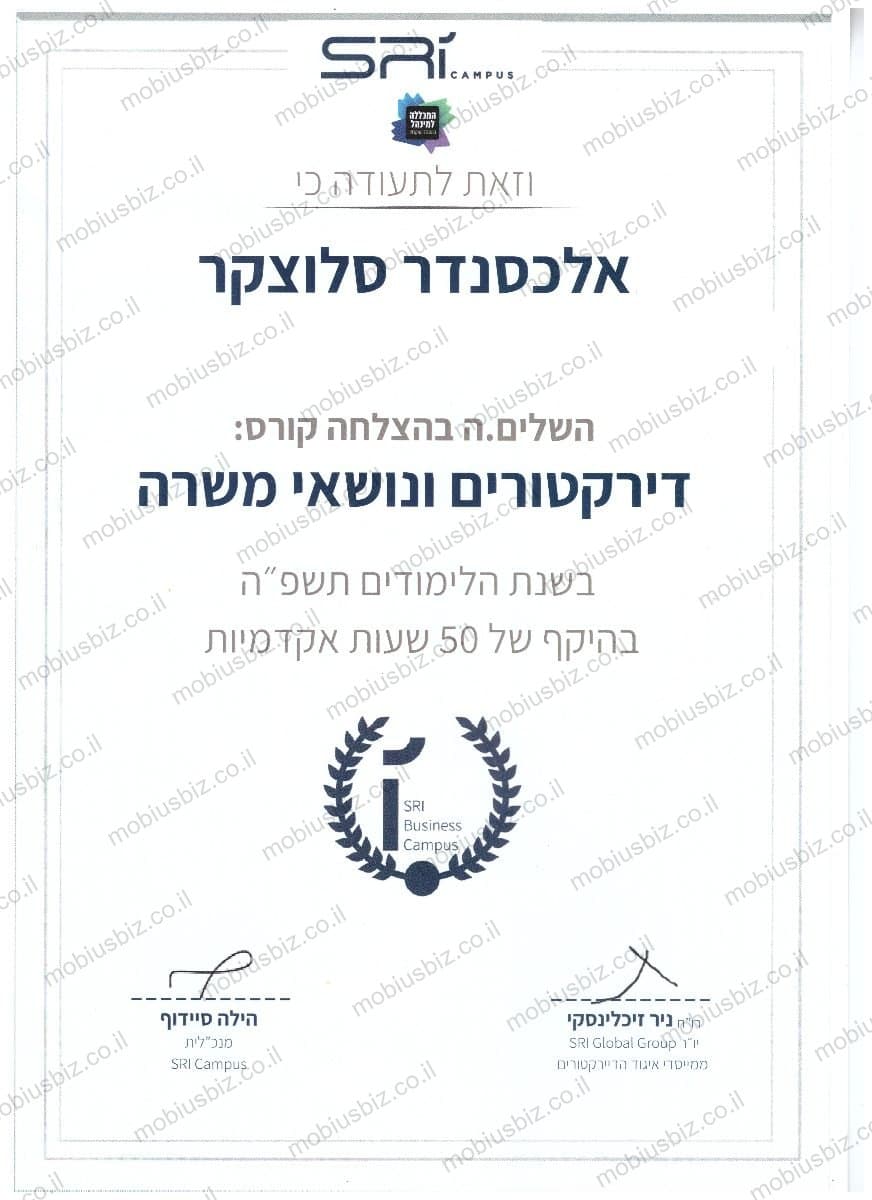
Directors and officeholders course, SRI Campus
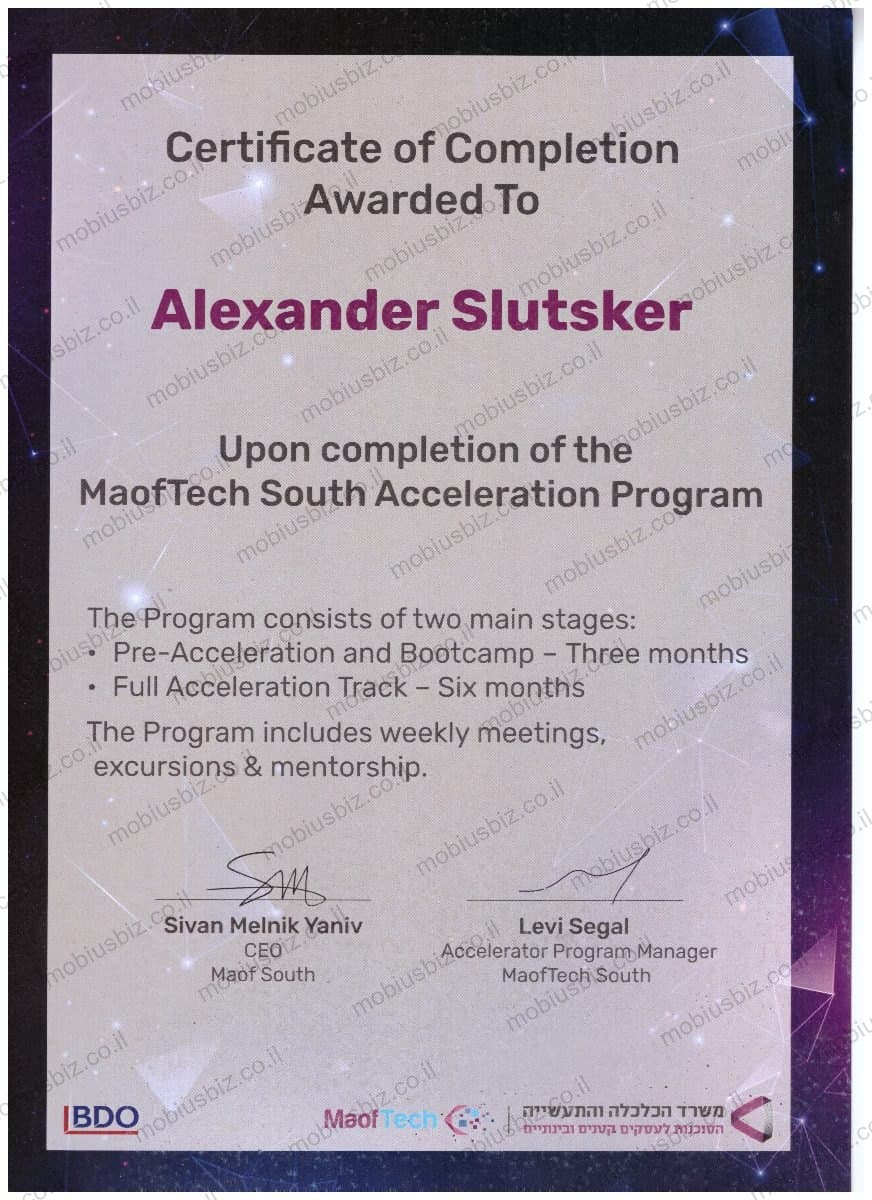
Acceleration program, MaofTech South
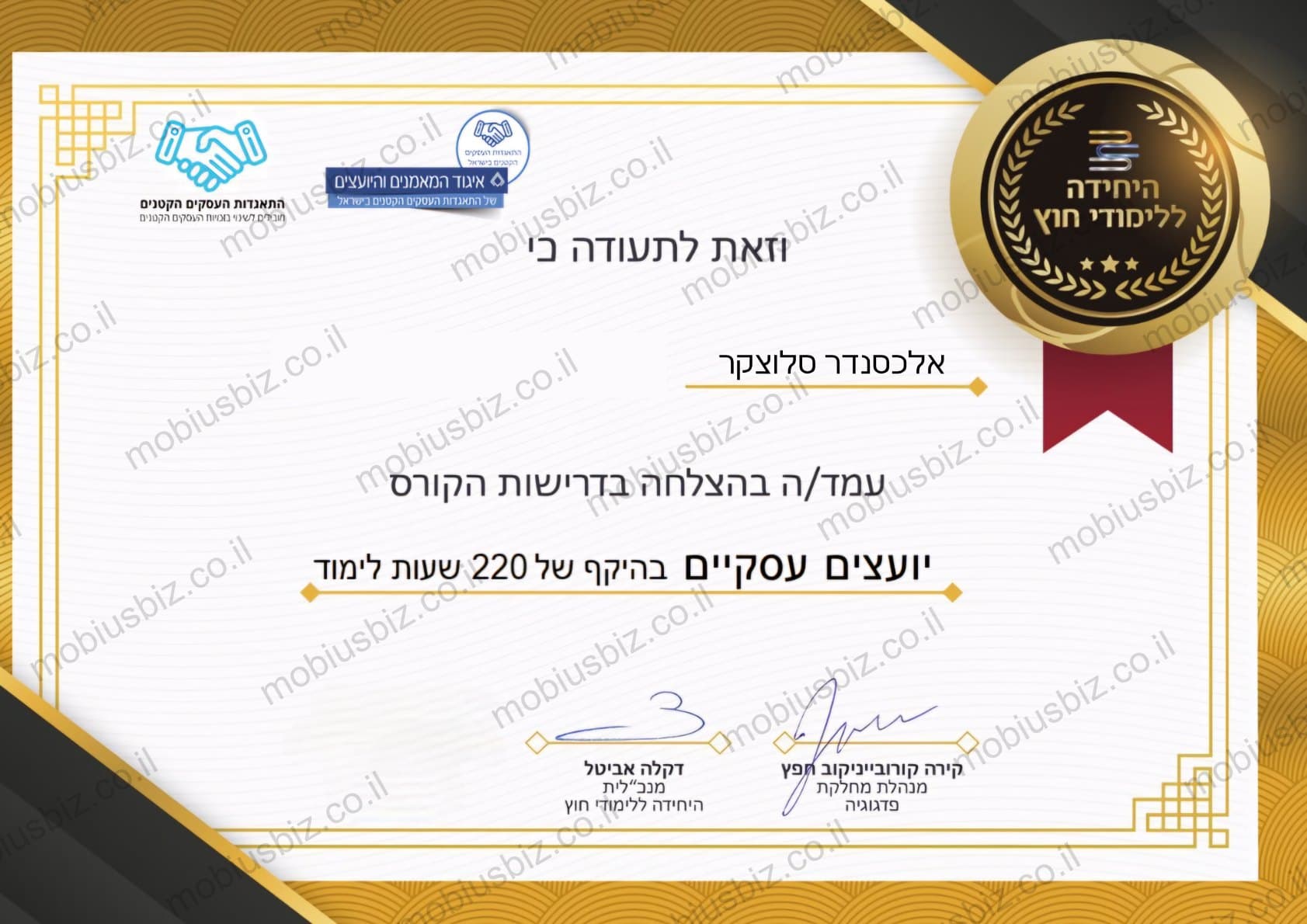
Business consultants course
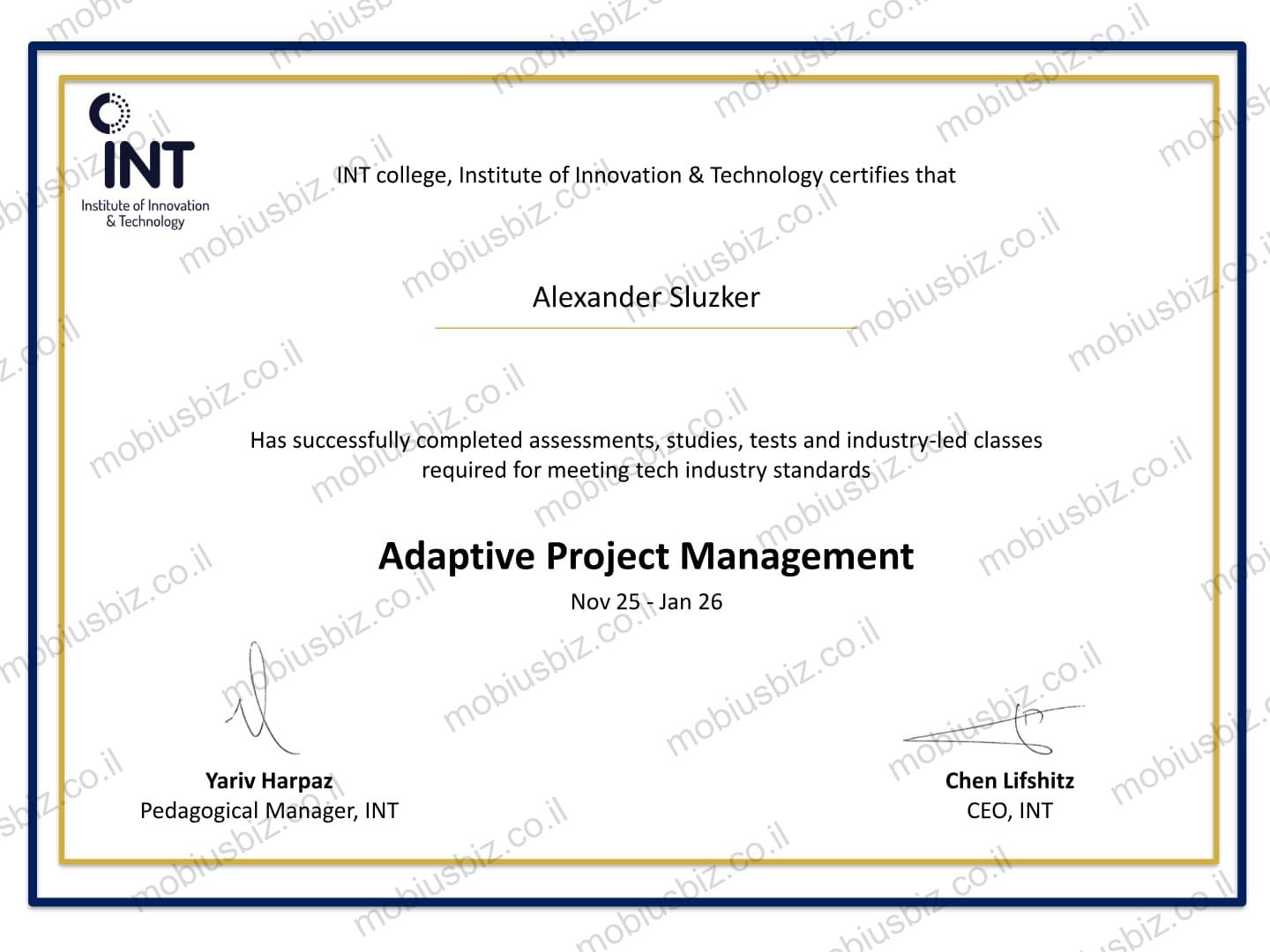
Adaptive project management, INT college
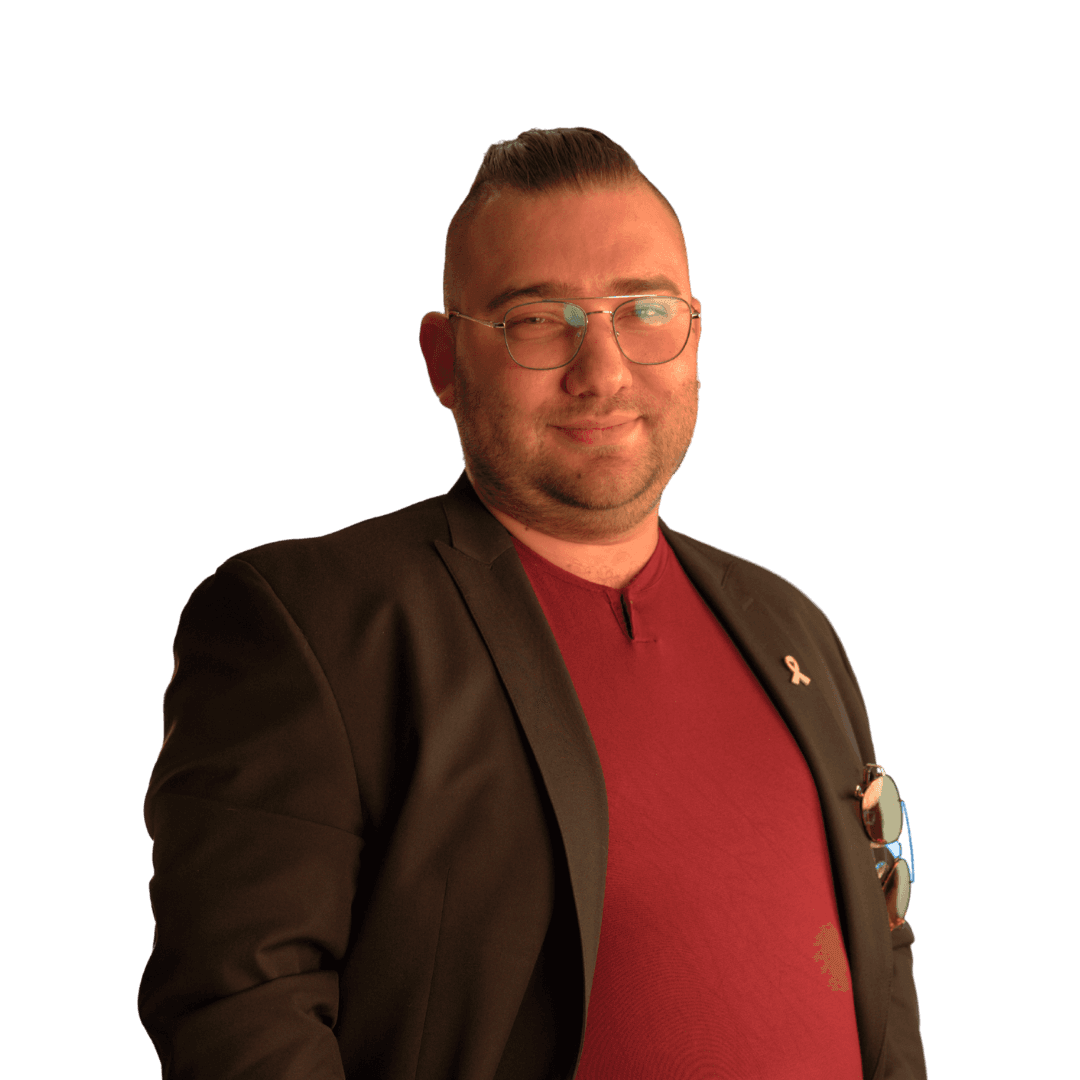
Business, Marketing, Operations & Financial Consultant
Mobius
Alexander Slutsker
9+Years of experience in business consulting
I help entrepreneurs, self-employed people, small businesses and startups understand their own numbers, choose what to do first and grow from there.
Book a Free Call+972 055-248-6151. Better on WhatsApp: I am in meetings most of the day and answer as soon as I am free. Other ways to reach me
We can talk in English, Hebrew or Russian.