Digital Marketing on a Tight Budget: Focus Before Spend
How a small service business can win its first clients on a tight budget: a narrow audience, direct outreach, referrals and honest measurement.
What is an ICP
An ICP (ideal customer profile) is a short description of the type of customer who gets the most value from you, pays well and stays, and of who not to chase.
Illustration
Who the ads are not for
With these filters, 3 of 12 people sit in the centre and 2 fall outside the target. The ads and the replies are for the centre.
A tight marketing budget is not automatically a disadvantage. It forces you to do what bigger budgets often skip: choose a specific customer, make a specific offer, and check whether the next step actually happens.
The danger is trying to look big too early. A small business spreads a little money across ads, social posts, content and tools, and no channel gets enough focus to bring anyone to a decision.
Start narrow
Pick one narrow client category, the one you can help most clearly. Marketers call it your ICP (ideal customer profile, the one type of client you are best placed to serve). Then build a list of a few dozen businesses or people in that category who are likely to need what you sell.
The first message should not sell a general service. It names one likely problem and offers a short diagnostic conversation. That makes it relevant, and easy to answer.
On a small budget, the first clients usually come from trust, relevance and speed: your personal network, professional referrals, direct outreach, and conversations about a problem the person already has.
Do not buy traffic before the offer is clear
Paid ads can work, but they are an expensive teacher when the basics are weak. Before you spend, know:
- who the offer is for
- which problem is urgent
- what makes a lead (someone who showed interest) worth your time
- what happens after the first response
- how quickly you follow up
- what margin remains after delivery
If those answers are unclear, ads will usually create noise.
Make outreach useful
Direct outreach fails when it sounds like a copied pitch. It works better when it is short, specific and connected to a real business problem.
The goal is not to impress everyone. The goal is to start the right conversation with the right person. A useful message can say, in simple terms, "I noticed this type of problem. If it is relevant, we can check it in a short call."
Measure quality, not noise
With a limited budget, the first dashboard should track response rate, qualified conversations, meeting show-up, win rate (the share of your proposals that turn into deals), follow-up speed and margin by channel.
Likes, followers and impressions are vanity metrics (numbers that feel good but do not tie to revenue). Do not scale a channel because it creates attention. Scale it when it creates qualified next steps and the delivery can handle the demand.
In Israel, a credible referral, Hebrew communication and fast WhatsApp follow-up can sometimes beat a polished but generic campaign. The recommendations that owners who worked with me wrote are right below this article.
If you want to find the leak before increasing spend, read common marketing mistakes and customer journey mapping.
Choosing the one channel and the one offer worth spending on is a typical first question in marketing consulting.
If you want a focused marketing system built for a realistic budget, talk it through with me.
The content on this blog is general information only and is not a recommendation to act. It is not business, legal, tax, or financial advice. Before making any decision, consult a qualified professional, such as an accountant, a lawyer, or a business advisor, about your specific situation.
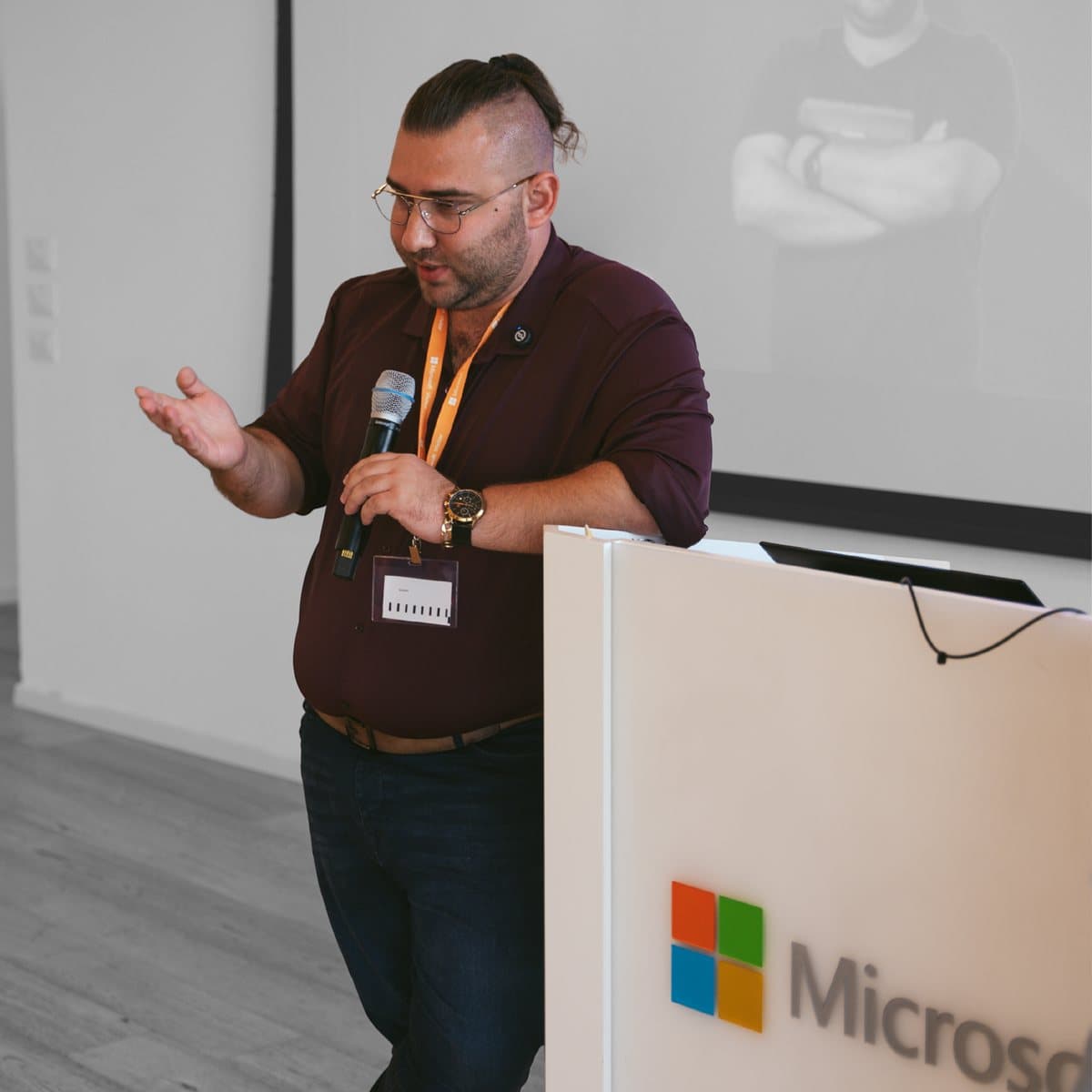
Speaking at Microsoft
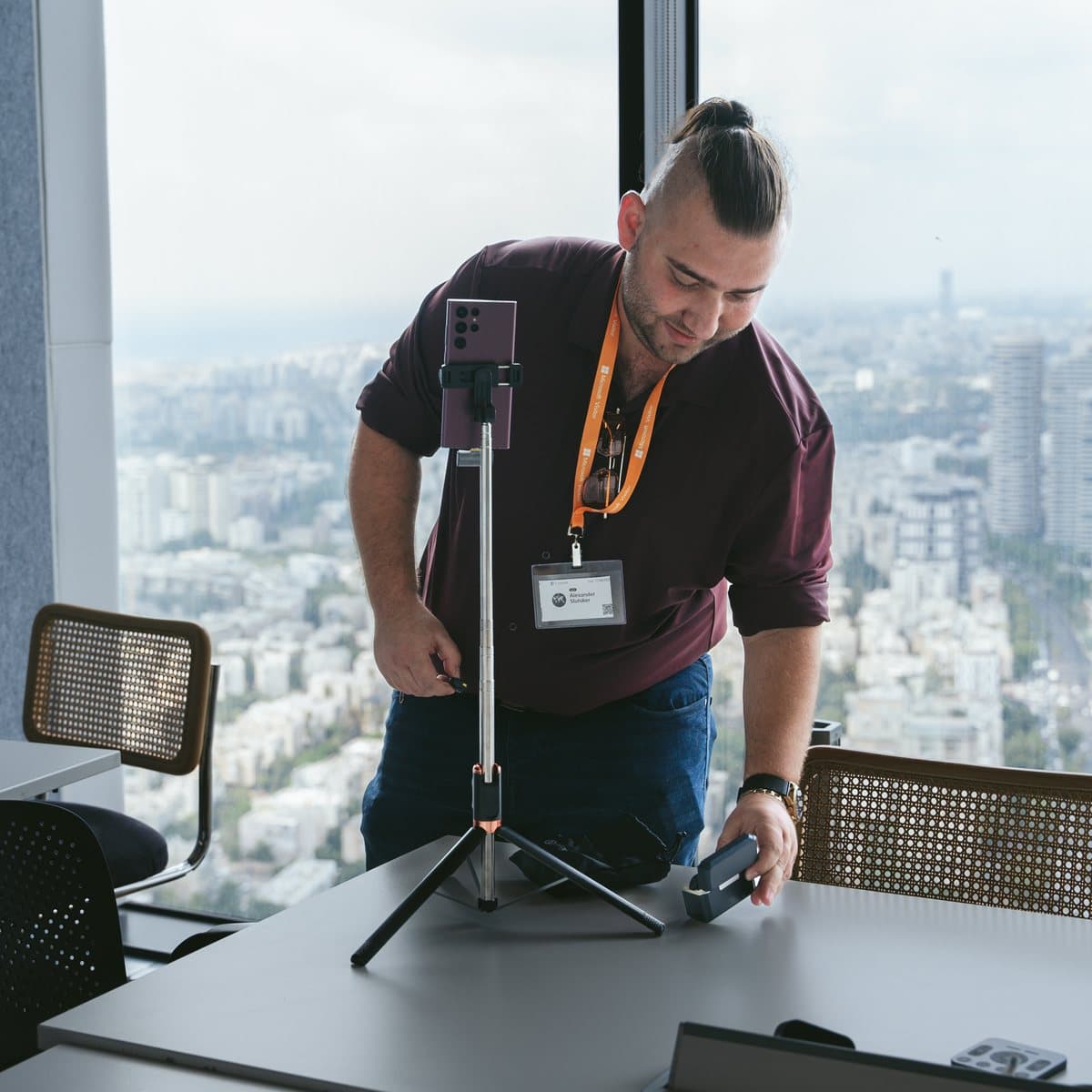
Meeting with international teams, as part of work with a startup
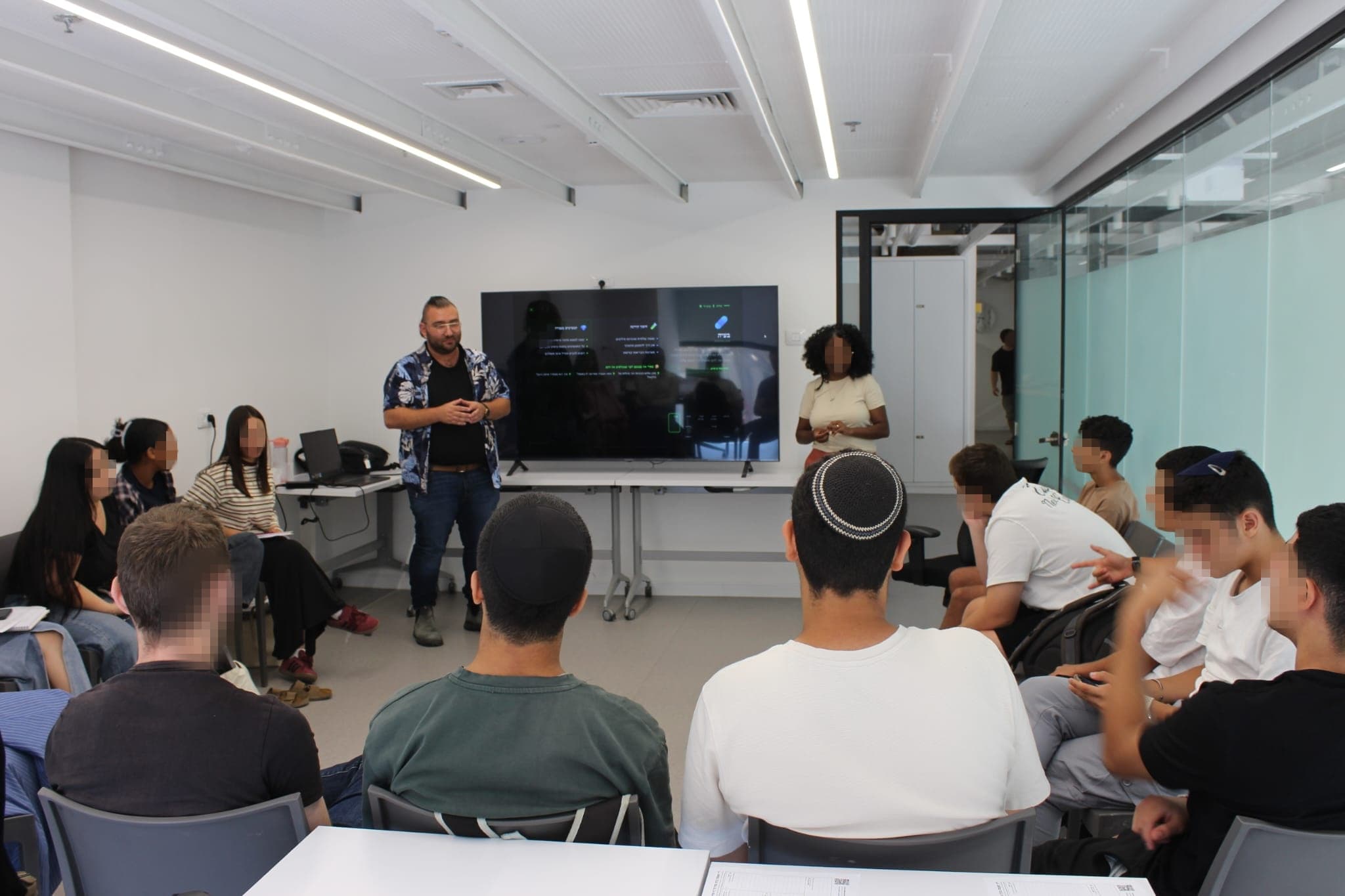
Teenovation, Meital centre Sderot
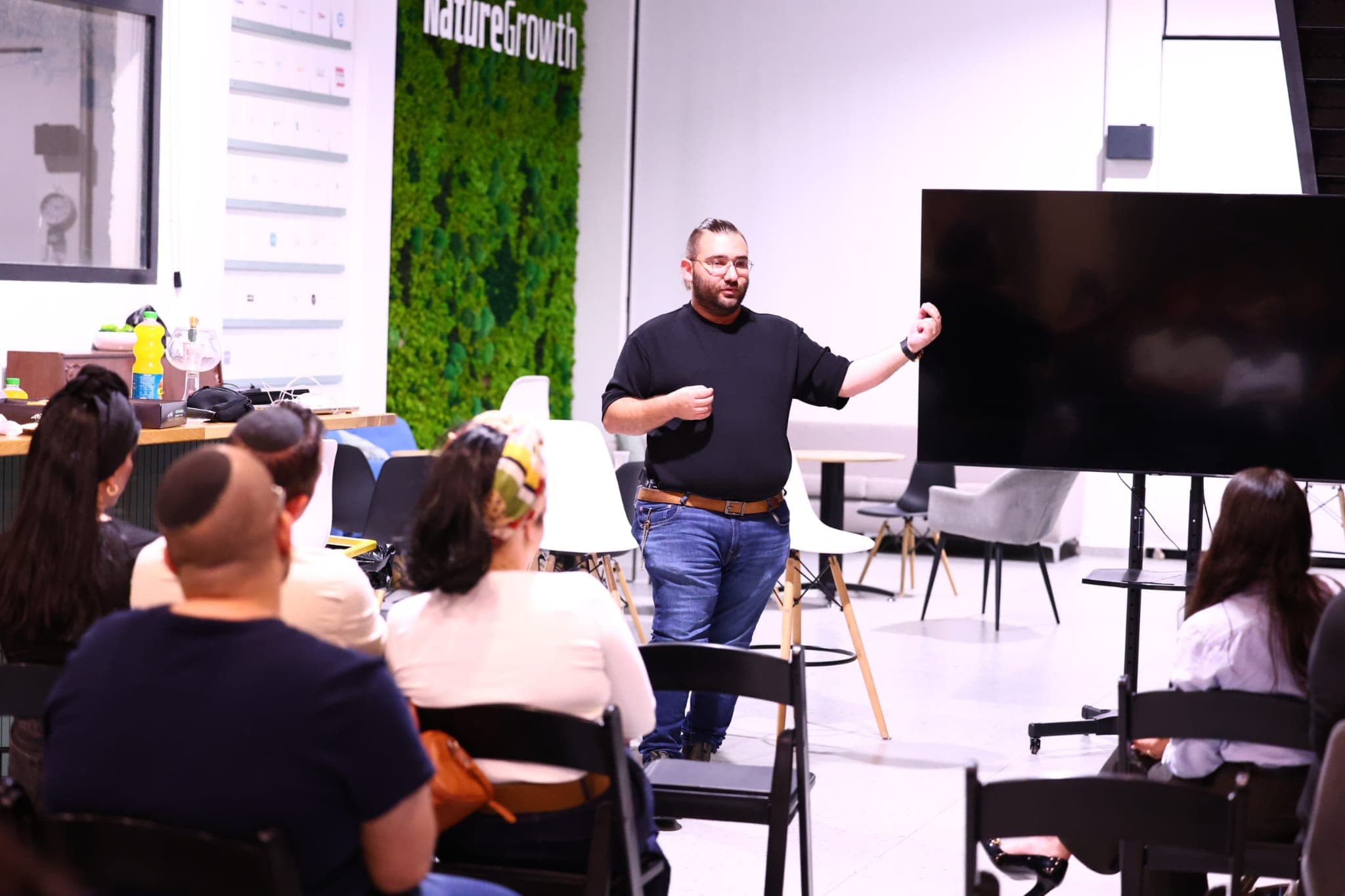
Entrepreneurs session, Sderot
I have worked with
- Google for Startups
- House of Business, Sderot Municipality
- Microsoft Reactor
- GameReady
- Eclipse Capital
- SderoTech
- IUCEL
- Resilience & Health Innovation Hub
- International Resilience Institute of Sderot
















- Google for Startups
- House of Business, Sderot Municipality
- Microsoft Reactor
- GameReady
- Eclipse Capital
- SderoTech
- IUCEL
- Resilience & Health Innovation Hub
- International Resilience Institute of Sderot
What Clients Say
From different fields, at different stages of business
Dan Manto
Eclipse Capital
Real Estate Investment and Finance, USA
Arty McLabin
GameReady
Game Development Education and Outsourcing, International

Anna
Beautician
After I finished a cosmetology course at a leading company, I was confused. I didn't know how to open a business, what to sell from home, or how to bring in clients. Since I reached out to Mobius, everything has changed. We built an organized plan with clear steps and no unnecessary risks. Today I see results, and I'm growing and developing every month.

Mark
Massage therapist, Gan Yavne
When I finished a massage course, I imagined a different world. I found out it's a hard field, and financial stability isn't easy to find. When I came to Mobius, something changed. We started an organized process and built a business plan. Without Mobius? I probably would have given up. Today I believe in myself and in my own path.
And the paperwork, for anyone who wants to see that too.
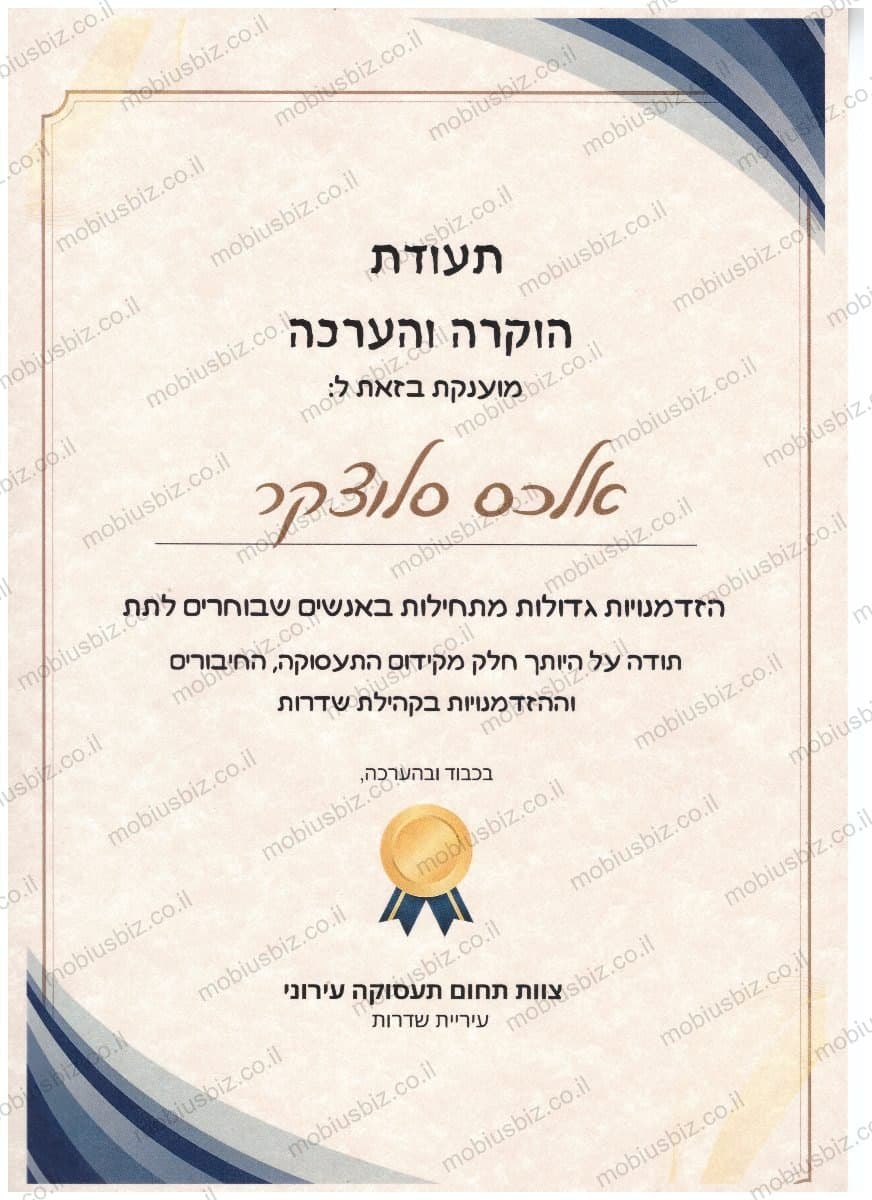
Certificate of appreciation, Sderot municipality
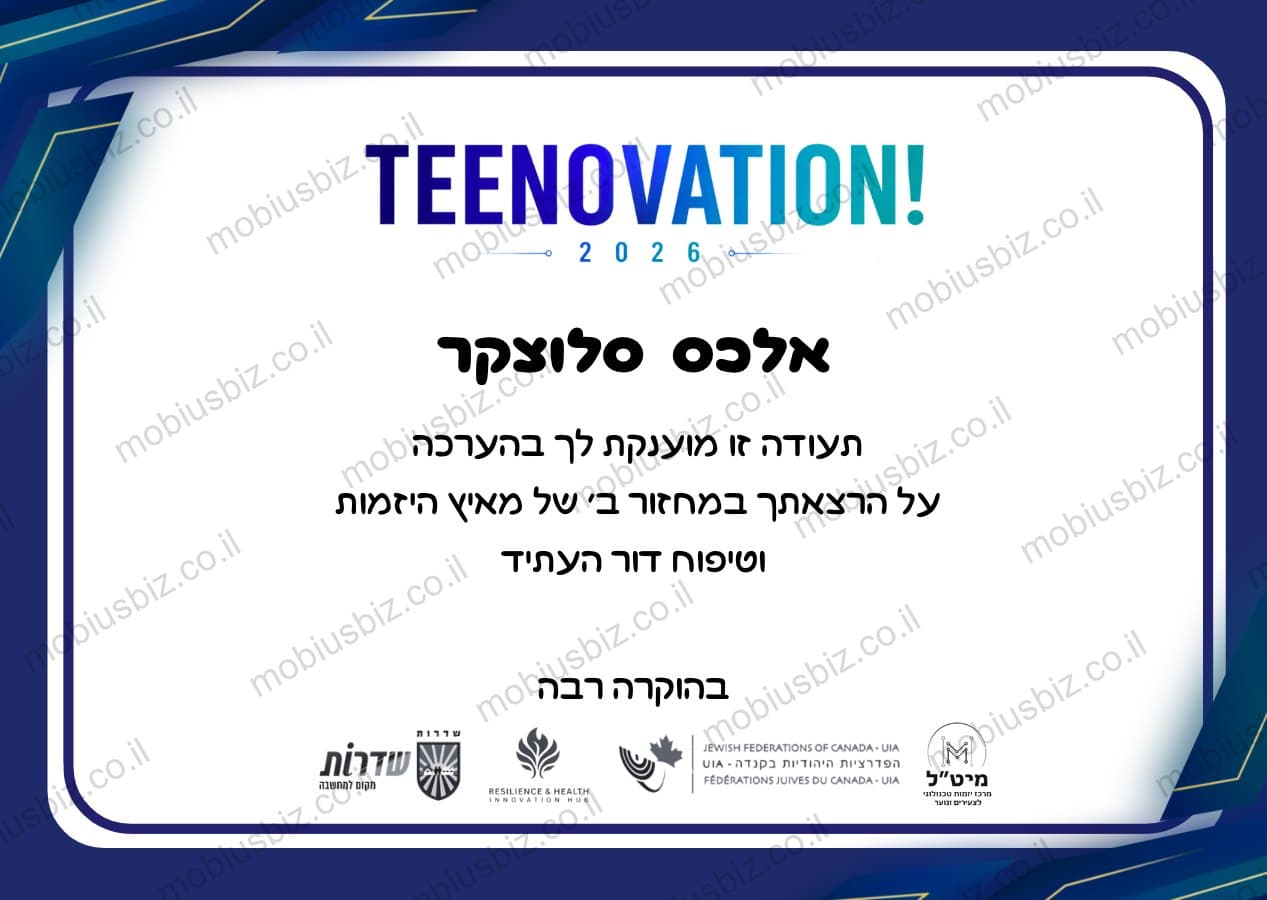
Certificate of honor, Teenovation 2026
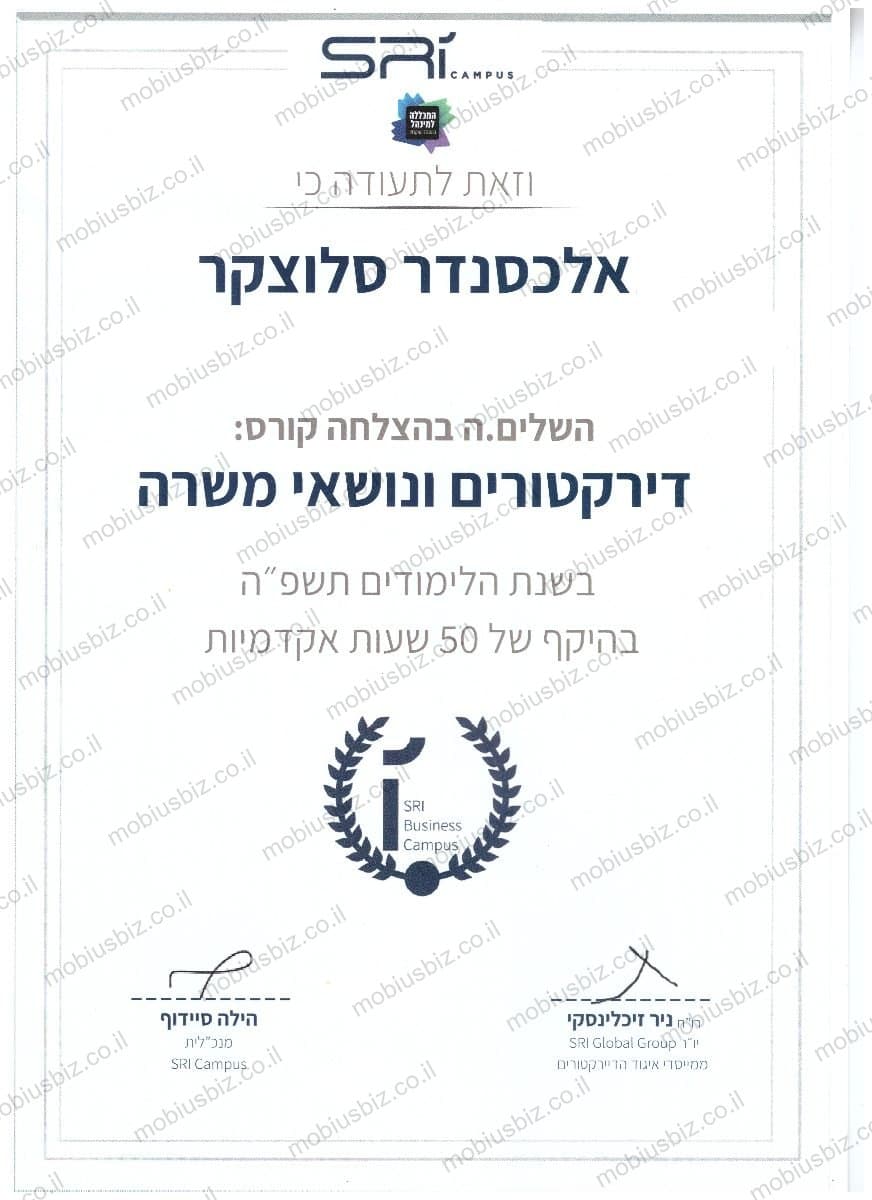
Directors and officeholders course, SRI Campus
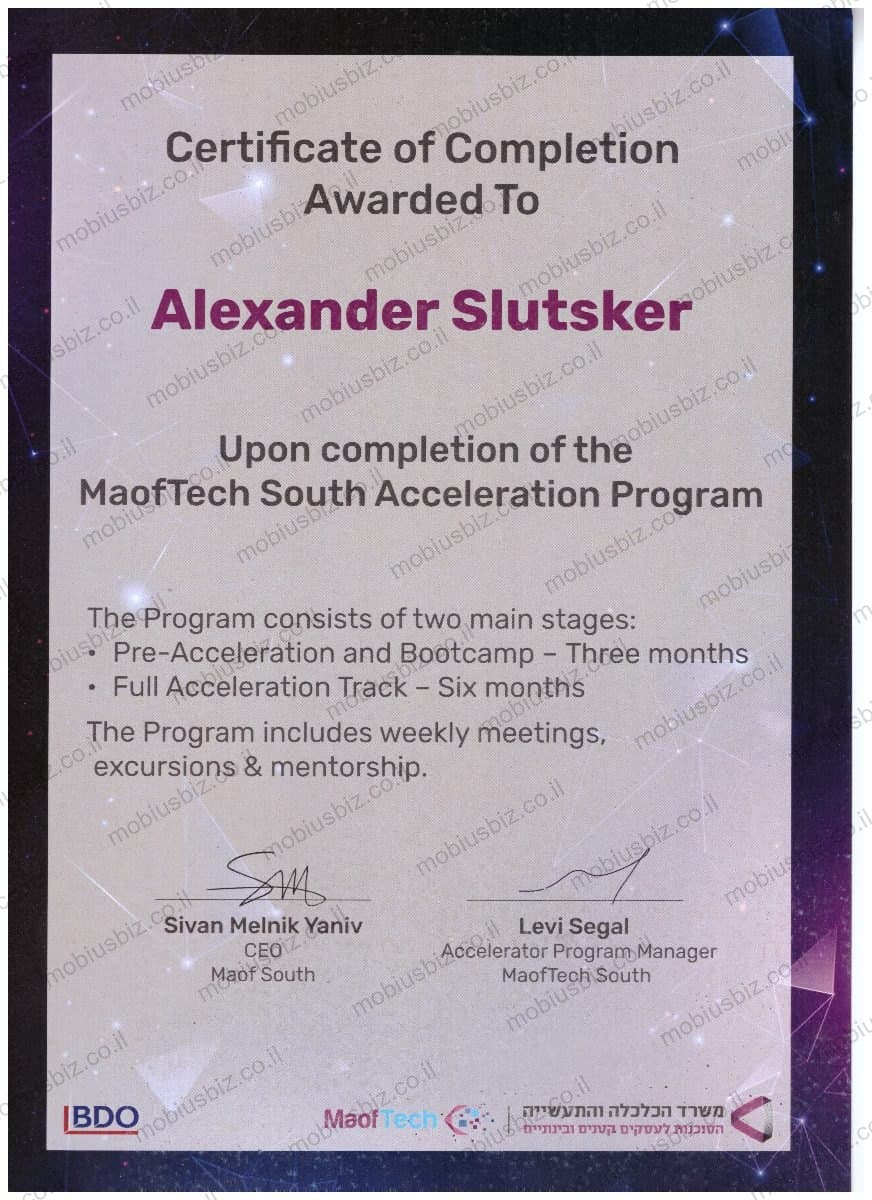
Acceleration program, MaofTech South
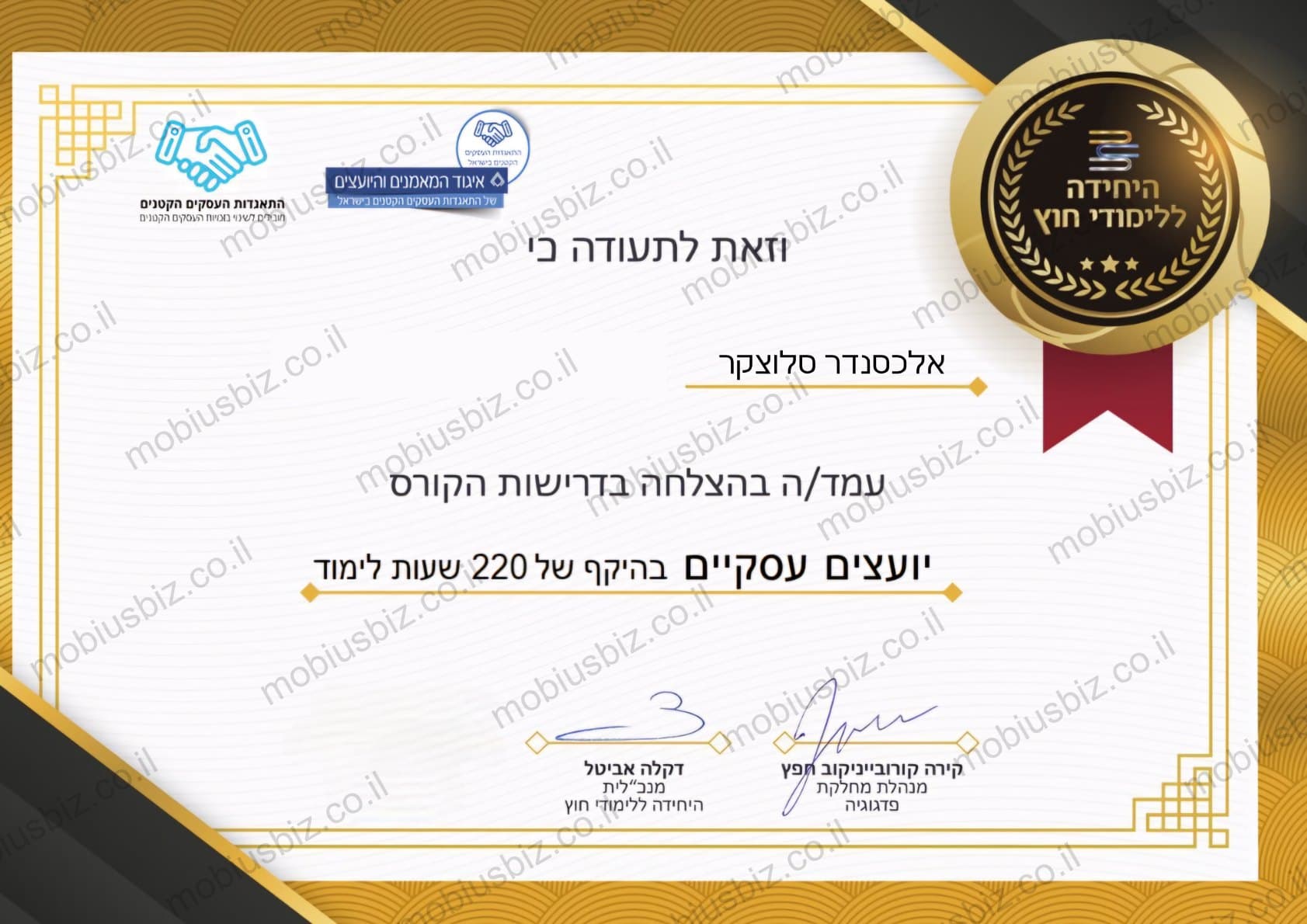
Business consultants course
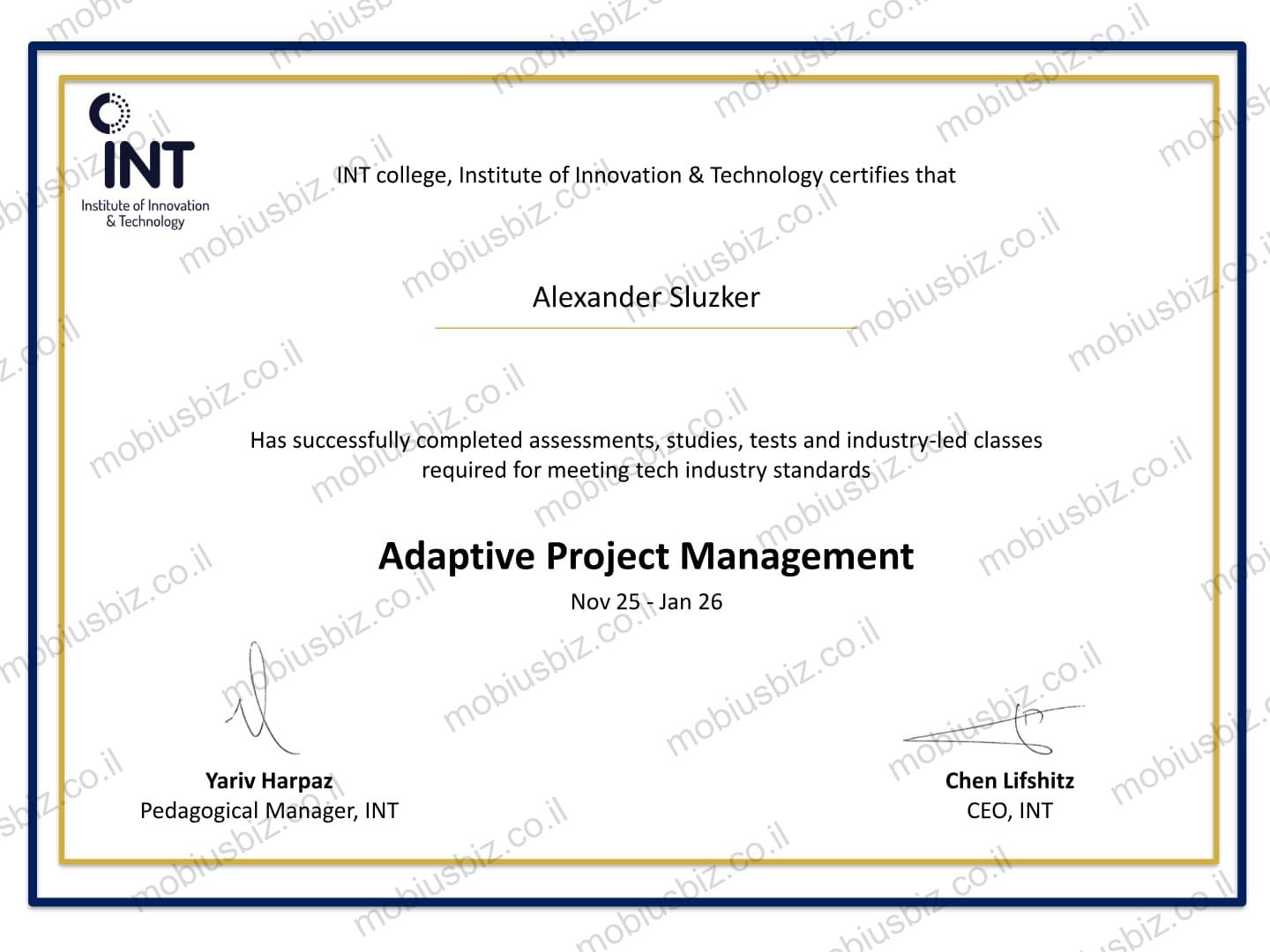
Adaptive project management, INT college

Business, Marketing, Operations & Financial Consultant
Mobius
Alexander Slutsker
9+Years of experience in business consulting
I help entrepreneurs, self-employed people, small businesses and startups understand their own numbers, choose what to do first and grow from there.
Book a Free Call+972 055-248-6151. Better on WhatsApp: I am in meetings most of the day and answer as soon as I am free. Other ways to reach me
We can talk in English, Hebrew or Russian.