Customer Journey Mapping: Find the Real Sales Leak
Map the customer path from first contact to payment and see where leads, proposals and follow-ups get lost, before you spend more on traffic.
What is the customer journey
A customer journey is the whole path a customer walks with your business, seen from their side, from first hearing of you to buying, using and coming back.
Illustration
Her journey, and how she feels on the way
- 1SeesCurious
- 2AsksUnsure
- 4BooksRelieved
- 6JoinsSteady
- 7Misses a weekCared for
- 8RecommendsThe high point
New members a month: 5 (without the fixes: 5)
The lowest point is step 3, five hours of waiting for a reply, and it is also the dearest: half of the month's 100 chats leave there. Today the month makes 5 new members. Tap a red step to see its fix.
The counts are the Meta month of the marketing funnel page: 100 chats, half answered in time, 20% of those book a trial class, half the trial guests join. The auto reply lifts the answered chats to 80%, as there. What the parking note changes is not measured, so the slider is your own guess. All numbers are invented.
Customer journey mapping is not a decorative workshop. It is a way to find where money leaks between the first contact and the payment.
Many owners ask for more traffic because traffic is visible. The real leak is often later: after the inquiry, after the consultation, after the proposal, or during follow-up. More visitors sent down the same path leak at the same place.
Map the path from the customer's first step
Start with the real sequence, not the ideal process. Where did the customer first hear about you? What did they see? How long did it take you to respond? Who checked whether they were a fit? What happened after the first conversation?
A useful map includes:
- where the lead (a person who showed interest) came from
- the first message or landing page
- response time
- qualifying questions
- the consultation or sales call
- the proposal
- the next agreed step
- objections
- payment
- delivery
- the path to a repeat purchase or referral
Each stage needs an owner and a number. The number is usually a conversion rate (the share of people who move on to the next stage): how many inquiries became calls, how many calls became proposals, how many proposals became payments. The stage where that share drops sharply is your bottleneck (the step that slows everything else).
What a proposal leak looks like
Picture a business that is sure it needs more traffic. Then the map from first contact to payment shows that most potential customers do reach the consultation. The loss happens after the proposal.
The proposal goes out without an agreed next step. The person who sent it waits for the client to come back. A week later, a generic message asks whether the client has had a chance to look at it.
That leaves the decision floating. The sales opportunity (a lead who is seriously considering a purchase) is still open, and nobody is moving it forward.
Fix the moment before the proposal
The fix starts during the call, not after the proposal is sent:
- agree on the date of the next contact
- ask how the client will decide and what they are comparing
- find out who else has to approve
- send a short summary of the client's needs together with the proposal
Prepare answers in advance for the concerns that keep coming up, usually price, timing and internal approval.
The goal is not more traffic. It is closing more of the opportunities the business already has, and shortening the sales cycle (the time from first contact to a decision).
Make the map operational
A journey map should not live in a slide. It should change the work. If response time is slow, name who answers. If many people disappear after the proposal, schedule the next step before you send it. If the same objections keep coming back, update the offer and the sales script.
In Israel, WhatsApp is often part of the journey. Use it for speed, but summarize important decisions in writing so the business does not run on memory and scattered messages.
Review the map every month while marketing and sales are active, and right after a campaign, a change to the offer or a sudden drop in conversion.
If you want to understand whether your leak is in marketing or in sales, read marketing vs sales. If the problem starts earlier, read common marketing mistakes.
Mapping the real path a customer takes, and fixing the leak in it, is part of marketing and sales consulting. If you can see the leads but not where they disappear, talk it through with me. What business owners who worked with me say is in the recommendations further down this page.
The content on this blog is general information only and is not a recommendation to act. It is not business, legal, tax, or financial advice. Before making any decision, consult a qualified professional, such as an accountant, a lawyer, or a business advisor, about your specific situation.
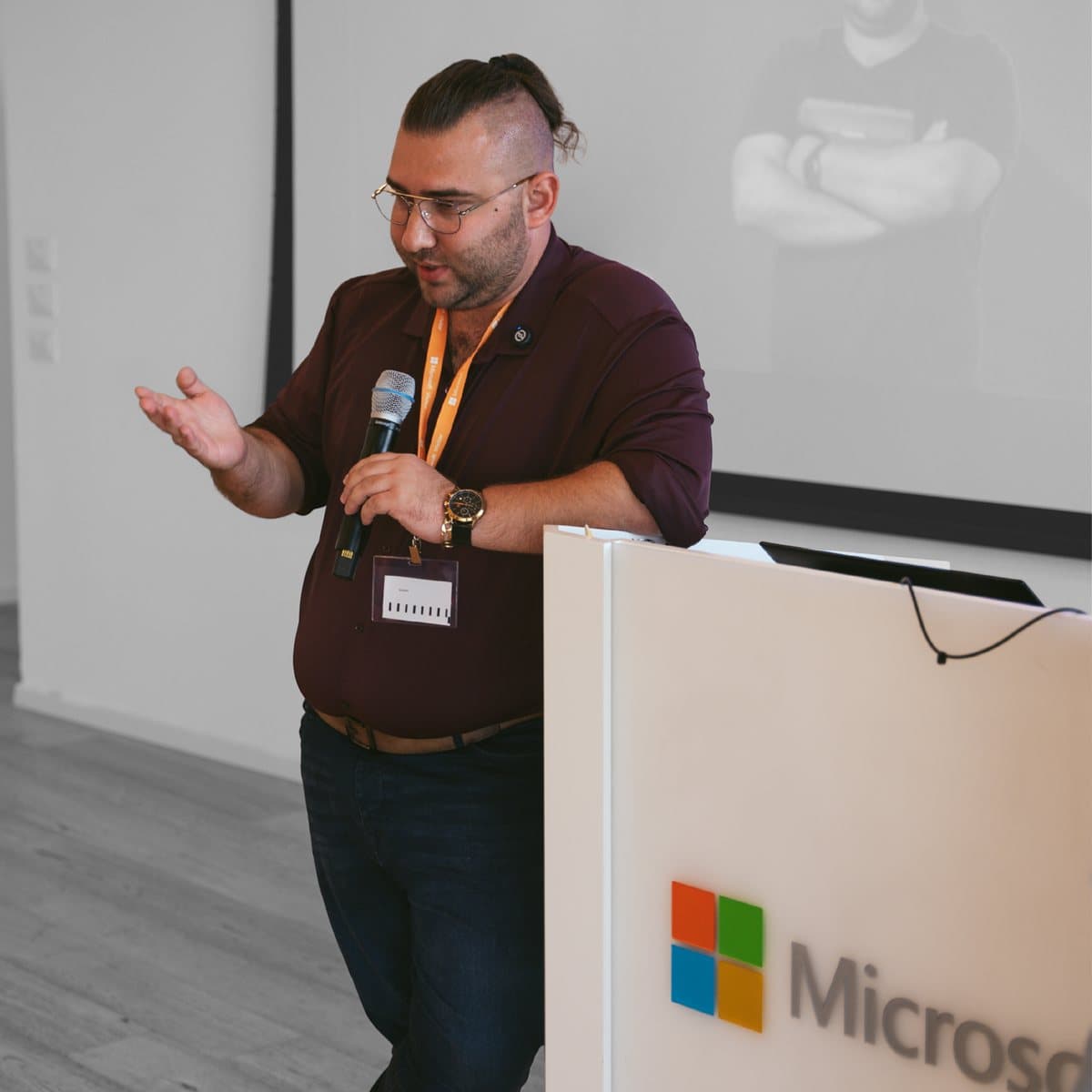
Speaking at Microsoft
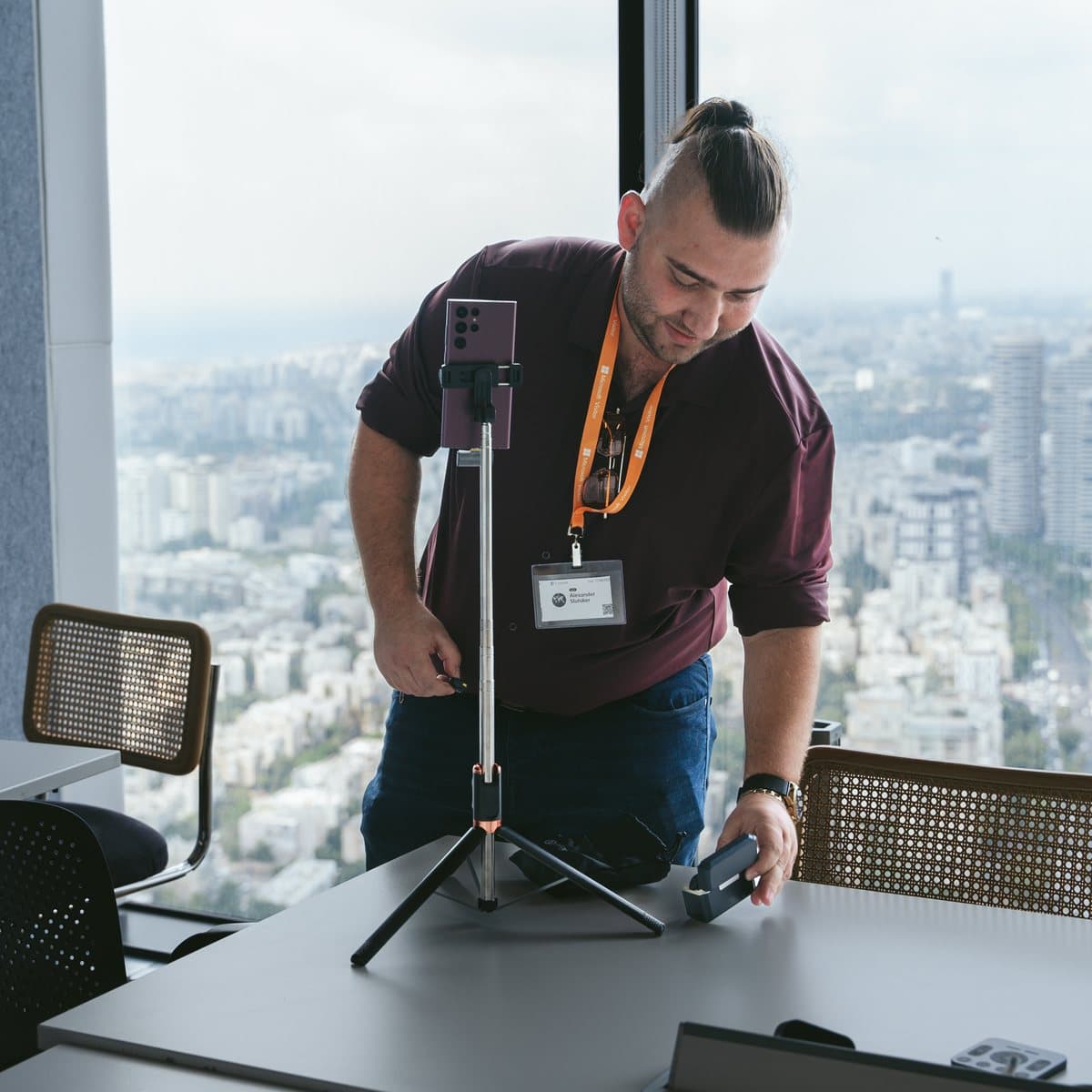
Meeting with international teams, as part of work with a startup
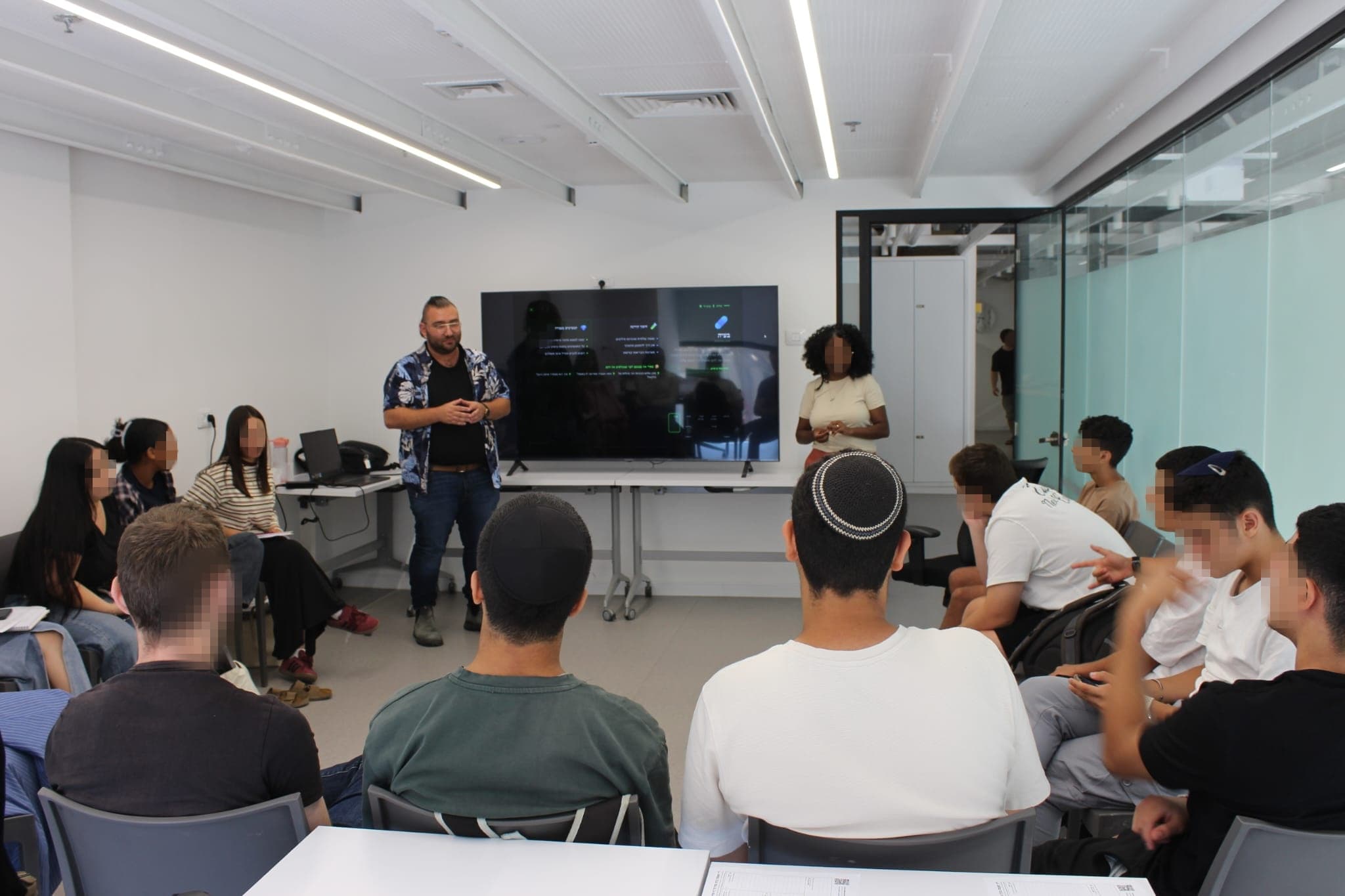
Teenovation, Meital centre Sderot
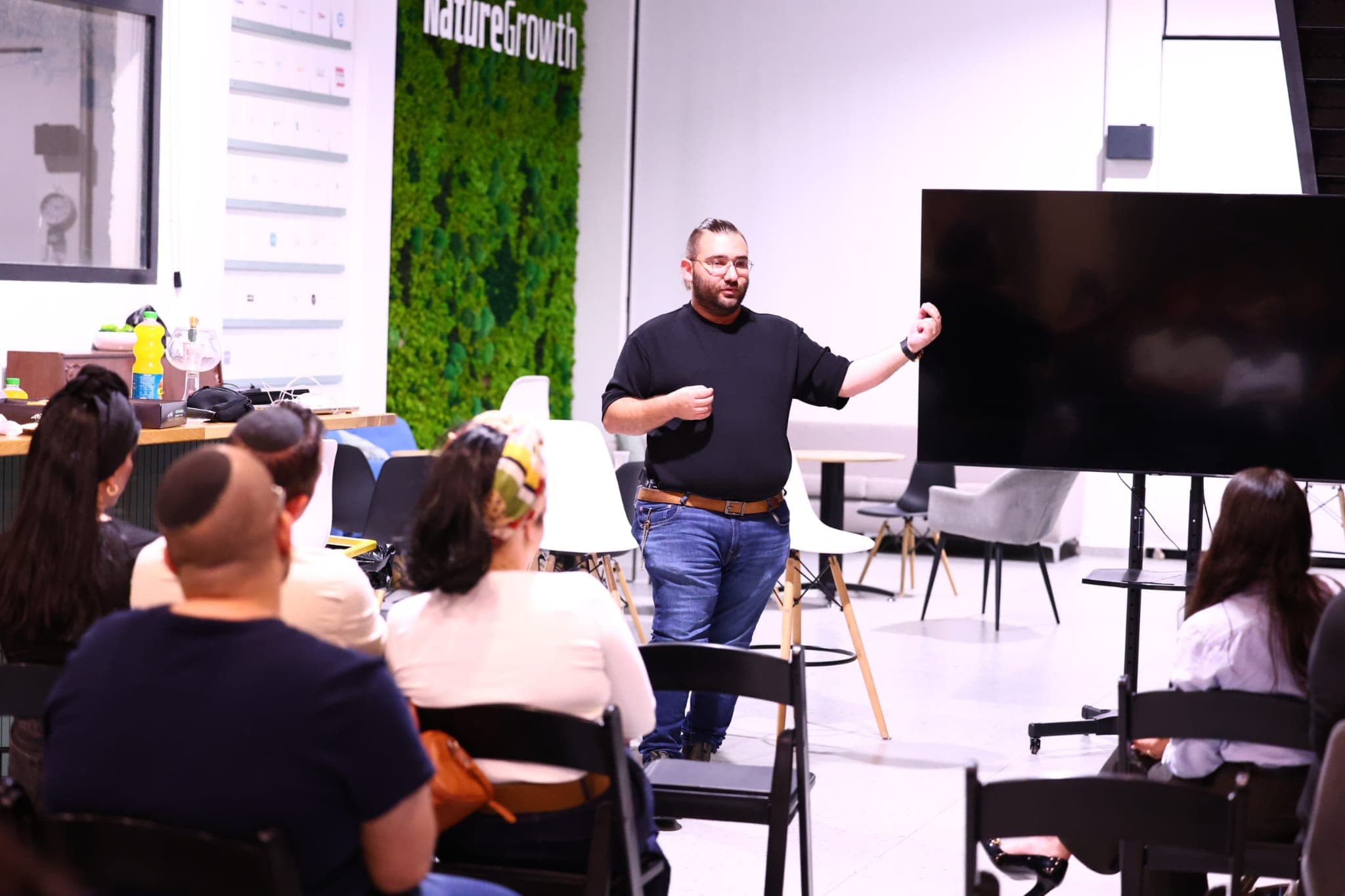
Entrepreneurs session, Sderot
I have worked with
- Google for Startups
- House of Business, Sderot Municipality
- Microsoft Reactor
- GameReady
- Eclipse Capital
- SderoTech
- IUCEL
- Resilience & Health Innovation Hub
- International Resilience Institute of Sderot


















- Google for Startups
- House of Business, Sderot Municipality
- Microsoft Reactor
- GameReady
- Eclipse Capital
- SderoTech
- IUCEL
- Resilience & Health Innovation Hub
- International Resilience Institute of Sderot
What Clients Say
From different fields, at different stages of business
Dan Manto
Eclipse Capital
Real Estate Investment and Finance, USA
Arty McLabin
GameReady
Game Development Education and Outsourcing, International

Anna
Beautician
After I finished a cosmetology course at a leading company, I was confused. I didn't know how to open a business, what to sell from home, or how to bring in clients. Since I reached out to Mobius, everything has changed. We built an organized plan with clear steps and no unnecessary risks. Today I see results, and I'm growing and developing every month.

Mark
Massage therapist, Gan Yavne
When I finished a massage course, I imagined a different world. I found out it's a hard field, and financial stability isn't easy to find. When I came to Mobius, something changed. We started an organized process and built a business plan. Without Mobius? I probably would have given up. Today I believe in myself and in my own path.
And the paperwork, for anyone who wants to see that too.

Certificate of appreciation, Sderot municipality

Certificate of honor, Teenovation 2026

Directors and officeholders course, SRI Campus
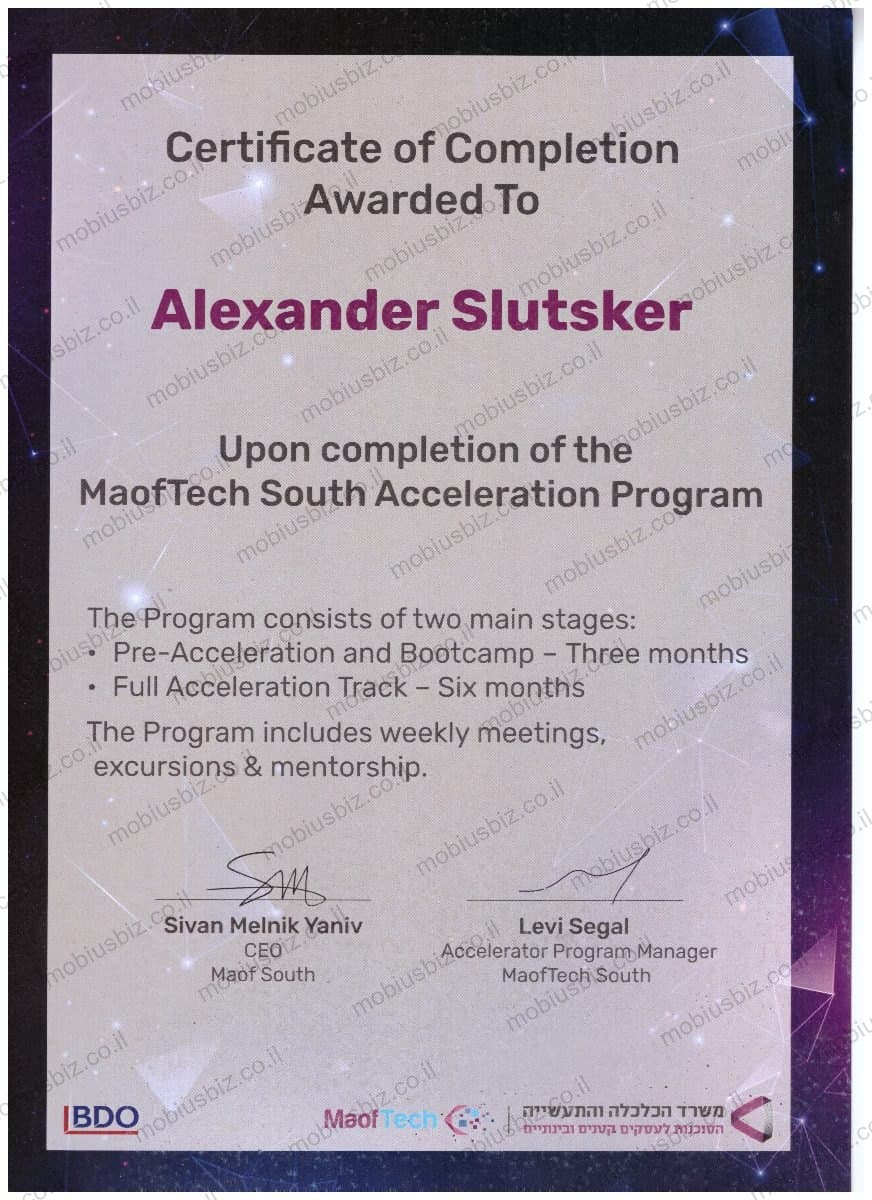
Acceleration program, MaofTech South

Business consultants course

Adaptive project management, INT college

Business, Marketing, Operations & Financial Consultant
Mobius
Alexander Slutsker
9+Years of experience in business consulting
I help entrepreneurs, self-employed people, small businesses and startups understand their own numbers, choose what to do first and grow from there.
Book a Free Call+972 055-248-6151. Better on WhatsApp: I am in meetings most of the day and answer as soon as I am free. Other ways to reach me
We can talk in English, Hebrew or Russian.