How Much Does It Cost to Open a Business in Israel?
The real first-year budget for a new business in Israel: opening costs, monthly running costs, hidden items, and how many months of cash you actually need.
Runway Calculator
Opening costs are only the first bill. See how much cash carries you to the month income covers your costs, and the month the money runs out if it does not.
Cash you need until income covers the costs
₪117,000
Months the cash lasts
∞
Income covers the costs from month
8
Cash month by month
How we calculated it
Opening costs of ₪40,000 plus the monthly gaps while income grows, ₪77,000, add up to ₪117,000.
You have ₪140,000, so at the lowest point, in month 7, only ₪23,000 is left, less than one month of costs.
The gaps are what most budgets leave out: the costs start in month one, the income grows month by month.
The starting numbers are an example, not a benchmark. Put in your own.
Want help extending your runway before it gets tight?
Book a free call+972 055-248-6151. Other ways to reach me
This is a simplified, illustrative tool meant to give you a quick feel for the numbers. It is not professional advice. Real business decisions depend on many factors it does not account for, and all results are estimates only. Mobius Business Solutions accepts no responsibility for decisions or actions taken based on this tool.
Opening a business file in Israel costs almost nothing. Opening an osek patur (VAT-exempt small business) file is free, and even a company's registration fees are small compared to what comes next.
So the honest answer to "how much does it cost to open a business in Israel" is: the registration is not the cost. The first year is the cost. Your budget is not the price of starting, it is the price of surviving long enough for the business to work.
Here is how to build that number for your own case.
The three budgets that matter
Most people plan one budget: the opening. You actually need three:
- Opening costs. One-time spending before the first sale: equipment, renovation, initial inventory, website, branding, deposits, professional setup fees.
- Monthly running costs. What it costs to keep the doors open every month: rent, arnona (municipal business tax), utilities, software, insurance, bookkeeping, loan payments, marketing.
- Household costs. What your family needs monthly while the business grows. This is the budget new owners most often ignore, and the one that actually forces businesses to close.
A business rarely dies because the idea was bad. It dies because the three budgets together ran out of cash before the lessons were learned.
Runway: turn your budget into time
Runway (months of cash left) is the most honest planning number. Take the cash you have for the business, subtract the opening costs, and divide the rest by your true monthly burn (business costs plus whatever your household needs from the business).
The calculator at the top of this article lets you play with the numbers: change starting cash, monthly expenses, and expected income, and watch how many months of runway you really have. Before opening, run it with income set to zero for the first months. That is the scenario your plan has to survive.
If the runway number scares you, that is the point. It is much cheaper to be scared before the lease is signed. For the deeper method, read financial management for startups.
When the plan also has to convince a bank or an investor, these same numbers are the starting point of a business plan I build with you.
The costs everyone forgets
When launch plans meet reality, these are the recurring surprises:
- The deposit stack. Landlord deposit, supplier advance payments, equipment deposits. That cash is locked, not spent, but locked cash cannot pay bills.
- Payment timing. Business clients in Israel often pay on delayed terms (shotef plus, payment 30 to 90 days after invoice). You bought the materials this month. The money returns in three. That gap is a cash flow (money moving in and out) problem, and it can sink a business that is profitable on paper.
- The second inventory purchase. The first batch is in the plan. The refill, needed exactly when cash is lowest, usually is not.
- Taxes on profit. Income tax and National Insurance are paid from your margin. Owners who spend gross income as if it were profit discover this at the annual report.
- Failed marketing. The first campaign usually teaches rather than sells. Budget for several attempts, not one.
- Your own salary. If the plan only works when you take nothing for a year, the plan does not work.
Before the loan: prove the demand, not the space
A common request before opening is a business plan built around a bank loan: a spacious rented space, an expensive renovation, professional equipment, an impressive interior, a launch as an already formed business.
At that stage the task is different. It is to prove you can attract clients and keep them. Instead of the loan: build the brand, basic marketing and first clients, work in a format with minimal fixed costs, test prices, and build repeat sales.
A modest start usually earns less in the first months than the owner hoped. It also carries no long lease, no renovation debt, no loan payments, no payroll, and no pressure to force revenue at any cost. What it buys is the most valuable resource a new owner has: time to learn without a large debt on your back.
The full-capacity myth
The most common error in launch budgets is the revenue side, not the cost side. The owner counts chairs or hours, multiplies by price, and the paper shows 50, 70, even 100 thousand shekels of profit from month one or two.
The technical capacity to serve clients does not mean those clients exist yet. A business needs time for people to hear about it, for first clients to arrive and return, for referrals and reputation to work, for marketing channels to start producing, and for staff to reach real productivity. Each client walks the customer journey (the path from first hearing about you to buying and coming back) at their own pace, and a new business fills up no faster than that. In my years of consulting I have not seen a new business reach the full operational capacity its owner imagined before opening.
What the business is matters more than what it looks like. A beautiful space creates an impression of success, and high revenue creates an impression of profitability. The business is judged by numbers: net profit (what remains after all costs), how fast the investment returns, CAC (what a client costs to acquire), retention (how many clients come back), how much free cash stays in the account, and whether everything depends on the owner being present.
Where you can be cheap, and where you cannot
Be cheap on everything reversible: branding, office, furniture, tools, subscriptions. A modest start does not damage a good business. In my experience, a lean service-business launch usually needs a few tens of thousands of shekels, not hundreds of thousands, and a location-based business is what pushes the number toward six figures.
Aim for mistakes that are small, fast, and financially survivable. No book replaces the feel of a real client conversation, a refusal, a late payment, or a campaign that does not work, so the goal is to buy those lessons cheaply. And remember that marketing is wider than paid ads: direct outreach, professional partnerships, referrals, local communities, and repeat sales often give a small business more than an expensive campaign. Once the business is running, choosing which of these channels to try and testing each one small before committing is exactly what business development is.
One more honest gate before spending money: if you are not ready to invest regular time and mental effort, evenings included, money alone will not make the business work.
Do not be cheap on the things that decide whether money comes in: understanding the customer, pricing correctly, and reaching first clients. Pricing mistakes alone can quietly erase the entire margin (the profit left after costs), so use how to price your services before you publish a price list.
And do not spend heavily before demand is proven. The full argument for testing first is in how to validate your business idea.
Build the number, then pressure-test it
The full opening path (structure, registration, licensing, banking) is in the step by step checklist for opening a business in Israel. Price each step for your specific case, add the three budgets, and then ask the hard question: does the cash cover enough months of learning?
That question is exactly what I pressure-test in business launch support before you commit money. I hold a BBA and an MBA and have helped entrepreneurs, small businesses and startups open their businesses. Most of the expensive mistakes I see are budget mistakes made before opening day. What owners I have worked with say about the work is on my profile page.
If you want your first-year number checked against reality, talk it through with me.
The content on this blog is general information only and is not a recommendation to act. It is not business, legal, tax, or financial advice. Before making any decision, consult a qualified professional, such as an accountant, a lawyer, or a business advisor, about your specific situation.
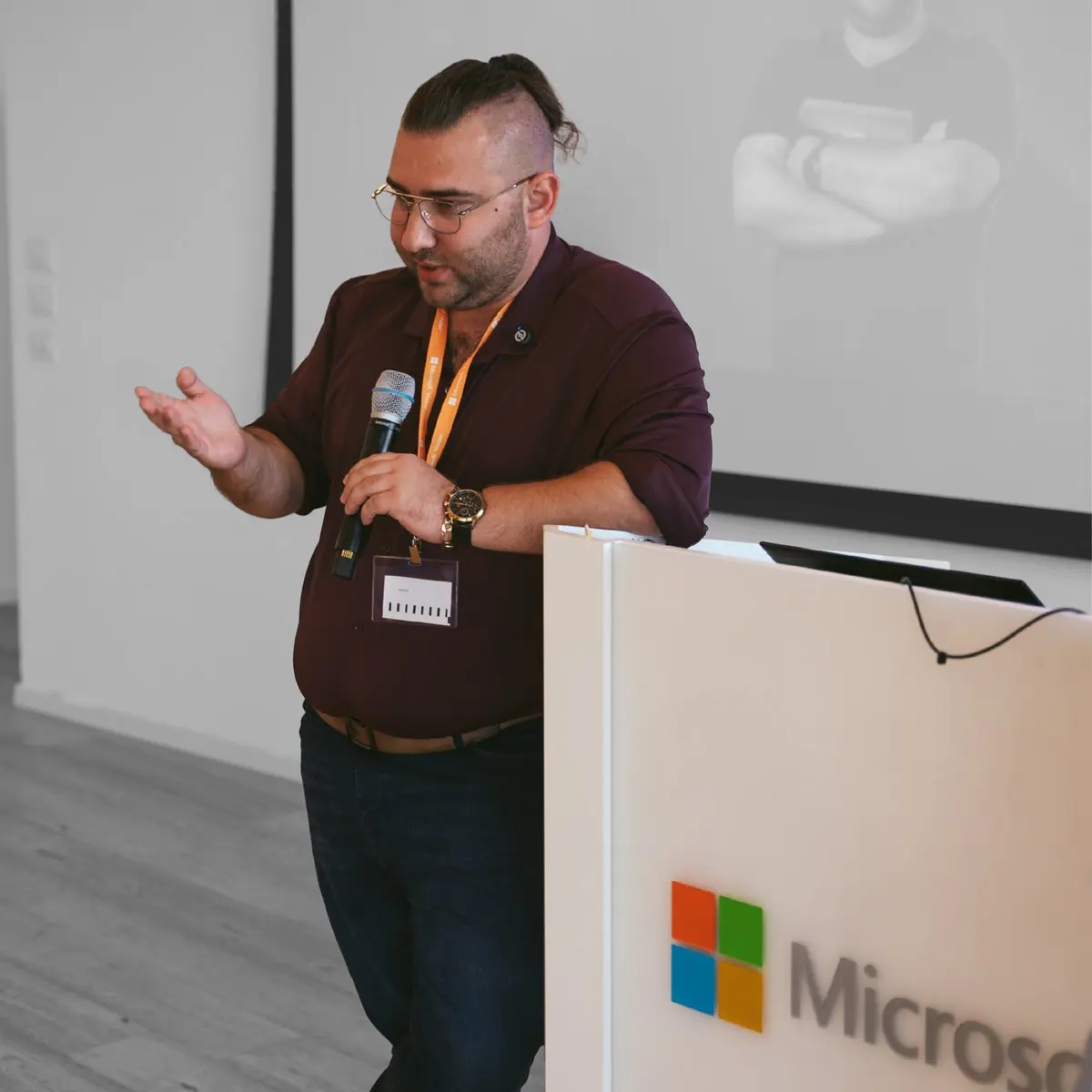
Speaking at Microsoft

Meeting with international teams, as part of work with a startup
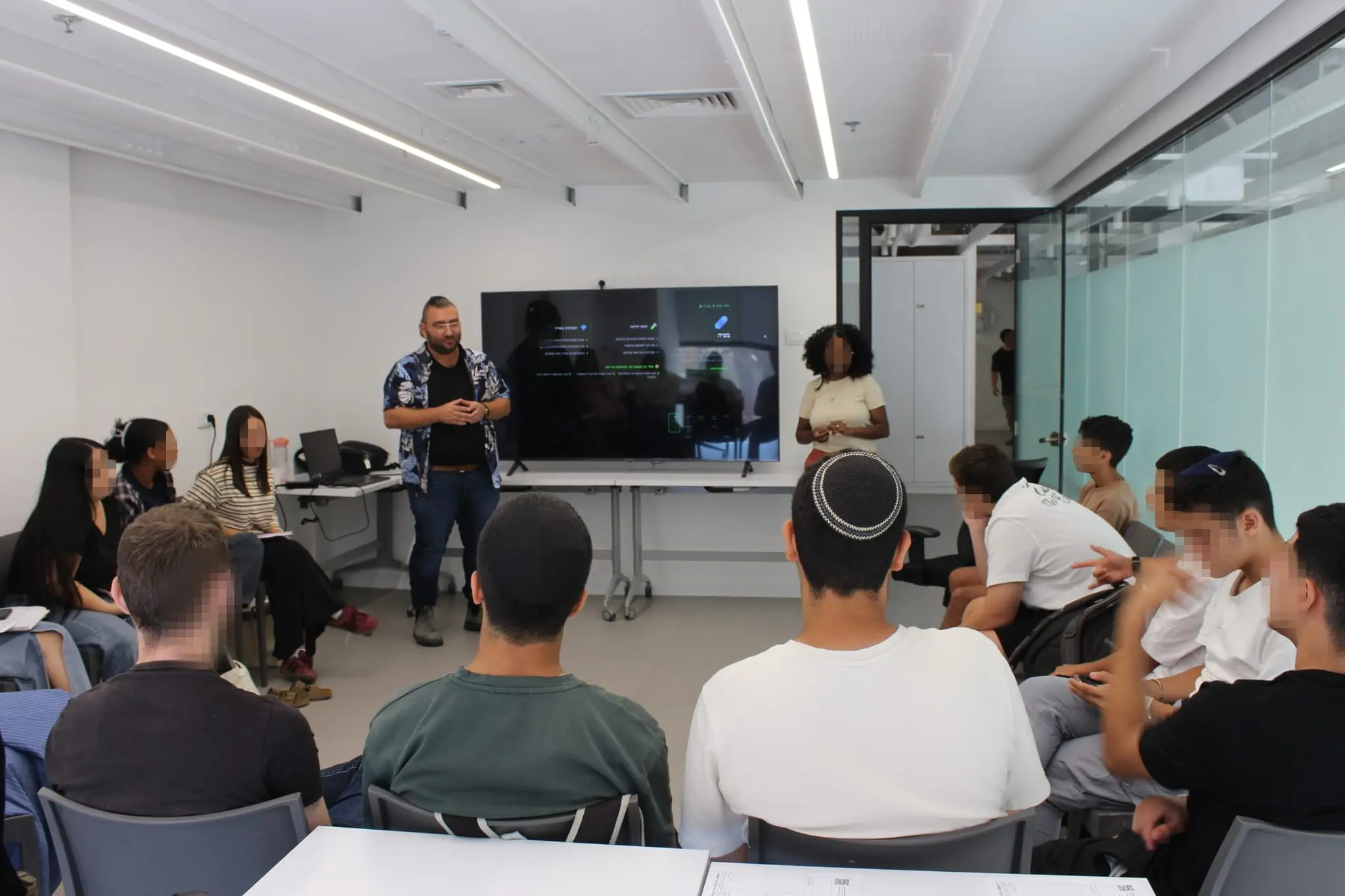
Teenovation, Meital centre Sderot
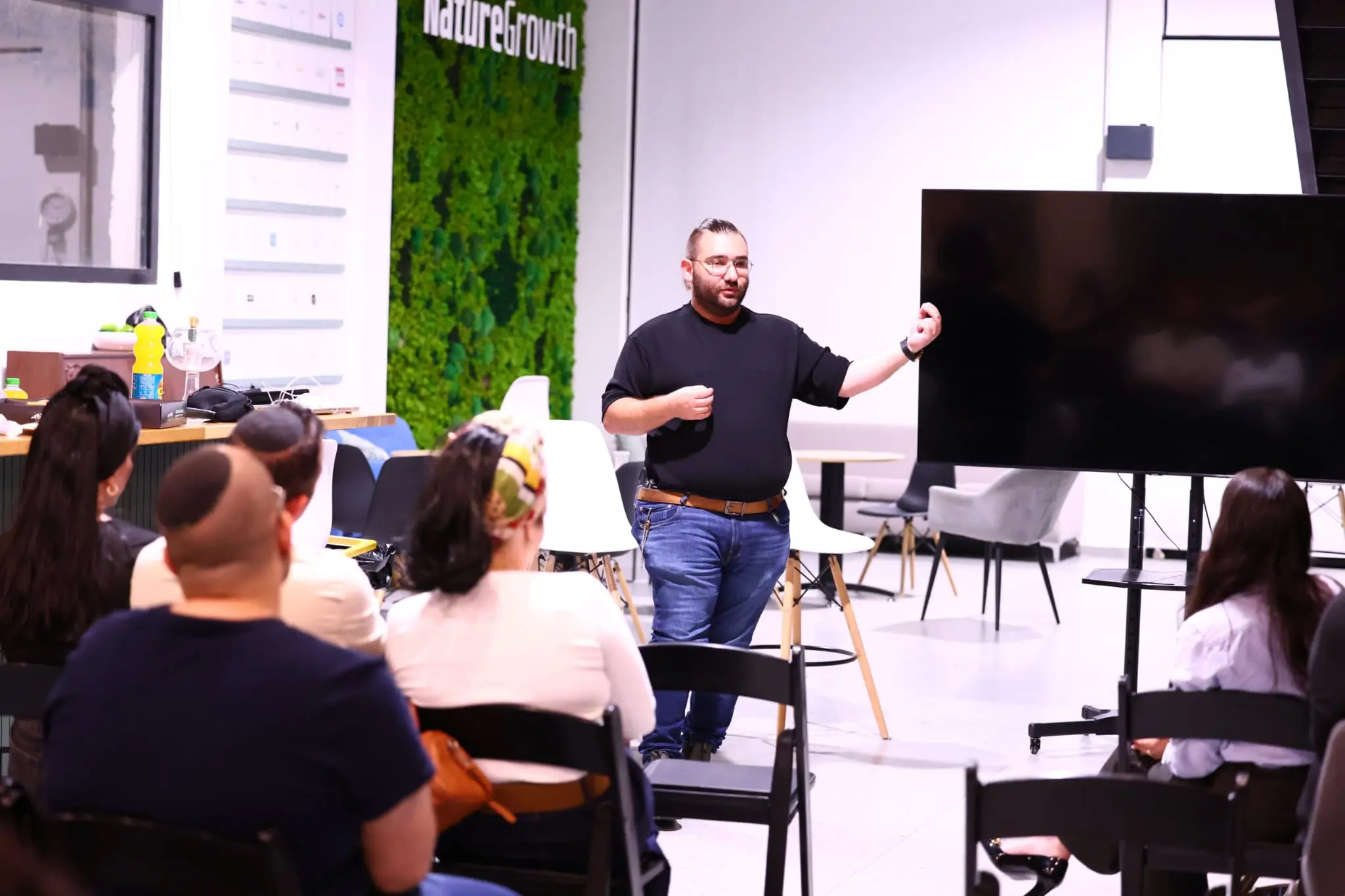
Entrepreneurs session, Sderot
I have worked with
- Google for Startups
- House of Business, Sderot Municipality
- Microsoft Reactor
- GameReady
- Eclipse Capital
- SderoTech
- IUCEL
- Resilience & Health Innovation Hub
- International Resilience Institute of Sderot
















- Google for Startups
- House of Business, Sderot Municipality
- Microsoft Reactor
- GameReady
- Eclipse Capital
- SderoTech
- IUCEL
- Resilience & Health Innovation Hub
- International Resilience Institute of Sderot
What Clients Say
From different fields, at different stages of business
Dan Manto
Eclipse Capital
Real Estate Investment and Finance, USA
Arty McLabin
GameReady
Game Development Education and Outsourcing, International

Anna
Beautician
After I finished a cosmetology course at a leading company, I was confused. I didn't know how to open a business, what to sell from home, or how to bring in clients. Since I reached out to Mobius, everything has changed. We built an organized plan with clear steps and no unnecessary risks. Today I see results, and I'm growing and developing every month.

Mark
Massage therapist, Gan Yavne
When I finished a massage course, I imagined a different world. I found out it's a hard field, and financial stability isn't easy to find. When I came to Mobius, something changed. We started an organized process and built a business plan. Without Mobius? I probably would have given up. Today I believe in myself and in my own path.
And the paperwork, for anyone who wants to see that too.

Certificate of appreciation, Sderot municipality

Certificate of honor, Teenovation 2026

Directors and officeholders course, SRI Campus
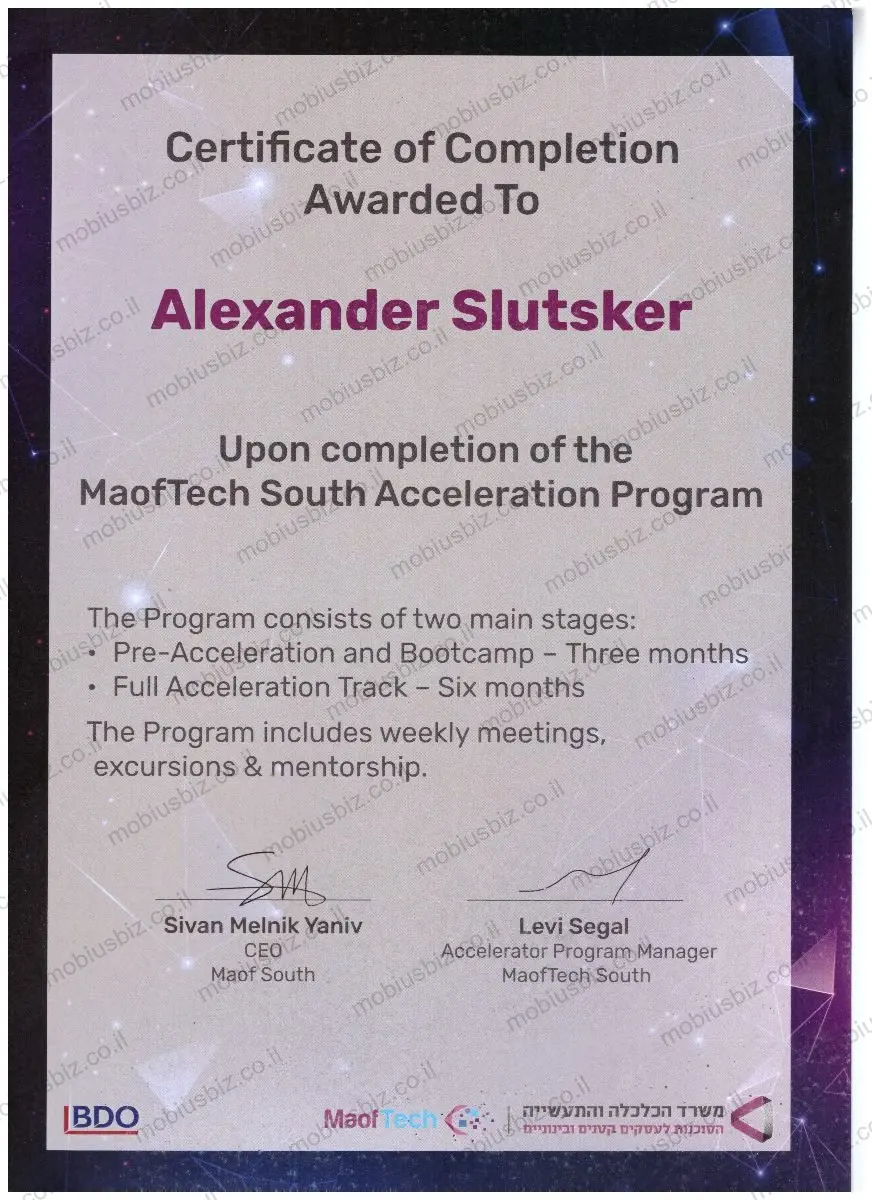
Acceleration program, MaofTech South

Business consultants course

Adaptive project management, INT college

Business, Marketing, Operations & Financial Consultant
Mobius
Alexander Slutsker
9+Years of experience in business consulting
I help entrepreneurs, self-employed people, small businesses and startups understand their own numbers, choose what to do first and grow from there.
Book a Free Call+972 055-248-6151. Better on WhatsApp: I am in meetings most of the day and answer as soon as I am free. Other ways to reach me
We can talk in English, Hebrew or Russian.