Strategic Business Plan Your Team Will Follow
How to turn a business plan into a practical strategic roadmap with priorities, owners, metrics, buffers and a review rhythm your team will use.
What is a KPI
A KPI (key performance indicator) is one of the few numbers a business tracks against a target and a date to see whether it is on course.
Illustration
Twelve weeks against the target
The quarter: 32 against 36, about 2.7 a week against 3. January and February fell short of 12, March beat it.
Most business plans are written as if the business will run in a clean laboratory. A strategic business plan is different. It turns your business strategy (the few big choices about who you serve and how you win) into a practical roadmap: what you will do, what can go wrong, how much buffer you need, and how you will review the plan when the market starts answering back.
That difference matters. A beautiful plan can still fail if it ignores supplier quotes, cash flow timing, marketing costs, the owner's salary, permits, inflation, local instability or the time it takes customers to notice a new business. A real strategic plan makes those risks visible before you spend the money.
What makes a strategic plan different?
A normal business plan explains the business. A strategic plan explains how the business will move from today to the next measurable stage.
The business plan guide of the U.S. Small Business Administration (SBA) says a plan should guide how you structure, run and grow the business. That is the standard to use. If the document does not change what you do this month, it is only paperwork.
A strategic roadmap (a living plan your team uses) should include:
- The customer and problem you are choosing first
- The offer, the price and the real cost structure
- The few priorities that matter now
- The person responsible for each priority
- The cash, marketing and operating assumptions behind the plan
- The risks, the buffers and the fallback decisions
- The review rhythm
Why plans fail after the meeting
Plans usually fail after the meeting because the plan was never connected to execution. It has too many goals, no owner, no review date and no honest downside case.
This is the laboratory problem I mentioned at the start. The plan assumes clean conditions. Real businesses have conflict, inflation, supplier delays, permits, security requirements, unstable weeks, and marketing costs that are higher at launch because nobody knows the new business yet.
That is especially important in Israel. Even in a good year, many businesses have to plan for disruption caused by instability. If your plan has no reserve for closed days, delays, weak traffic or sudden cost changes, the plan is not conservative. It is fragile.
What must be in a plan your team will follow?
A team follows a plan when it is simple enough to remember and specific enough to act on. Start with three to five priorities, not twenty.
Each priority should answer four questions:
- What result are we trying to change?
- Who owns it?
- Which number tells us whether it is working?
- When do we review and adjust?
The BDC guidance on measuring a strategic plan is useful here: choose KPIs (key performance indicators, the few numbers that show whether a priority is working) tied to strategic objectives, keep them simple, and use up-to-date data. I would rather see a small dashboard that the owner reviews every month than a thick plan nobody opens.
How do you choose the right numbers?
The numbers that break plans are rarely the glamorous ones. Cash flow (money moving in and out), margin (the profit left after costs), CAC (cost to win a customer), LTV (a customer's total value over time), the break-even point (where income covers all costs), the owner's salary and the funding need often matter more than the headline revenue forecast.
Cash flow deserves special attention. Some businesses close the deal today and receive the money weeks or months later. A profitable business can still collapse if payments arrive after salaries, rent, VAT, suppliers and loans are due.
Marketing also needs a realistic launch assumption. A new business cannot assume the same acquisition cost as a known competitor. Awareness costs money. People need to learn that you exist before they can buy from you.
How does strategy change the business week to week?
A strategic plan changes the business when it changes what the owner says yes and no to. It can show that the current audience is too narrow, that a new service has a better margin, that automation can remove a bottleneck (the step that slows everything else), or that the market is already educating customers about a direction you have not considered.
Owners often know their business better than any consultant. But long experience can also become a limit. If you have operated one way for years, you may stop seeing low-risk experiments that could open a new audience or improve efficiency. The plan creates space to test those possibilities without betting the whole business.
For the meeting format behind this work, see what happens in a business plan strategy session. For the common failure patterns, read why business plans fail.
What review rhythm keeps the plan alive?
Use three rhythms.
Weekly, check the work. Did the team do what was promised?
Monthly, check the numbers. Are cash, leads, sales, margin, delivery and owner time moving in the right direction?
Quarterly, check the strategy. Is the direction still right, or is the market showing a better path?
When the plan itself still needs to be written, for the business, a bank or an investor, see business plan building and writing.
If the term itself is still new to you, read what a business plan is and what it includes. If you want an outside view, in strategic consulting I work with you to turn the plan into action and review. When the plan needs a sharper reality test, talk it through with me. What business owners who worked with me say is in the recommendations further down this page.
The simple rule is this: luck is readiness meeting opportunity. You cannot rely on luck in business, but you can build readiness and create more opportunities through better planning, better numbers and better execution.
The content on this blog is general information only and is not a recommendation to act. It is not business, legal, tax, or financial advice. Before making any decision, consult a qualified professional, such as an accountant, a lawyer, or a business advisor, about your specific situation.
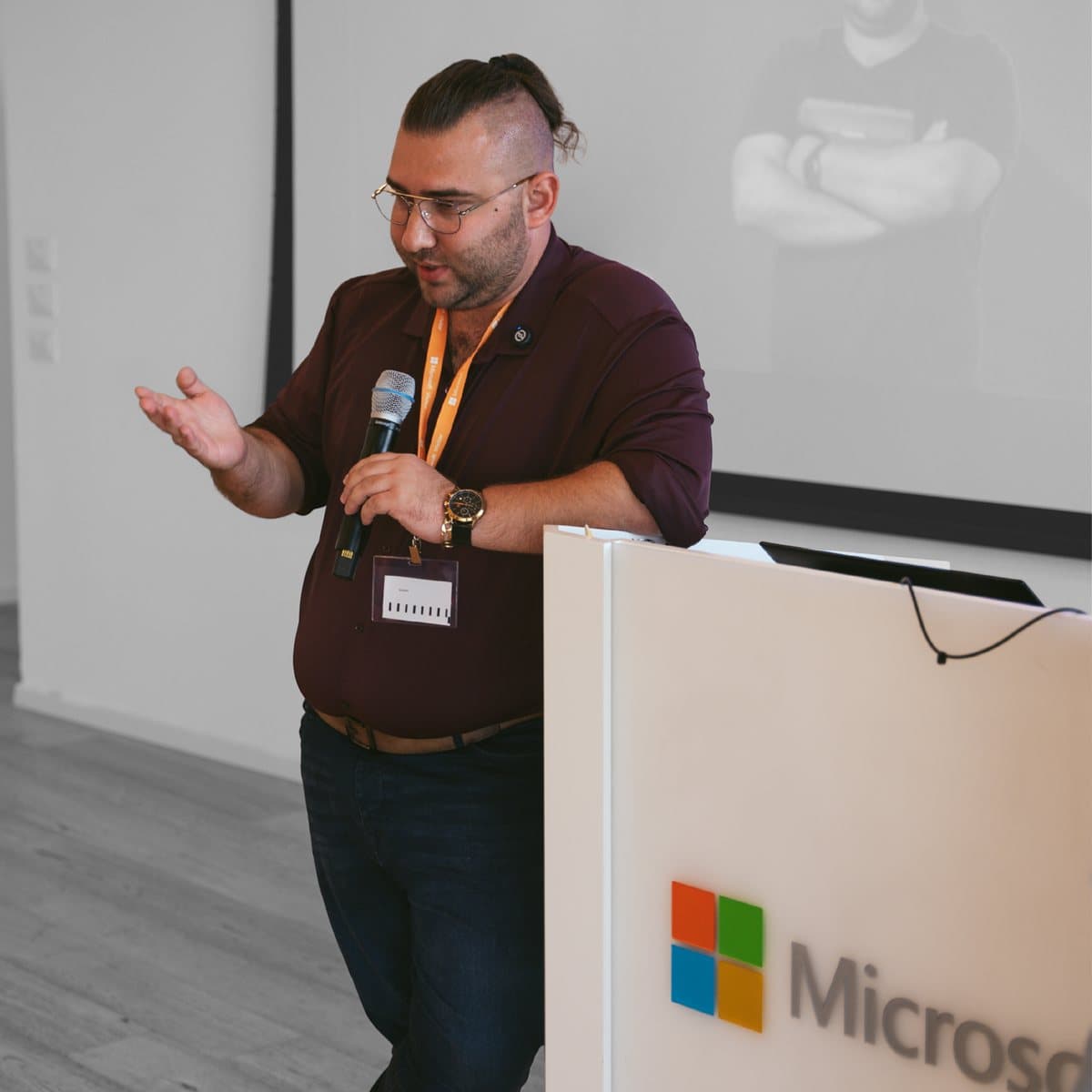
Speaking at Microsoft
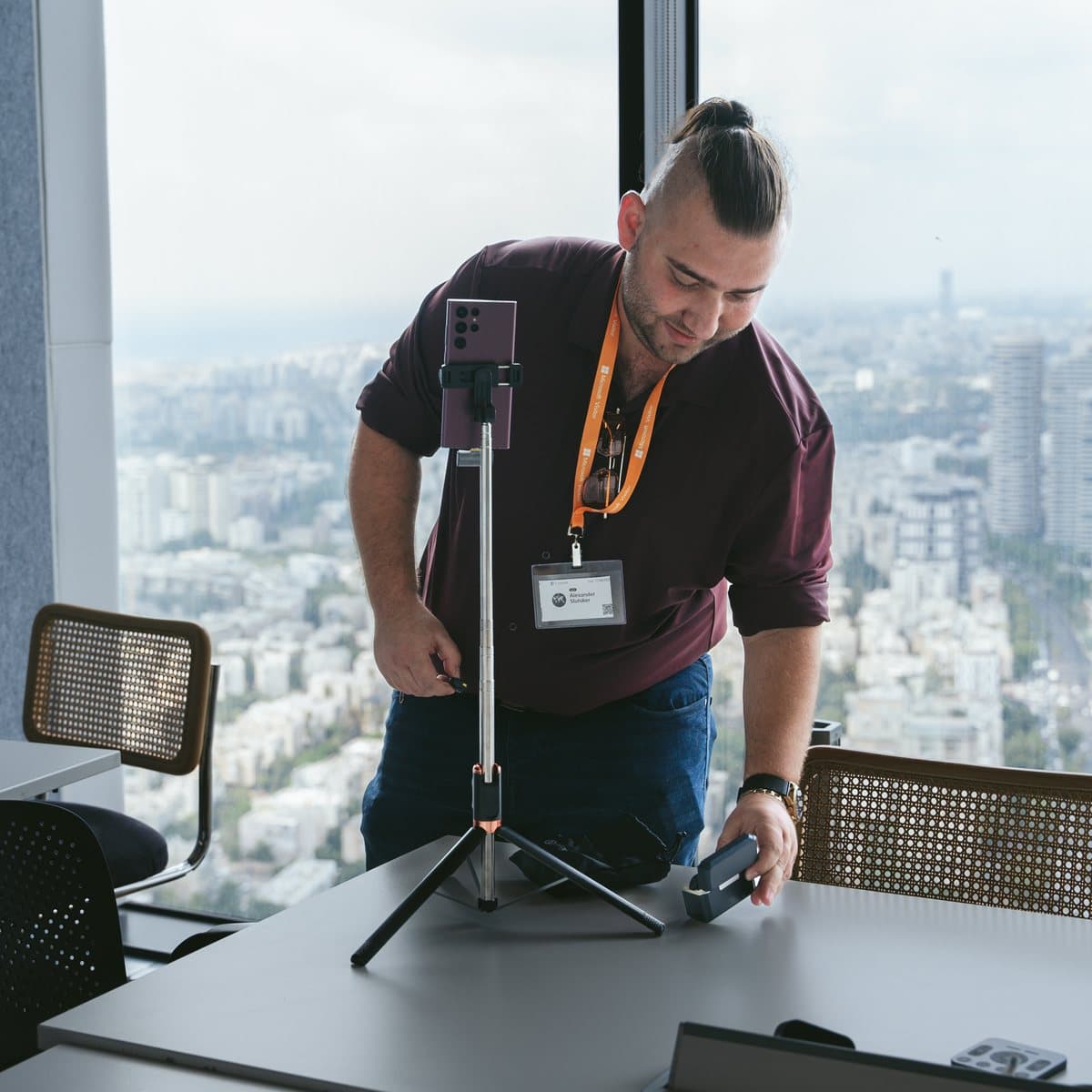
Meeting with international teams, as part of work with a startup
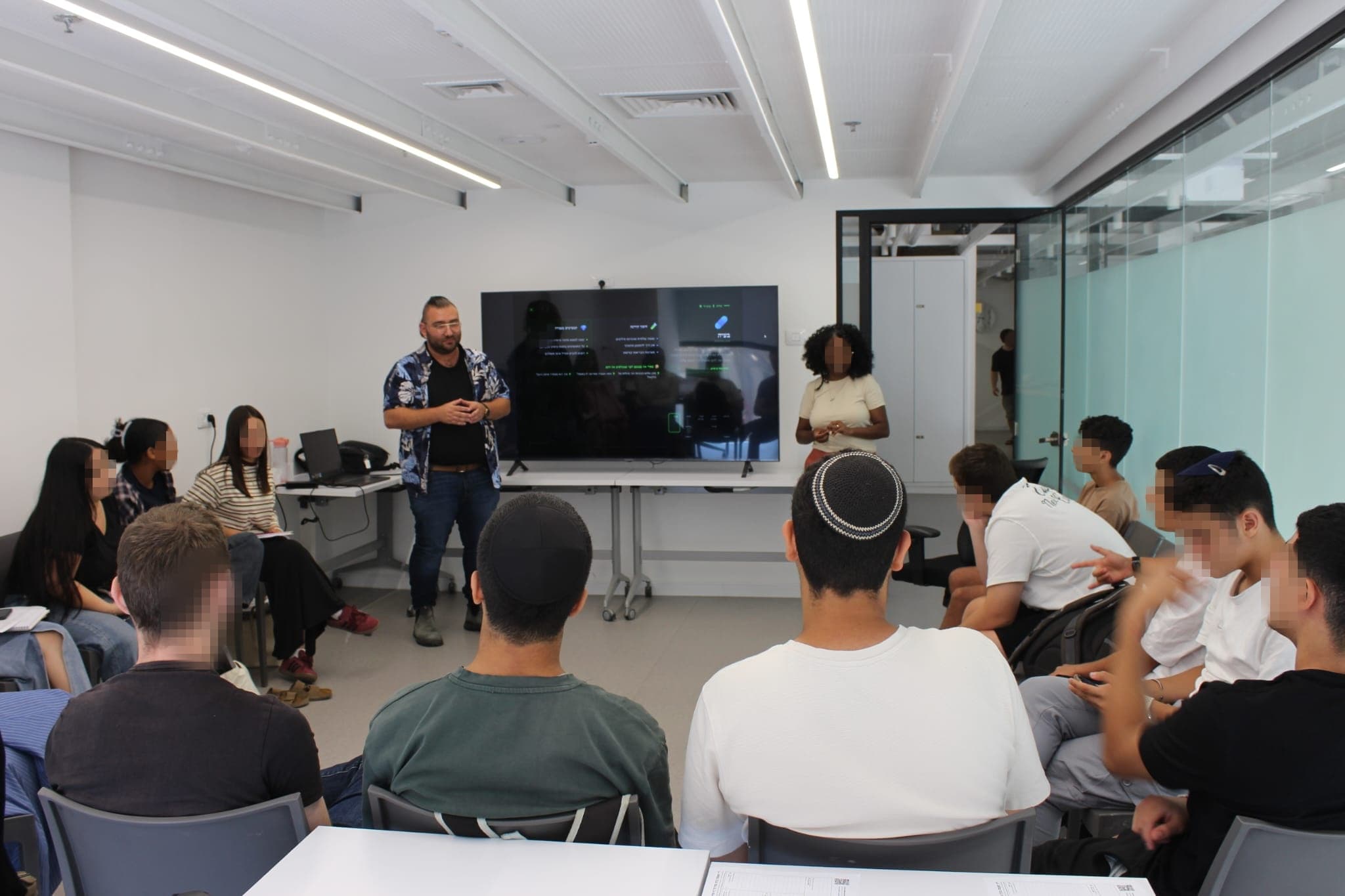
Teenovation, Meital centre Sderot
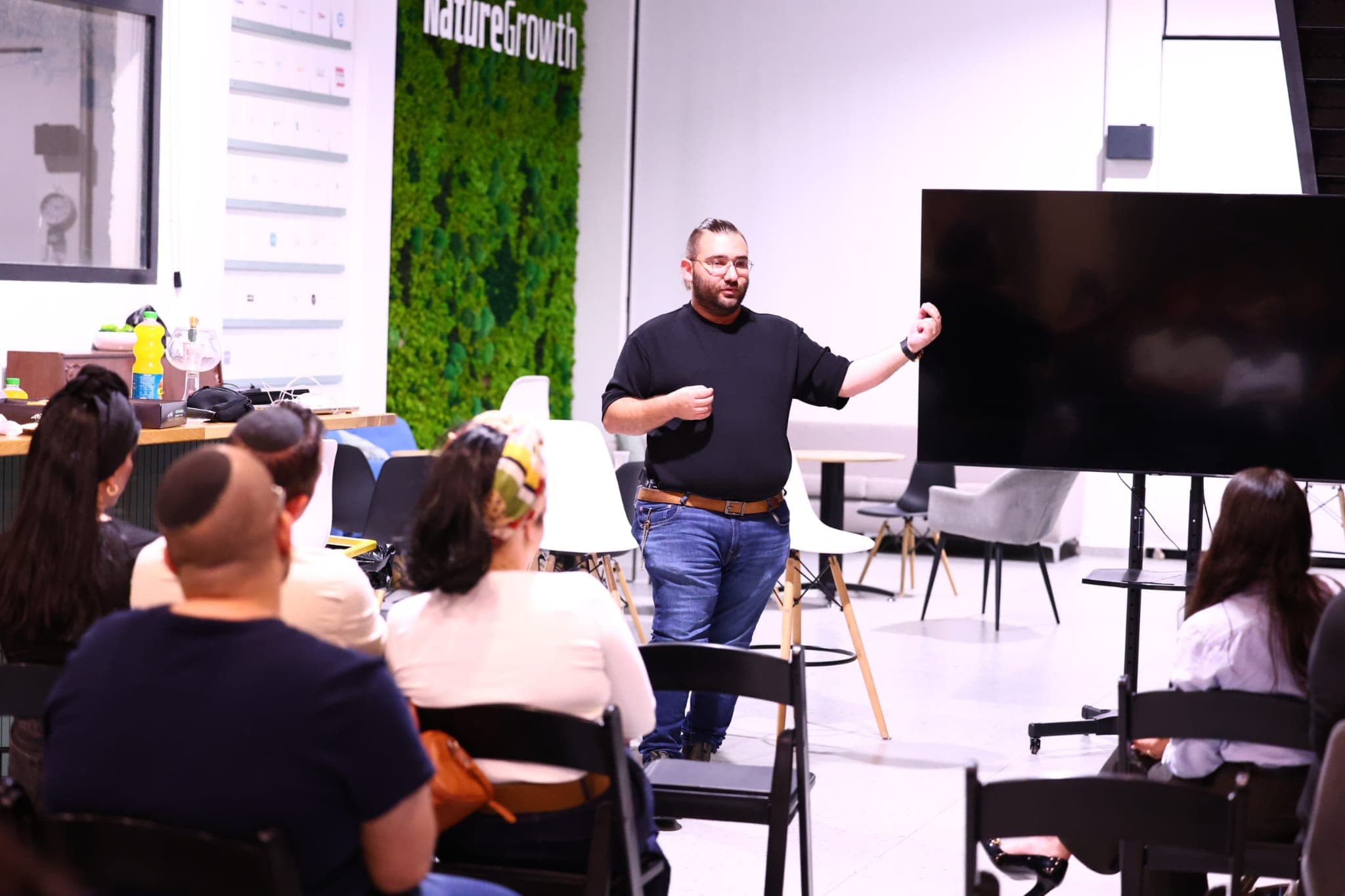
Entrepreneurs session, Sderot
I have worked with
- Google for Startups
- House of Business, Sderot Municipality
- Microsoft Reactor
- GameReady
- Eclipse Capital
- SderoTech
- IUCEL
- Resilience & Health Innovation Hub
- International Resilience Institute of Sderot


















- Google for Startups
- House of Business, Sderot Municipality
- Microsoft Reactor
- GameReady
- Eclipse Capital
- SderoTech
- IUCEL
- Resilience & Health Innovation Hub
- International Resilience Institute of Sderot
What Clients Say
From different fields, at different stages of business
Dan Manto
Eclipse Capital
Real Estate Investment and Finance, USA
Arty McLabin
GameReady
Game Development Education and Outsourcing, International

Anna
Beautician
After I finished a cosmetology course at a leading company, I was confused. I didn't know how to open a business, what to sell from home, or how to bring in clients. Since I reached out to Mobius, everything has changed. We built an organized plan with clear steps and no unnecessary risks. Today I see results, and I'm growing and developing every month.

Mark
Massage therapist, Gan Yavne
When I finished a massage course, I imagined a different world. I found out it's a hard field, and financial stability isn't easy to find. When I came to Mobius, something changed. We started an organized process and built a business plan. Without Mobius? I probably would have given up. Today I believe in myself and in my own path.
And the paperwork, for anyone who wants to see that too.

Certificate of appreciation, Sderot municipality

Certificate of honor, Teenovation 2026

Directors and officeholders course, SRI Campus
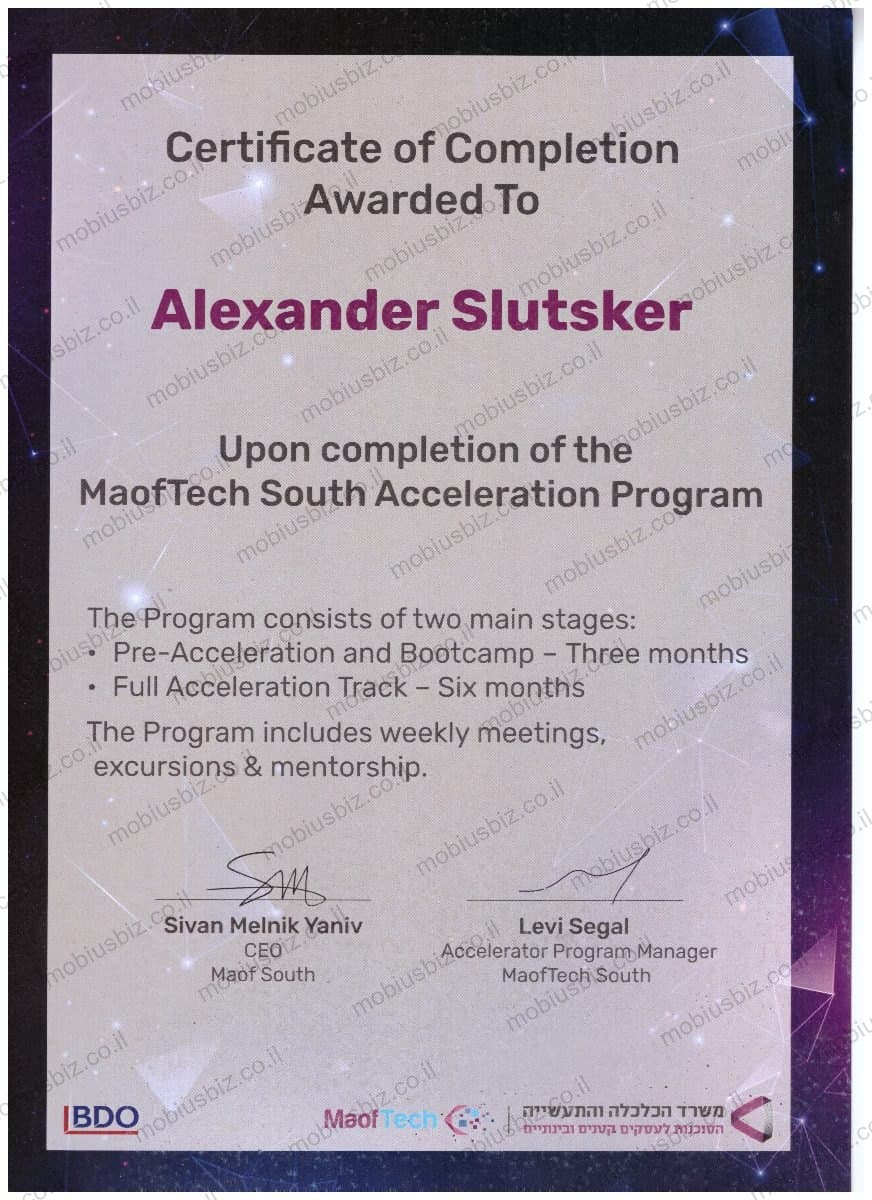
Acceleration program, MaofTech South

Business consultants course
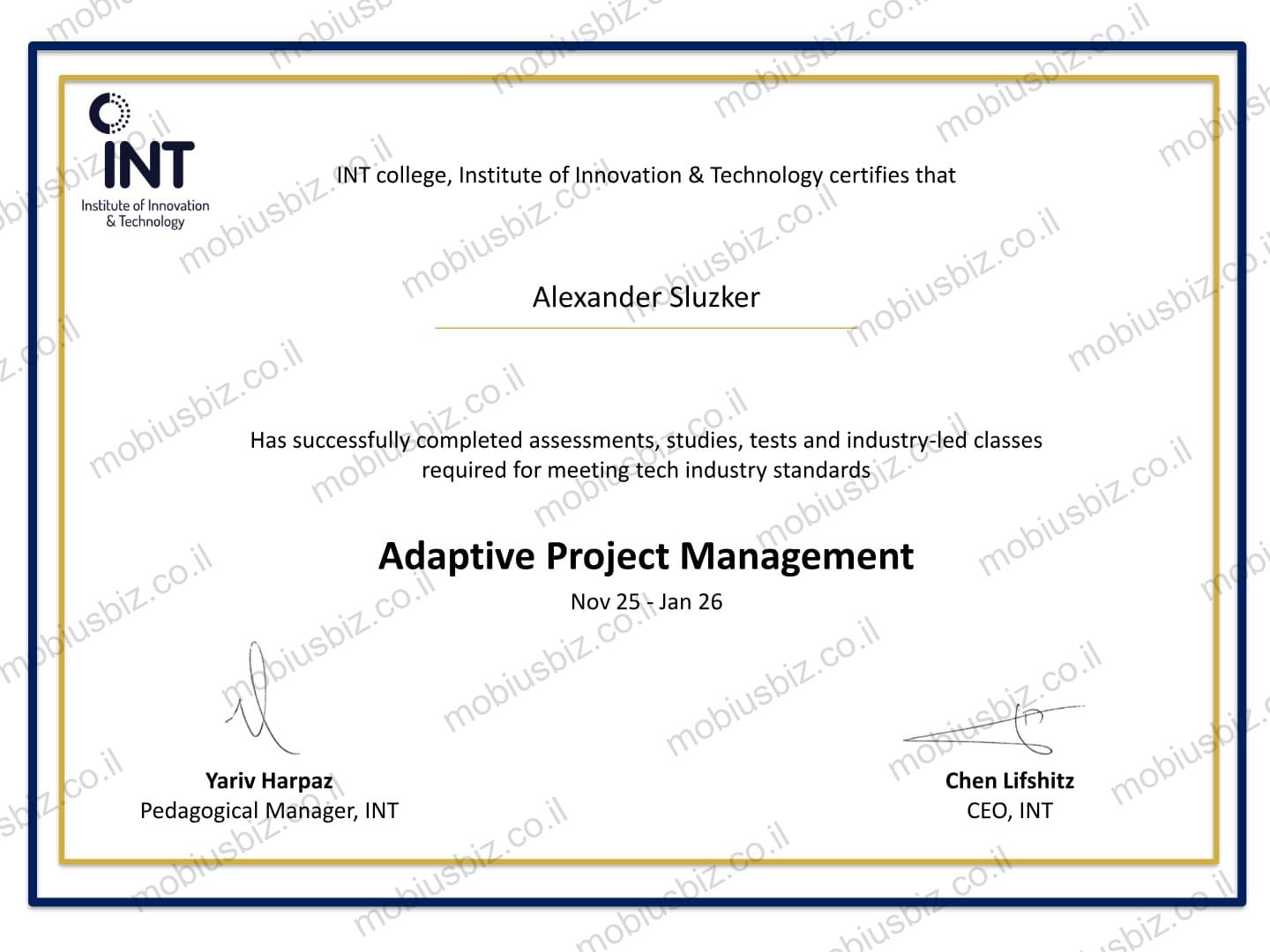
Adaptive project management, INT college

Business, Marketing, Operations & Financial Consultant
Mobius
Alexander Slutsker
9+Years of experience in business consulting
I help entrepreneurs, self-employed people, small businesses and startups understand their own numbers, choose what to do first and grow from there.
Book a Free Call+972 055-248-6151. Better on WhatsApp: I am in meetings most of the day and answer as soon as I am free. Other ways to reach me
We can talk in English, Hebrew or Russian.