Why Business Plans Fail and What a Real One Includes
Why business plans fail in practice, from optimistic numbers and weak market research to missing buffers, unclear ownership, and no review rhythm.
Business plans fail when they are written to prove a dream rather than test a business. They can look organized, polished, and confident, but still miss the details that decide survival.
I see the same pattern again and again: plans built like laboratory experiments. They assume clean conditions, fast sales, low marketing costs, easy operations, and stable surroundings. Real business is not like that. There are supplier quotes, rent, renovation, labor, permits, fire safety, inflation, customer awareness, payment delays, and unexpected instability.
Failure pattern 1: the numbers are hopeful
Optimistic numbers are the quiet killer of business plans.
The plan may show strong revenue and profit, but the assumptions underneath are too gentle. Marketing is estimated as a small share of each sale, even though a new business must spend more to create awareness. CAC (cost to win a customer) includes ad spend but not marketing salaries, sales salaries, follow-up, creative work, or the owner's time. LTV (customer value over time) is treated as one clean average, even though different groups of customers can behave very differently.
The break-even point (where income covers all costs) is often calculated wrong, because the owner leaves out their own salary and working hours. That makes the business look healthier than it is.
Failure pattern 2: the plan ignores cash timing
Profit does not save a business if cash arrives too late.
Many businesses have a gap between closing the deal and receiving money. During that gap, rent, salaries, suppliers, taxes, loans, and household needs keep moving. If the plan does not show that timing, a profitable business can still go bankrupt.
This is why cash flow versus profit is one of the most important planning topics. A plan that only shows profit is incomplete. It must show when money enters and leaves.
Failure pattern 3: the market research is too thin
A plan fails when the owner researches the idea, but not the real operating environment.
For a local business, market research must include the real location, customer behavior, foot traffic, competitors, purchasing power, religious and cultural patterns, regulation, registration, safety requirements, supplier availability, and local instability. A startup may need to plan for markets abroad from the start, because Israel alone may be too small.
The U.S. Small Business Administration (SBA) puts market analysis at the center of its business plan guide for a reason. Without it, everything else rests on hope.
Failure pattern 4: the plan has no buffers
A real plan is not built for the perfect month. It is built for the month that goes wrong.
In Israel, even a good year can include disruptions that close businesses for days or slow demand. Wars, security events, pandemics, supplier delays, labor gaps, inflation, and customer uncertainty all affect small businesses. A plan that assumes every month is normal is not realistic.
Buffers are not pessimism. They are survival design. Include extra cash, longer timelines, higher marketing cost, delayed payments, and a reserve for the first year.
Failure pattern 5: nobody owns the next steps
Some plans fail after writing because no one owns the work.
A real plan says who does what, by when, and which number proves progress. If the plan says "increase marketing" but does not name the channel, the owner, the budget, and the review date, it is not a plan. It is a wish.
For the operating rhythm behind this, see building a strategic business plan.
What a real plan includes
A real plan includes:
- A specific customer and problem
- Real cost assumptions
- Market evidence
- Supplier and setup quotes where needed
- Cash flow, not only profit
- CAC, LTV, margin, break-even, and funding need
- Owner salary and work effort
- Risks and buffers
- Owners, dates, and review rhythm
It also includes the courage to delay when the numbers are not ready. In many investment-heavy businesses, delaying to improve the plan is better than starting underfunded and trying to solve expensive problems under pressure.
That does not mean every person should wait. A self-employed freelancer can sometimes start small, learn from the market, and build the plan while operating. The risk level decides the planning depth.
The real reason to write the plan
The reason to write a business plan is not to produce pages. It is to make better decisions before the market makes them for you.
If the plan reveals that a bakery needs far more money than the owner can raise, and the location, repair cost, labor, food cost, foot traffic, and regulations do not support the model, that is not a failed plan. That is a plan doing its job.
If you want a plan that avoids these five patterns, with a financial model at its heart, here is how I build business plans with owners. You can read what people who have worked with me say in the recommendations further down this page.
If you first want the foundations, read what a business plan is and what it includes. If your plan needs a reality check, start with how to build a business plan, read what happens in a strategy session, or talk it through with me.
The content on this blog is general information only and is not a recommendation to act. It is not business, legal, tax, or financial advice. Before making any decision, consult a qualified professional, such as an accountant, a lawyer, or a business advisor, about your specific situation.
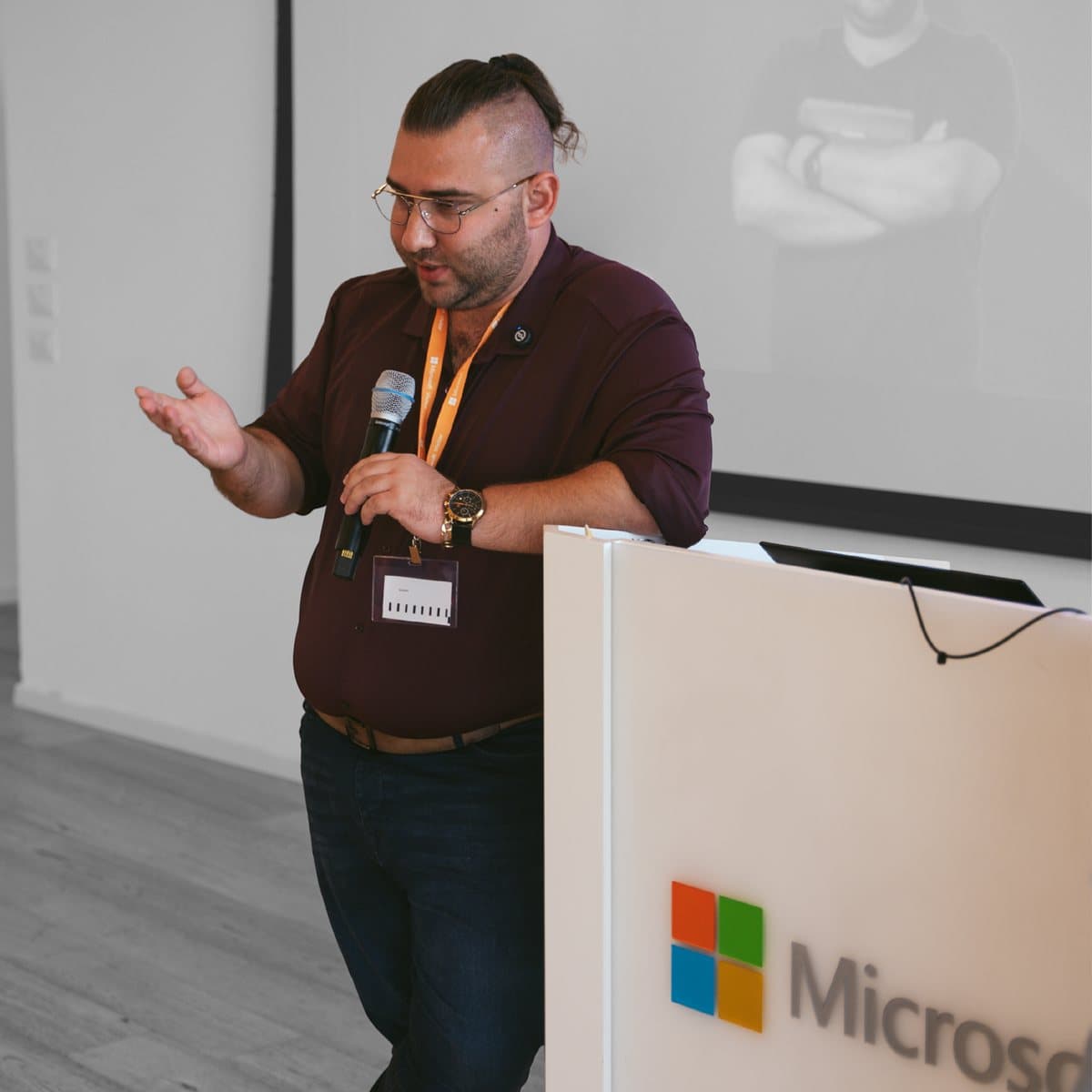
Speaking at Microsoft

Meeting with international teams, as part of work with a startup
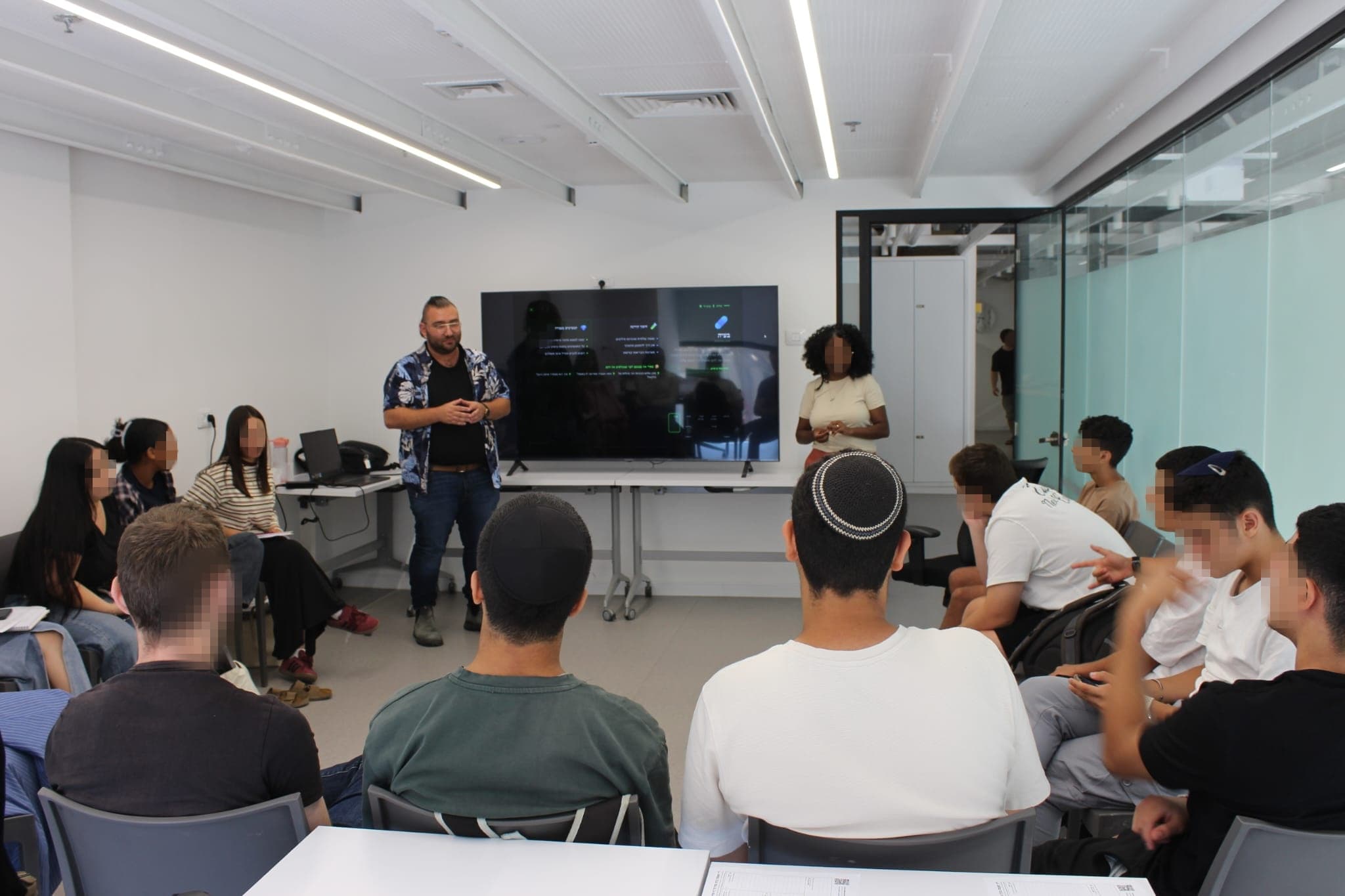
Teenovation, Meital centre Sderot
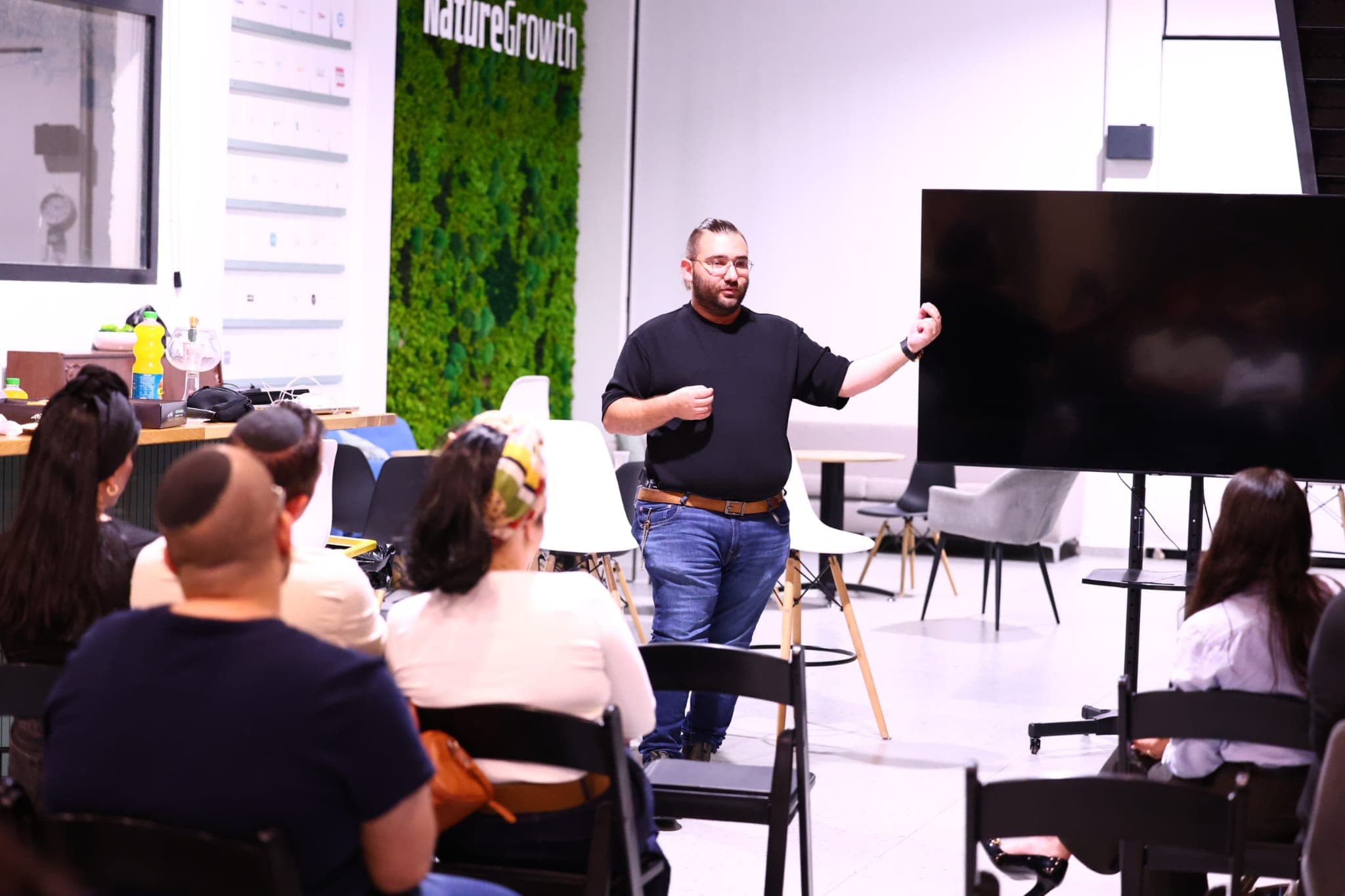
Entrepreneurs session, Sderot
I have worked with
- Google for Startups
- House of Business, Sderot Municipality
- Microsoft Reactor
- GameReady
- Eclipse Capital
- SderoTech
- IUCEL
- Resilience & Health Innovation Hub
- International Resilience Institute of Sderot


















- Google for Startups
- House of Business, Sderot Municipality
- Microsoft Reactor
- GameReady
- Eclipse Capital
- SderoTech
- IUCEL
- Resilience & Health Innovation Hub
- International Resilience Institute of Sderot
What Clients Say
From different fields, at different stages of business
Dan Manto
Eclipse Capital
Real Estate Investment and Finance, USA
Arty McLabin
GameReady
Game Development Education and Outsourcing, International

Anna
Beautician
After I finished a cosmetology course at a leading company, I was confused. I didn't know how to open a business, what to sell from home, or how to bring in clients. Since I reached out to Mobius, everything has changed. We built an organized plan with clear steps and no unnecessary risks. Today I see results, and I'm growing and developing every month.

Mark
Massage therapist, Gan Yavne
When I finished a massage course, I imagined a different world. I found out it's a hard field, and financial stability isn't easy to find. When I came to Mobius, something changed. We started an organized process and built a business plan. Without Mobius? I probably would have given up. Today I believe in myself and in my own path.
And the paperwork, for anyone who wants to see that too.

Certificate of appreciation, Sderot municipality

Certificate of honor, Teenovation 2026

Directors and officeholders course, SRI Campus

Acceleration program, MaofTech South

Business consultants course

Adaptive project management, INT college

Business, Marketing, Operations & Financial Consultant
Mobius
Alexander Slutsker
9+Years of experience in business consulting
I help entrepreneurs, self-employed people, small businesses and startups understand their own numbers, choose what to do first and grow from there.
Book a Free Call+972 055-248-6151. Better on WhatsApp: I am in meetings most of the day and answer as soon as I am free. Other ways to reach me
We can talk in English, Hebrew or Russian.