Startups
Raising money, testing the idea, who owns what, and building a young company.
A startup is not just a new small business. It is a temporary organization searching for a business model you can repeat and scale far beyond the founders. That search, not the size or the industry, is what makes it a startup. The terms below are the working vocabulary of that search.
Read: what a startup actually isScaling
Scaling is growth in which revenue rises faster than costs, so each extra customer adds more profit. In plain growth, costs rise at the same pace as revenue.
MVP
An MVP (minimum viable product) is the smallest version of a product real customers can use, built to learn whether they want it before you build all of it.
Equity
Equity is ownership of a company, measured in shares and percent. On a balance sheet the same word means book equity: what the business owns minus what it owes.
Dilution
Dilution is the fall in existing shareholders' percentage of a company when it issues new shares. The percentage drops, while the stake's value can rise.
Cap table
A cap table (capitalization table) shows who owns how many shares and options in a company, and what percentage each holds on a fully diluted basis.
Option pool
An option pool is a block of shares reserved for future employees' options. If it is created before the investor's money, existing shareholders pay for it.
Vesting
Vesting is a schedule under which shares or options granted to you become yours to keep or exercise step by step, as long as you keep working for the company.
Pivot
A pivot is a planned change of direction: a business changes one part of its model, such as the customer or the product, when evidence shows the plan fails.
Traction
Traction is evidence in numbers that real customers keep paying for or using a product, not just likes, followers or visits to a website.
TAM
TAM (total addressable market) is the revenue you would earn if every customer in the market you defined bought from you. It is a ceiling, not a sales forecast.
SAM
SAM (serviceable addressable market) is the part of TAM your business can actually reach, given its location, hours, language, licences and business model.
SOM
SOM (serviceable obtainable market) is the part of the market you can actually win with today's team, budget and hours. In a small business, capacity sets it.
Business Model
A business model explains how a business makes money: who pays, for what, and why delivering it costs less than the price the customer pays.
Business Model Canvas
The Business Model Canvas is a one-page template of nine blocks that shows how a business creates value, delivers it and earns from it.
Problem-Solution Fit
Problem-solution fit is the point where you have evidence that customers feel a problem and want your way of solving it, before you build the product.
Product-Market Fit
Product-market fit is when a product satisfies a real market so well that customers stay, come back and bring others without being pushed.
Moat
A moat is a lasting advantage that stops competitors from copying a business and taking its customers, such as switching costs, a network effect or lower costs.
Pitch Deck
A pitch deck is a short presentation for investors, usually about ten slides, with one goal: to earn a second meeting.
Term Sheet
A term sheet is a short, mostly non-binding document with the key terms of an investment, such as amount, valuation, control and liquidation preference.
SAFE
A SAFE (simple agreement for future equity) is a contract where an investor pays now and gets shares in the next priced round, with no valuation set today.
Pre-money Valuation
Pre-money valuation is the agreed value of a company just before new investment comes in. It sets the price per share and how many shares the investor receives.
Post-money Valuation
Post-money valuation is a company's value right after a funding round: the pre-money value plus the new investment. It sets each investor's percentage.
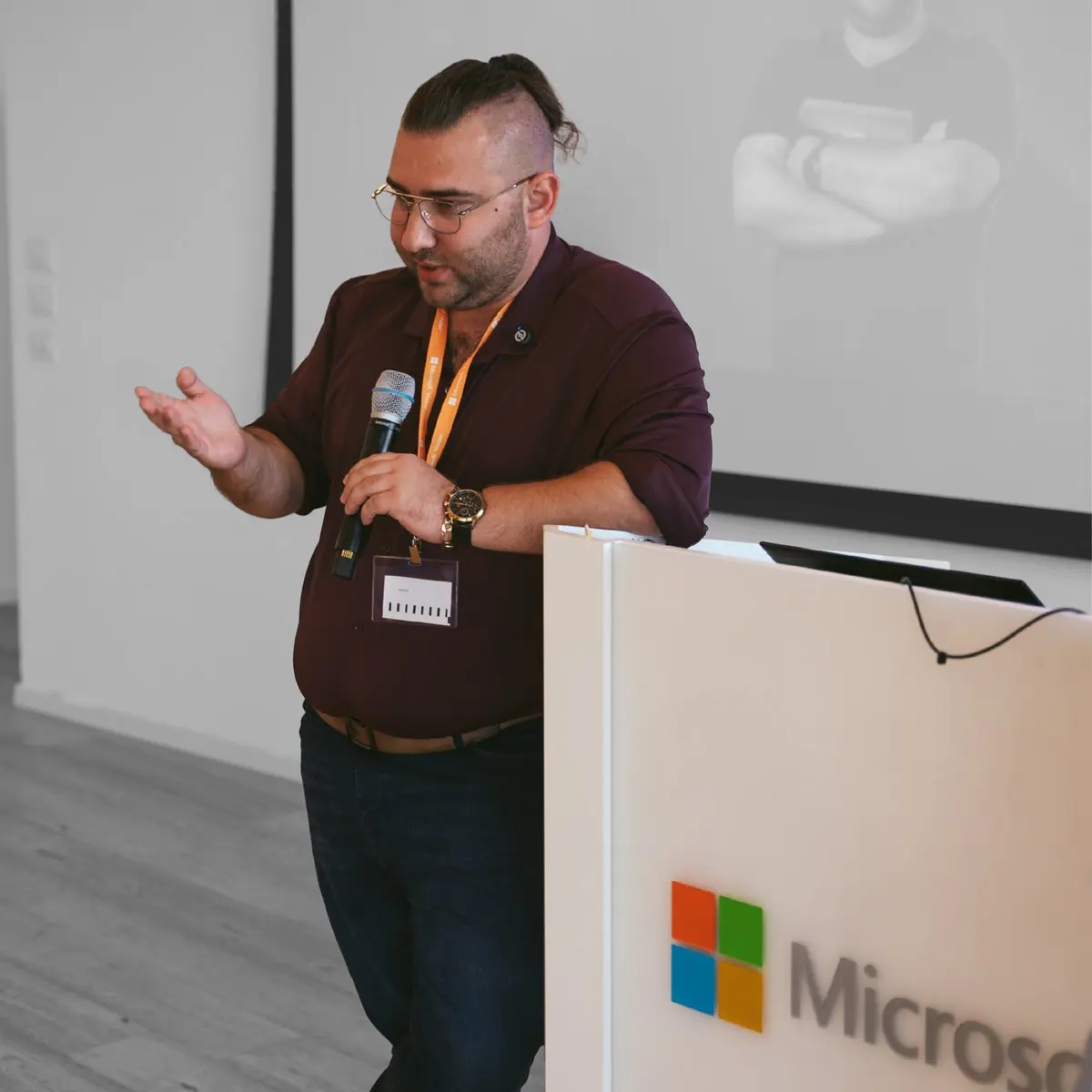
Speaking at Microsoft
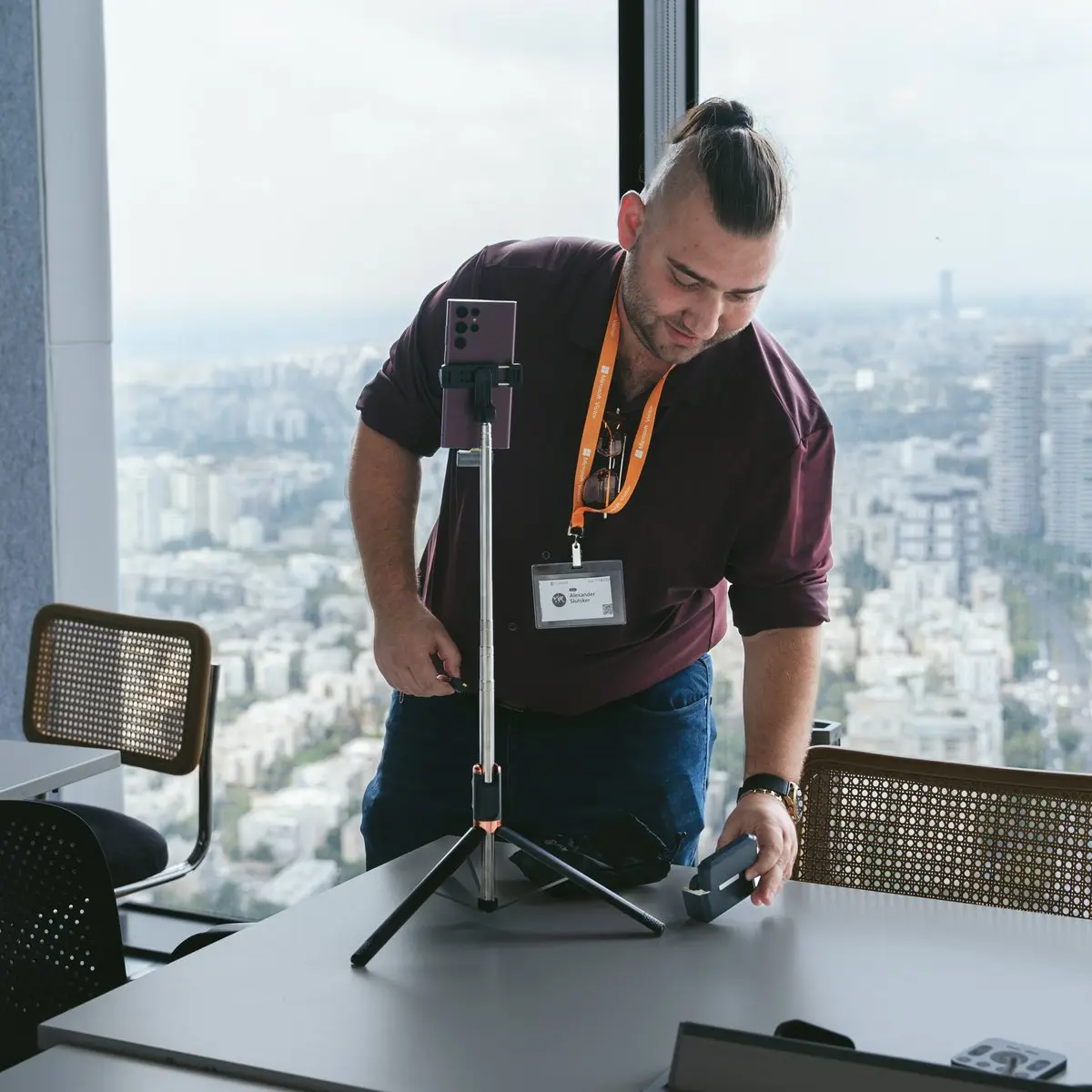
Meeting with international teams, as part of work with a startup
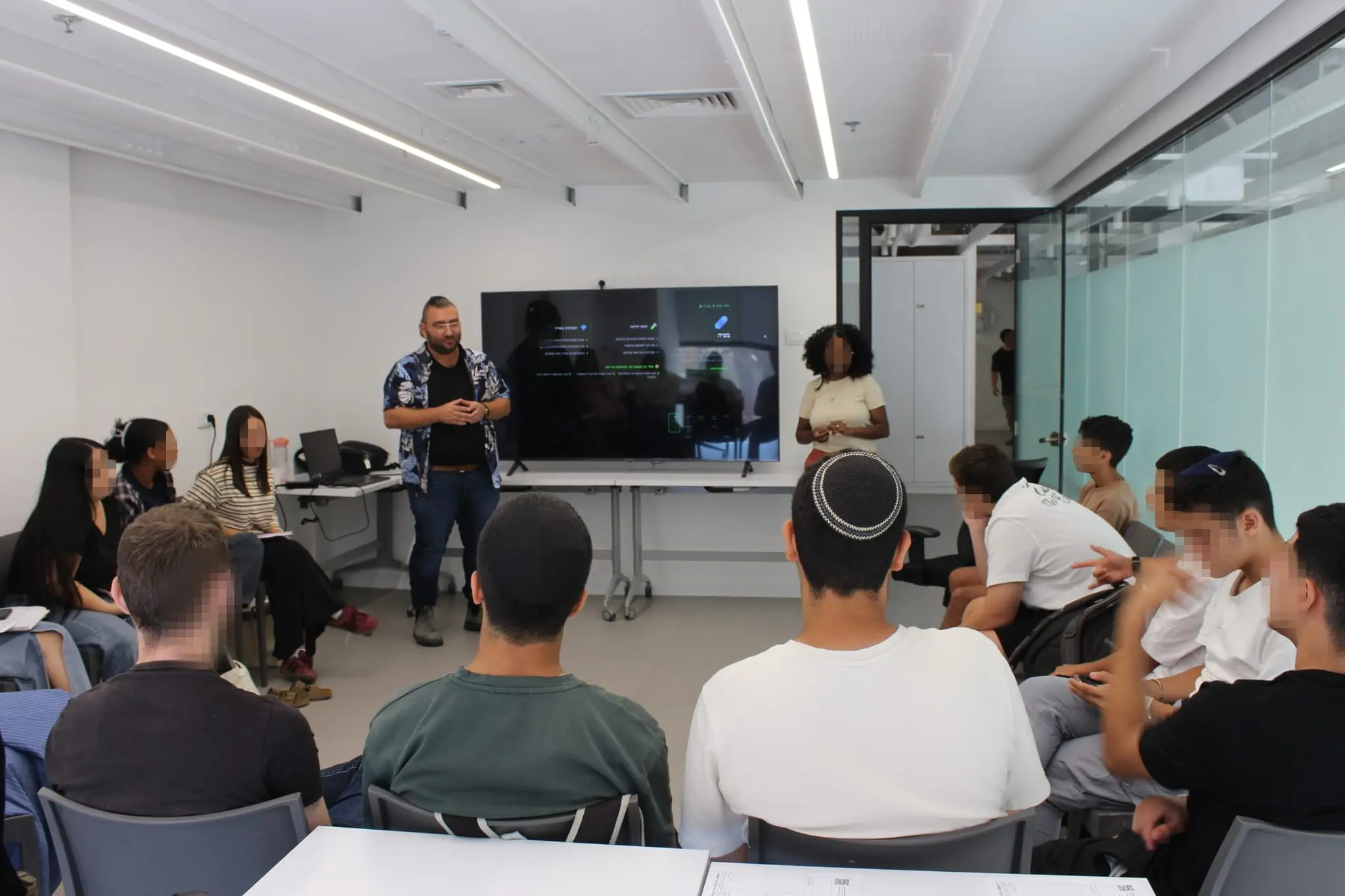
Teenovation, Meital centre Sderot
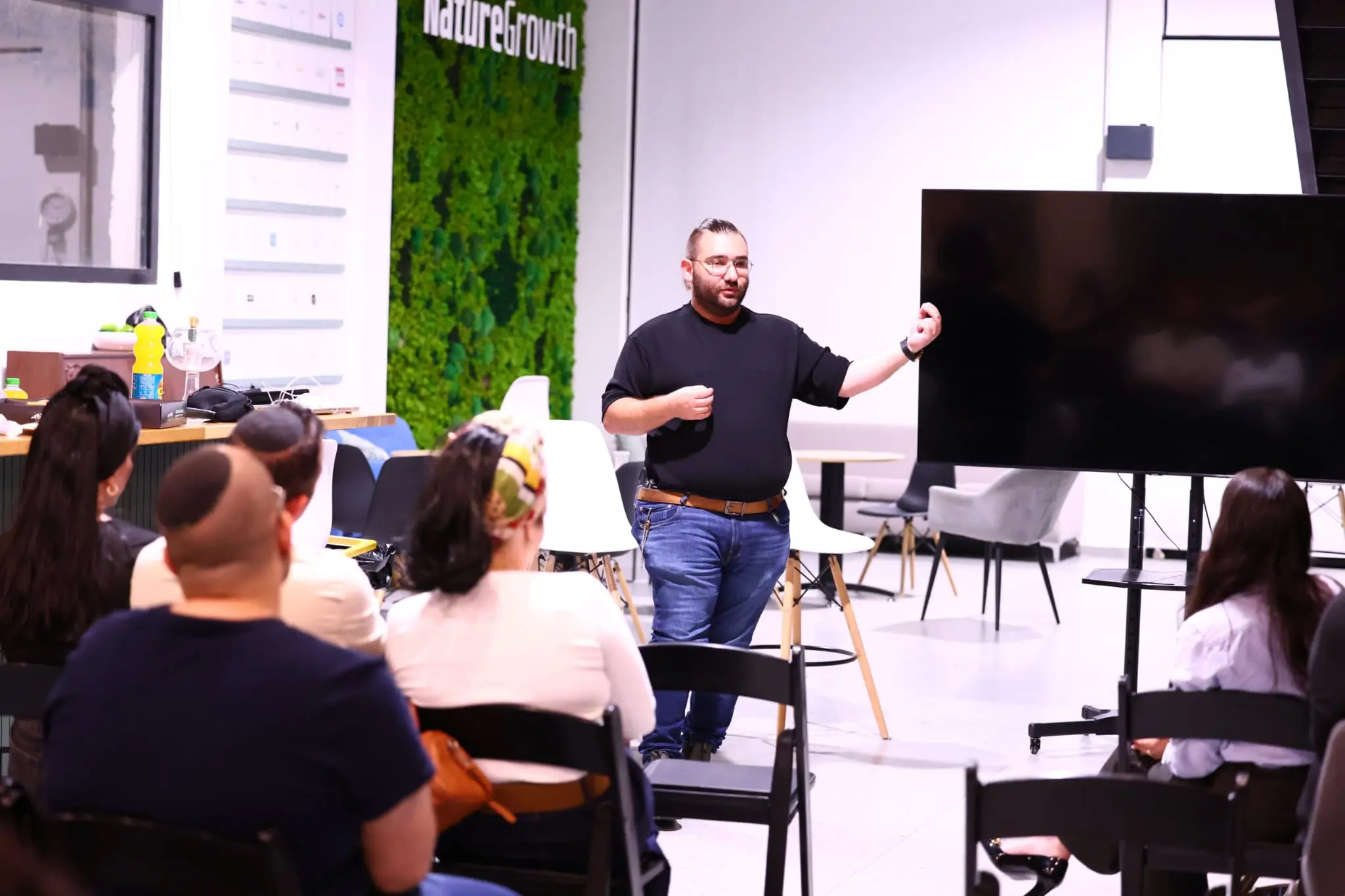
Entrepreneurs session, Sderot
I have worked with
- Google for Startups
- House of Business, Sderot Municipality
- Microsoft Reactor
- GameReady
- Eclipse Capital
- SderoTech
- IUCEL
- Resilience & Health Innovation Hub
- International Resilience Institute of Sderot










- Google for Startups
- House of Business, Sderot Municipality
- Microsoft Reactor
- GameReady
- Eclipse Capital
- SderoTech
- IUCEL
- Resilience & Health Innovation Hub
- International Resilience Institute of Sderot
What Clients Say
From different fields, at different stages of business
Dan Manto
Eclipse Capital
Real Estate Investment and Finance, USA
Arty McLabin
GameReady
Game Development Education and Outsourcing, International

Anna
Beautician
After I finished a cosmetology course at a leading company, I was confused. I didn't know how to open a business, what to sell from home, or how to bring in clients. Since I reached out to Mobius, everything has changed. We built an organized plan with clear steps and no unnecessary risks. Today I see results, and I'm growing and developing every month.

Mark
Massage therapist, Gan Yavne
When I finished a massage course, I imagined a different world. I found out it's a hard field, and financial stability isn't easy to find. When I came to Mobius, something changed. We started an organized process and built a business plan. Without Mobius? I probably would have given up. Today I believe in myself and in my own path.
Building a startup and facing this decision?
Alex advises Israeli founders on fundraising, equity and growth. The first call is free.
+972 055-248-6151. Better on WhatsApp: I am in meetings most of the day and answer as soon as I am free. Other ways to reach me