Finance
The numbers, reports and money decisions that show whether the business is healthy.
Business finance is understanding your numbers well enough to make decisions with them, from pricing and margin to cash and funding. It is not bookkeeping, which records the past, and the first thing it teaches is that profit is not cash. The terms below are the working vocabulary of that work.
Read: what business finance actually isRunway
Runway is the number of months a business can keep going on the cash it has today, at its current pace of spending and income: cash divided by monthly net burn.
Burn rate
Burn rate is how much cash a business loses each month. Net burn subtracts what came in, gross burn counts only what went out. Cash ÷ net burn gives runway.
LTV
LTV (customer lifetime value) is the gross profit one customer brings over the whole relationship. You compare it with the cost of winning that customer (CAC).
Gross margin
Gross margin is the share of revenue left after the cost of goods sold: (revenue - COGS) ÷ revenue × 100. At 60%, 60 agorot of each shekel remain.
P&L
A P&L (profit and loss statement, or PnL) sums up a business's revenue and expenses for a period and shows if it made or lost money. Profit on it is not cash.
Cash flow
Cash flow is the money coming into and going out of a business's account in a period. A profitable business can still run short of cash when customers pay late.
Overhead
Overhead is the indirect cost of running a business, like rent, bookkeeping, insurance and admin salaries, that cannot be traced to one product or customer.
ROI
ROI (return on investment) is a percentage showing what an investment earned net of its cost: the gain from it minus its cost, divided by the cost, times 100.
Break-even point
The break-even point is the sales level where revenue covers all costs, no profit and no loss: fixed costs ÷ what each sale leaves after variable costs.
Revenue
Revenue is everything a business sold in a period, before any costs and without the VAT on the invoice. It is the P&L's top line, not profit and not cash.
COGS
COGS (cost of goods sold) is the cost of the goods or services sold in a period: goods, materials and direct labour. Revenue minus COGS is gross profit.
Gross Profit
Gross profit is revenue minus the cost of goods sold (COGS): what is left from sales after goods, materials and direct labour. Rent and salaries come from it.
Net Profit
Net profit is what a business keeps from revenue after every expense, cost of sales, running costs, interest and tax. It is the bottom line, not cash.
LTV:CAC
LTV:CAC is the ratio of the gross profit a customer brings over the relationship (LTV) to what it cost to win them (CAC). 3:1 is a common SaaS rule of thumb.
MRR
MRR (monthly recurring revenue) is what active subscriptions and retainers are worth per month, without one off fees. 40 members at ₪350 is ₪14,000 MRR.
ARR
ARR (annual recurring revenue) is the yearly value of the recurring subscriptions and contracts active today, usually MRR × 12. A snapshot, not a forecast.
Churn
Churn is the share of customers, or of recurring revenue, lost in a period: those who left in a month divided by those at its start. 5% a month is 46% a year.
NRR
NRR (net revenue retention) is the share of last year's recurring revenue the same customers pay now, upgrades and cancellations included. Over 100% is growth.
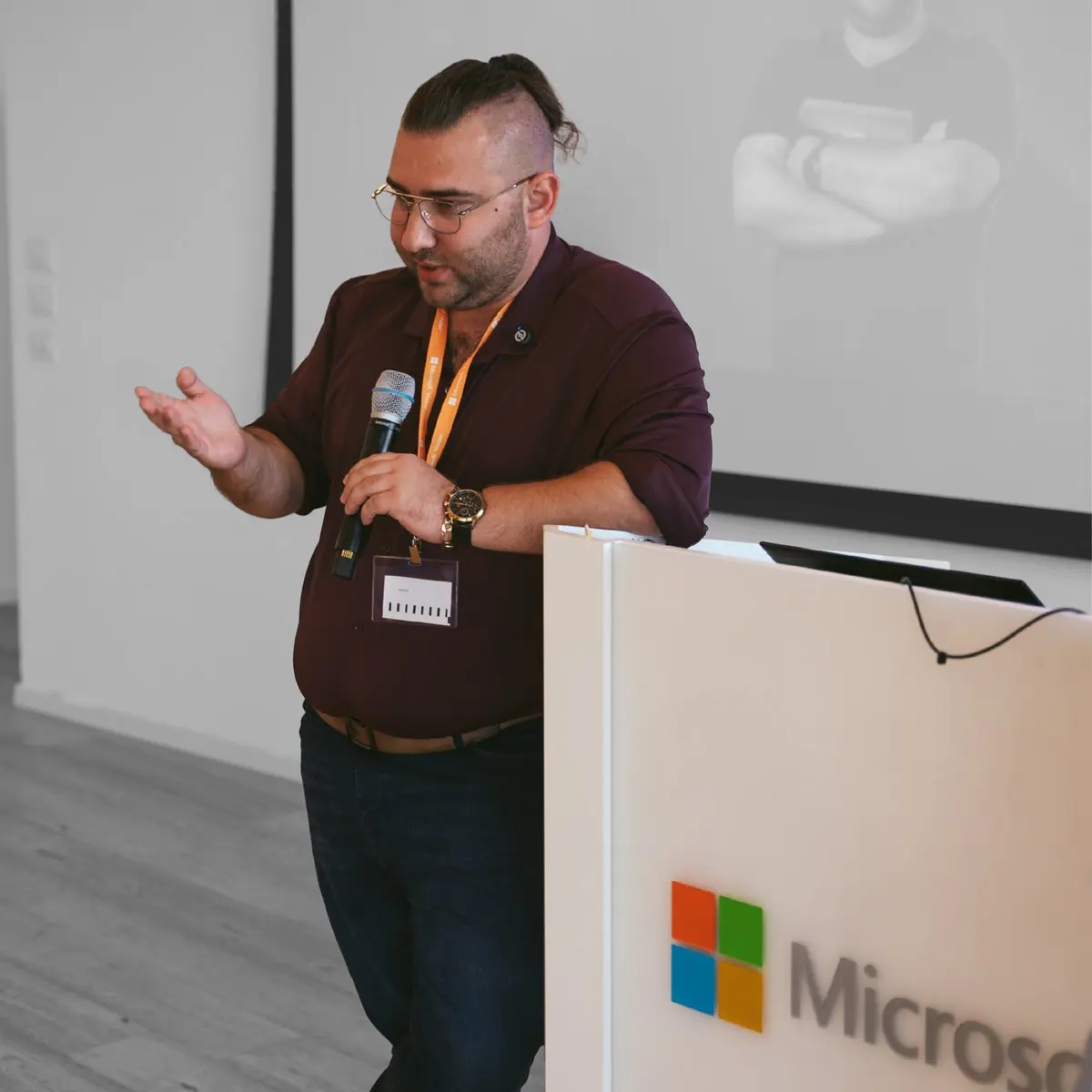
Speaking at Microsoft

Meeting with international teams, as part of work with a startup
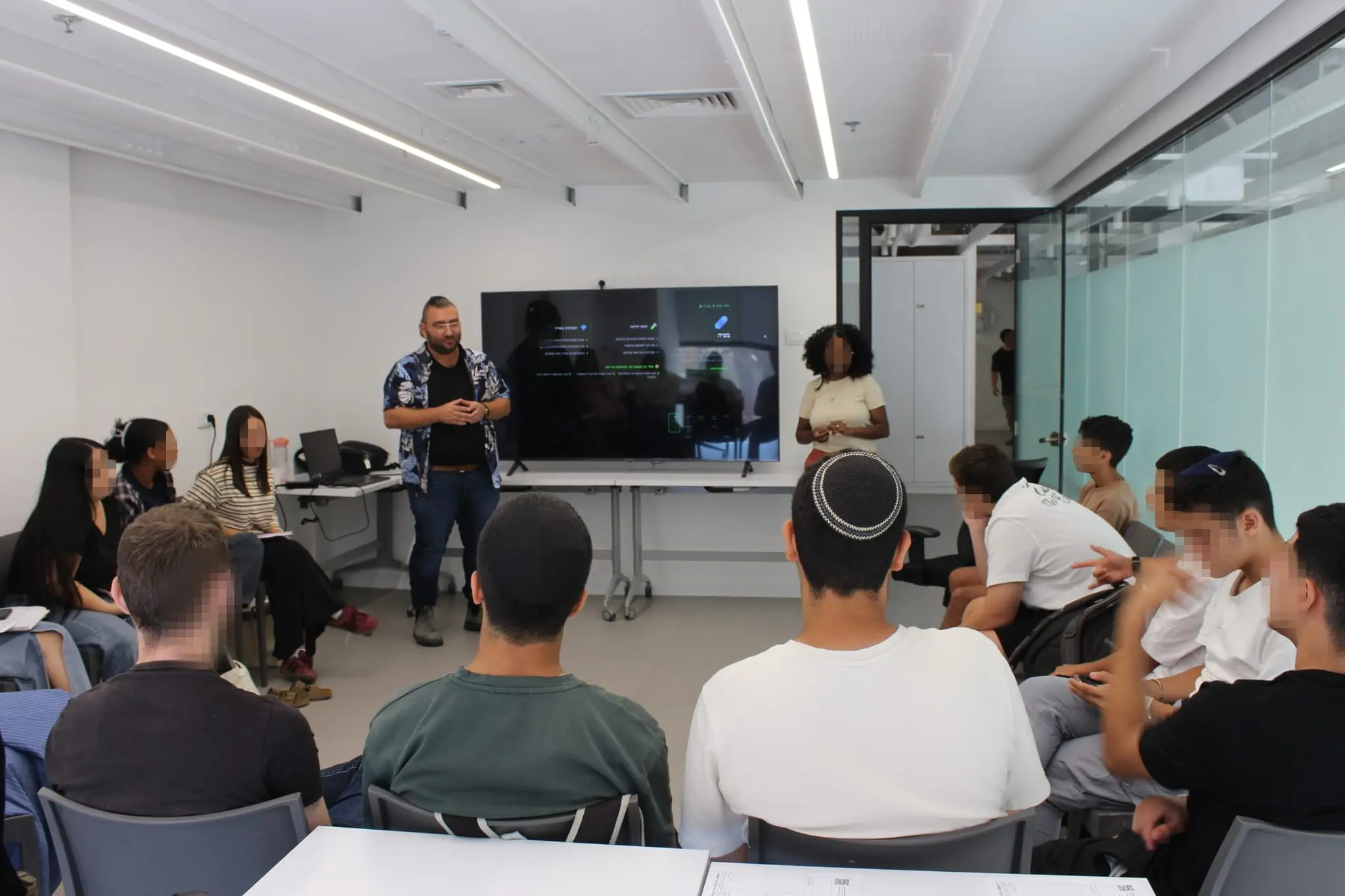
Teenovation, Meital centre Sderot

Entrepreneurs session, Sderot
I have worked with
- Google for Startups
- House of Business, Sderot Municipality
- Microsoft Reactor
- GameReady
- Eclipse Capital
- SderoTech
- IUCEL
- Resilience & Health Innovation Hub
- International Resilience Institute of Sderot


















- Google for Startups
- House of Business, Sderot Municipality
- Microsoft Reactor
- GameReady
- Eclipse Capital
- SderoTech
- IUCEL
- Resilience & Health Innovation Hub
- International Resilience Institute of Sderot
What Clients Say
From different fields, at different stages of business
Dan Manto
Eclipse Capital
Real Estate Investment and Finance, USA
Arty McLabin
GameReady
Game Development Education and Outsourcing, International

Anna
Beautician
After I finished a cosmetology course at a leading company, I was confused. I didn't know how to open a business, what to sell from home, or how to bring in clients. Since I reached out to Mobius, everything has changed. We built an organized plan with clear steps and no unnecessary risks. Today I see results, and I'm growing and developing every month.

Mark
Massage therapist, Gan Yavne
When I finished a massage course, I imagined a different world. I found out it's a hard field, and financial stability isn't easy to find. When I came to Mobius, something changed. We started an organized process and built a business plan. Without Mobius? I probably would have given up. Today I believe in myself and in my own path.
Struggling with the numbers side of your business?
Alex helps Israeli owners get cash flow, pricing and profit under control. The first call is free.
+972 055-248-6151. Better on WhatsApp: I am in meetings most of the day and answer as soon as I am free. Other ways to reach me