A lecture for organisations · 90 minutes · On site / Online
Minimum Viable Risk: Taking Your First Steps
People put their severance into a product before anyone has been asked whether they would pay for it. The riskiest part of starting is rarely the idea, it is how much gets spent proving it. This lecture works on the opposite instinct, the smallest step that still produces a real answer, a ceiling on what you are willing to lose before you begin, and a stop rule that tells you when an idea is finished. Alex Slutsker, a business consultant, also covers what can be tested while a salary is still coming in.
The content is matched in advance to your audience and goals on a short fitting call.
- Duration
- 90 minutes
- Format
- On site · Online
- Built for
- Aspiring entrepreneurs, Young founders
What your audience takes away
- ▸Set a personal ceiling on what you are willing to lose.
- ▸Design a first test that costs almost nothing and still answers something.
- ▸Write a stop rule that tells you when to walk away.
- ▸Sequence what can be tested while you are still employed.
- ▸Explain the downside cap to a partner who wants reassurance.
Who this lecture is for
Written for the rooms where first steps actually get taken, Small and Medium Business Agency branches and municipal business centres running beginner sessions, city young adult centres and entrepreneurship hubs, academic entrepreneurship centres with student and alumni cohorts, and accelerators serving first-time business owners. Human resources and outplacement leads book it when employees are weighing a side business or a transition after layoffs, as do reservist, veteran and new immigrant employment programmes.
Who delivers the lecture
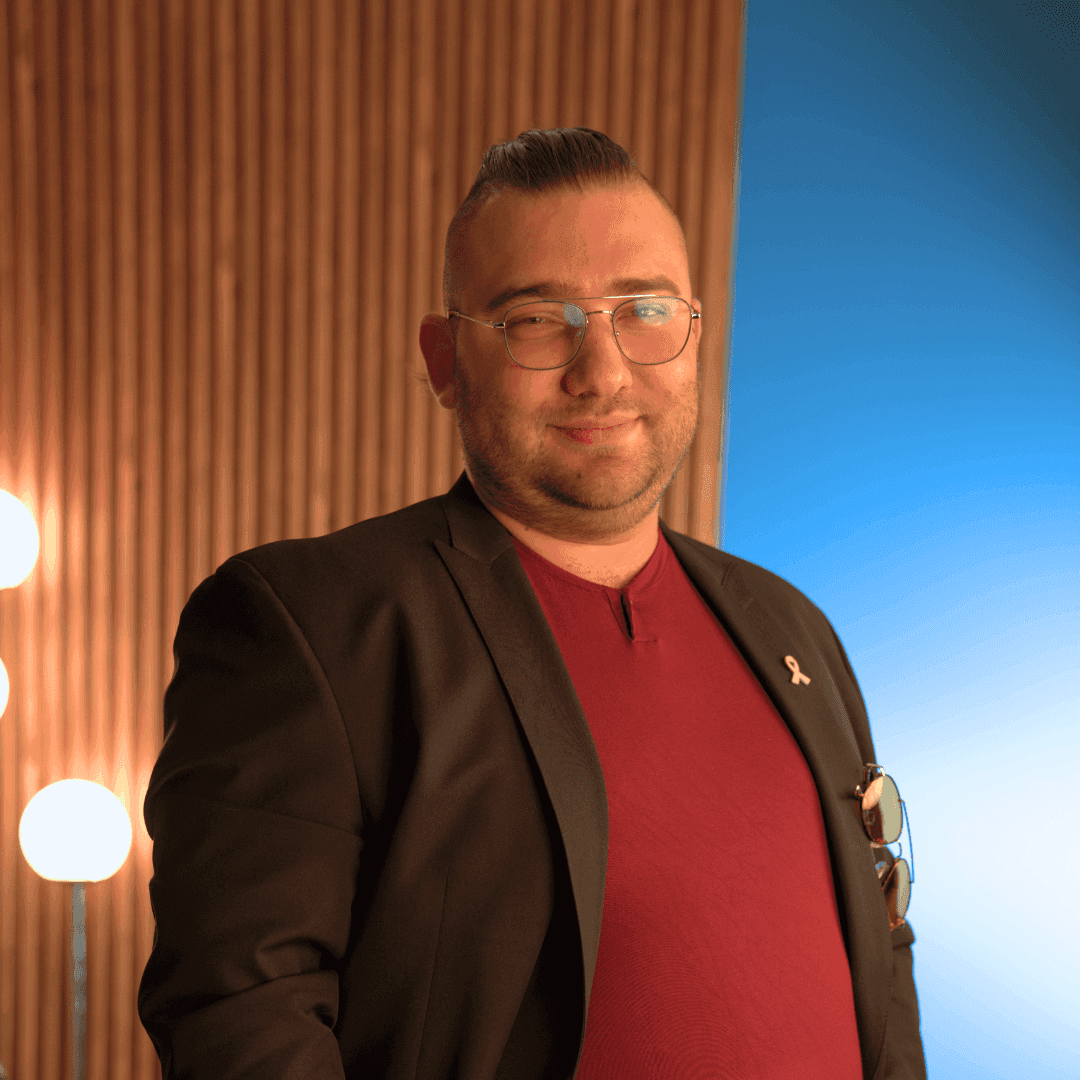
Alexander Slutsker
Business consultant, entrepreneur and founder of Mobius Business Solutions
- ✓14 years of entrepreneurship and consulting, dozens of businesses and managers accompanied in Israel
- ✓MBA in Hi-Tech and Entrepreneurship
- ✓BBA in Marketing and Finance
What organisers say
Alexander's lecture is simply a must for every pre-army programme or youth centre. Our young people received an amazing, practical toolbox for adult life. The content is delivered in a fascinating way, at eye level.
How booking works
- 1
Get in touch
Send a WhatsApp message or use the form, with the date, the audience and the setting.
- 2
A short fitting call
On the call the content and examples are matched to your audience and goals.
- 3
The lecture is delivered
On site or online, 90 minutes, questions from the room included.
Worked with
- Google for Startups
- הבית לעסקים של עיריית שדרות
- Microsoft Reactor
- GameReady
- SderoTech
- IUCEL
- Resilience & Health Innovation Hub
- International Resilience Institute of Sderot














Want this lecture at your organisation?
Send a message with the date and the audience, and a short fitting call matches the content to your organisation.
More lectures in this area
Frequently asked questions
How small can a first test actually be?
Small enough that failing it changes nothing about your life. The session works on what a first test has to produce to be worth running at all, and on why most beginners overbuild long before they have anything worth building.
Do you cover the bureaucratic side, registration and business status?
Only enough to put it in order. Paperwork feels like progress and is one of the most common ways people spend a first month without learning anything about demand. The session deals with what has to be true before registration becomes the right next move, and points people to a professional for the specifics.
Our room mixes people with an idea and people with none. Does it still work?
Yes. People without an idea get the harder skill, which is how to evaluate one when it arrives, and they tend to ask the sharpest questions of those who already have something. Nobody needs a venture in hand to use the material.
Do you teach how to decide an idea is dead?
Yes, and it is the part most first-time founders never get. Deciding in advance what result would make you stop is what keeps a stalled idea from quietly consuming years, and it is far easier to write down before you are emotionally invested.
Many of our participants have already taken a government small business course. Is this a repeat?
Those courses teach how to open and run a business. This lecture is about the stage before that, whether to open one at all, and how little you can spend finding out. The two sit in sequence rather than compete.
Part of the audience is experienced and part is new. Will it work?
Yes. The depth is set in advance on the fitting call, examples are matched to the sector, and the base assumes no prior knowledge. Audience questions give the experienced their room too.