A lecture for organisations · 90 minutes · On site / Online
Hypothesis Testing and Cheap Validation
A team builds for months, launches, and discovers nobody is willing to pay. The validation that was supposed to prevent this usually consists of asking friends, who reliably say the idea sounds great. This lecture deals with the part everyone skips, wording a question that does not lead the answer, separating a hypothesis about the problem from a hypothesis about the solution, and deciding in advance what result counts as a yes. Alex Slutsker, a business consultant, works through the cheap test types and what each one genuinely proves, including what to do when the answers come back ambiguous.
The content is matched in advance to your audience and goals on a short fitting call.
- Duration
- 90 minutes
- Format
- On site · Online
- Built for
- Aspiring entrepreneurs, General audience
What your audience takes away
- ▸Ask a customer question that does not hand them the answer.
- ▸Separate a hypothesis about the problem from one about the solution.
- ▸Set a threshold in advance that decides go or no go.
- ▸Pick the cheapest test that actually proves what you need proven.
- ▸Read an ambiguous result without talking yourself into a green light.
Who this lecture is for
For accelerator and incubator programme leads and academic entrepreneurship centres running cohort sessions, for product managers and innovation teams whose ideas need evidence before funding, and for corporate innovation programme owners tired of approving proposals backed by enthusiasm. Also booked by startup community and coworking hub managers, by small business advisers assembling group sessions for owners planning a new service, and by marketing leads about to commit a launch budget to something nobody has tested.
Who delivers the lecture
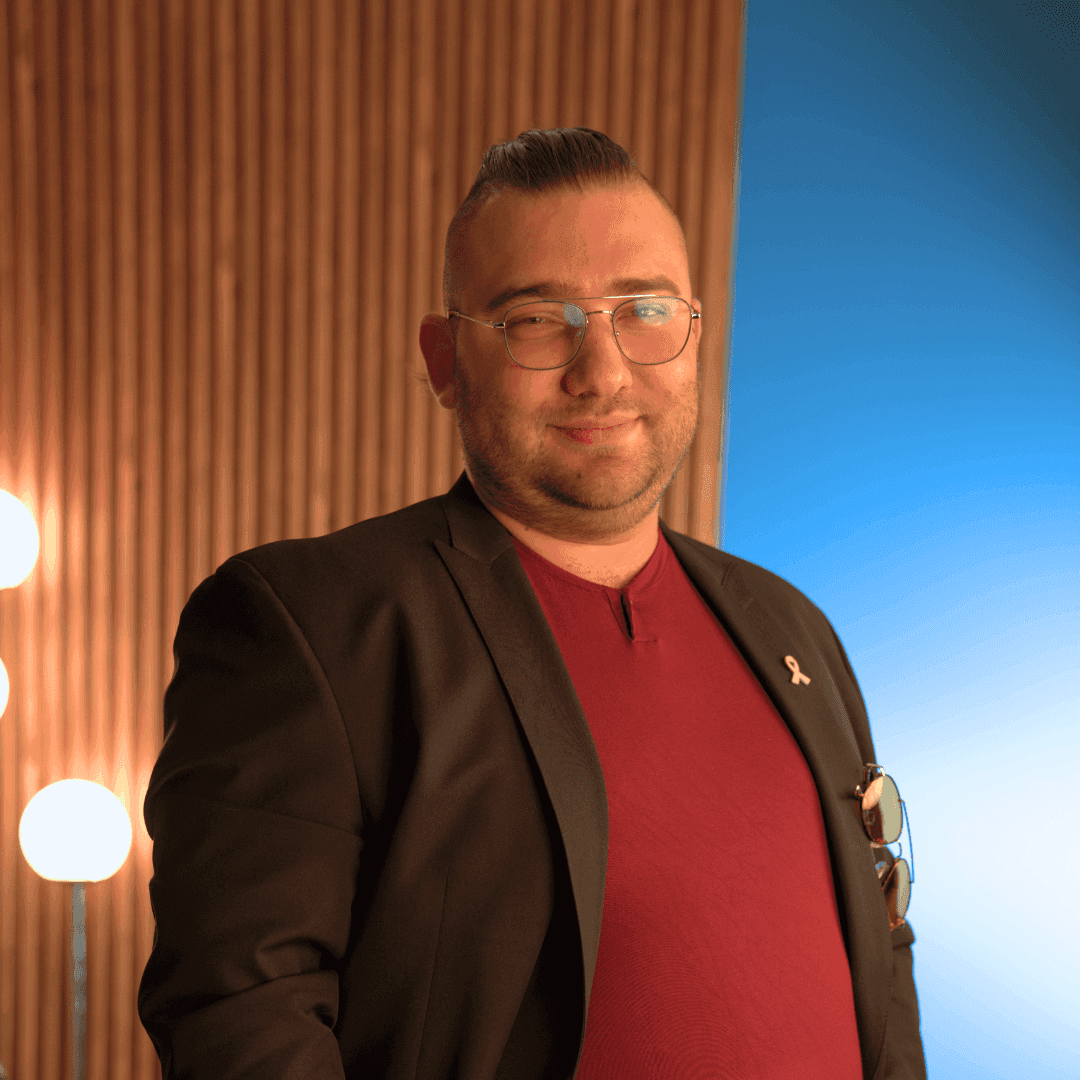
Alexander Slutsker
Business consultant, entrepreneur and founder of Mobius Business Solutions
- ✓14 years of entrepreneurship and consulting, dozens of businesses and managers accompanied in Israel
- ✓MBA in Hi-Tech and Entrepreneurship
- ✓BBA in Marketing and Finance
What organisers say
Alexander's lecture is simply a must for every pre-army programme or youth centre. Our young people received an amazing, practical toolbox for adult life. The content is delivered in a fascinating way, at eye level.
How booking works
- 1
Get in touch
Send a WhatsApp message or use the form, with the date, the audience and the setting.
- 2
A short fitting call
On the call the content and examples are matched to your audience and goals.
- 3
The lecture is delivered
On site or online, 90 minutes, questions from the room included.
Worked with
- Google for Startups
- הבית לעסקים של עיריית שדרות
- Microsoft Reactor
- GameReady
- SderoTech
- IUCEL
- Resilience & Health Innovation Hub
- International Resilience Institute of Sderot
















Want this lecture at your organisation?
Send a message with the date and the audience, and a short fitting call matches the content to your organisation.
More lectures in this area
Frequently asked questions
How do you define go or no go, and what counts as a real signal rather than a compliment?
Money, time, or a commitment that costs the other person something. The session works on setting that threshold before the test runs, because a threshold chosen afterwards will always be met by whatever the results happen to be.
Can this work for a service or a local business rather than a tech product?
Yes. Most published validation material is written for software, which is why service and local businesses get told to build a landing page when a conversation and a deposit would settle the question faster. The material is deliberately not product specific.
How is this different from the Business Model Canvas workshop we already ran?
A canvas organises assumptions and produces a filled-in canvas, not evidence. This session starts where the canvas ends, taking the riskiest assumption on it and going out to find whether real people behave the way the box claims they do.
What do we do when the results come back ambiguous?
Treat ambiguity as a finding, not a delay. Usually it means the question was too broad or the people asked were too varied. The session covers how to narrow either one and rerun cheaply, rather than declaring victory on mixed evidence.
Which cheap tests do you cover, and what does each one actually prove?
Landing pages, pre-sales, advertising tests, and doing the work manually before automating it. Each proves something different, and each gets routinely used to answer a question it cannot answer. Knowing which evidence a test can and cannot produce is most of the skill.
Part of the audience is experienced and part is new. Will it work?
Yes. The depth is set in advance on the fitting call, examples are matched to the sector, and the base assumes no prior knowledge. Audience questions give the experienced their room too.