Project Management
Planning the work, who is responsible for what, and keeping a team in step.
Project management is not status meetings or a wall of tasks. It is delivering a specific, one-time result inside three linked limits of scope, time, and cost, and protecting that result from the scope creep that quietly sinks projects. The terms below are the working vocabulary of that work.
Read: what project management actually isAgile
Agile is a way of working in short cycles: deliver a working result, learn from the people using it and adjust the plan. Scrum and Kanban are two ways to do it.
Project
A project is temporary work with a start and a finish that creates one unique result, such as a new website, within limits of scope, time and cost.
Program
A program is a group of related projects managed together for benefits none of them would deliver alone, like a second branch with its premises, staff and ads.
Portfolio
A portfolio, in project management, is every project, program and ongoing operation a business funds for its strategy, and the line that says no to the rest.
Scope
Scope is all the work a project will deliver, and by agreement everything it will not. Written down, it shows when a request is extra work.
Milestone
A milestone is a checkpoint in a schedule that takes no time: the moment a stage is done, such as design approved. A Gantt chart draws it as a diamond.
Dependency
A task dependency in project management is a link where one task cannot start or finish until another does. It sets the order of work and carries delays.
RACI
RACI is a table showing, for each task, who does the work (Responsible), who owns the result (Accountable), who is asked (Consulted) and who is told (Informed).
Gantt Chart
A Gantt chart is a schedule in which each task is a horizontal bar on a time scale, so you see what runs together, what waits and when the work ends.
Critical Path
The critical path is the longest chain of dependent tasks in a project. It sets the finish date: a delay on it delays the project, a gain elsewhere does not.
Risk
A risk is something that has not happened yet and would affect a project for better or worse if it did. Threats are negative risks, opportunities positive ones.
Issue
An issue is a problem that is already happening and affects a project's goals. Unlike a risk, it is not a possibility: it needs an owner and action now.
Scrum
Scrum is a lightweight framework in which a small team works in sprints of one month or less, meets for 15 minutes a day and shows a working result each sprint.
Kanban
Kanban is a way to manage work on a board of columns with a limit on how many items can be in progress at once. New work starts only when a slot frees up.
Sprint
A sprint is a fixed period, one month or less, in which a Scrum team works toward one goal and delivers a working result. The dates stay, the work can flex.
Lead Time
Lead time is the full time from a customer's request to delivery, waiting included. It is the wait the customer feels, not only the time spent working.
Cycle Time
Cycle time is the time from when work on an item starts to when it is finished, waits after the start included. The queue before the start is not part of it.
YAGNI
YAGNI (You Aren't Gonna Need It) is the rule from Extreme Programming of not building a feature until there is a real need for it, not a guess.
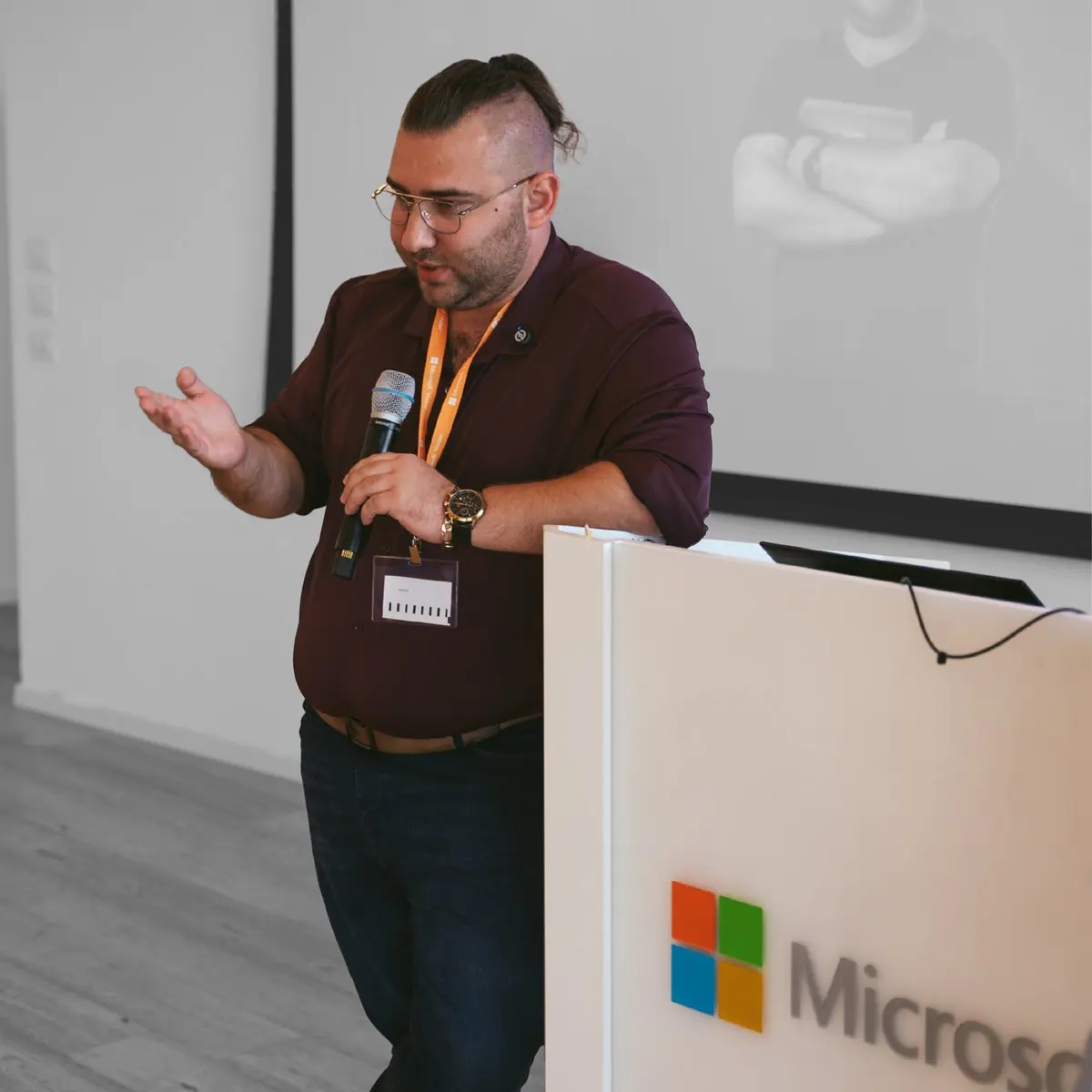
Speaking at Microsoft
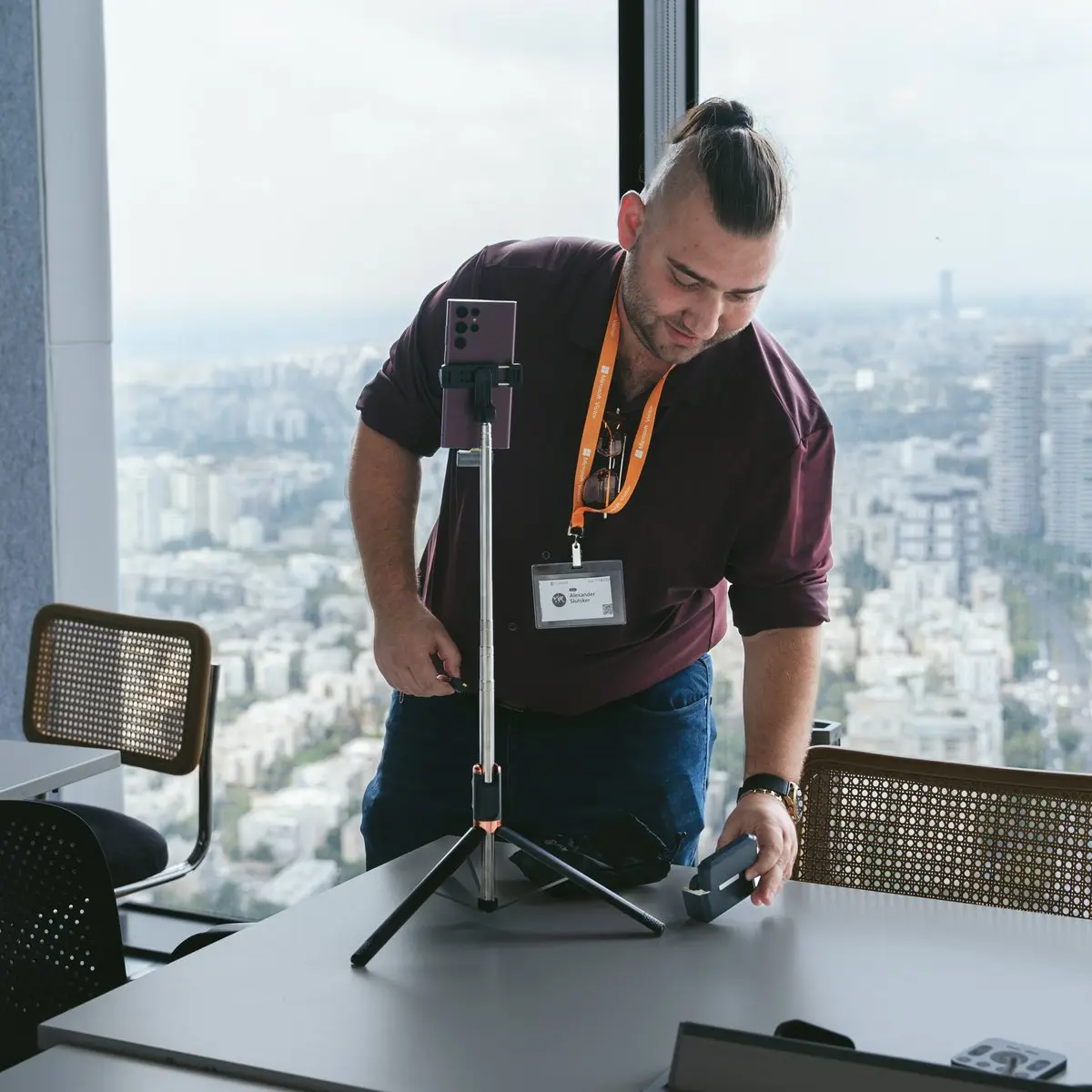
Meeting with international teams, as part of work with a startup
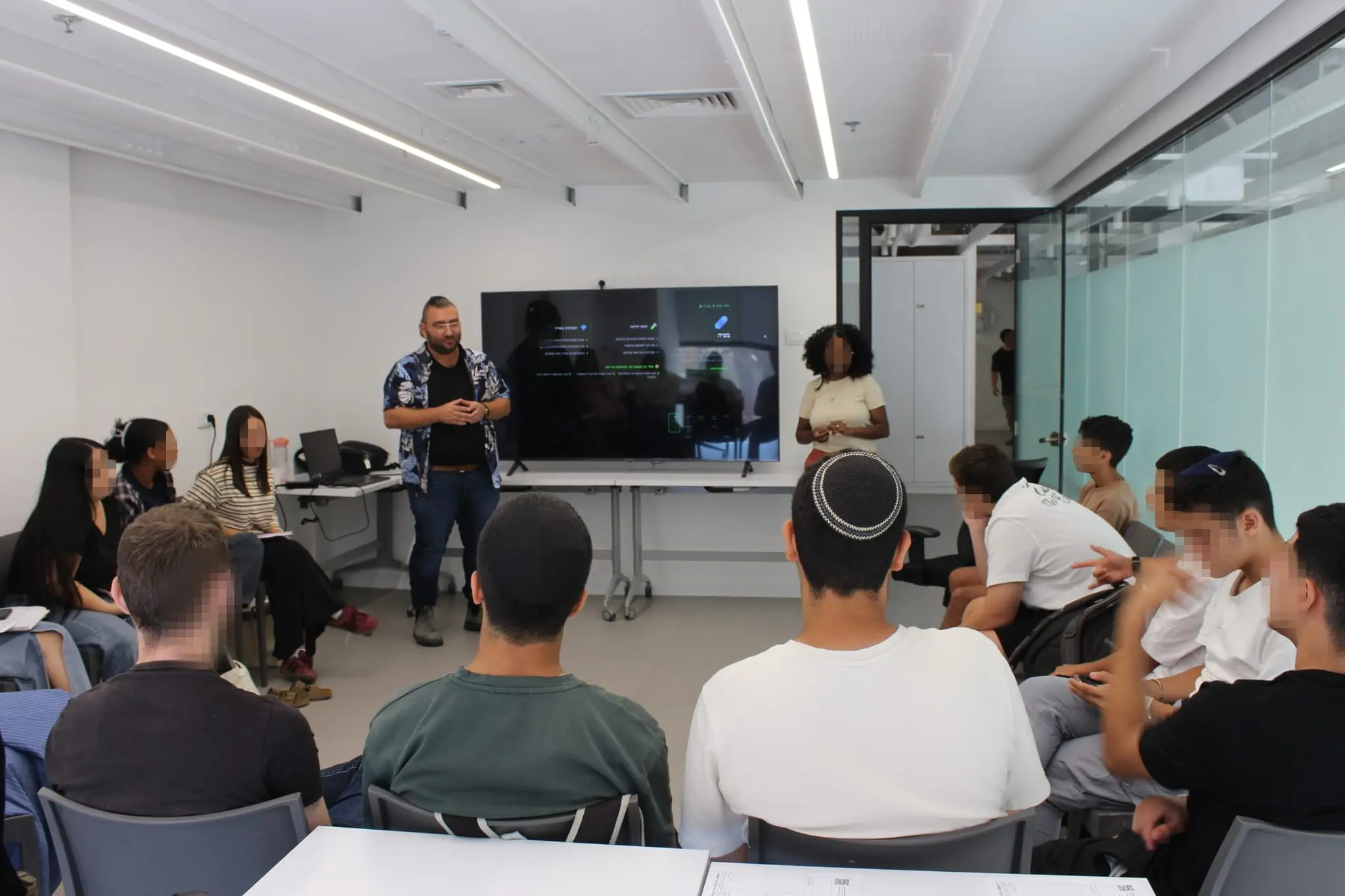
Teenovation, Meital centre Sderot
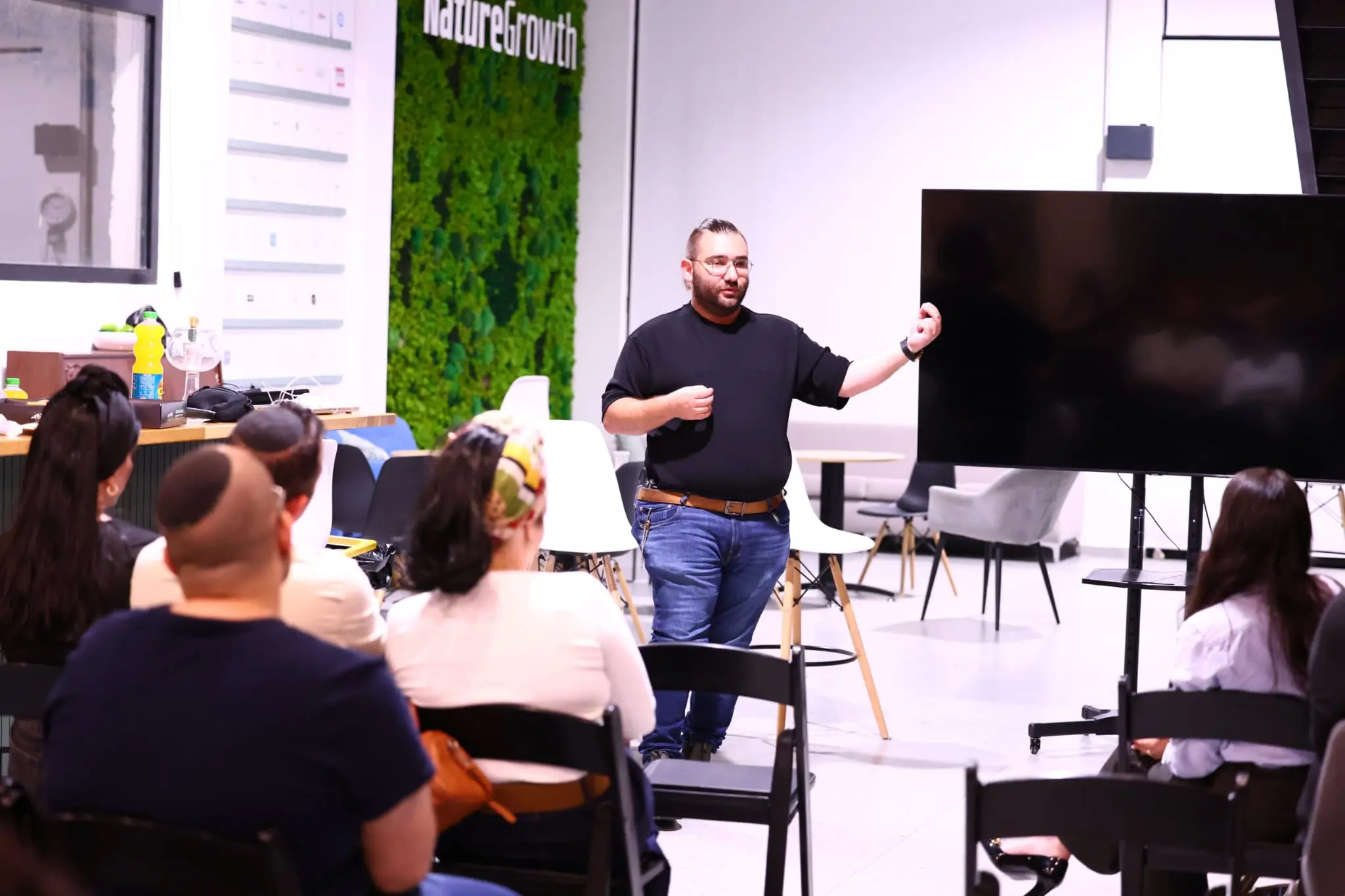
Entrepreneurs session, Sderot
I have worked with
- Google for Startups
- House of Business, Sderot Municipality
- Microsoft Reactor
- GameReady
- Eclipse Capital
- SderoTech
- IUCEL
- Resilience & Health Innovation Hub
- International Resilience Institute of Sderot
















- Google for Startups
- House of Business, Sderot Municipality
- Microsoft Reactor
- GameReady
- Eclipse Capital
- SderoTech
- IUCEL
- Resilience & Health Innovation Hub
- International Resilience Institute of Sderot
What Clients Say
From different fields, at different stages of business
Dan Manto
Eclipse Capital
Real Estate Investment and Finance, USA
Arty McLabin
GameReady
Game Development Education and Outsourcing, International

Anna
Beautician
After I finished a cosmetology course at a leading company, I was confused. I didn't know how to open a business, what to sell from home, or how to bring in clients. Since I reached out to Mobius, everything has changed. We built an organized plan with clear steps and no unnecessary risks. Today I see results, and I'm growing and developing every month.

Mark
Massage therapist, Gan Yavne
When I finished a massage course, I imagined a different world. I found out it's a hard field, and financial stability isn't easy to find. When I came to Mobius, something changed. We started an organized process and built a business plan. Without Mobius? I probably would have given up. Today I believe in myself and in my own path.
Projects always running late or over budget?
Alex helps Israeli businesses deliver projects on time and on plan. The first call is free.
+972 055-248-6151. Better on WhatsApp: I am in meetings most of the day and answer as soon as I am free. Other ways to reach me