Operations
The daily running of the business, and the places where the work gets stuck.
Business operations is not firefighting or just staying busy. It is the repeatable system that makes the hundredth delivery as good as the first, without depending on you to hold it together by hand. Marketing and sales win the customer. Operations keeps them. The terms below are the working vocabulary of that work.
Read: what business operations actually areBottleneck
A bottleneck is the slowest step in a process, the one that sets how much the whole business can deliver. In a small business, it is often the owner.
Business Process
A business process is a repeatable set of activities that turns inputs into a result a customer values, like a WhatsApp inquiry that ends in a paid invoice.
SOP
An SOP (Standard Operating Procedure) is a written step-by-step guide to a routine task, so everyone gets the same result. It lists purpose, owner, steps, date.
Process Map
A process map is a diagram of the steps in a process, who does each one and where work passes between people. Mapping the current process first exposes delays.
Capacity
Capacity is the most work a business can deliver in a set period with its current people, tools and hours. Booking it to 100% creates queues and delays.
Throughput
Throughput is the rate at which a business delivers finished work to customers, like cakes sold per day. The bottleneck sets it, not how busy the team is.
PDCA
PDCA (Plan, Do, Check, Act) is a four-step improvement cycle: plan a change with a prediction, try it, check the result, then adopt the change or drop it.
Kaizen
Kaizen is the Japanese approach of continuous improvement in small steps: everyone makes small changes, and each change that works becomes the new standard.
Gemba
Gemba is Japanese for the actual place where work is done, like the shop floor, a counter or an inbox. It is where value is created, not where it is managed.
Genchi Genbutsu
Genchi Genbutsu is a Toyota principle: before you decide, go to the actual place, see the actual thing and check the facts yourself, not in a report.
5S
5S is a Japanese method for organizing a workplace in five steps: Sort, Set in order, Shine, Standardize and Sustain. It reduces waste and makes gaps visible.
5 Whys
5 Whys is a way to find the root cause of a problem: you ask why it happened, then why again, usually about five times, until you reach a cause you can fix.
Pareto Principle (80/20 Rule)
The Pareto principle, or 80/20 rule, says a small share of causes usually produces most of the results, such as a few products bringing in most of the profit.
Poka-Yoke
Poka-yoke (Japanese for mistake-proofing) means designing a process so an error cannot happen or is flagged at once, like a SIM card that fits only one way.
OEE
OEE (Overall Equipment Effectiveness) multiplies availability, performance and quality into one score for equipment. Low OEE reveals hidden waste.
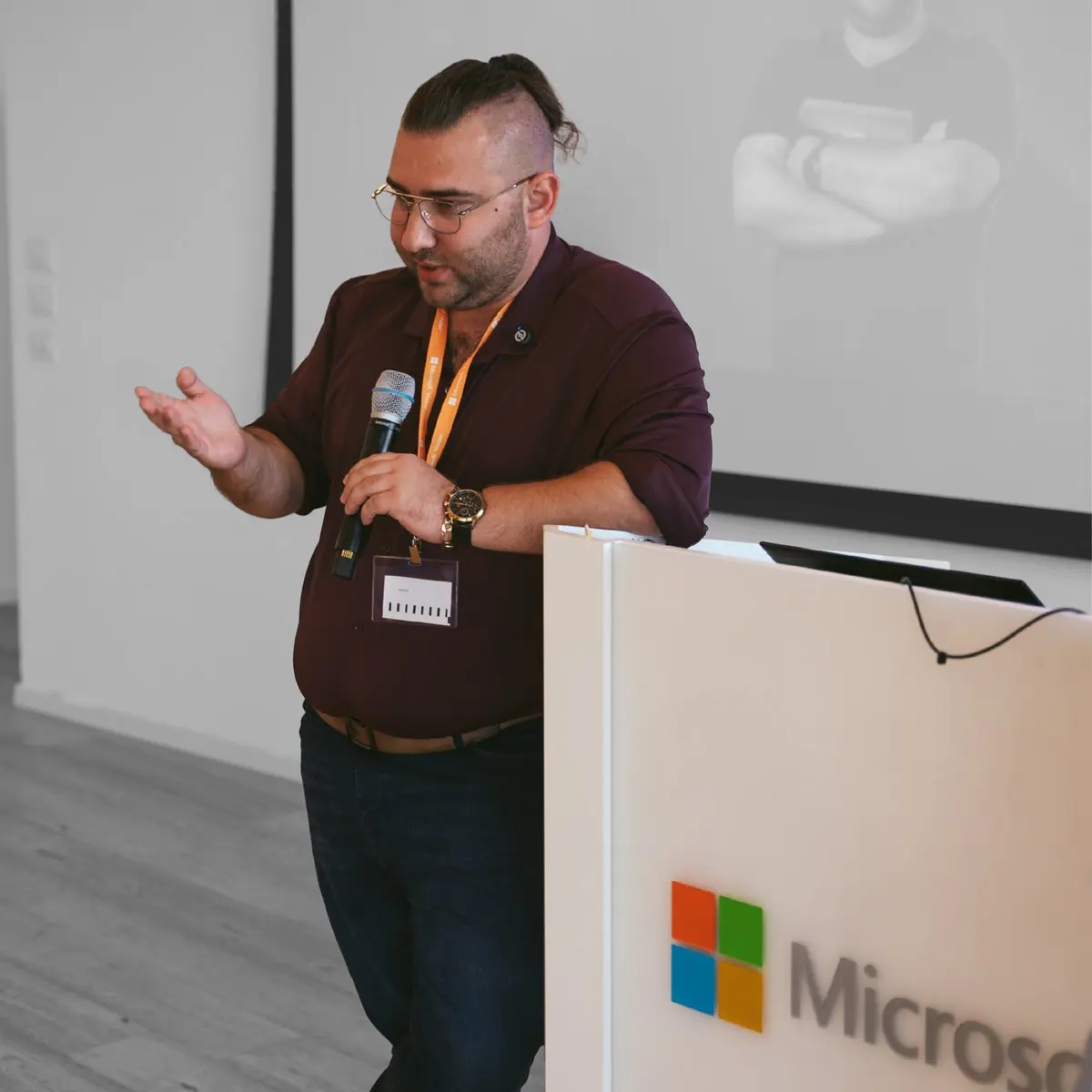
Speaking at Microsoft
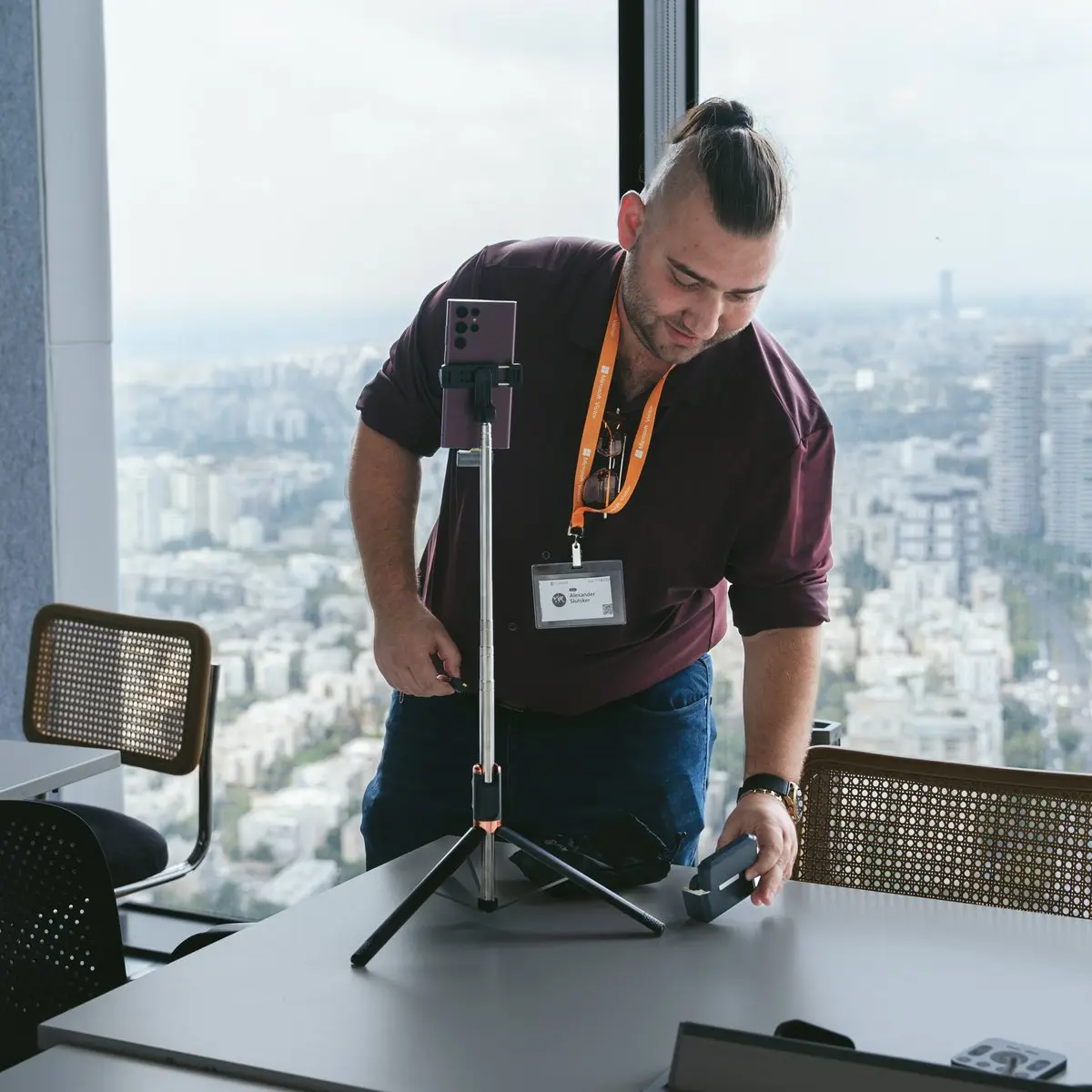
Meeting with international teams, as part of work with a startup
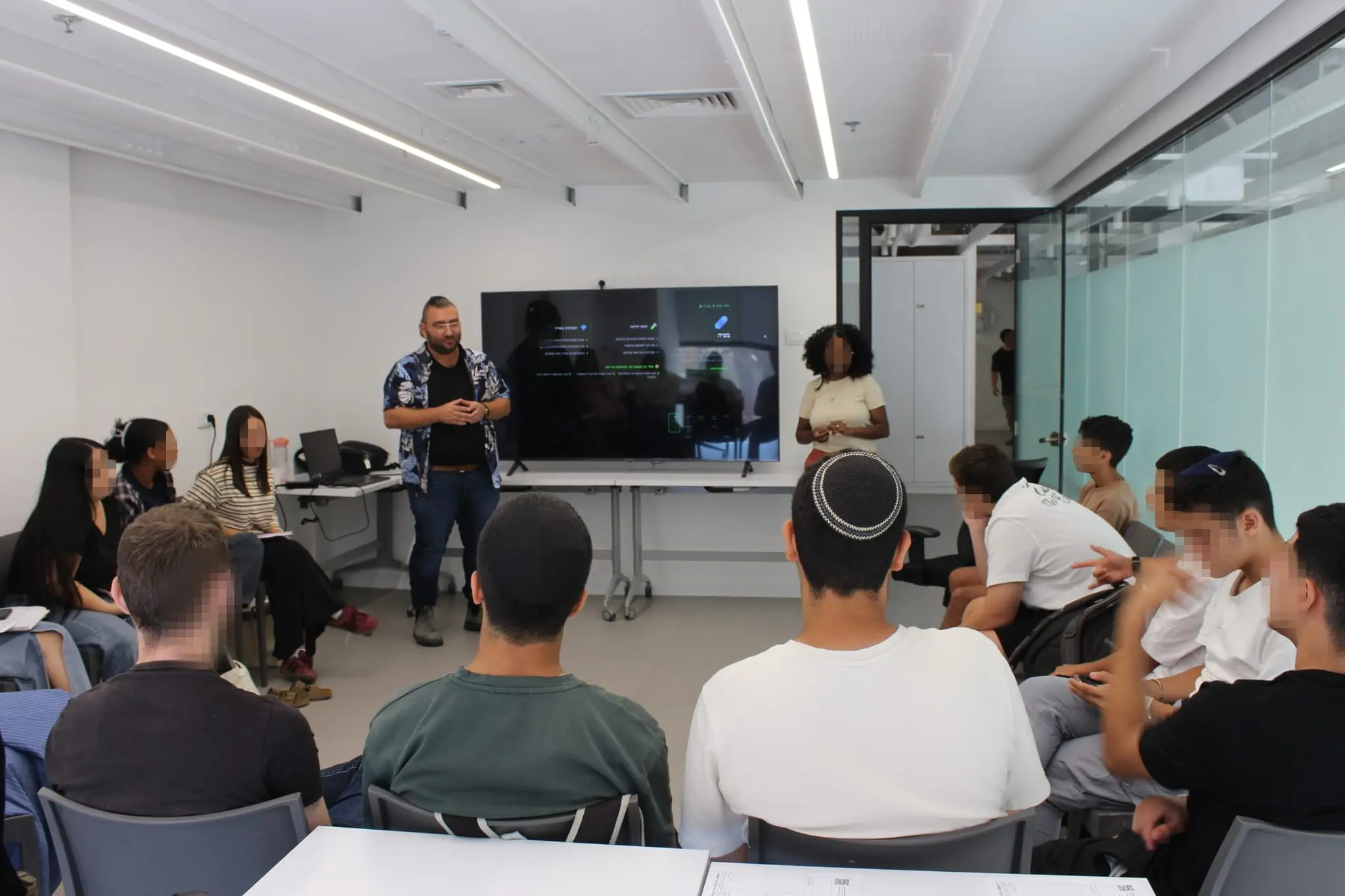
Teenovation, Meital centre Sderot
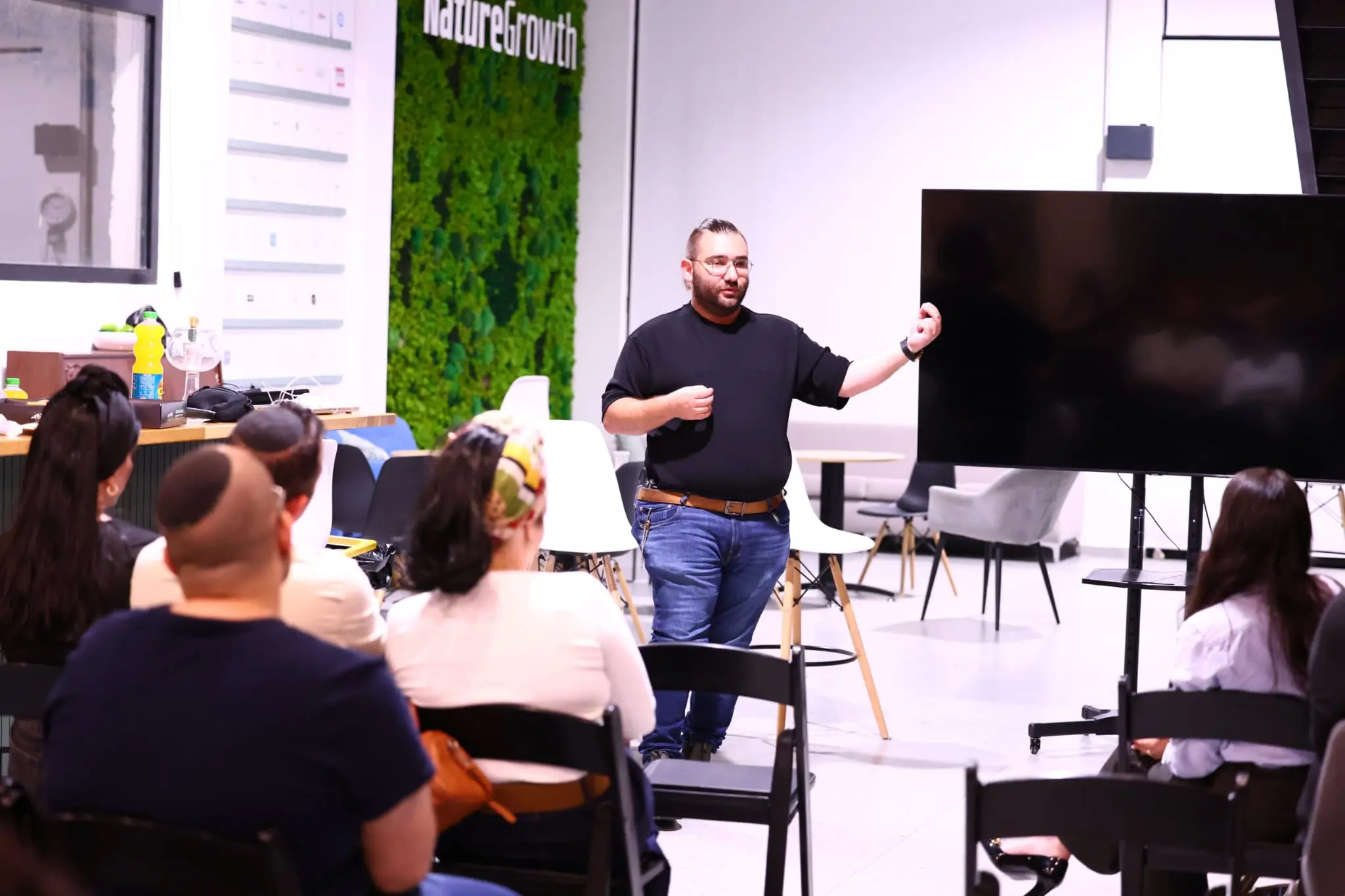
Entrepreneurs session, Sderot
I have worked with
- Google for Startups
- House of Business, Sderot Municipality
- Microsoft Reactor
- GameReady
- Eclipse Capital
- SderoTech
- IUCEL
- Resilience & Health Innovation Hub
- International Resilience Institute of Sderot
















- Google for Startups
- House of Business, Sderot Municipality
- Microsoft Reactor
- GameReady
- Eclipse Capital
- SderoTech
- IUCEL
- Resilience & Health Innovation Hub
- International Resilience Institute of Sderot
What Clients Say
From different fields, at different stages of business
Dan Manto
Eclipse Capital
Real Estate Investment and Finance, USA
Arty McLabin
GameReady
Game Development Education and Outsourcing, International

Anna
Beautician
After I finished a cosmetology course at a leading company, I was confused. I didn't know how to open a business, what to sell from home, or how to bring in clients. Since I reached out to Mobius, everything has changed. We built an organized plan with clear steps and no unnecessary risks. Today I see results, and I'm growing and developing every month.
Mark
Massage therapist, Gan Yavne
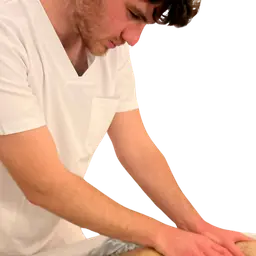
When I finished a massage course, I imagined a different world. I found out it's a hard field, and financial stability isn't easy to find. When I came to Mobius, something changed. We started an organized process and built a business plan. Without Mobius? I probably would have given up. Today I believe in myself and in my own path.
Operations slowing your business down?
Alex helps Israeli businesses fix the processes that waste time and money. The first call is free.
+972 055-248-6151. Better on WhatsApp: I am in meetings most of the day and answer as soon as I am free. Other ways to reach me