What is the customer journey
Definition
A customer journey is the whole path a customer walks with your business, seen from their side, from first hearing of you to buying, using and coming back.
Why it matters
Half the journey happens after the payment, and that is where people stay, leave or recommend you.
Common mistakes
Drawing the business's sales stages and calling it the customer journey.
Related terms
Worked exampleIllustration
The journey of a fictional studio's new member
A fictional customer of a fictional neighbourhood pilates studio, from the first reel to a recommendation. The value on each step is how she feels.
- Curious
Sees
She sees a reel of the studio on Instagram.
- Unsure
Asks
She asks the neighbourhood WhatsApp group what people think of the studio.
- The low point
Writes
She writes to the studio on WhatsApp and waits 5 hours for a reply. The fix: an auto reply with the schedule.
- Relieved
Books
She books a trial class and gets a location pin and a note on what to bring.
- A dip
First class
She comes to the first class and finds no parking. The fix: a parking note in the booking message.
- Steady
Joins
She joins, and the first monthly charge arrives with a clear receipt.
- Cared for
Misses a week
After she misses two classes, the studio sends her a message.
- The high point
Recommends
She recommends the studio to a friend.
The two fixes, at steps 3 and 5, cost no ad money. Steps 6 to 8 happen after the payment.
Illustration
Her journey, and how she feels on the way
- 1SeesCurious
- 2AsksUnsure
- 4BooksRelieved
- 6JoinsSteady
- 7Misses a weekCared for
- 8RecommendsThe high point
New members a month: 5 (without the fixes: 5)
The lowest point is step 3, five hours of waiting for a reply, and it is also the dearest: half of the month's 100 chats leave there. Today the month makes 5 new members. Tap a red step to see its fix.
The counts are the Meta month of the marketing funnel page: 100 chats, half answered in time, 20% of those book a trial class, half the trial guests join. The auto reply lifts the answered chats to 80%, as there. What the parking note changes is not measured, so the slider is your own guess. All numbers are invented.
Definition
A customer journey follows one customer through every contact with the business and tells it from the customer's side: what they do, what they feel and what they are waiting for at each step. It runs from the first time they hear of you, through asking, booking and paying, to using the service, staying and recommending you. A customer journey map is the drawing of that path. Nielsen Norman Group describes a journey map as a visualization of the process a person goes through to reach a goal, with emotions plotted as a single line of ups and downs. The marketing funnel counts how many people are left at each step, while the journey shows what one person goes through, including after the sale.
Why it matters
Seeing the path through the customer's eyes shows the low points the business does not notice, such as a reply that takes hours or no parking at the first visit. Many of those fixes cost no ad money.
Directly related: Marketing Funnel, Persona, Onboarding.
Improvement tips
- Walk the path yourself as a customer: write to your own WhatsApp, book, and read every message you receive.
- Mark the low points, where the customer waits, guesses or worries, and fix them one at a time.
- Map the steps after the payment too: the first visit, the first charge, the reminders and the moment they could recommend you.
- Build the map from what customers tell you and the questions they ask, not from how the process looks inside the business.
Common mistakes
- Stopping the map at the purchase, where half the journey begins.
- Drawing the path from assumptions instead of from what customers say and do.
- Fixing the busy steps and missing the silent ones, such as waiting hours for a first reply.
Related terms
Marketing Funnel
A marketing funnel is a model of the stages people pass from first seeing your business to buying, and it shows at which stage most of them drop out.
Persona
A persona is a short portrait of one typical customer, built from real conversations and data, that you picture when you write an ad, a post or a page.
Onboarding
Onboarding is the guided path a new customer takes from first contact to the first real result, such as a first visit kept, so they stay and do not drift away.
Retargeting
Retargeting is showing ads to people who already visited your site or engaged with your page, to bring back those who left without buying or booking.
From the blog
When to Pivot Your Business Without Losing Customers
How to tell a real pivot signal from one bad month, test one change on a small group of customers, and explain it clearly before you change the offer.
Marketing Mistakes That Create Activity, Not Sales
Why small business marketing often creates posts, ads, and leads without enough qualified demand, follow-up, or sales.
Quick check
What does a customer journey show that a marketing funnel does not?
Choose an answer
Frequently asked questions
What is a customer journey in plain words?
What are the stages of a customer journey?
What is the difference between a customer journey and a marketing funnel?
What is a customer journey map?
What happens in the journey after the purchase?
How do I map my customer journey?
How do I find the low points?
Can I send a "come back" offer or ask for a review with a discount?
Is a reminder about a booked class part of the journey?
Do I need special software for a journey map?
Does every customer take the same journey?
Is mapping the customer journey worth it for a small business?
Sources: Sarah Gibbons, "Journey Mapping 101", Nielsen Norman Group, 2018 (nngroup.com/articles/journey-mapping-101/), Communications (Telecommunications and Broadcasting) Law, 1982, section 30A (nevo.co.il)
Last reviewed: 2026-09-24
I have worked with
- Google for Startups
- House of Business, Sderot Municipality
- Microsoft Reactor
- GameReady
- Eclipse Capital
- SderoTech
- IUCEL
- Resilience & Health Innovation Hub
- International Resilience Institute of Sderot


















- Google for Startups
- House of Business, Sderot Municipality
- Microsoft Reactor
- GameReady
- Eclipse Capital
- SderoTech
- IUCEL
- Resilience & Health Innovation Hub
- International Resilience Institute of Sderot
What Clients Say
From different fields, at different stages of business
Dan Manto
Eclipse Capital
Real Estate Investment and Finance, USA
Arty McLabin
GameReady
Game Development Education and Outsourcing, International

Anna
Beautician
After I finished a cosmetology course at a leading company, I was confused. I didn't know how to open a business, what to sell from home, or how to bring in clients. Since I reached out to Mobius, everything has changed. We built an organized plan with clear steps and no unnecessary risks. Today I see results, and I'm growing and developing every month.
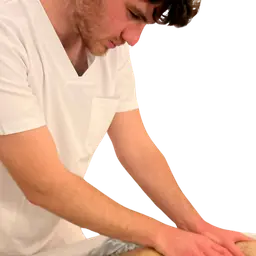
Mark
Massage therapist, Gan Yavne
When I finished a massage course, I imagined a different world. I found out it's a hard field, and financial stability isn't easy to find. When I came to Mobius, something changed. We started an organized process and built a business plan. Without Mobius? I probably would have given up. Today I believe in myself and in my own path.
Not sure your marketing is paying off?
Alex helps Israeli businesses turn marketing spend into real customers. The first call is free.
+972 055-248-6151. Better on WhatsApp: I am in meetings most of the day and answer as soon as I am free. Other ways to reach me