What Product Management Actually Is (Not a Feature List)
Product management is making sure customers keep getting value, not shipping features. Here is what it means and why retention is the scoreboard.
What is retention
Retention is the share of customers who keep buying or using your product over a set period, counting only those you already had at the start.
Illustration
The leaky bucket
Wrong: everyone at the end ÷ start
180 ÷ 200 = 90%
Right: take the new clients out first
(180 − 60) ÷ 200 = 60%
The wrong formula says 90% and looks healthy. Take out the 60 new clients and only 60% of the regulars stayed: 80 stopped coming.
Product management is the work of making sure you build the right thing for the right people, and that those people keep getting value from it. It is not choosing which features to ship, and a product is not the list of things it does. A product is the value a customer actually receives and returns for. The teams that forget this become feature factories: always building, always busy, and often making the product worse while congratulating themselves on shipping.
Whether you have a product manager or not, someone in your business is doing this job, or failing to. Understanding what product management actually is turns a stream of features nobody asked for into a focused effort on the few things that make customers stay.
What product management actually is
Product management sits between the customer's problem and what your team builds. Its job is to decide which problems are worth solving, for whom, then to make sure the thing you build actually solves them and that customers keep coming back. It is part listening, part judgment, part measurement.
The key shift is from outputs to outcomes. An output is something you produced, a feature, a redesign. An outcome is the change it created for the customer, a faster result, fewer problems, more reason to return. Producing outputs feels like progress and is easy to count. Creating outcomes is what actually grows the business, and the two are not the same.
Features are outputs, value is the outcome
The most expensive belief in product is that more features means a better product. It usually means the opposite. Every feature adds complexity, more to maintain, more to confuse the user, more surface for bugs, while the core problem may still be unsolved. A product can grow longer and get worse at the same time.
This is the feature factory trap: a team measuring itself by how much it ships, producing a steady stream of outputs while the numbers that matter do not move. The discipline is to do less, better. Find the main job customers hire your product for, make that genuinely excellent, and resist the pull to bolt on everything anyone requests. A shorter, sharper product almost always beats a bloated one.
Retention is the real scoreboard
If you want one number that tells the truth about your product, it is retention (customers continuing to use and pay over time). Marketing can get anyone to try once. Whether they come back is the honest verdict on whether the product delivered. A product that people try and abandon is a bucket with a hole, and pouring in more marketing just pays to refill it faster.
This is why product teams watch retention above almost everything. It turns the vague question "is this valuable?" into a number you can move. It is also how you recognise product-market fit (the point where a specific market wants what you built): people come back without being chased, and tell others. Growth built on top of good retention compounds, because you keep the customers you win. Growth built on top of leaky retention is a treadmill: expensive, exhausting, and going nowhere.
The roadmap is a set of bets, not a list of promises
A product roadmap (your plan for what to work on and roughly when) should express the problems you intend to solve and the outcomes you are chasing, with the exact features free to change as you learn. Owners often treat the roadmap as a fixed calendar of dated features, then feel obligated to ship them even when the evidence says otherwise.
That rigidity is where waste hides. The point of building the smallest useful version first, an MVP (a simple first version to test), is to check whether it moved the outcome before you invest more. A roadmap held loosely, with the direction firm and the details flexible, lets you follow the evidence. A roadmap held rigidly just guarantees you deliver features on schedule whether or not they helped anyone.
What it costs to build without product thinking
Skipping product thinking rarely looks like a decision. It looks like a busy development effort, a growing feature list, and flat retention: building whatever is requested loudest, copying competitors, and shipping steadily while the customer's real problem stays half solved and the ones you won quietly leave.
None of this feels like a product problem in the moment. It feels like you need more features, more marketing, or more customers. But it traces back to the same gap: no one is responsible for asking whether what you build actually makes customers better off and keeps them. The cost is not just the wasted build time, it is the churn (customers who leave) that forces you to keep buying new customers to replace the ones the product failed.
The order that actually works
- Find the real job. Learn the specific problem customers hire your product to solve, from talking to them, not guessing.
- Pick the outcome. Decide the change you want, usually better retention or a faster customer result, and how you will measure it.
- Build the smallest test. Ship the least you can to learn whether it moves that outcome.
- Check the number. Look at retention and the outcome, not the applause or the feature count.
- Do less, better. Deepen what works, cut what does not, resist the pull to add everything requested.
- Hold the roadmap loosely. Keep the direction, let the features flex as evidence comes in.
Owners often start by building features and hoping value follows. Get the order right and every build is aimed at a customer outcome. Skip it and you ship a lot while the business stands still.
Keeping the roadmap tied to customer outcomes is part of business consulting for tech companies.
When outside help is worth it, and when it is not
If you can name the exact job your customers hire the product for, your roadmap is driven by outcomes rather than requests, and your retention is healthy, your product thinking is probably sound and you do not need help.
An outside view earns its place when you ship steadily but growth is flat, when you cannot say which problem you are really solving, or when the roadmap is run by the loudest request. There, help is not more features, it is the focus to build fewer, better ones aimed at what makes customers stay. As a business consultant, I would rather help you kill the work that does not matter than watch a capable team stay busy on the wrong things.
If you want a second pair of eyes on your product and your roadmap, talk it through with me.
The content on this blog is general information only and is not a recommendation to act. It is not business, legal, tax, or financial advice. Before making any decision, consult a qualified professional, such as an accountant, a lawyer, or a business advisor, about your specific situation.
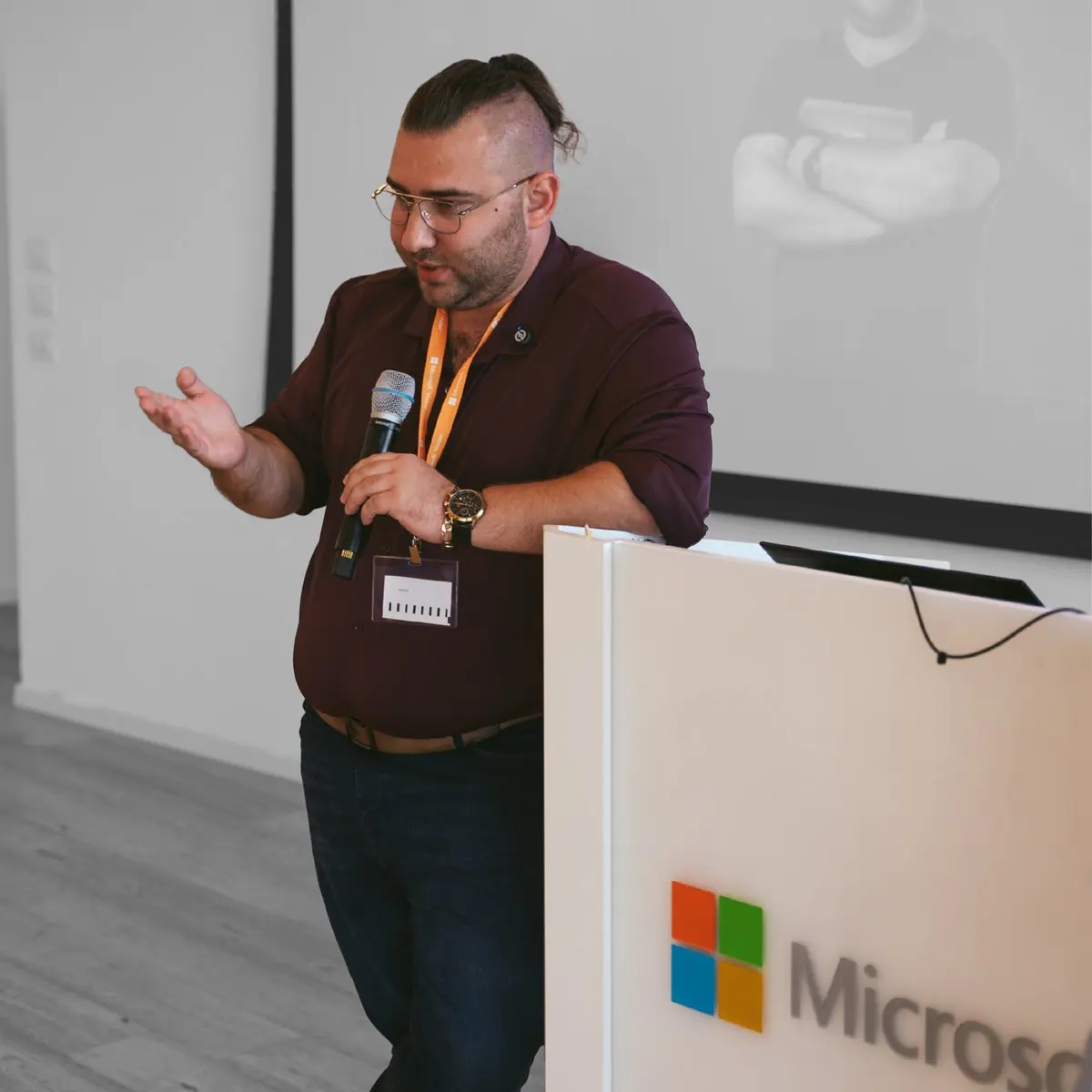
Speaking at Microsoft

Meeting with international teams, as part of work with a startup
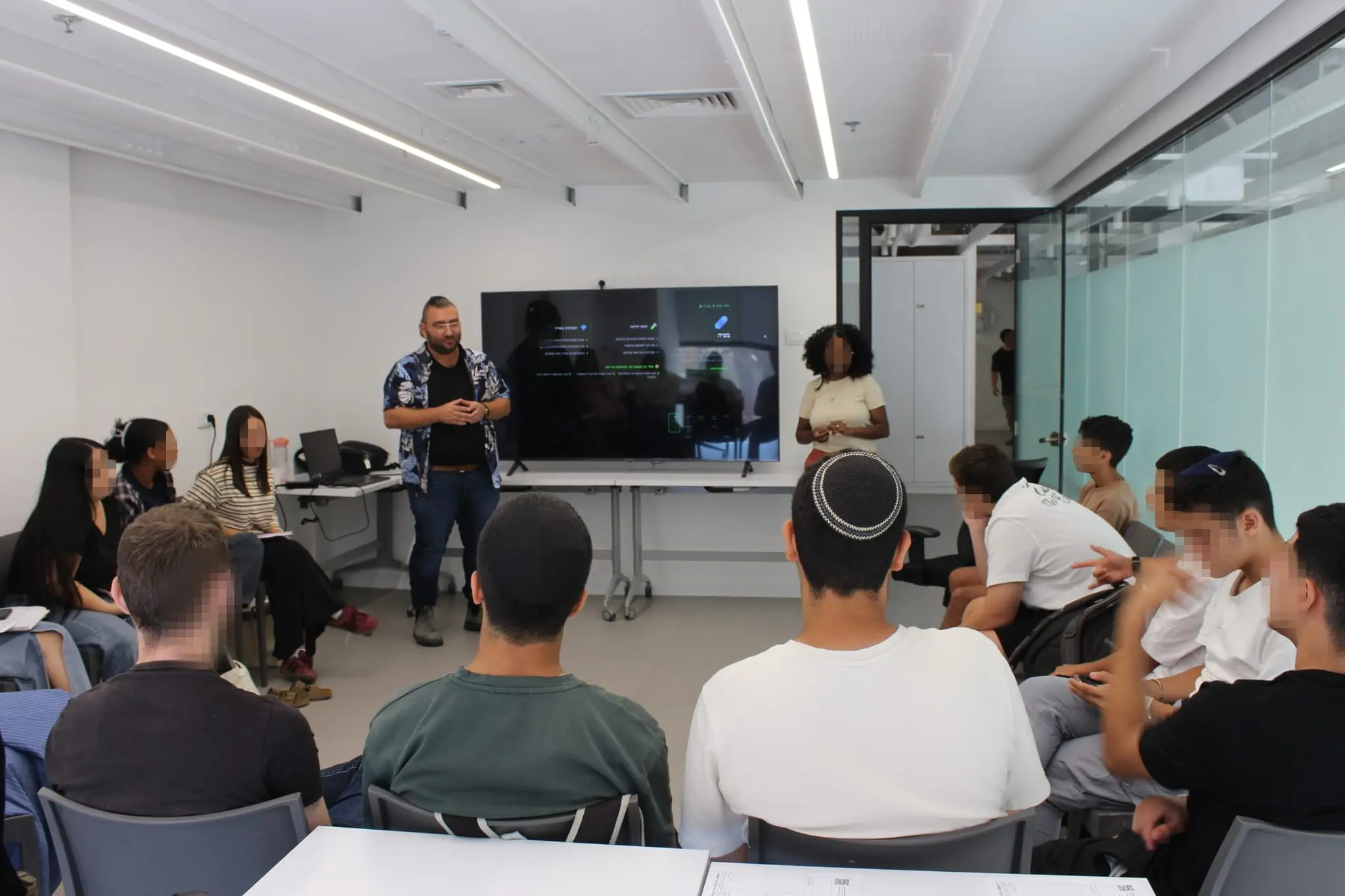
Teenovation, Meital centre Sderot
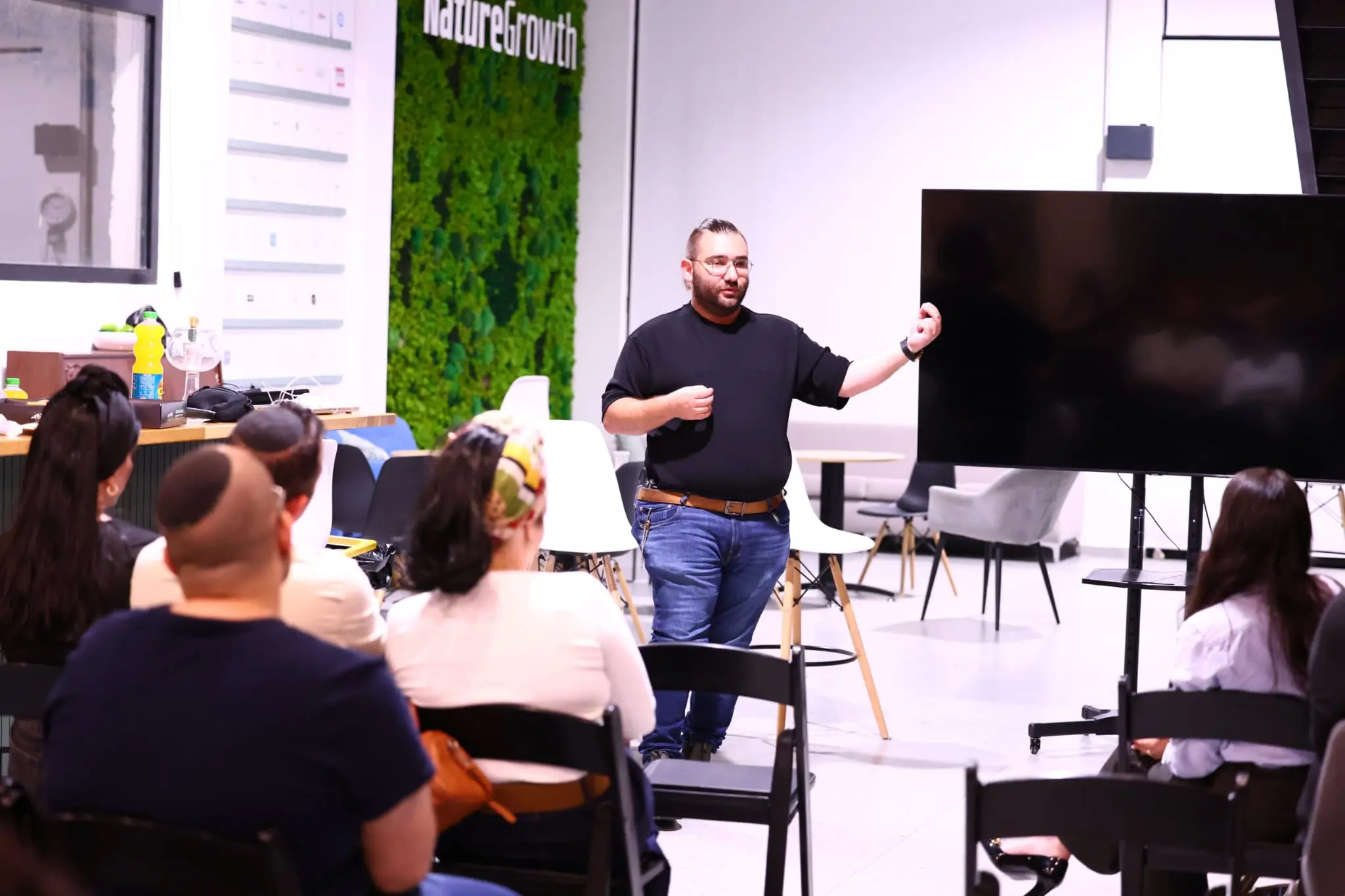
Entrepreneurs session, Sderot
I have worked with
- Google for Startups
- House of Business, Sderot Municipality
- Microsoft Reactor
- GameReady
- Eclipse Capital
- SderoTech
- IUCEL
- Resilience & Health Innovation Hub
- International Resilience Institute of Sderot


















- Google for Startups
- House of Business, Sderot Municipality
- Microsoft Reactor
- GameReady
- Eclipse Capital
- SderoTech
- IUCEL
- Resilience & Health Innovation Hub
- International Resilience Institute of Sderot
What Clients Say
From different fields, at different stages of business
Dan Manto
Eclipse Capital
Real Estate Investment and Finance, USA
Arty McLabin
GameReady
Game Development Education and Outsourcing, International

Anna
Beautician
After I finished a cosmetology course at a leading company, I was confused. I didn't know how to open a business, what to sell from home, or how to bring in clients. Since I reached out to Mobius, everything has changed. We built an organized plan with clear steps and no unnecessary risks. Today I see results, and I'm growing and developing every month.

Mark
Massage therapist, Gan Yavne
When I finished a massage course, I imagined a different world. I found out it's a hard field, and financial stability isn't easy to find. When I came to Mobius, something changed. We started an organized process and built a business plan. Without Mobius? I probably would have given up. Today I believe in myself and in my own path.
And the paperwork, for anyone who wants to see that too.

Certificate of appreciation, Sderot municipality

Certificate of honor, Teenovation 2026

Directors and officeholders course, SRI Campus
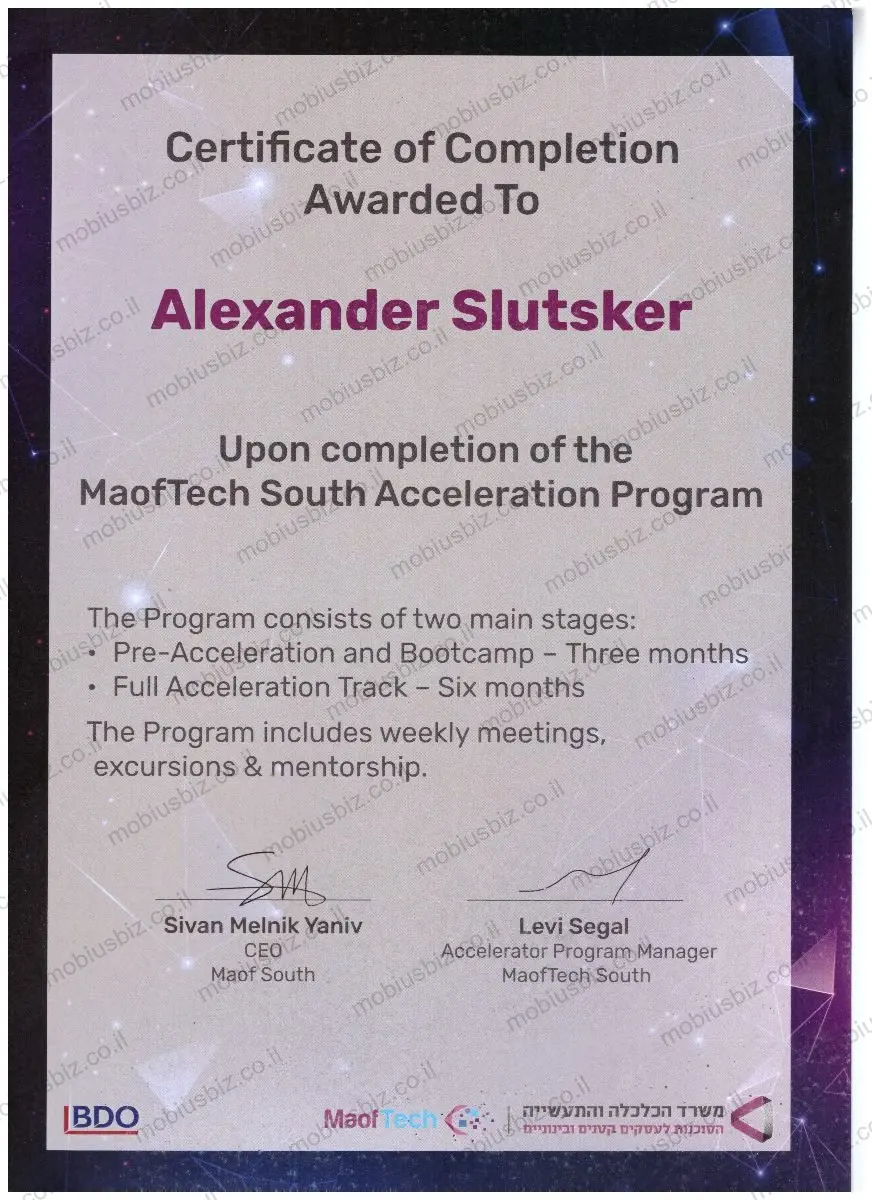
Acceleration program, MaofTech South

Business consultants course

Adaptive project management, INT college

Business, Marketing, Operations & Financial Consultant
Mobius
Alexander Slutsker
9+Years of experience in business consulting
I help entrepreneurs, self-employed people, small businesses and startups understand their own numbers, choose what to do first and grow from there.
Book a Free Call+972 055-248-6151. Better on WhatsApp: I am in meetings most of the day and answer as soon as I am free. Other ways to reach me
We can talk in English, Hebrew or Russian.