What Is Equity in Business?
Plain-language equity basics for founders, partners, early employees, and investors, including cap tables, dilution, options, and rights.
Equity Dilution Calculator
Estimate how a raise and option pool change founder ownership after the round.
Post-money valuation
₪5,000,000
Investor ownership
20%
Founders' ownership after the round
70%
Founders' stake value on paper
₪3,500,000
Ownership ratio
The founders' stake in shekels, on paper
What the new pool takes from the founders ₪500,000
The founders' share falls from 100% to 70%, but the investor's money makes the company bigger by exactly what it buys, so without the pool the stake would still be worth ₪4,000,000. The new option pool is what really costs the founders, ₪500,000.
How we calculated it
Post-money is ₪5,000,000, investor takes 20%, and option pool is 10%.
The founders' stake goes from 100% to 70%, worth ₪3,500,000.
Want to model a raise before signing terms?
Book a free call+972 055-248-6151. Other ways to reach me
This is a simplified, illustrative tool meant to give you a quick feel for the numbers. It is not professional advice. Real business decisions depend on many factors it does not account for, and all results are estimates only. Mobius Business Solutions accepts no responsibility for decisions or actions taken based on this tool.
Equity is a share of ownership in a business: the part of the company that belongs to its founders, partners, employees or investors. It sounds simple until people start making promises. A founder may offer a co-founder percentage, an employee option grant, an investor share, or an informal "you will get equity later" arrangement. Each of those decisions can affect control, motivation, taxes, fundraising, and future dilution.
The most important point is this: equity is not just a number. It has layers. Percentage, voting power, vesting, liquidation preference (who gets paid first when the company is sold), option pool, investor rights, taxes, and future rounds can all change what the ownership actually means.
Here is how a simple informal promise can become a serious problem. Two founders promise equity orally to someone who helps part time. Nobody writes down the expected result, the vesting, what happens if the help stops, or how the promise fits the future cap table. Later, during fundraising, each side remembers a different deal. The dispute can delay due diligence (the investor's check of the company), raise doubts for the investor, and cost time, money and trust before it is settled.
The lesson is direct: equity is not informal gratitude. If ownership matters, it should be documented, conditional where appropriate, and reviewed by qualified legal and tax professionals.
Equity means ownership, but ownership has layers
At the simplest level, equity means a claim on ownership in a company. But the practical value of that ownership depends on more than the percentage.
A 10 percent stake with weak rights, heavy future dilution, no vesting clarity, and problematic investor terms may be less valuable than a smaller stake in a cleaner company. Percentage matters, but rights, terms, and future rounds can matter even more.
The SEC small business glossary is a useful reference for terms such as capitalization table, common stock, preferred stock, convertible note, SAFE, stock option, valuation, seed round, and liquidation preference.
Shares, percentages, and the cap table
A cap table (who owns what) shows who owns the company and how ownership changes after grants, investment, options, convertible instruments, and future rounds.
A useful cap table should show:
- Founders and their ownership.
- Investors and investment terms.
- Employee or adviser option pool.
- SAFEs or convertible notes that may become shares later.
- Vesting schedules.
- Fully diluted ownership, not only current issued shares.
Warning signs appear early: oral equity promises, equal splits with no role discussion, no vesting, large ownership for someone no longer active, too many tiny shareholders, untracked options, and investor terms that may shift control later.
Founder, employee, and investor equity
Founder equity is usually tied to long-term responsibility, risk, and contribution. It should be discussed honestly before conflict appears. Equal ownership can be fair, but only if the roles, time commitment, decision rights, and future contribution make sense.
Employee equity is usually designed as an incentive. It may use options, vesting, exercise periods, tax rules, and employment conditions. Employees need to understand that an option is not the same as cash and not automatically valuable.
Investor equity is capital in exchange for ownership, often with additional rights. The investor may receive preferred stock, information rights, protective provisions, pro rata rights, or liquidation preferences. These terms can affect outcomes even when the headline percentage looks reasonable.
Common stock, preferred stock, options, SAFEs, and convertible notes
Common stock is often what founders hold. Preferred stock is often used by investors and may include rights that common stock does not have.
Stock options give the right to buy shares under defined conditions. They can be powerful, but the value depends on the exercise price, vesting, taxes, exit value, and whether the person stays long enough.
SAFEs and convertible notes can postpone pricing the company until a later round. That can be useful, but they still affect future ownership. A founder who signs several instruments without modeling conversion may be surprised later.
Do not treat these as interchangeable labels. Each has economic and legal consequences.
Dilution and why a smaller percentage can still be better
Dilution (a shrinking ownership percentage) happens when the company issues more ownership to investors, employees, advisers, or other parties. Dilution is not automatically bad. If new capital helps the company become much more valuable, a smaller percentage may be worth more.
The danger is unplanned dilution. Founders should model:
- Current ownership.
- New investment.
- Option pool creation or expansion.
- Conversion of SAFEs or notes.
- Future rounds.
- Founder and employee motivation after dilution.
This connects directly to early-stage fundraising. A round should buy a concrete next stage, and the ownership cost should match the business progress it creates.
Control, liquidation preference, and rights matter
Ownership percentage does not always equal control or cash outcome. Voting rights, board seats, veto rights, information rights, liquidation preference, anti-dilution terms, and founder vesting can all affect what happens in success, difficulty, or exit.
For example, liquidation preference can affect who receives money first in a sale. Protective provisions can limit what the company can do without investor approval. Vesting can determine what a founder or employee keeps if they leave.
This is why founders should not negotiate only the headline valuation. A higher valuation with harsh terms may be worse than a lower valuation with healthier terms.
How to use the equity dilution tool
The calculator on this page models one round at a time: ownership before and after the investment, the new option pool, and the founders' stake value on paper. To see a later round, run it again with the founders' ownership after the first round typed into current ownership of all founders. It is useful before conversations with co-founders, employees, advisers, or investors because it makes the ownership effect visible.
But the tool does not replace professional advice. It does not evaluate voting rights, liquidation preferences, protective provisions, tax treatment, vesting, employment law, or future financing documents.
Preparing the business side of equity conversations is part of my consulting for startups and founders.
If equity is already part of a hard conversation, do not wait until the fundraising process exposes the problem. Clean it up early. If you want the business side prepared before those conversations, talk it through with me. For partnership context, you may also read do you need a co-founder and when to form an advisory board.
The content on this blog is general information only and is not a recommendation to act. It is not business, legal, tax, or financial advice. Before making any decision, consult a qualified professional, such as an accountant, a lawyer, or a business advisor, about your specific situation.
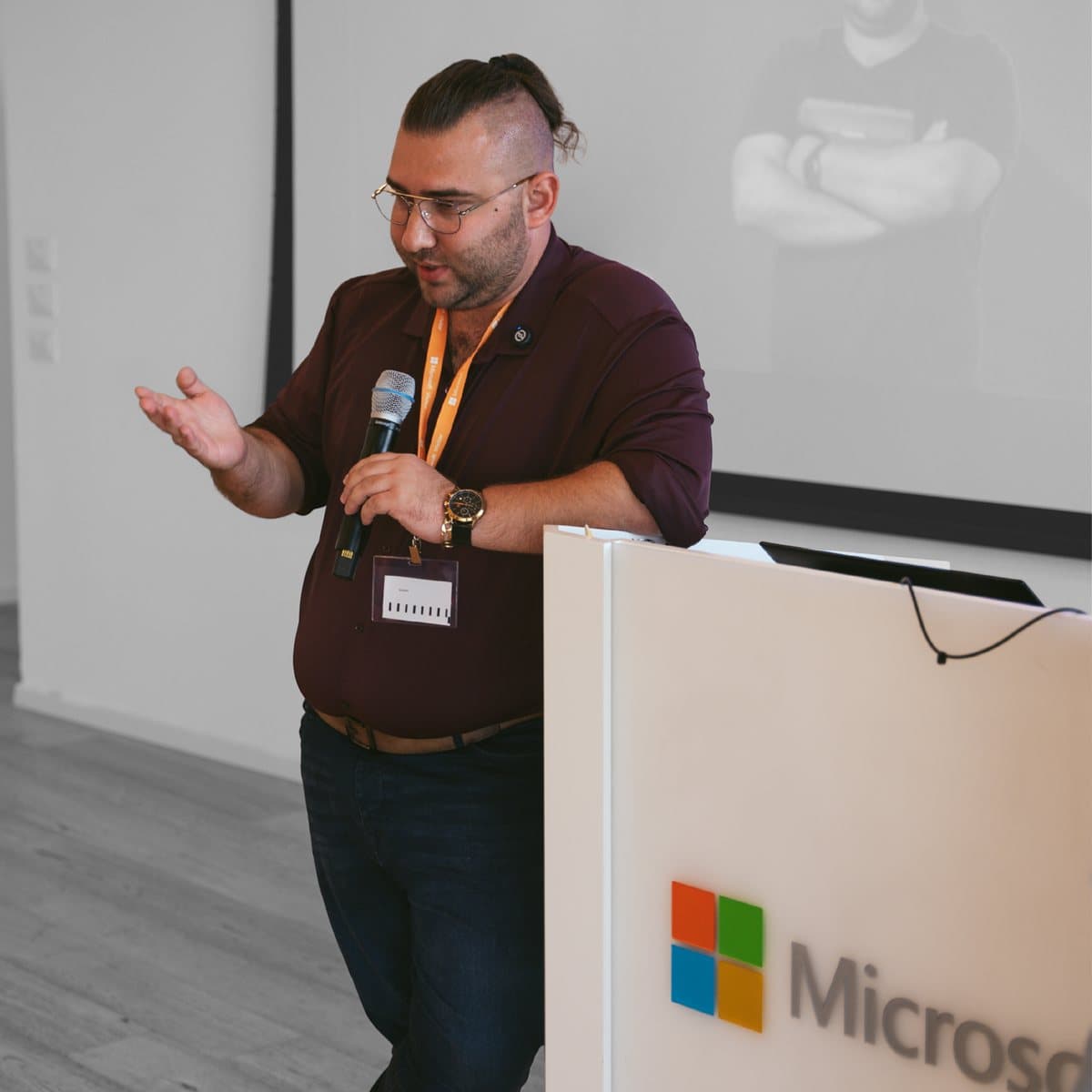
Speaking at Microsoft

Meeting with international teams, as part of work with a startup
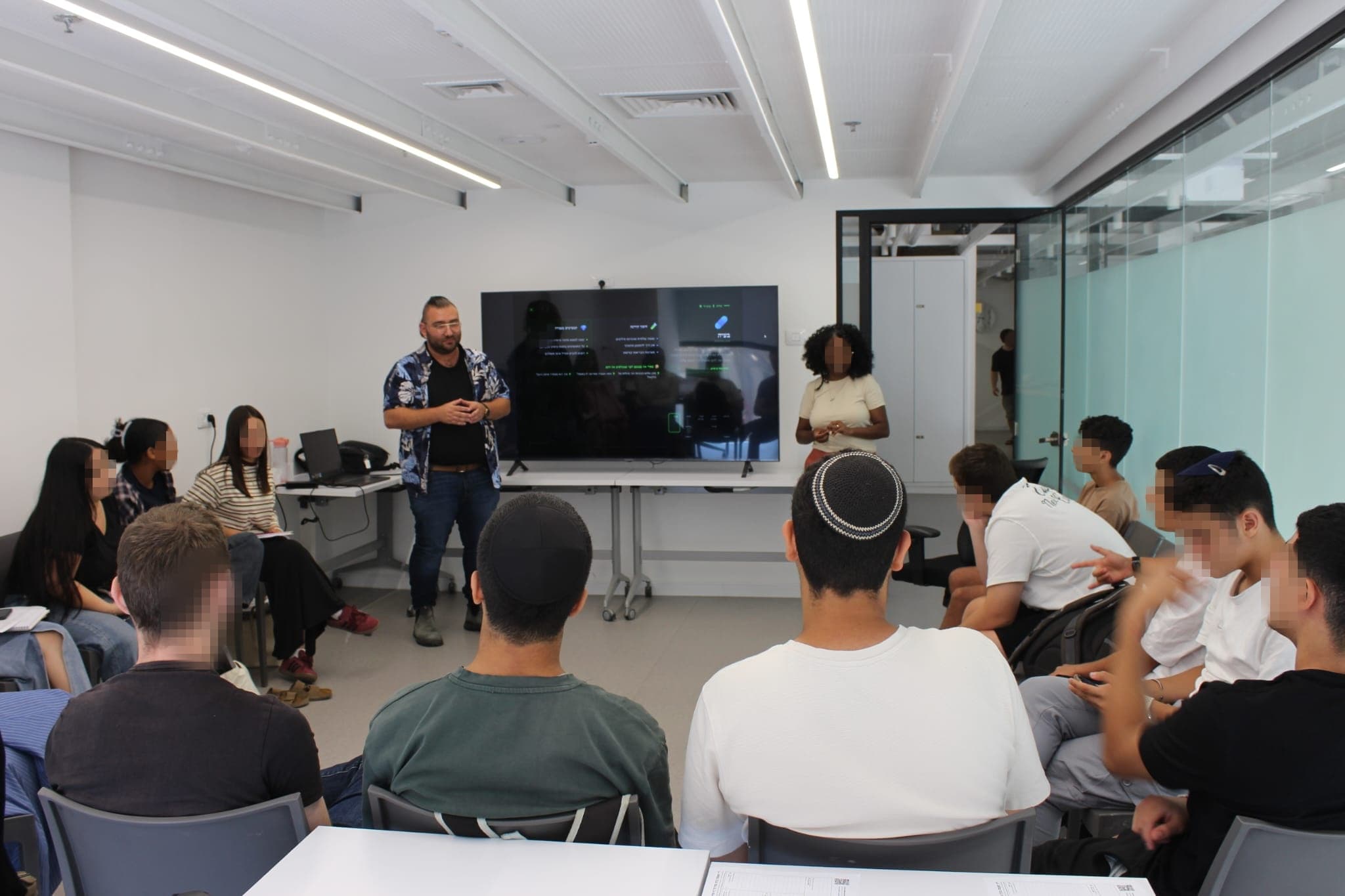
Teenovation, Meital centre Sderot
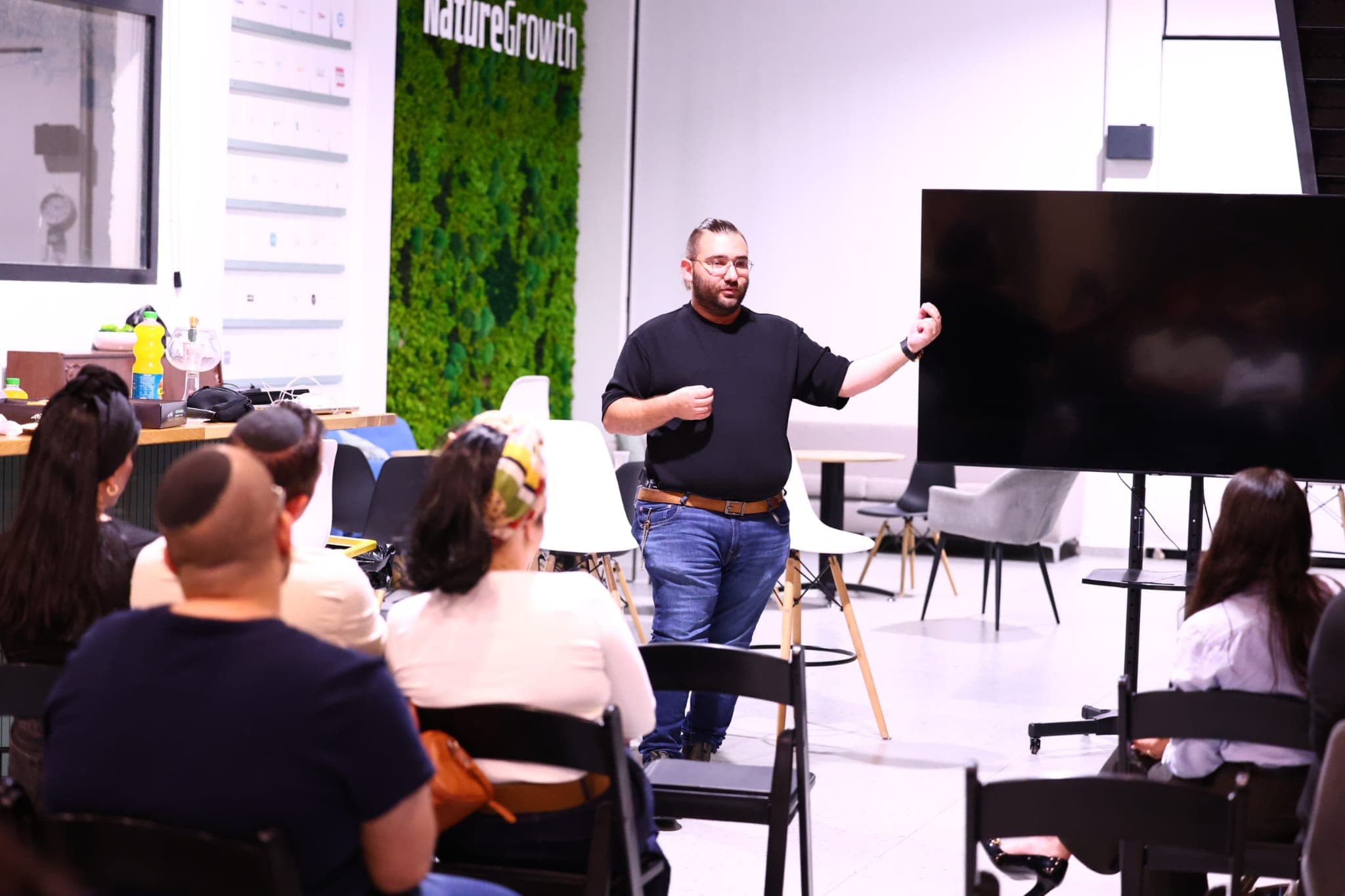
Entrepreneurs session, Sderot
I have worked with
- Google for Startups
- House of Business, Sderot Municipality
- Microsoft Reactor
- GameReady
- Eclipse Capital
- SderoTech
- IUCEL
- Resilience & Health Innovation Hub
- International Resilience Institute of Sderot
















- Google for Startups
- House of Business, Sderot Municipality
- Microsoft Reactor
- GameReady
- Eclipse Capital
- SderoTech
- IUCEL
- Resilience & Health Innovation Hub
- International Resilience Institute of Sderot
What Clients Say
From different fields, at different stages of business
Dan Manto
Eclipse Capital
Real Estate Investment and Finance, USA
Arty McLabin
GameReady
Game Development Education and Outsourcing, International

Anna
Beautician
After I finished a cosmetology course at a leading company, I was confused. I didn't know how to open a business, what to sell from home, or how to bring in clients. Since I reached out to Mobius, everything has changed. We built an organized plan with clear steps and no unnecessary risks. Today I see results, and I'm growing and developing every month.

Mark
Massage therapist, Gan Yavne
When I finished a massage course, I imagined a different world. I found out it's a hard field, and financial stability isn't easy to find. When I came to Mobius, something changed. We started an organized process and built a business plan. Without Mobius? I probably would have given up. Today I believe in myself and in my own path.
And the paperwork, for anyone who wants to see that too.

Certificate of appreciation, Sderot municipality

Certificate of honor, Teenovation 2026
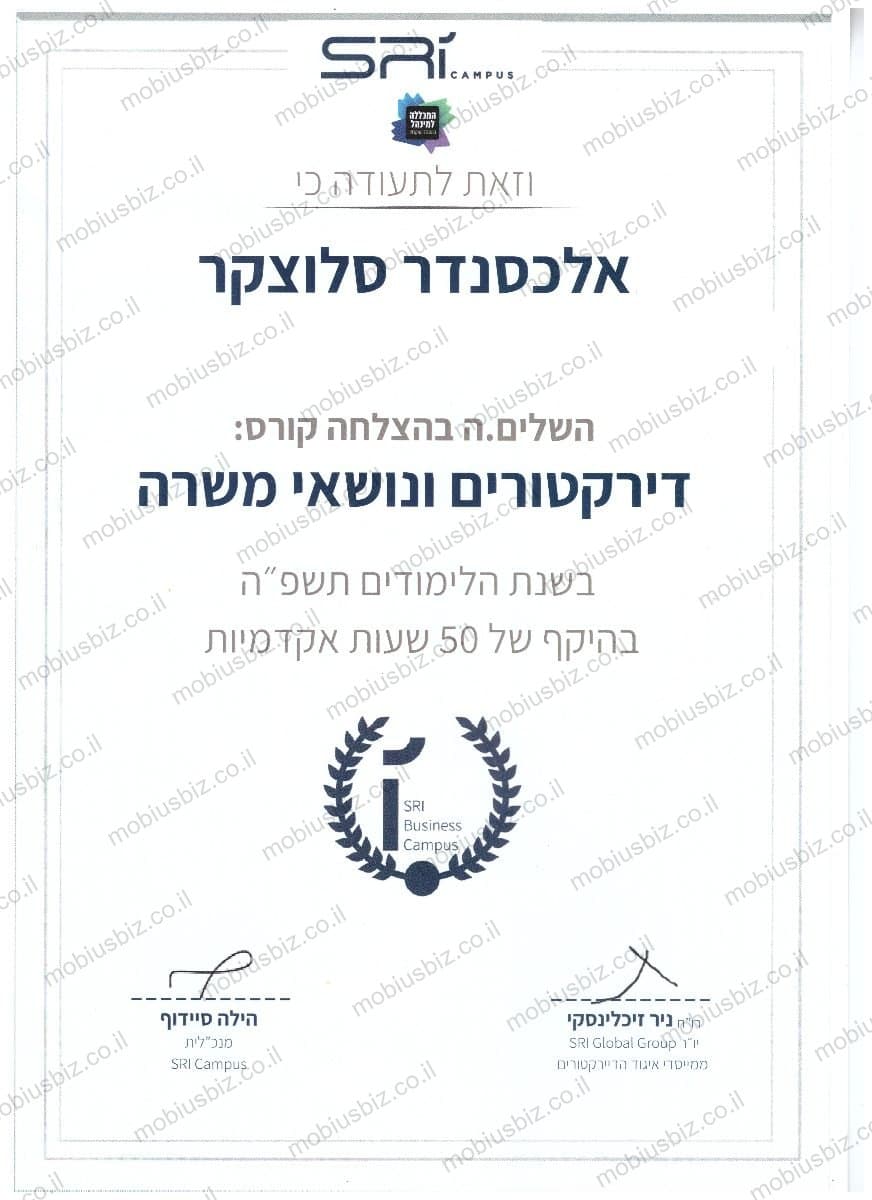
Directors and officeholders course, SRI Campus
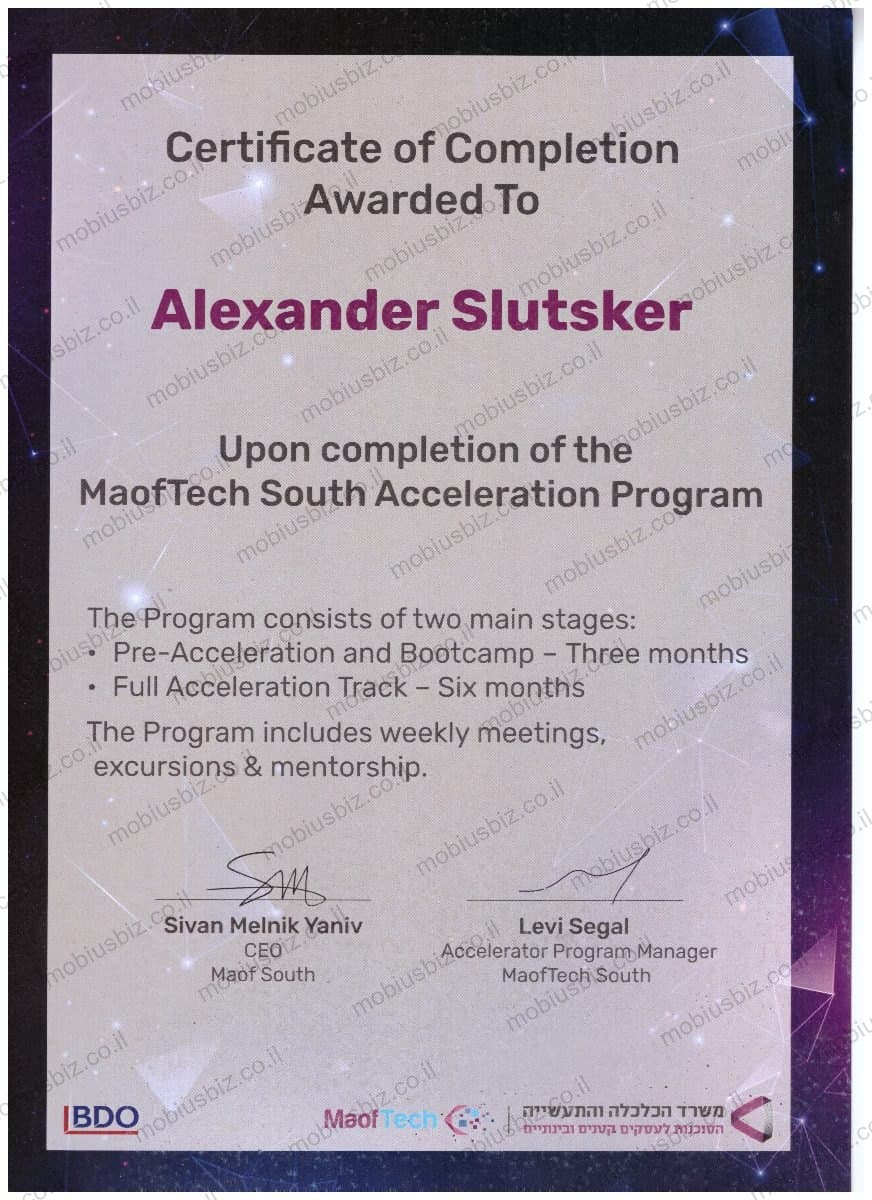
Acceleration program, MaofTech South
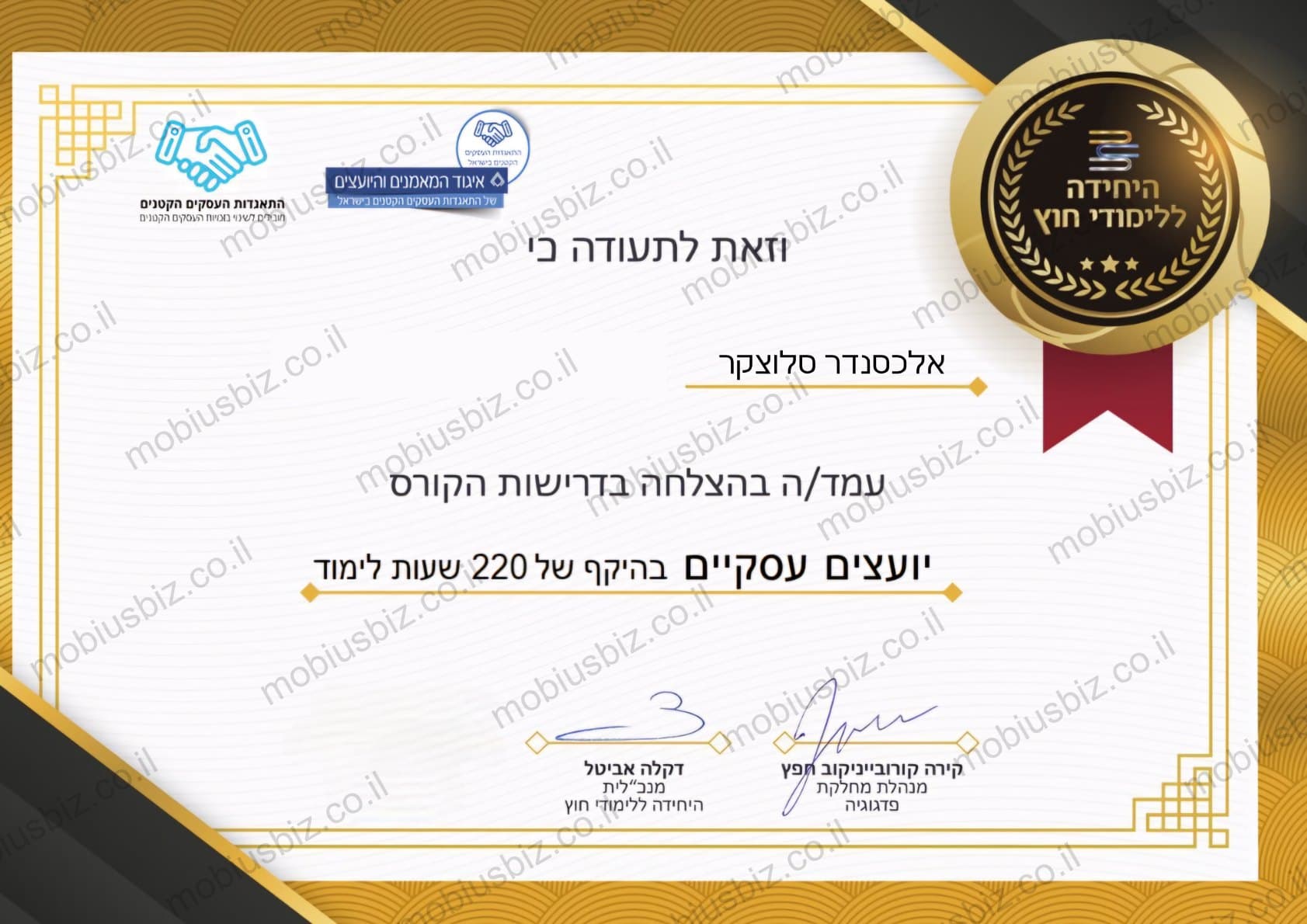
Business consultants course
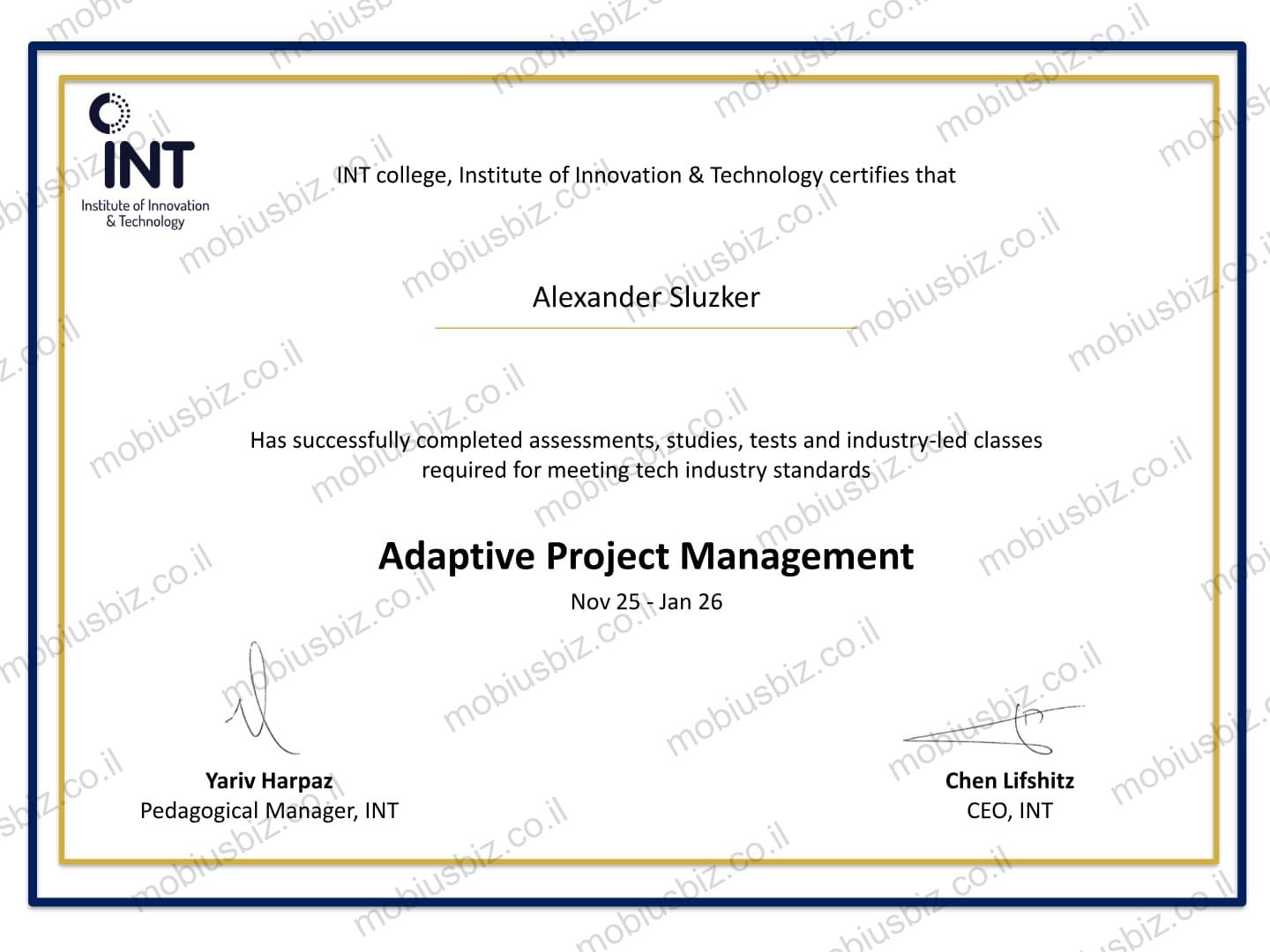
Adaptive project management, INT college

Business, Marketing, Operations & Financial Consultant
Mobius
Alexander Slutsker
9+Years of experience in business consulting
I help entrepreneurs, self-employed people, small businesses and startups understand their own numbers, choose what to do first and grow from there.
Book a Free Call+972 055-248-6151. Better on WhatsApp: I am in meetings most of the day and answer as soon as I am free. Other ways to reach me
We can talk in English, Hebrew or Russian.