Business Consulting for Organizations: The Whole System
How organizational consulting finds where teams, managers and processes lose speed and quality, and turns it into a plan the team can carry out.
What a Consultant Changes Over Time
Usually, the consultant's biggest visible lift lands early. Your results start slower, then can pick up speed and compound on what was built. Drag the timeline marker to walk through the story.
This is only an illustration of the shape of the work, not a forecast or a timetable. Every business moves at its own pace.
At the marker
Implementing together: your results keep climbing as the changes repeat and stick.
Curious what the start would look like in your business?
Book a free call+972 055-248-6151. Other ways to reach me
This is a simplified, illustrative tool meant to give you a quick feel for the numbers. It is not professional advice. Real business decisions depend on many factors it does not account for, and all results are estimates only. Mobius Business Solutions accepts no responsibility for decisions or actions taken based on this tool.
Business consulting for organizations is not only about helping one owner make better decisions. It looks at the whole system: teams, managers, processes, numbers, incentives and the way decisions actually move.
That matters once a business has more than one layer. A problem that looks like weak sales may be a handoff problem between teams. A cost problem may come from the way management makes and follows up decisions. A team problem may be an unclear process. Without a diagnosis of the whole system, an organization can treat symptoms for years.
What organizational consulting means
Organizational consulting looks at how the business works inside. It studies the operating rhythm, the management structure, how teams communicate, the financial signals and whether the culture supports execution or blocks it.
In real work, finance, people, marketing, operations, technology and leadership are connected. An organization does not fail in neat boxes, so the diagnosis cannot stay inside one of them.
If the problem is mainly the business model or the growth direction, start with business consulting for companies. If the problem lives in the way people work together, organizational consulting is the better frame.
Diagnosis across the whole system
The first step is usually diagnosis: documents, financial reports, team interviews, conversations with managers and a review of how well operations actually run.
Team interviews matter because a consultant can act as a neutral third party. When there is tension between an owner, managers and employees, people do not always say the full truth inside the organization. A neutral listener can reveal where the official process differs from the real one.
That is why building company processes cannot be separated from management. A business process (the fixed steps a piece of work goes through) that looks good on paper may fail because ownership is unclear, because one team does not trust another, or because nobody has the authority to make a decision.
Where organizational problems hide
Organizational problems often hide in ordinary places:
- meetings that end without decisions
- tasks that move between teams with missing information
- managers who measure success by different definitions
- one step where work piles up, the bottleneck (the step that slows everything else)
- repeated corrections that nobody tracks
- owners who stay in every decision because the system cannot decide without them
- teams that work hard but pull in different directions
These are not moral failures. They are design problems. A stronger organization needs clear roles, clean handoffs, a few useful KPIs (key performance indicators, the numbers that show progress) and a management rhythm that turns information into decisions.
From diagnosis to first action
How the first stage looks depends on the size of the organization and the scope of the work. The pattern is the same: collect information, listen to the team, read the numbers, find the root causes, discuss what is feasible, build a plan and review it with the owner or CEO.
The plan should not be imposed on a team that cannot carry it out. Before implementation, it has to answer what is possible, what is not, which resources are missing and which first action can show movement.
That is the difference between a one-time report and ongoing support. A report can name a problem. Consulting helps the organization go through the first real changes and learn how to keep improving. As the organization gets stronger, the work together moves on to the next layer: risk, management skills, delegation and stability.
If your organization keeps repeating the same pattern, read why every business needs a consultant at some point, read about strategic consulting or talk it through with me. The work starts by seeing the system honestly. What business owners who worked with me say is in the recommendations further down this page.
The content on this blog is general information only and is not a recommendation to act. It is not business, legal, tax, or financial advice. Before making any decision, consult a qualified professional, such as an accountant, a lawyer, or a business advisor, about your specific situation.
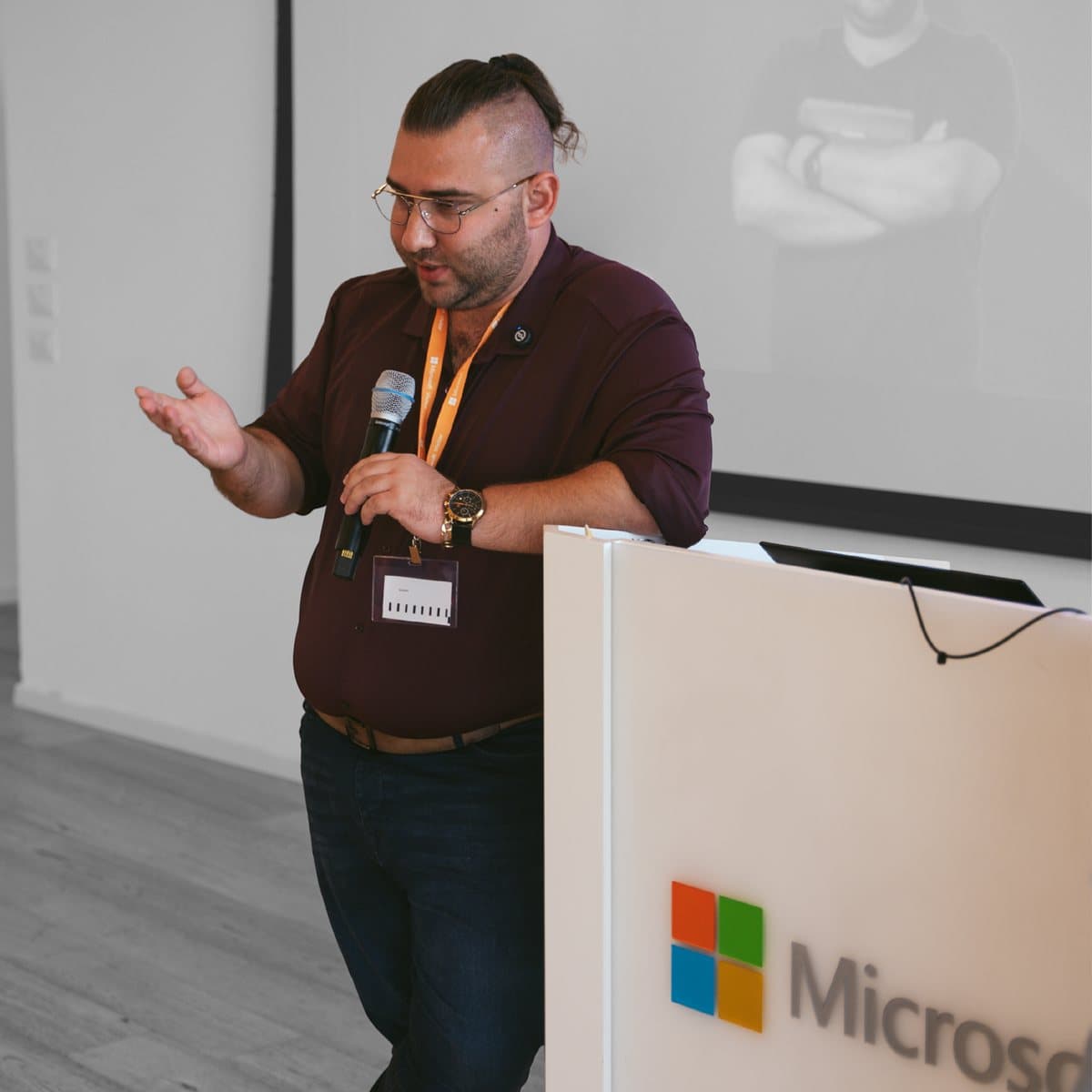
Speaking at Microsoft
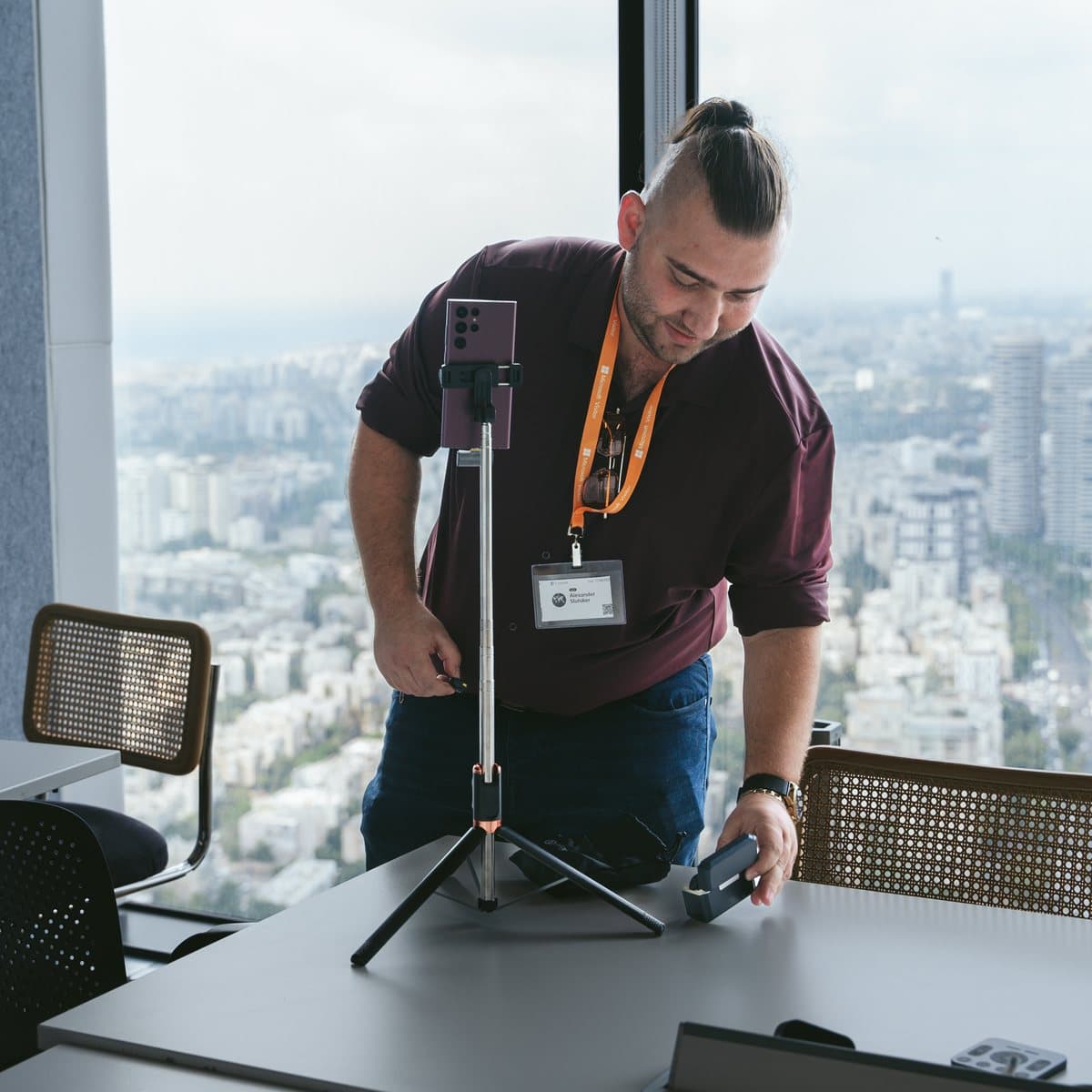
Meeting with international teams, as part of work with a startup
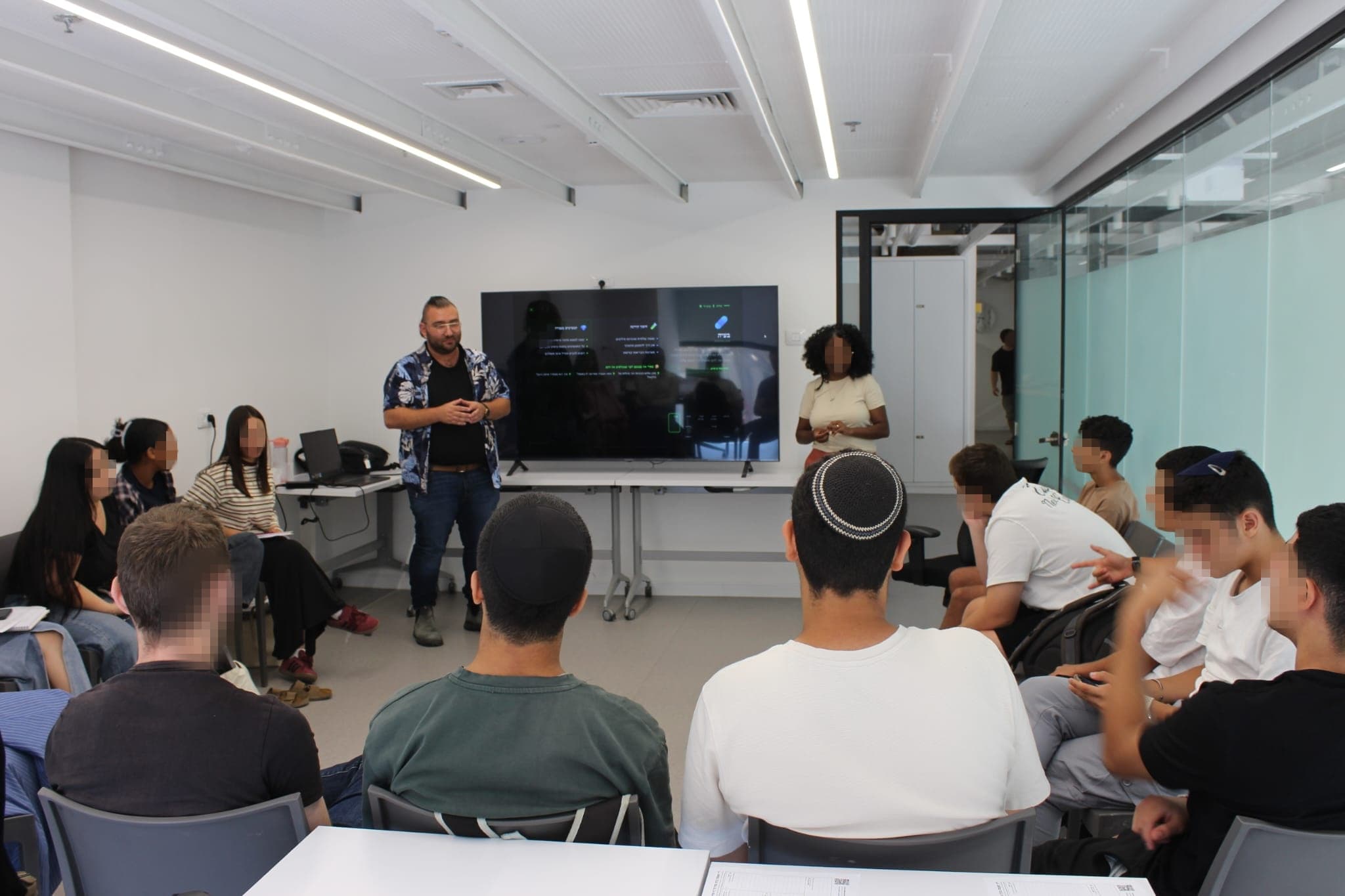
Teenovation, Meital centre Sderot
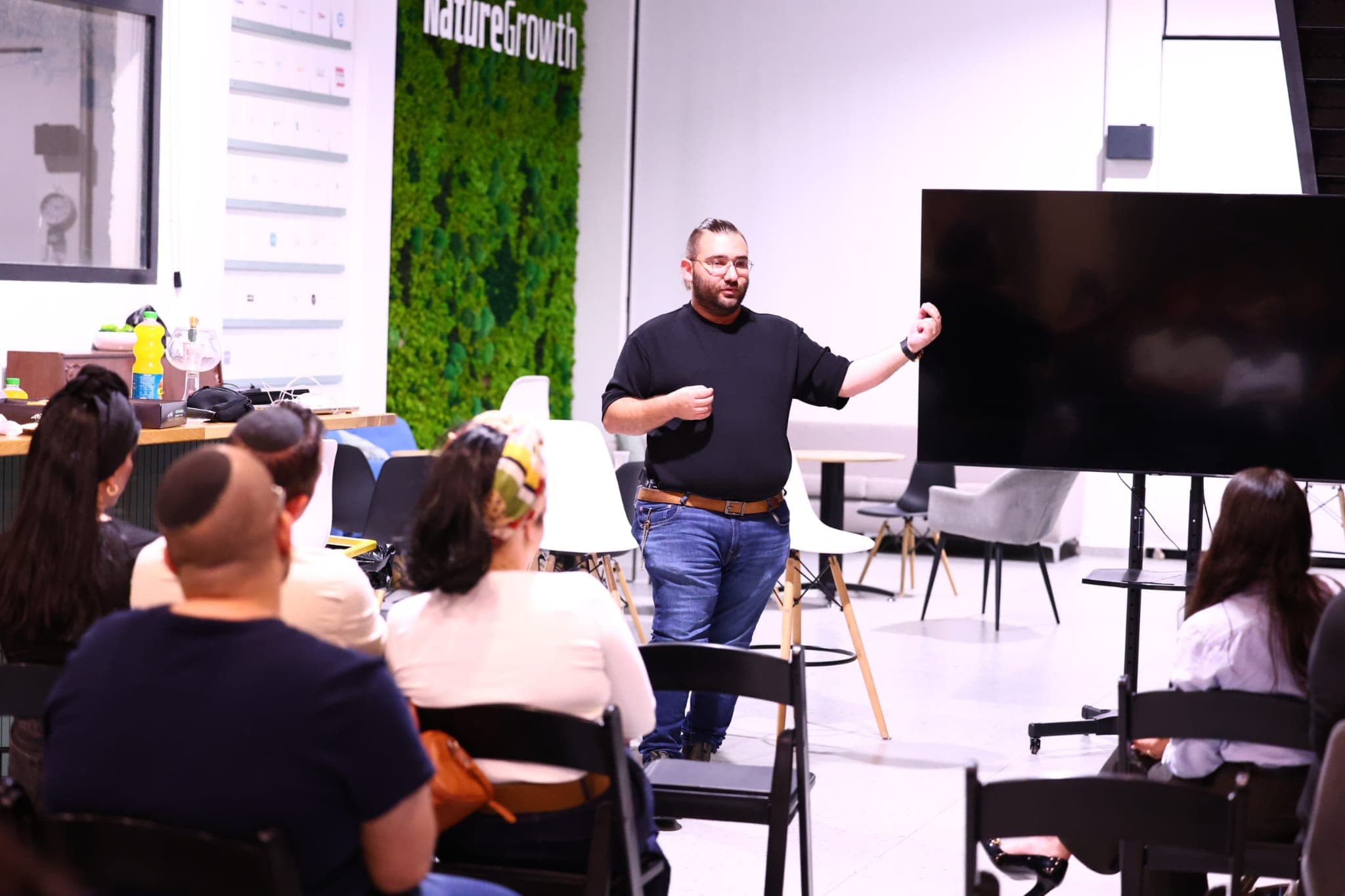
Entrepreneurs session, Sderot
I have worked with
- Google for Startups
- House of Business, Sderot Municipality
- Microsoft Reactor
- GameReady
- Eclipse Capital
- SderoTech
- IUCEL
- Resilience & Health Innovation Hub
- International Resilience Institute of Sderot














- Google for Startups
- House of Business, Sderot Municipality
- Microsoft Reactor
- GameReady
- Eclipse Capital
- SderoTech
- IUCEL
- Resilience & Health Innovation Hub
- International Resilience Institute of Sderot
What Clients Say
From different fields, at different stages of business
Dan Manto
Eclipse Capital
Real Estate Investment and Finance, USA
Arty McLabin
GameReady
Game Development Education and Outsourcing, International
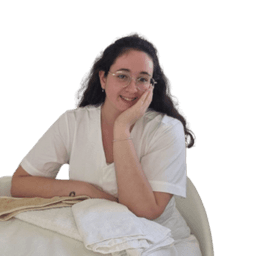
Anna
Beautician
After I finished a cosmetology course at a leading company, I was confused. I didn't know how to open a business, what to sell from home, or how to bring in clients. Since I reached out to Mobius, everything has changed. We built an organized plan with clear steps and no unnecessary risks. Today I see results, and I'm growing and developing every month.

Mark
Massage therapist, Gan Yavne
When I finished a massage course, I imagined a different world. I found out it's a hard field, and financial stability isn't easy to find. When I came to Mobius, something changed. We started an organized process and built a business plan. Without Mobius? I probably would have given up. Today I believe in myself and in my own path.
And the paperwork, for anyone who wants to see that too.

Certificate of appreciation, Sderot municipality
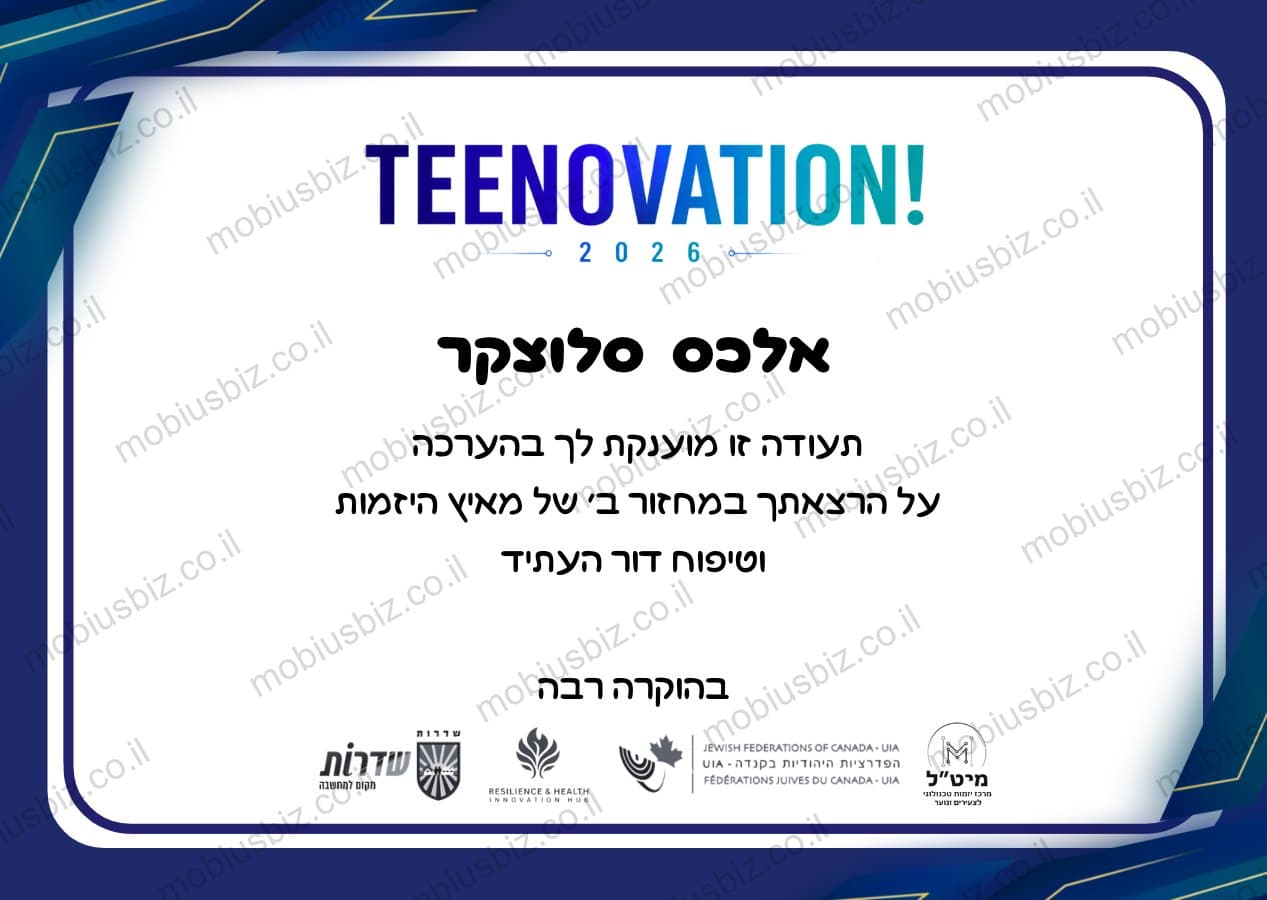
Certificate of honor, Teenovation 2026
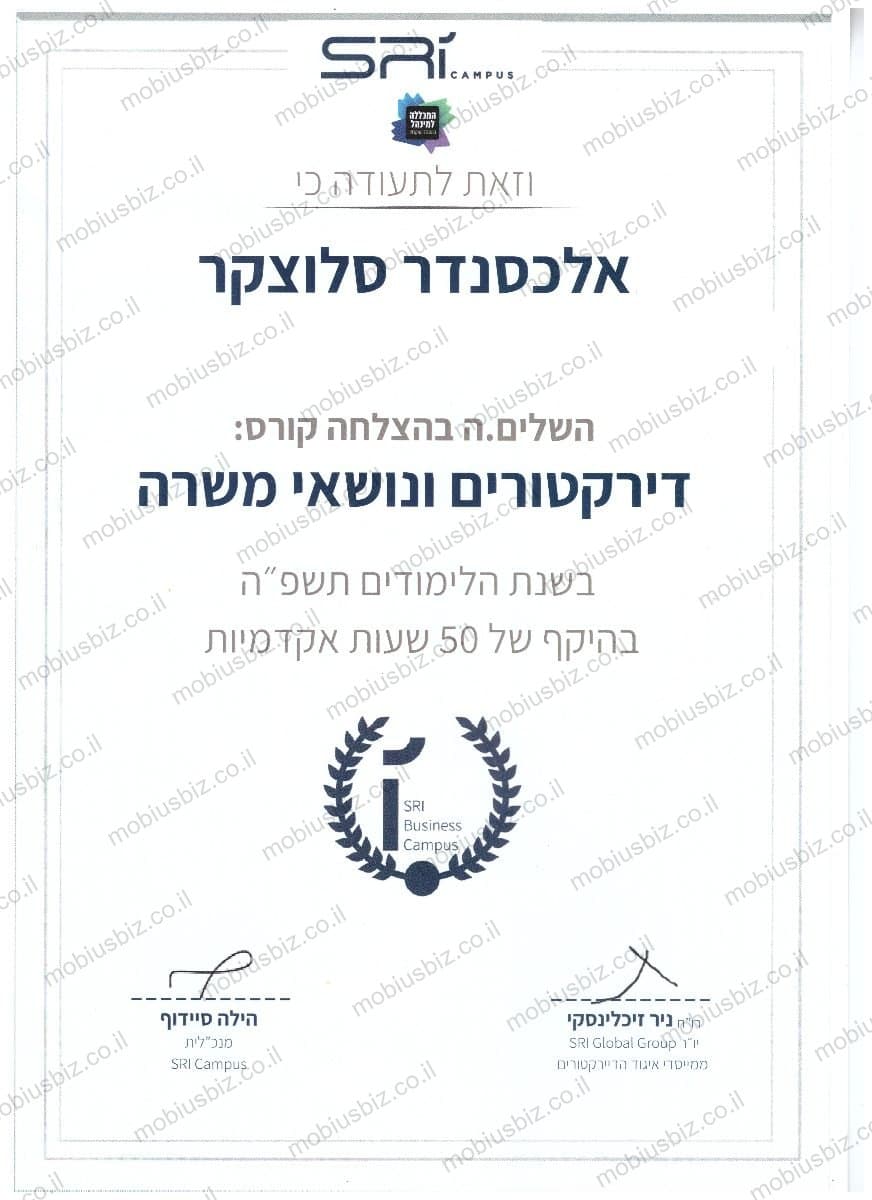
Directors and officeholders course, SRI Campus
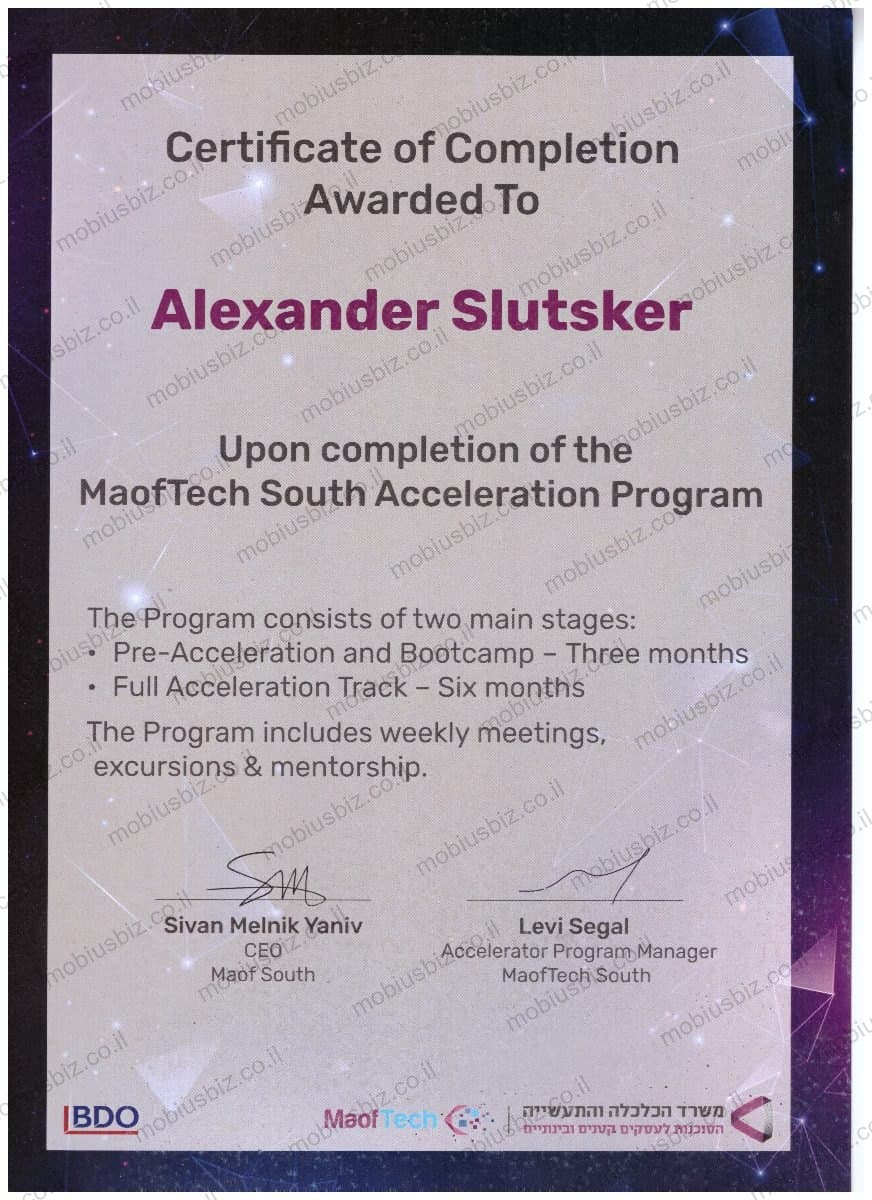
Acceleration program, MaofTech South
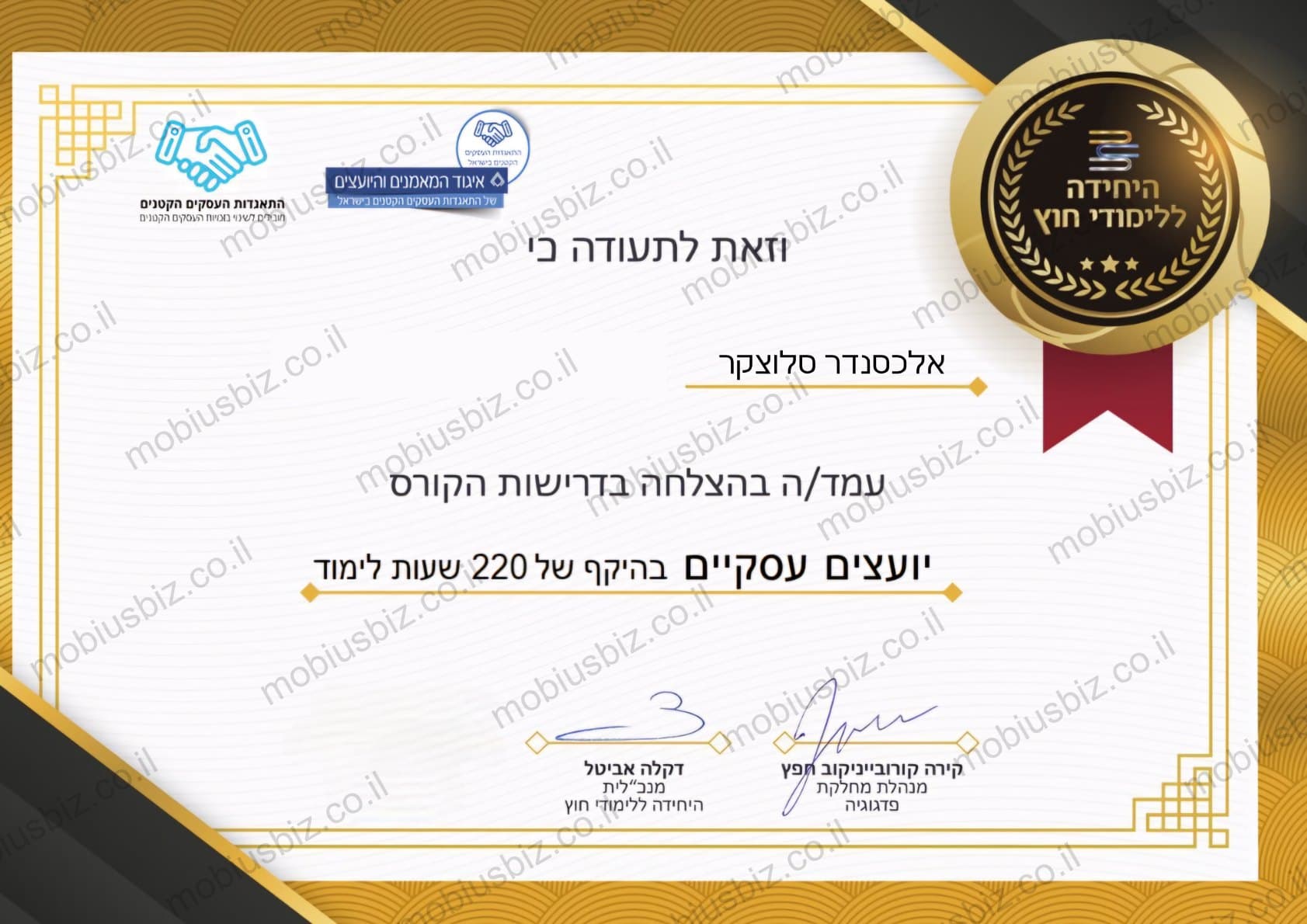
Business consultants course
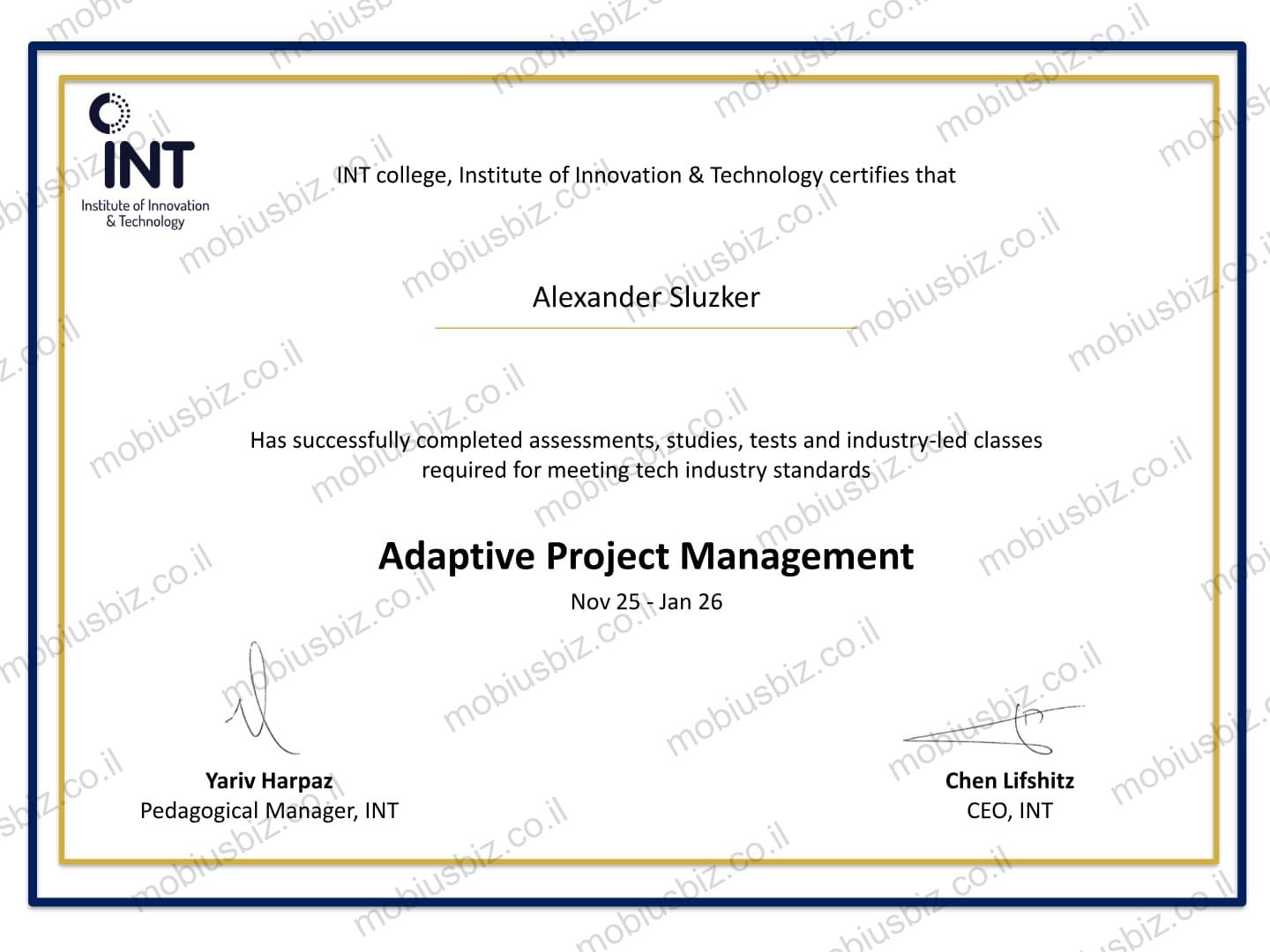
Adaptive project management, INT college
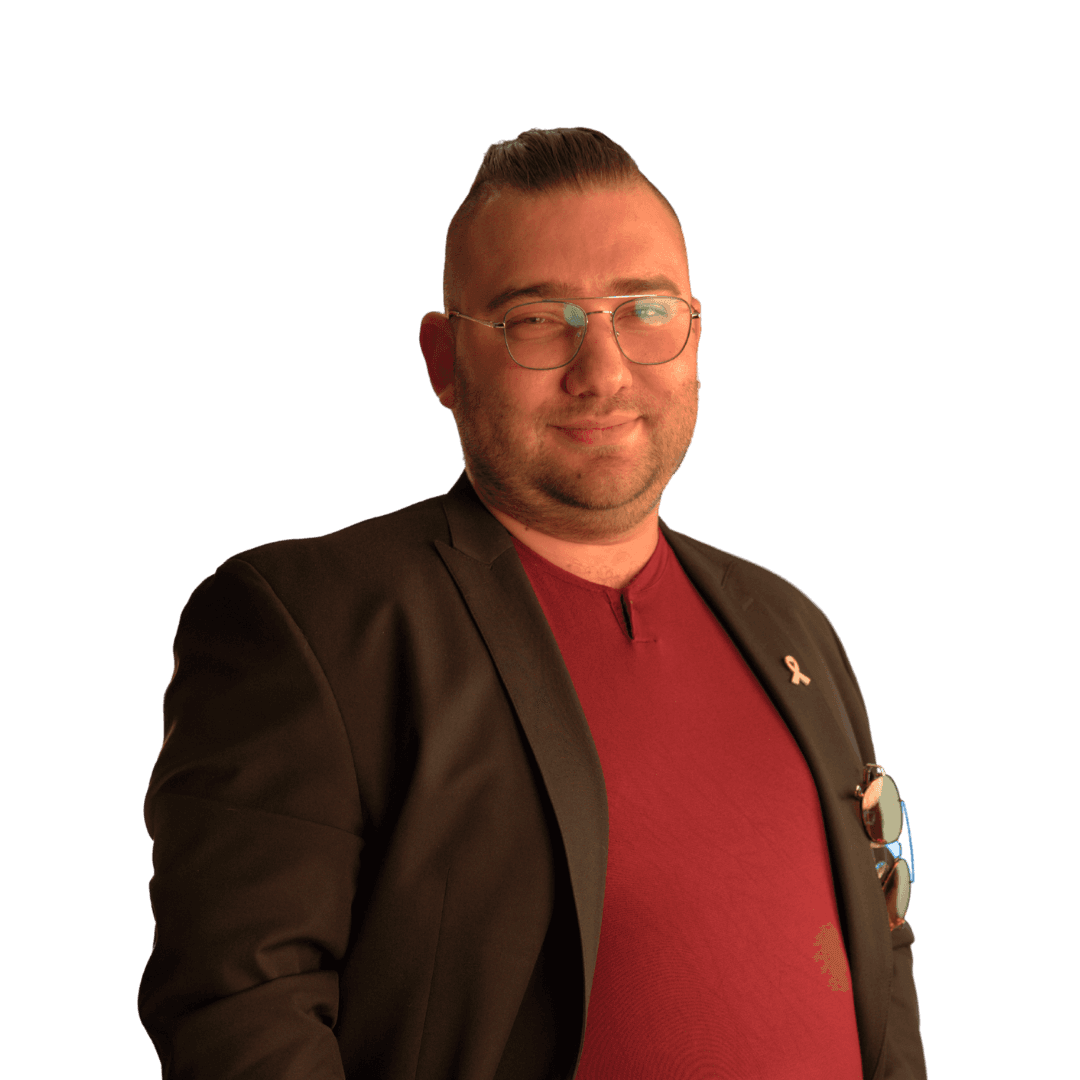
Business, Marketing, Operations & Financial Consultant
Mobius
Alexander Slutsker
9+Years of experience in business consulting
I help entrepreneurs, self-employed people, small businesses and startups understand their own numbers, choose what to do first and grow from there.
Book a Free Call+972 055-248-6151. Better on WhatsApp: I am in meetings most of the day and answer as soon as I am free. Other ways to reach me
We can talk in English, Hebrew or Russian.