Business Plan Strategy Session: What Actually Happens
What a business plan strategy session should include, from diagnosis and market reality to gaps, roadmap, education, execution, and follow-up.
A business plan strategy session is not a motivational meeting. It is a structured way to test a business idea, an existing plan, or a struggling operation against real market conditions, real numbers, and real execution limits.
The best sessions do three jobs. They diagnose where things stand, expose the gaps, and turn the next stage into a roadmap. Alex describes his process simply: meeting, analysis, plan preparation, explanation, gap finding, education, and staying alongside the execution until results start moving.
What should happen before the session?
Good strategy work starts before the meeting. Bring the raw truth.
For a new business, that means quotes from suppliers, renovation estimates, rent options, license or permit requirements, expected labor, available cash, and early market research. For an existing business, bring revenue, costs, cash flow (money moving in and out), customer sources, marketing spend, bottlenecks (steps that slow everything else), and the decisions that feel stuck.
The SBA business plan guide is useful as a checklist because it forces you to cover market analysis, operations, marketing, funding, and financial projections. But a session should not blindly fill a template. It should decide what matters for this business.
Step 1: Diagnose the current reality
The first question is not "what do you want to build?" It is "what is true right now?"
For a founder, the truth may be that demand is not proven, supplier costs are unknown, or the marketing budget is too optimistic. For a struggling owner, the truth may be that the current strategy is treated as the only possible strategy, even while competitors stay profitable in the same market.
This is where a consultant has to be honest. If an owner arrives with no research and only tries to prove that the vision is realistic, the session can become useless. Alex's approach is to put the facts on the table, wish the owner success, and pause rather than pretend the numbers support the decision.
Step 2: Map the gaps
After diagnosis, the session maps the gap between the goal and the reality.
The gap might be financial: cash arrives too late, CAC (cost to win a customer) ignores salaries, or break-even excludes the owner's work time. It might be operational: the business needs permits, fire safety, staff training, supplier reliability, or better delivery processes. It might be strategic: the owner is aiming at a weak audience while a stronger segment is nearby.
This is also where Israel-specific planning matters. A local service business should first understand the local market, population density, purchasing power, culture, religion, location, regulation, and customer behavior. A startup, by contrast, often needs to think globally from the beginning.
Step 3: Build the roadmap
A strategy session should produce a roadmap, not only a document.
That roadmap should include:
- The main decision
- The assumptions that must be tested
- The missing data
- The financial model or next calculation
- The first actions
- The owner of each action
- The review date
The BDC guidance on strategic-plan metrics supports this approach: tie measures to objectives, keep the list simple, and use current data as feedback. A session that creates twelve priorities and no review rhythm creates noise, not strategy.
Step 4: Explain and educate
A good consultant does not only say what to do. The owner should understand why the recommendation exists.
If the plan delays launch, the reason should be clear. Maybe the renovation estimate is too low. Maybe the marketing budget assumes that customers will appear without awareness spending. Maybe a bakery that needs one and a half to two million shekels is choosing a location without enough traffic or with labor costs that break the model.
Education matters because the owner will make dozens of decisions after the session. The goal is not dependence on the consultant. The goal is better judgment.
Step 5: Follow through after the session
Strategy becomes valuable only when it changes action.
After the session, the plan should move into follow-up: checking quotes, speaking with customers, reviewing marketing economics, modeling cash flow, or building a smaller test. For some businesses that means delaying launch. For simple self-employed freelancers, it may mean starting small and learning while operating.
Both paths can be correct. The difference is risk. If the business requires serious investment, it is usually better to delay and improve the plan than to launch underfunded and solve expensive problems later.
For the wider plan structure, see how to build a business plan. If you are not sure where the real constraint is, start with business diagnosis, or contact Mobius Business Solutions for a practical first conversation.
The content on this blog is general information only and is not a recommendation to act. It is not business, legal, tax, or financial advice. Before making any decision, consult a qualified professional, such as an accountant, a lawyer, or a business advisor, about your specific situation.
Frequently asked questions
What is a business plan strategy session?
Should I prepare documents before the session?
Can a strategy session replace a full business plan?
What should I expect after the first session?
Why did my last strategy meeting feel useless?
What numbers do you review in the session?
What if I do not have enough data yet?
How does the session turn into execution?
What does gap finding mean?
Can the consultant tell me not to start?
What if I disagree with the consultant?
How do I know the session worked?
Terms from the business glossary
More Articles
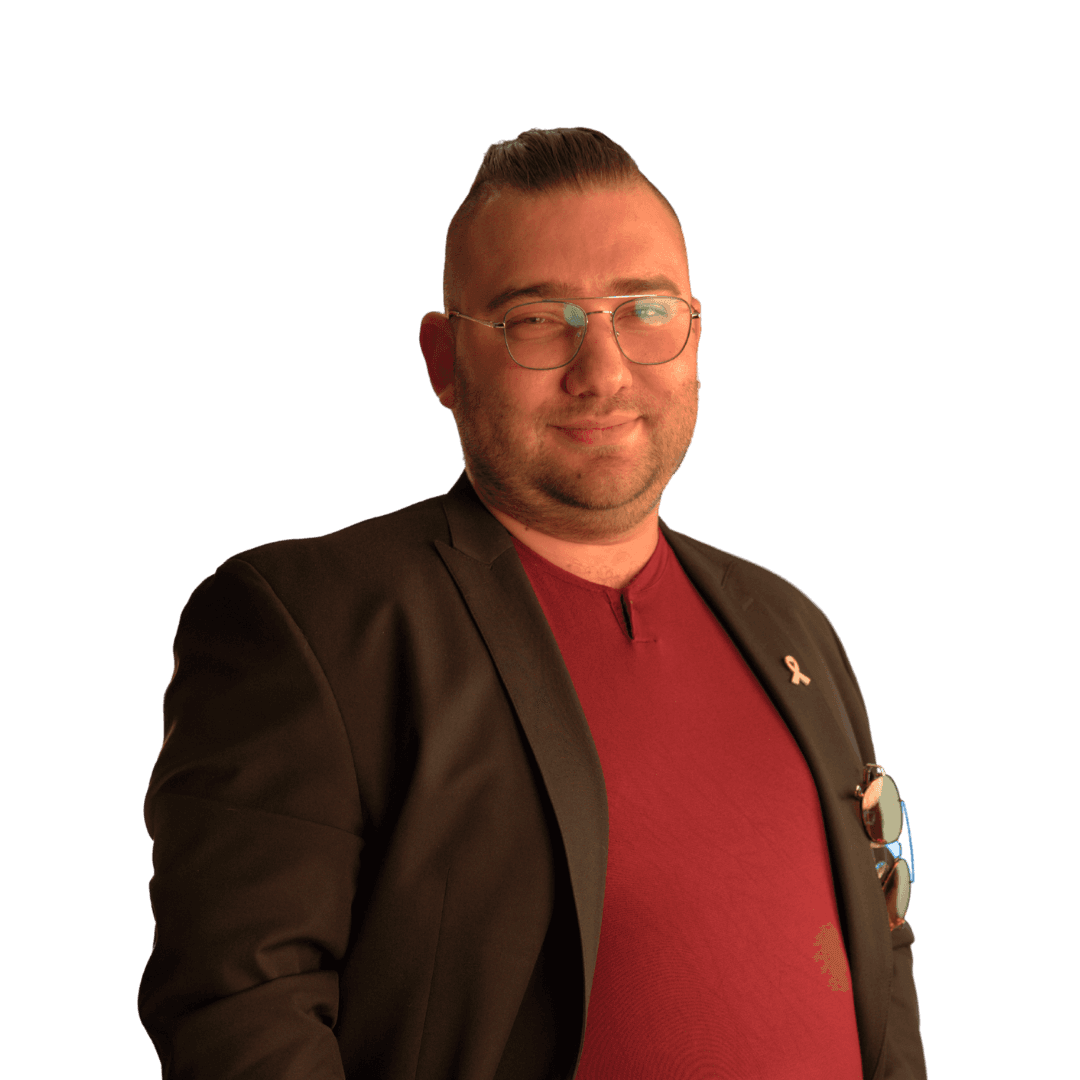
Business, Marketing, Operations & Financial Consultant
Mobius
Alexander Slutsker
I help entrepreneurs, freelancers, and small businesses understand their numbers, build strategies that drive results, and grow intelligently. With experience across finance, marketing, and operations, I deliver practical solutions in plain language.
Book a Call