Five Financial Numbers Every Small Business Owner Needs
Operating cash, cash collected, gross margin, fixed costs and owner pay: the five numbers that make business decisions clearer without drowning in accounting.
Business Health Dashboard
Check the core numbers that show whether the business is healthy, not just busy. Enter every amount excluding VAT.
Gross margin
60%
Net margin
15%
Net profit
₪15,000
Customer acquisition cost
₪500
Year-over-year growth
25%
Revenue
₪100,000
+25% against the same month last year
- Direct delivery costs-₪40,00040%
Gross profit
₪60,00060%
- Operating expenses-₪35,00035%
- Marketing-₪10,00010%₪500 per new customer
Net profit
₪15,00015%
Each bar is a share of revenue. The two marks on a bar are its red and green thresholds for a service business.
Every link holds in the green, by the service business thresholds.
How we calculated it
Gross margin is 60%: revenue minus direct delivery costs, divided by revenue. Net profit is ₪15,000: revenue minus direct costs, operating expenses and marketing spend, before tax. That is a net margin of 15%.
CAC is ₪500, marketing spend divided by new customers. Growth against the same month last year is 25%.
The colors assume a service business: gross margin is green from 40% and red under 20%, net margin is green from 15% and red under 5%, growth is green from 10% and red below zero. A trading or retail business runs on lower gross margins, so compare it with its own sector.
Want a clearer monthly dashboard for your business?
Book a free call+972 055-248-6151. Other ways to reach me
This is a simplified, illustrative tool meant to give you a quick feel for the numbers. It is not professional advice. Real business decisions depend on many factors it does not account for, and all results are estimates only. Mobius Business Solutions accepts no responsibility for decisions or actions taken based on this tool.
Most small business owners do not need a big financial system on day one. They need five numbers they can understand, check and use.
The point is not to become an accountant. The point is to stop making decisions from the bank balance alone.
1. Operating cash
Operating cash is the money the business can actually use after setting aside VAT, tax reserves, payroll and other payments already committed. It is not the balance you see in the bank.
If the account shows NIS 50,000 but NIS 18,000 of it belongs to VAT, taxes, salaries or suppliers due soon, the business does not have NIS 50,000 to spend.
2. Cash collected
Revenue invoiced is not the same as cash collected. A business can issue invoices, record revenue and still wait weeks or months for payment. This is where cash flow (money moving in and out) usually breaks.
This number tells you whether customers are funding the business or you are financing your customers. If collection keeps slipping, more sales may create more pressure, not less.
3. Gross margin
Gross margin (the profit left after direct delivery costs) shows whether each sale is worth making. It should include the real cost of delivery: materials, labor, subcontractors, platform fees and the work of managing the client.
For a service business, a useful version is contribution margin (what a sale leaves after the costs it caused) per delivery hour. It shows whether your calendar is creating profit or only activity.
4. Fixed operating costs
Fixed costs are the bills that arrive whether sales are strong or weak: rent, core salaries, software, insurance, bookkeeping and basic operations.
Once you know them, you know your survival line. You can estimate the break-even point (where income covers all costs), how much cash reserve you need, and how much pressure a slow month creates.
5. Owner compensation and withdrawals
Owner pay is often the hidden number. Some owners underpay themselves and think the business is profitable. Others take irregular withdrawals when the balance looks high, then discover that VAT, tax or annual bills were not set aside.
A clear owner pay policy makes the picture more honest. It separates personal needs from operating cash and shows whether the model can support the person running it.
Use the five numbers to make decisions
These numbers should trigger action. If operating cash is low, delay nonessential spending. If cash collected is weak, go after receivables (money customers still owe you). If gross margin is thin, revisit pricing. If fixed costs are too high, change capacity or commitments. If owner withdrawals do not fit the model, reset owner pay.
For a broader dashboard, read financial KPIs for business owners. If your biggest worry is cash timing, start with cash flow versus profit.
If you run a startup, see how these numbers fit a full system in financial management for startups.
Turning these five numbers into a routine you actually use is the work of a financial consultant for small businesses.
If you want to turn these five numbers into a simple owner dashboard, talk it through with me.
The content on this blog is general information only and is not a recommendation to act. It is not business, legal, tax, or financial advice. Before making any decision, consult a qualified professional, such as an accountant, a lawyer, or a business advisor, about your specific situation.
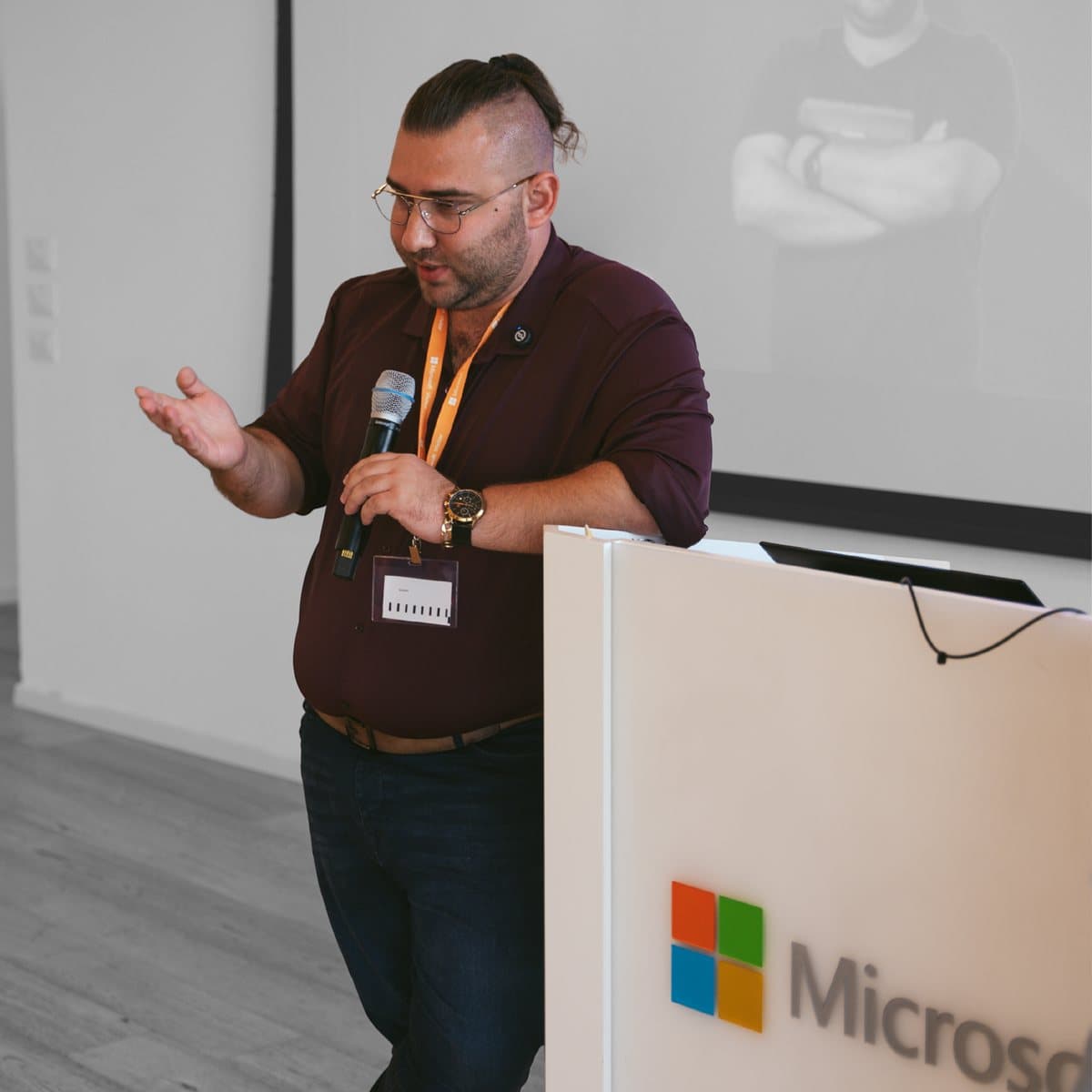
Speaking at Microsoft

Meeting with international teams, as part of work with a startup
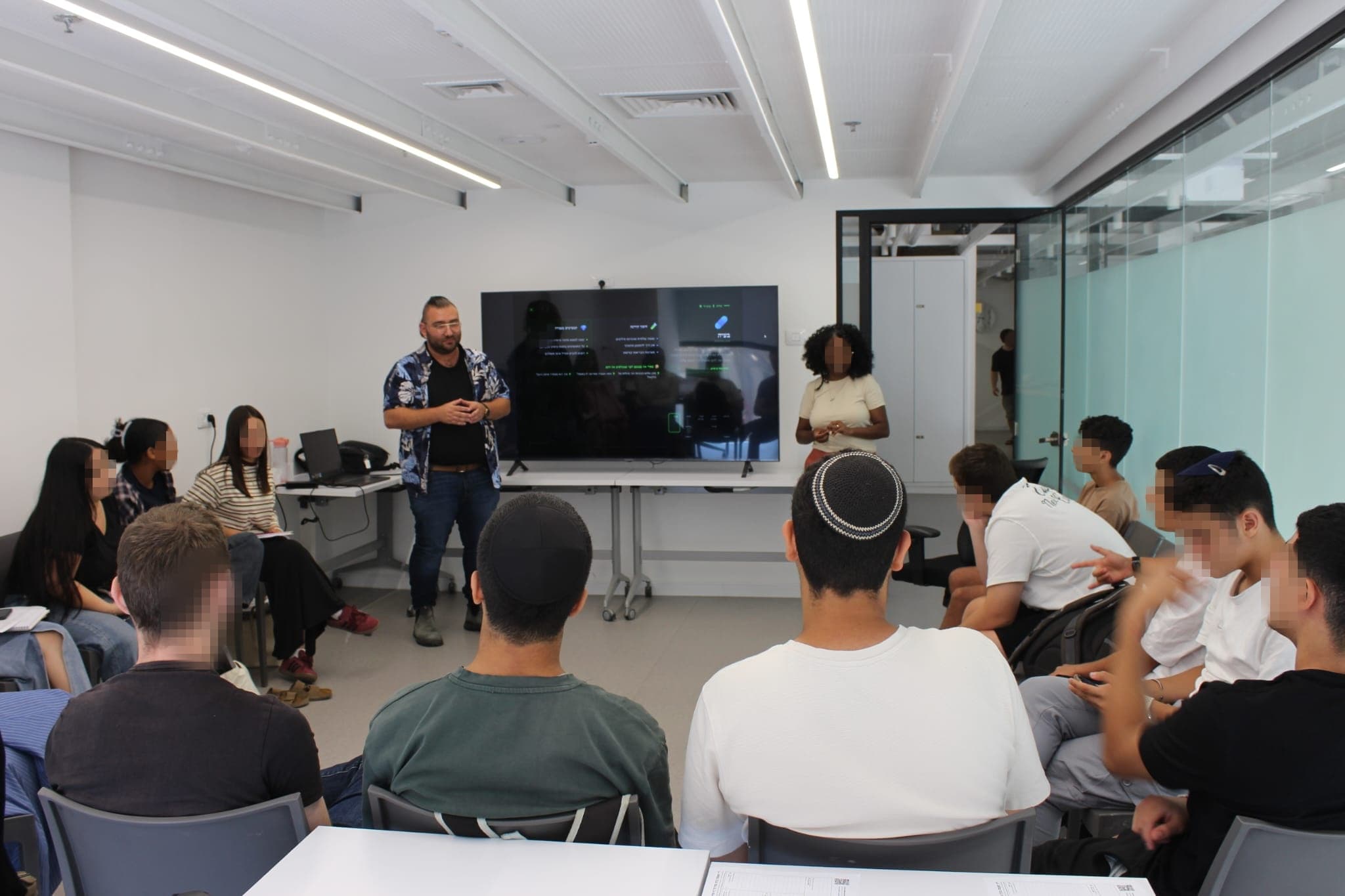
Teenovation, Meital centre Sderot

Entrepreneurs session, Sderot
I have worked with
- Google for Startups
- House of Business, Sderot Municipality
- Microsoft Reactor
- GameReady
- Eclipse Capital
- SderoTech
- IUCEL
- Resilience & Health Innovation Hub
- International Resilience Institute of Sderot
















- Google for Startups
- House of Business, Sderot Municipality
- Microsoft Reactor
- GameReady
- Eclipse Capital
- SderoTech
- IUCEL
- Resilience & Health Innovation Hub
- International Resilience Institute of Sderot
What Clients Say
From different fields, at different stages of business
Dan Manto
Eclipse Capital
Real Estate Investment and Finance, USA
Arty McLabin
GameReady
Game Development Education and Outsourcing, International

Anna
Beautician
After I finished a cosmetology course at a leading company, I was confused. I didn't know how to open a business, what to sell from home, or how to bring in clients. Since I reached out to Mobius, everything has changed. We built an organized plan with clear steps and no unnecessary risks. Today I see results, and I'm growing and developing every month.

Mark
Massage therapist, Gan Yavne
When I finished a massage course, I imagined a different world. I found out it's a hard field, and financial stability isn't easy to find. When I came to Mobius, something changed. We started an organized process and built a business plan. Without Mobius? I probably would have given up. Today I believe in myself and in my own path.
And the paperwork, for anyone who wants to see that too.

Certificate of appreciation, Sderot municipality

Certificate of honor, Teenovation 2026

Directors and officeholders course, SRI Campus

Acceleration program, MaofTech South

Business consultants course

Adaptive project management, INT college

Business, Marketing, Operations & Financial Consultant
Mobius
Alexander Slutsker
9+Years of experience in business consulting
I help entrepreneurs, self-employed people, small businesses and startups understand their own numbers, choose what to do first and grow from there.
Book a Free Call+972 055-248-6151. Better on WhatsApp: I am in meetings most of the day and answer as soon as I am free. Other ways to reach me
We can talk in English, Hebrew or Russian.