When to Hire a Financial Consultant
When to bring in a financial consultant: the warning signs in your numbers, the decisions worth checking first, and what the first stage of work should give you.
13-Week Cash Strip
Map the next 13 weeks of cash and see where a hole opens, before it surprises you.
Lowest point in the 13 weeks
-₪11,000
In week
13
Cash goes negative in week
8
What this means
Cash drops below zero in week 8. Act before that week, a monthly report would show it weeks too late. The deepest point is -₪11,000 in week 13.
Want a real forecast built around your business?
Book a free call+972 055-248-6151. Other ways to reach me
This is a simplified, illustrative tool meant to give you a quick feel for the numbers. It is not professional advice. Real business decisions depend on many factors it does not account for, and all results are estimates only. Mobius Business Solutions accepts no responsibility for decisions or actions taken based on this tool.
Hire a financial consultant when the numbers have started making decisions for you, but you do not fully understand what they are saying.
That moment often arrives quietly. The business is busy, the bank account feels unpredictable, the P&L looks different from your reality, and every decision about hiring, pricing, loans or marketing feels heavier than it should.
The warning signs
The strongest warning signs are practical:
- repeated cash pressure
- no clear profit by service, project or customer
- overdue invoices that nobody reviews every week
- personal and business money mixed together
- irregular owner withdrawals
- pricing based on competitors or on a feeling
- debt used to cover timing gaps
- annual expenses that surprise the business
If you recognize several of these, read cash flow vs profit, financial KPIs, and how to read a P&L.
Consultant, accountant, or bookkeeper?
These roles overlap, but they are not the same.
A bookkeeper keeps the records organized. An accountant handles reporting, tax, compliance, financial statements and professional accounting questions. A financial consultant helps the owner read the numbers as business decisions.
For example, an accountant makes sure a report is correct. A consultant asks what the report means for pricing, hiring, dependence on a few customers, cash timing, and whether the business model is worth growing.
For tax, payroll, legal structure and compliance, work with your accountant, tax adviser or lawyer.
A first financial diagnosis should be concrete
A useful first stage of work does not need to become a giant report. It should usually produce:
- a clear view of profitability, with one time items taken out
- a 13-week cash flow forecast (money expected in and out, week by week)
- an estimate of your break-even point (the sales level where income covers all costs)
- the services or customers that actually create margin (the profit left after costs)
- the main cash risks
- three priority actions
That is enough to change decisions.
Do not wait for panic
The best time to bring in financial help is before a major decision: hiring, opening a location, taking a loan, changing prices, expanding marketing, or starting work with a customer who pays slowly.
Once the problem becomes urgent, the options get narrower.
When a big decision is close, a financial consultant for your business checks the numbers behind it with you before you commit. What owners who worked with me say about the work is in the recommendations further down this page.
If you are not sure whether the issue is financial or operational, start with business diagnosis. If you want to turn your numbers into decisions, talk it through with me.
The content on this blog is general information only and is not a recommendation to act. It is not business, legal, tax, or financial advice. Before making any decision, consult a qualified professional, such as an accountant, a lawyer, or a business advisor, about your specific situation.
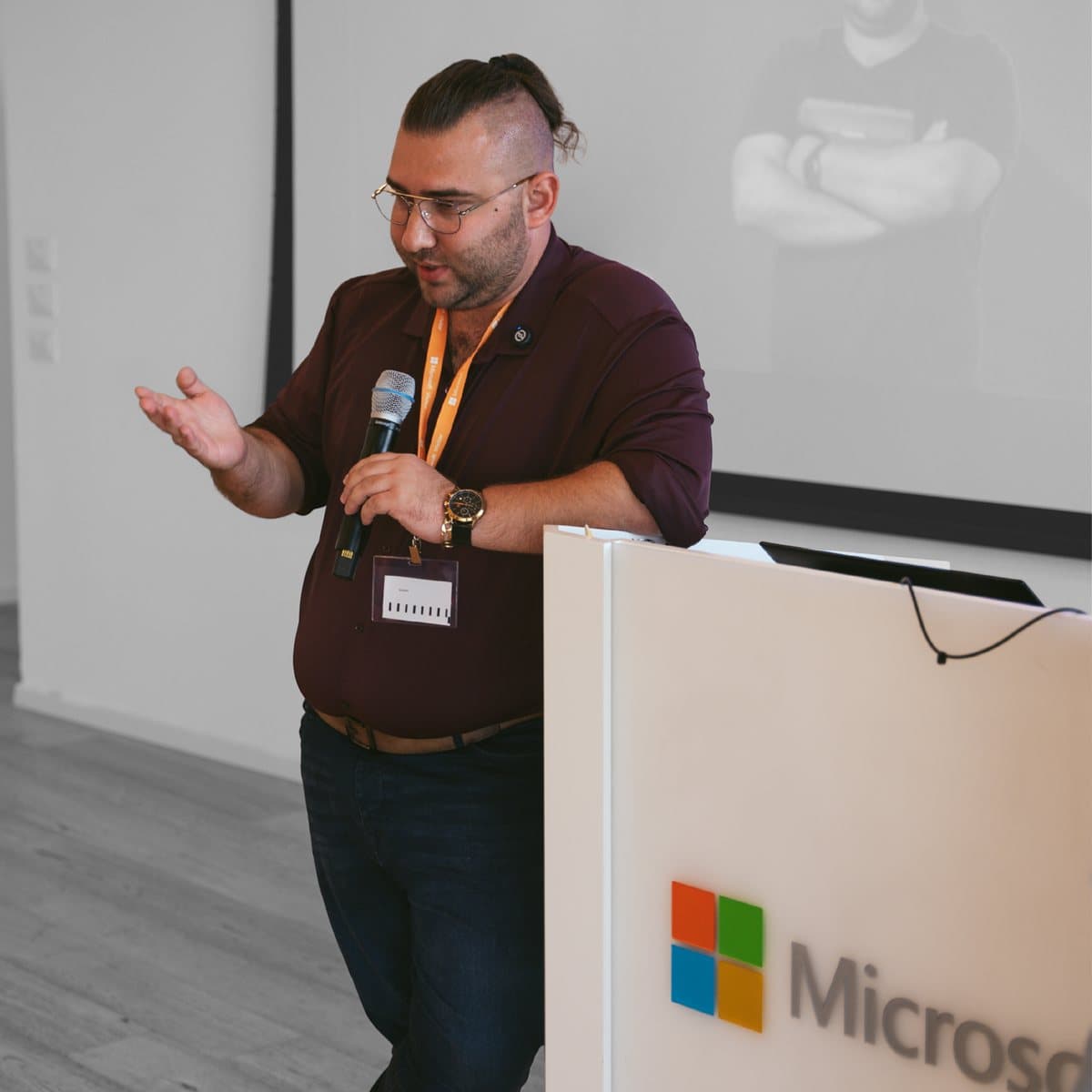
Speaking at Microsoft
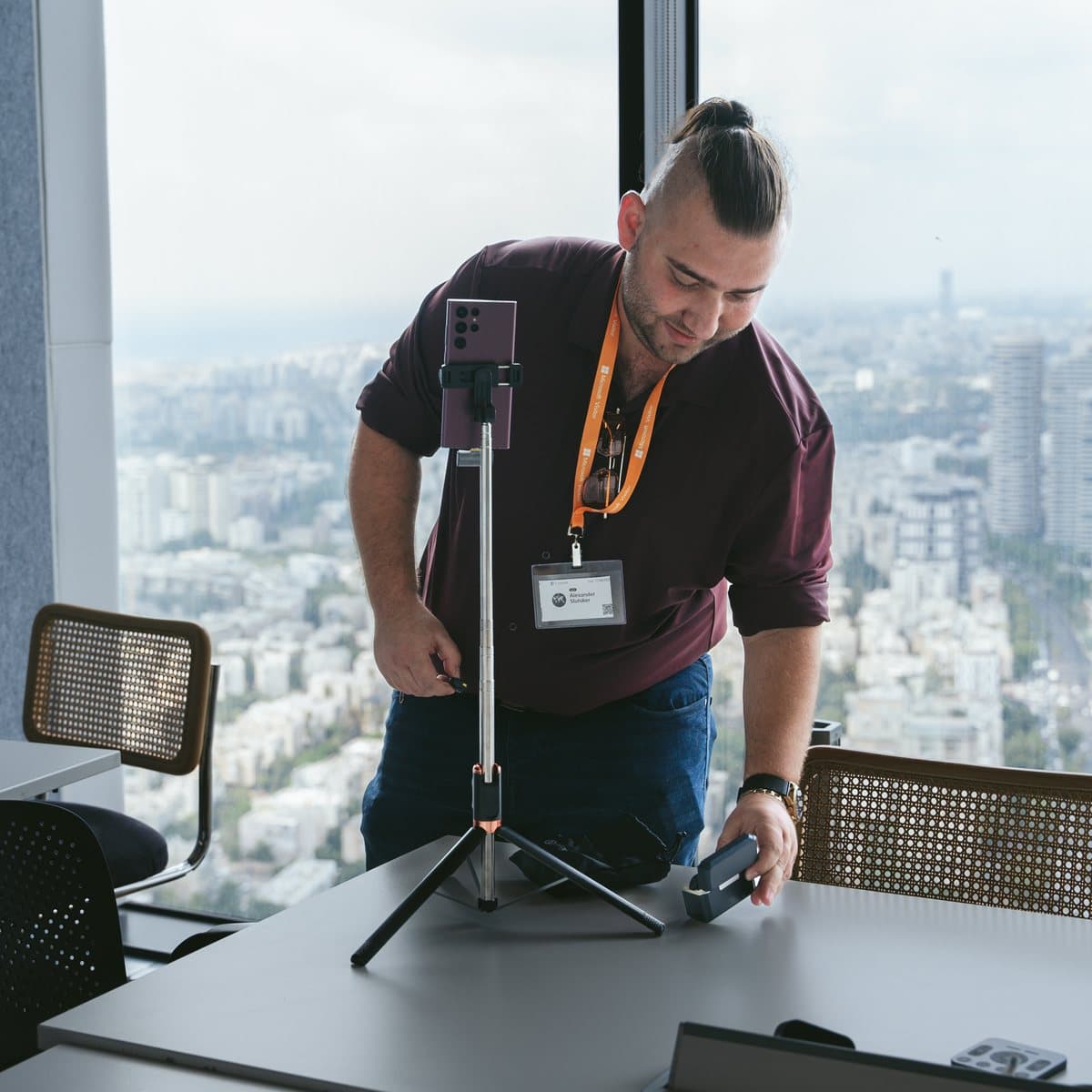
Meeting with international teams, as part of work with a startup
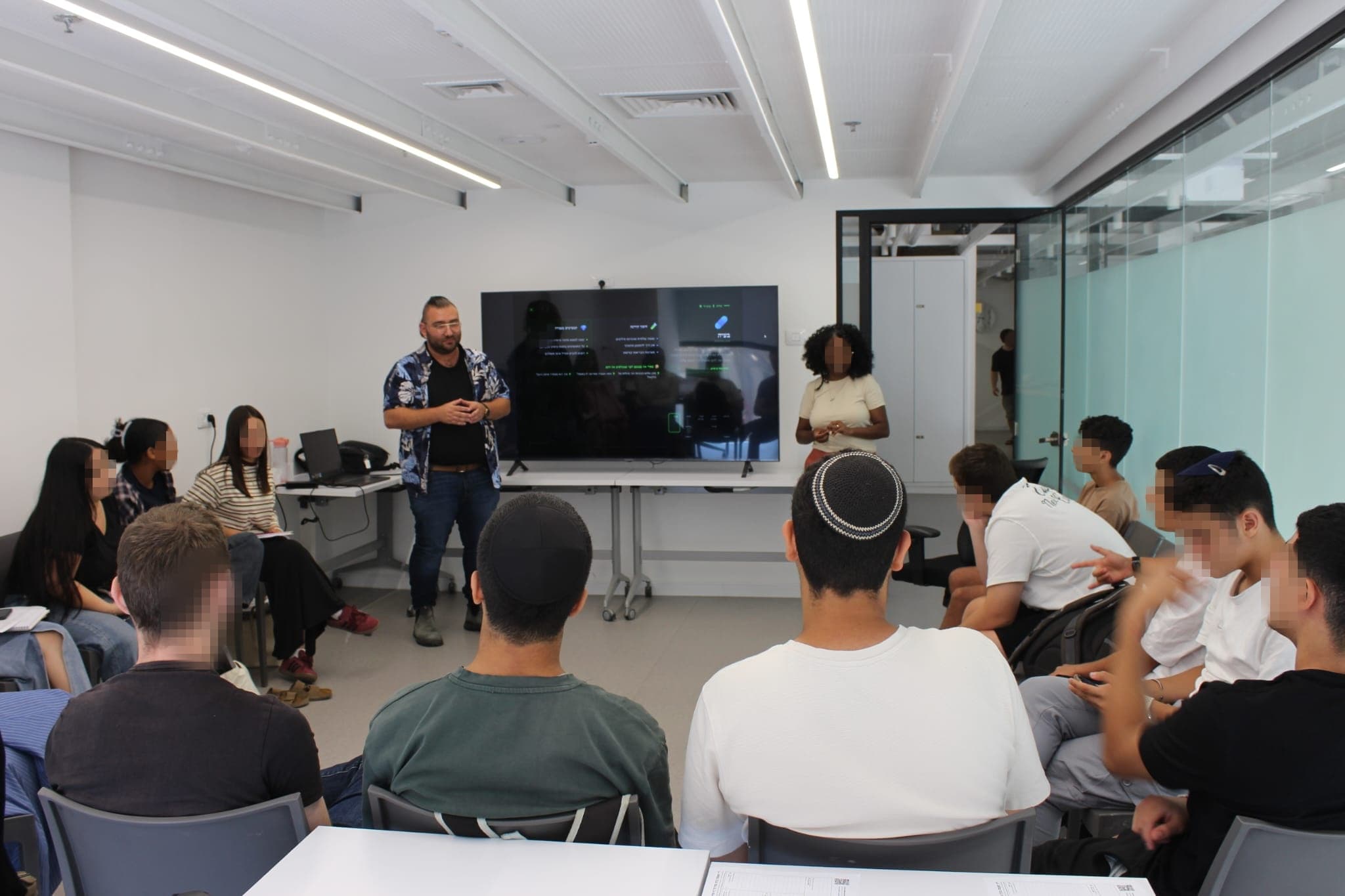
Teenovation, Meital centre Sderot
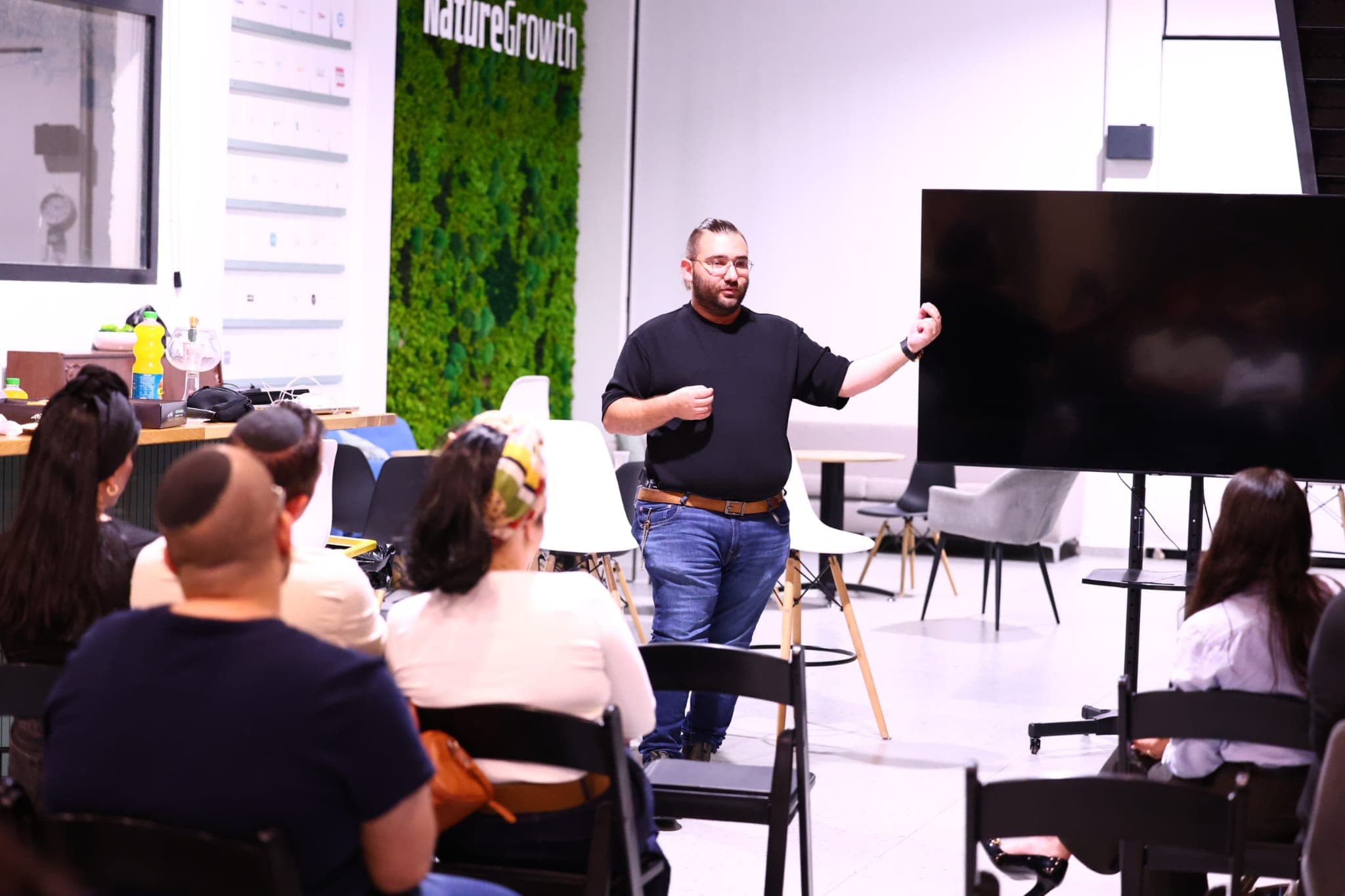
Entrepreneurs session, Sderot
I have worked with
- Google for Startups
- House of Business, Sderot Municipality
- Microsoft Reactor
- GameReady
- Eclipse Capital
- SderoTech
- IUCEL
- Resilience & Health Innovation Hub
- International Resilience Institute of Sderot


















- Google for Startups
- House of Business, Sderot Municipality
- Microsoft Reactor
- GameReady
- Eclipse Capital
- SderoTech
- IUCEL
- Resilience & Health Innovation Hub
- International Resilience Institute of Sderot
What Clients Say
From different fields, at different stages of business
Dan Manto
Eclipse Capital
Real Estate Investment and Finance, USA
Arty McLabin
GameReady
Game Development Education and Outsourcing, International

Anna
Beautician
After I finished a cosmetology course at a leading company, I was confused. I didn't know how to open a business, what to sell from home, or how to bring in clients. Since I reached out to Mobius, everything has changed. We built an organized plan with clear steps and no unnecessary risks. Today I see results, and I'm growing and developing every month.

Mark
Massage therapist, Gan Yavne
When I finished a massage course, I imagined a different world. I found out it's a hard field, and financial stability isn't easy to find. When I came to Mobius, something changed. We started an organized process and built a business plan. Without Mobius? I probably would have given up. Today I believe in myself and in my own path.
And the paperwork, for anyone who wants to see that too.

Certificate of appreciation, Sderot municipality

Certificate of honor, Teenovation 2026

Directors and officeholders course, SRI Campus
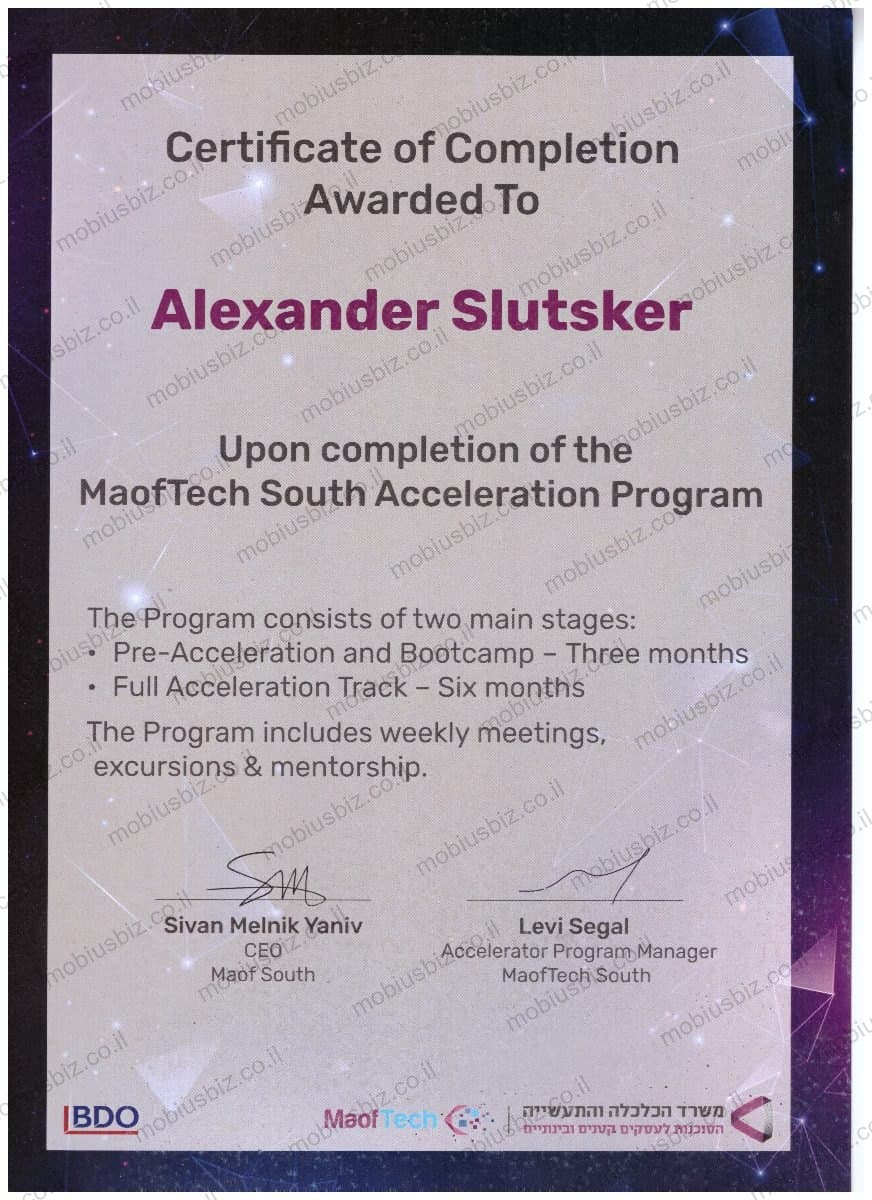
Acceleration program, MaofTech South

Business consultants course

Adaptive project management, INT college

Business, Marketing, Operations & Financial Consultant
Mobius
Alexander Slutsker
9+Years of experience in business consulting
I help entrepreneurs, self-employed people, small businesses and startups understand their own numbers, choose what to do first and grow from there.
Book a Free Call+972 055-248-6151. Better on WhatsApp: I am in meetings most of the day and answer as soon as I am free. Other ways to reach me
We can talk in English, Hebrew or Russian.